Sputnik
"In the Soviet Union, space comes to you."
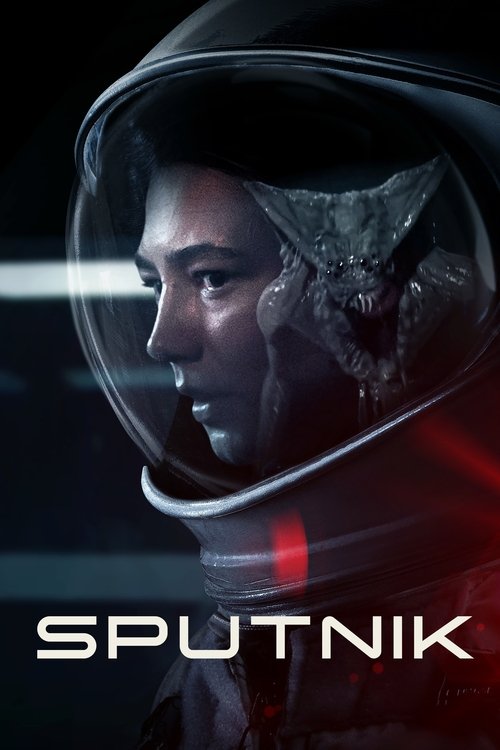
If you were to take the DNA of Ridley Scott’s Alien, strip away the high-tech Weyland-Yutani chrome, and bury it in the brutalist, gray-scale concrete of 1983 Soviet Russia, you’d get something very close to Sputnik. It’s a film that arrived in 2020 with almost no fanfare—a quiet, shivering creature feature that dropped onto streaming platforms while we were all stuck in our own versions of isolation. Honestly, it’s the best thing to come out of the Russian sci-fi boom, proving that you don’t need a Marvel-sized bank account to make something that actually gets under your skin.
I watched this on a Tuesday night while my neighbor was loudly practicing the accordion, and somehow the mournful, repetitive squeal of the music perfectly synced with the film’s oppressive atmosphere. It’s a "mood" movie, for sure.
A Different Kind of Symbiosis
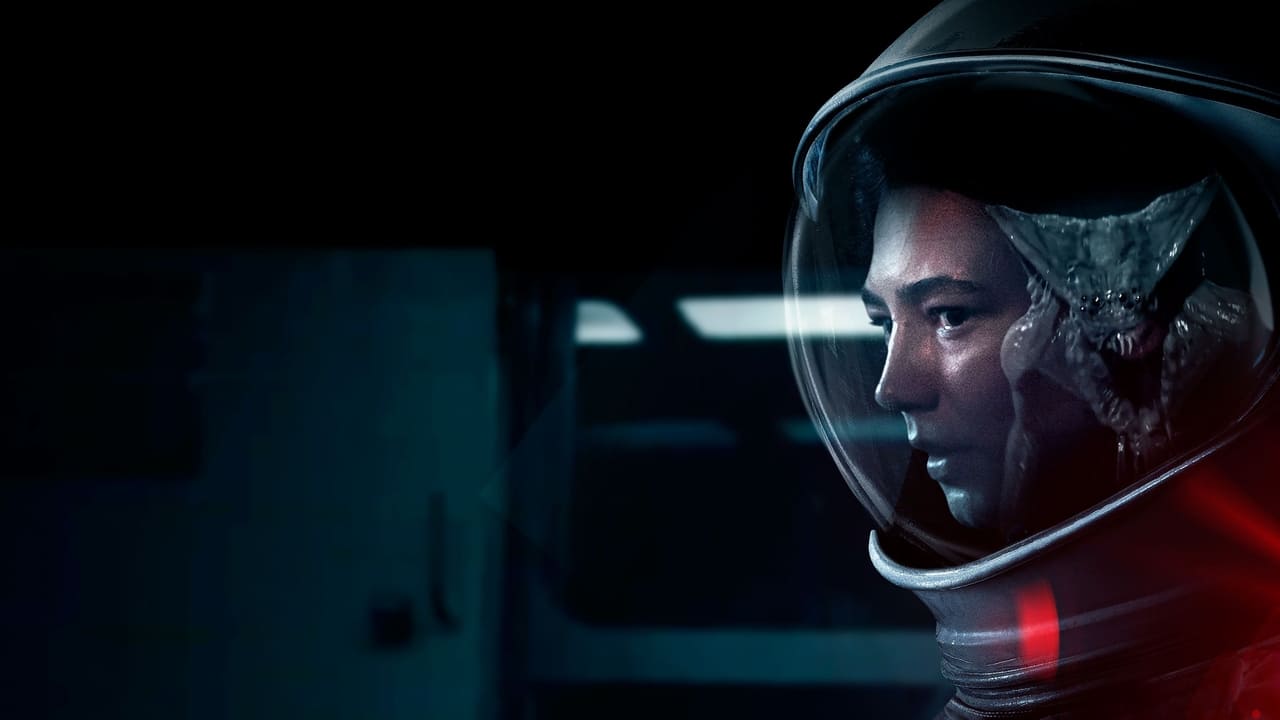
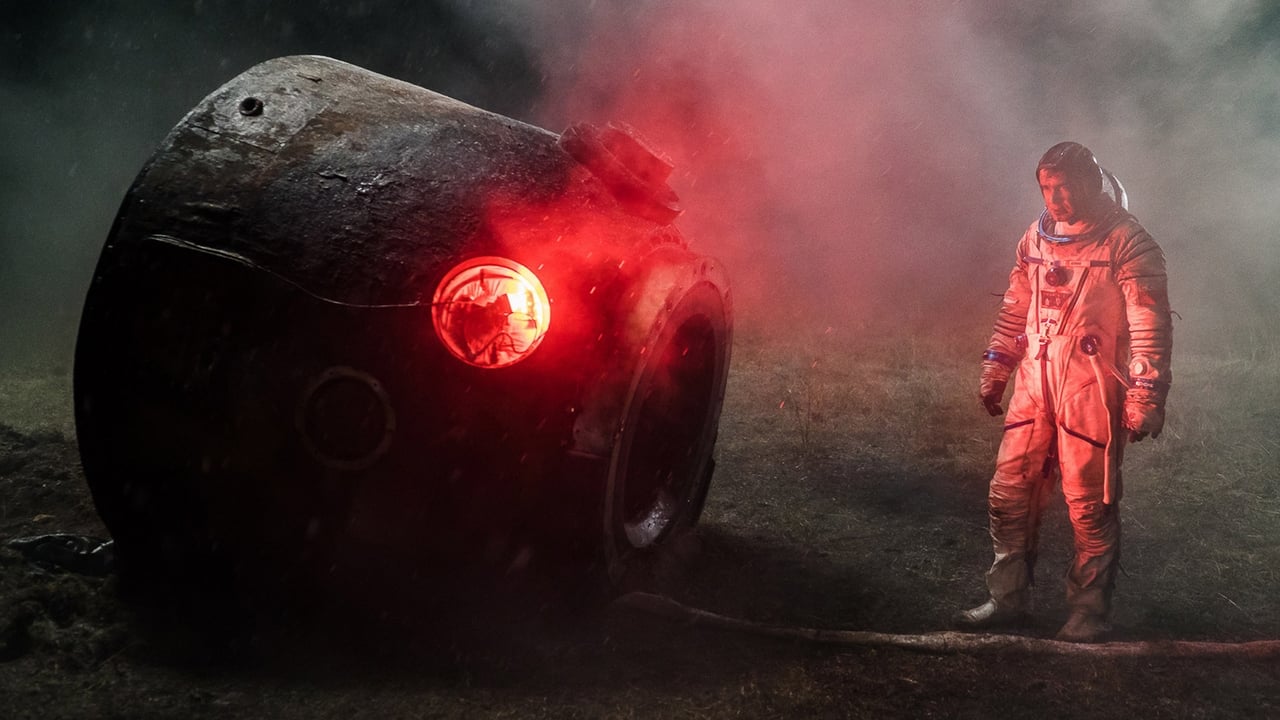
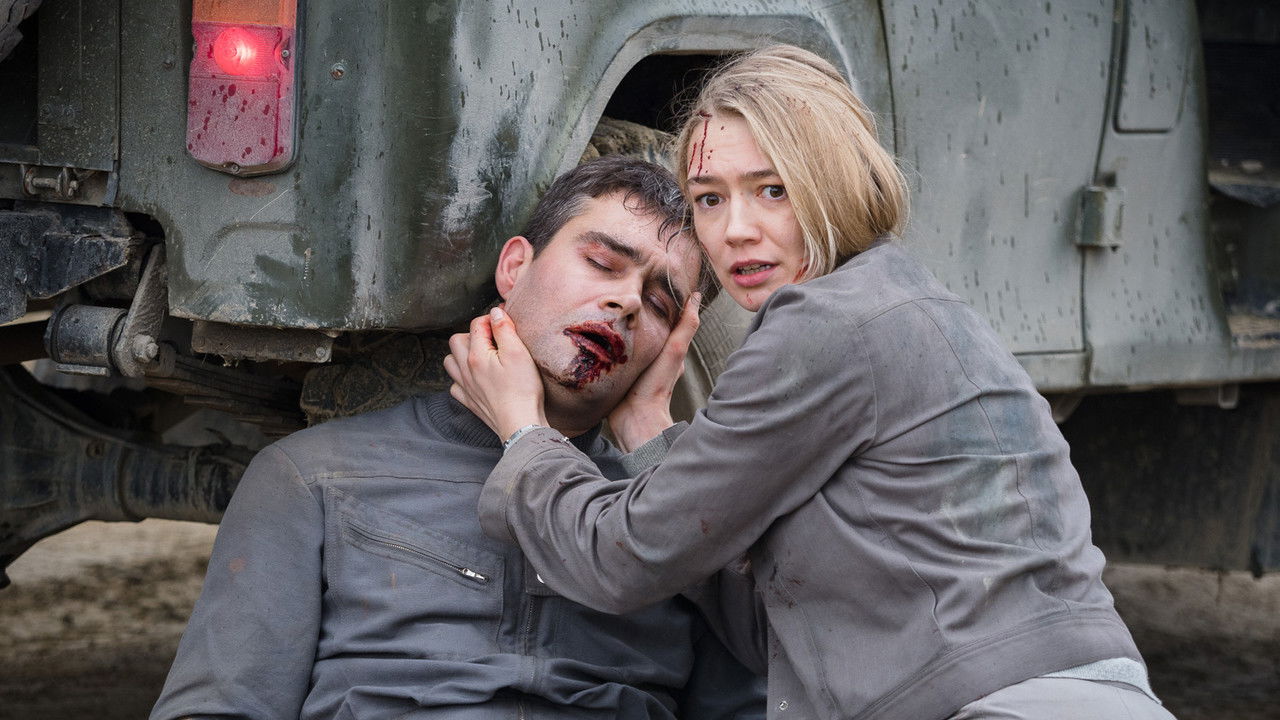
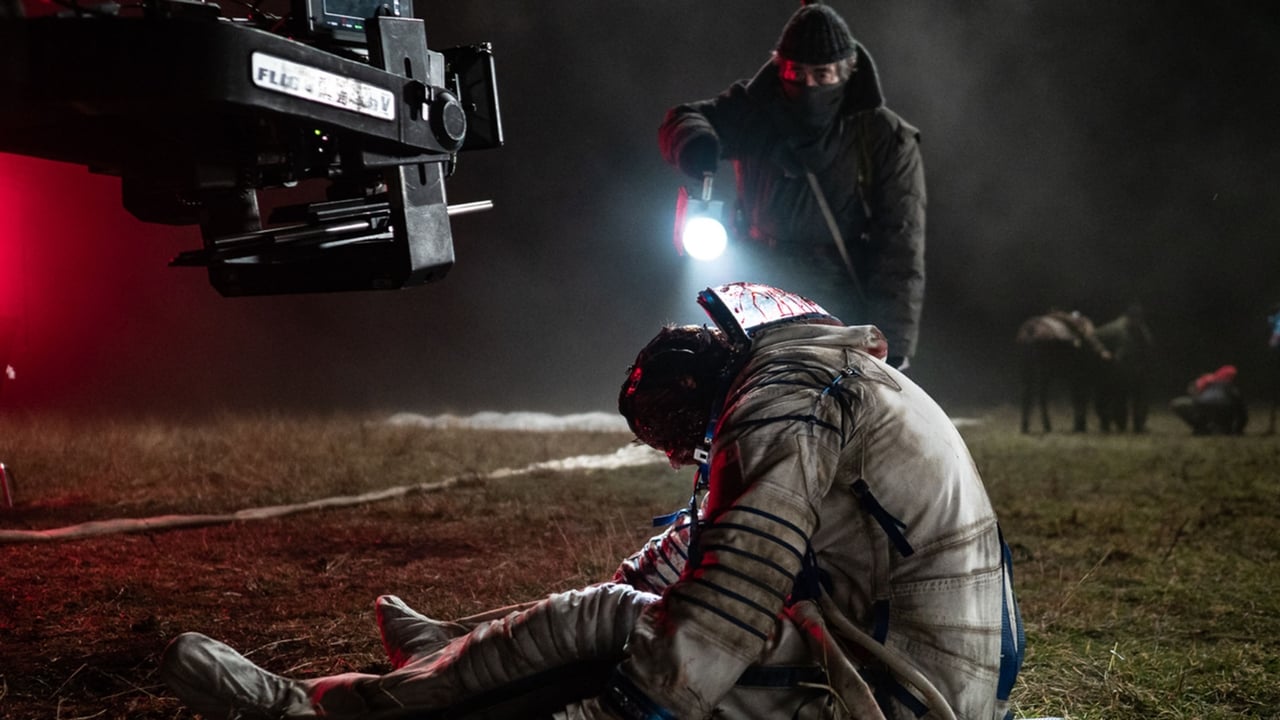
The setup is deliciously simple. Two cosmonauts are returning to Earth when something goes wrong. Only one, Konstantin (Pyotr Fyodorov), survives the landing, but he didn't come back alone. He’s brought back a hitchhiker—a slimy, translucent, multi-limbed nightmare that lives inside his esophagus and only comes out at night to stretch its legs and, you know, eat people.
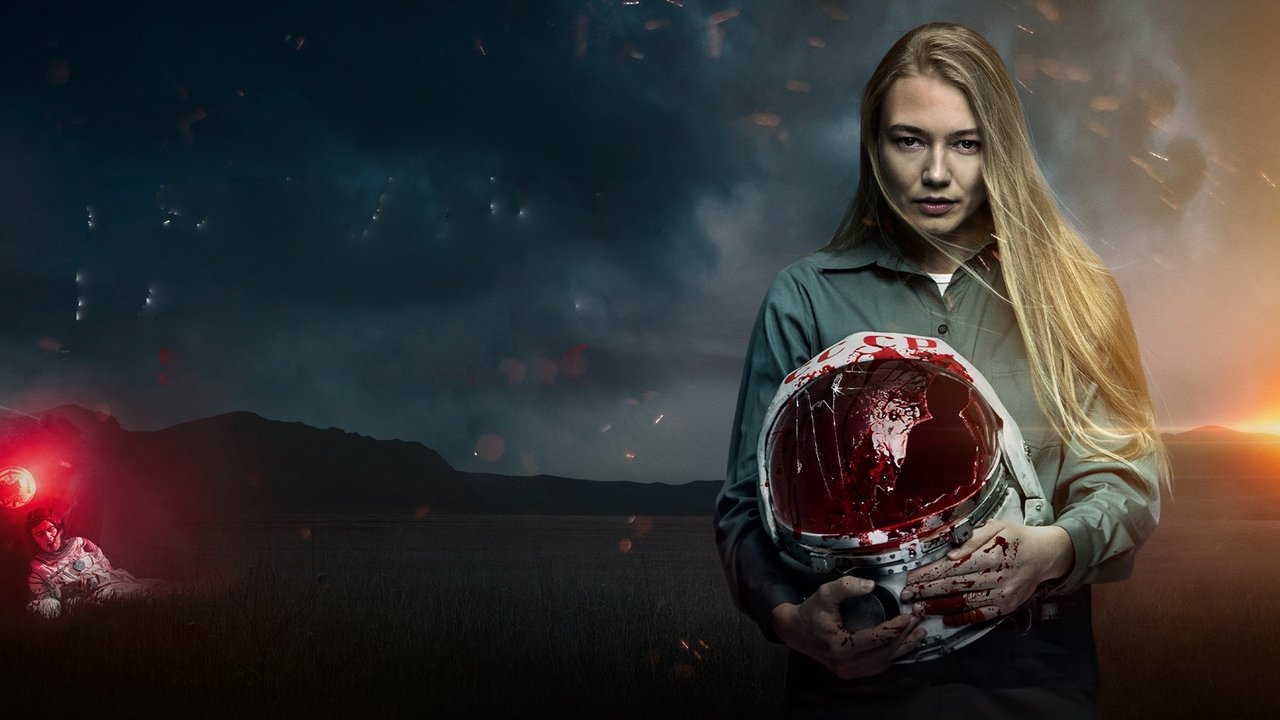
Enter Tatyana (Oksana Akinshina), a disgraced psychologist whose "unorthodox" methods (which mostly involve nearly drowning her patients to cure their PTSD) have made her a pariah. She’s recruited by the shadowy Colonel Semiradov (Fyodor Bondarchuk) to figure out how to separate the man from the monster.
What makes this work isn't just the "ew" factor—though the creature design is genuinely fantastic—it’s the psychological tug-of-war. Tatyana isn't your typical horror movie "final girl." She’s stern, deeply intelligent, and looks like she hasn't slept since the Brezhnev administration. Oksana Akinshina plays her with this wonderful, vibrating intensity that reminds me of her breakout role in Lilya 4-Ever (2002), just with more lab coats and less hope.
The $2.6 Million Miracle
Let’s talk about the budget for a second. Sputnik was made for roughly $2.6 million. In Hollywood terms, that’s basically what a major studio spends on the craft services table for a single week of a superhero shoot. Yet, director Egor Abramenko manages to make this look like a million bucks—or rather, a hundred million. The creature effects are a blend of CGI and practical-looking textures that feel heavy and wet. When the "guest" slithers out of Konstantin’s mouth, it doesn't look like pixels; it looks like something that would leave a stain on your carpet.
This film is a prime example of the "New Russian Cinema" we’ve been seeing lately—films like Hardcore Henry or The Last Warrior—where filmmakers are using limited resources to punch way above their weight class. Hollywood needs to stop spending $200 million on CGI slop when Russia is making this for the price of a studio's catering budget. By focusing on the claustrophobia of the research facility and the Cold War paranoia of the era, Abramenko hides his financial limitations behind a thick layer of atmosphere.
Horror in the Age of Streaming
Because Sputnik hit the West primarily through IFC Midnight and streaming services during the height of the pandemic, it missed the theatrical "event" status it deserved. But in a way, that’s how it should be watched. This is a lonely film. It deals with the ethics of sacrifice and whether a single life is worth the "progress" of a nation.
The trivia behind the scenes is just as scrappy as the film itself. The movie is actually an expansion of Egor Abramenko’s 2017 short film, The Passenger. It’s a classic indie success story: make a killer short, get the funding, and don’t let the suits ruin your vision. You can feel that auteur control in every frame. There’s no committee-driven humor here, no forced romantic subplot to appease a demographic. It’s just cold, hard sci-fi.
The creature’s biology is also a highlight. Usually, movie monsters are just hungry. This thing is an "obligatory symbiote." It needs Konstantin’s cortisol and adrenaline to survive. It’s a literal manifestation of the trauma of the state—a parasite that feeds on the stress of the individual. It’s smart, it’s gross, and it makes the Xenomorph look like a well-adjusted house pet.
If you’re tired of the "jump-scare-a-minute" formula that dominates modern Western horror, Sputnik is your antidote. It’s a slow-burn thriller that respects your intelligence and rewards your patience with some truly haunting imagery. Just maybe skip the snacks during the mid-movie medical exams; the sound design for the creature’s movement is a bit too effective for anyone with a sensitive stomach. It’s a testament to what independent international cinema can achieve when it stops trying to copy America and starts leaning into its own bleak, beautiful history.
Keep Exploring...
-

10 Cloverfield Lane
2016
-
A Quiet Place
2018
-
Black Mirror: Bandersnatch
2018
-
The Room
2019
-
Crimes of the Future
2022
-

Bone Tomahawk
2015
-
Circle
2015
-
Raw
2016
-
The Witch
2016
-
They Call Me Jeeg
2016
-

Attraction
2017
-
The Endless
2017
-
Climax
2018
-
Summer of 84
2018
-
The Platform
2019
-
Vivarium
2019
-
Invasion
2020
-
Possessor
2020
-
Run
2020
-

Speak No Evil
2022