Synchronic
"History has a lethal side effect."
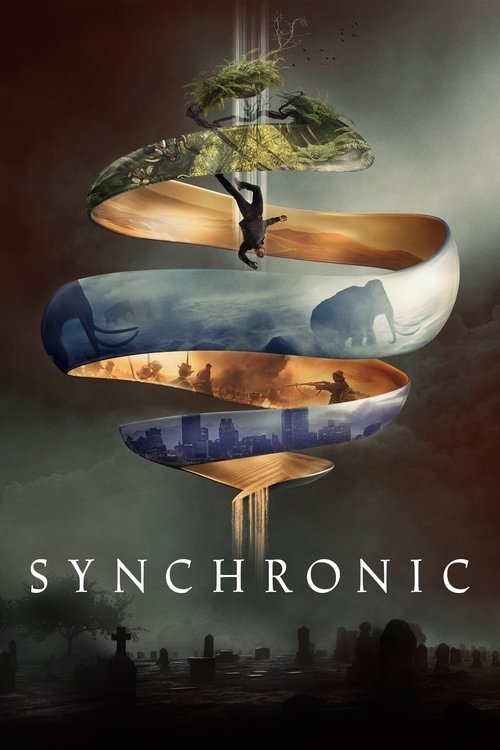
I remember exactly where I was when I first heard about Synchronic. It was mid-2020, the world felt like it was buffering indefinitely, and the traditional cinema experience had been replaced by a desperate scroll through VOD menus. At the time, I was obsessively tracking Aaron Moorhead and Justin Benson, the duo behind The Endless (2017). They represent a specific, exciting breed of contemporary filmmakers: the guys who do "big" ideas with small budgets, using high-concept sci-fi to probe very human anxieties. Watching this movie on a laptop while my neighbor loudly practiced the trombone was perhaps not the "theatrical experience" the directors intended, but the film's claustrophobic dread managed to drown out the brass anyway.
The Paramedic’s Guide to the Fourth Dimension
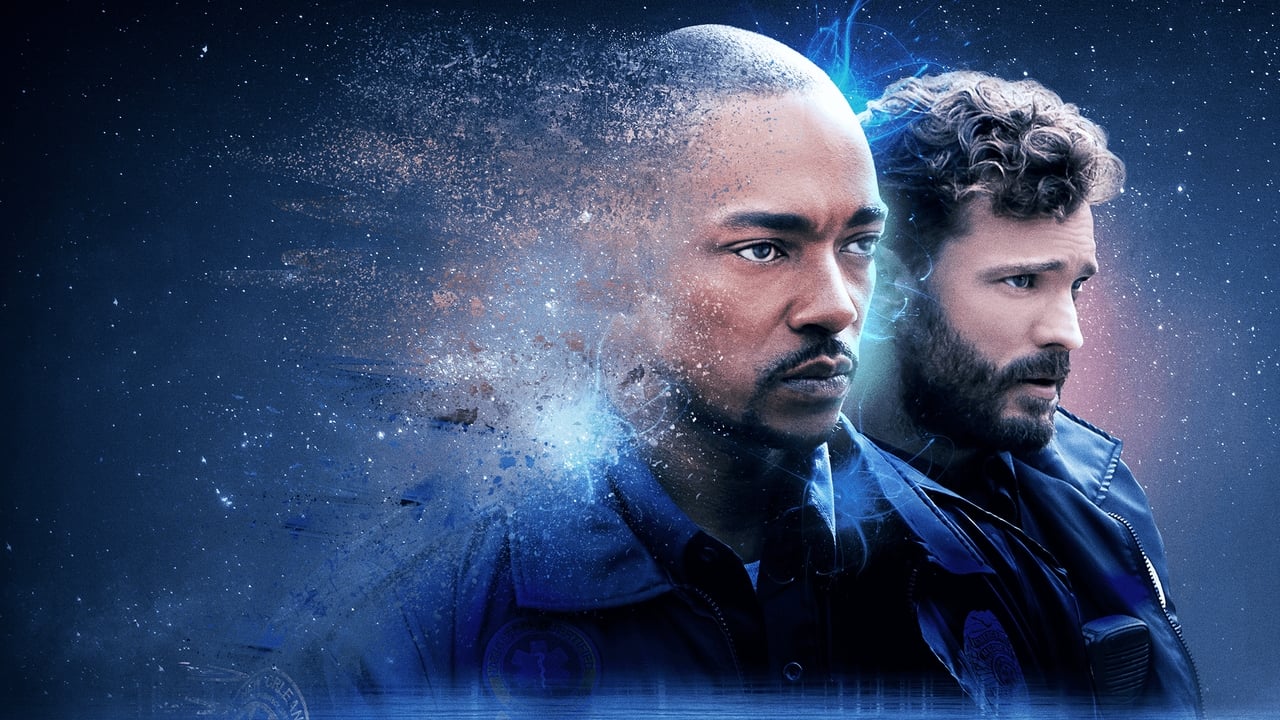
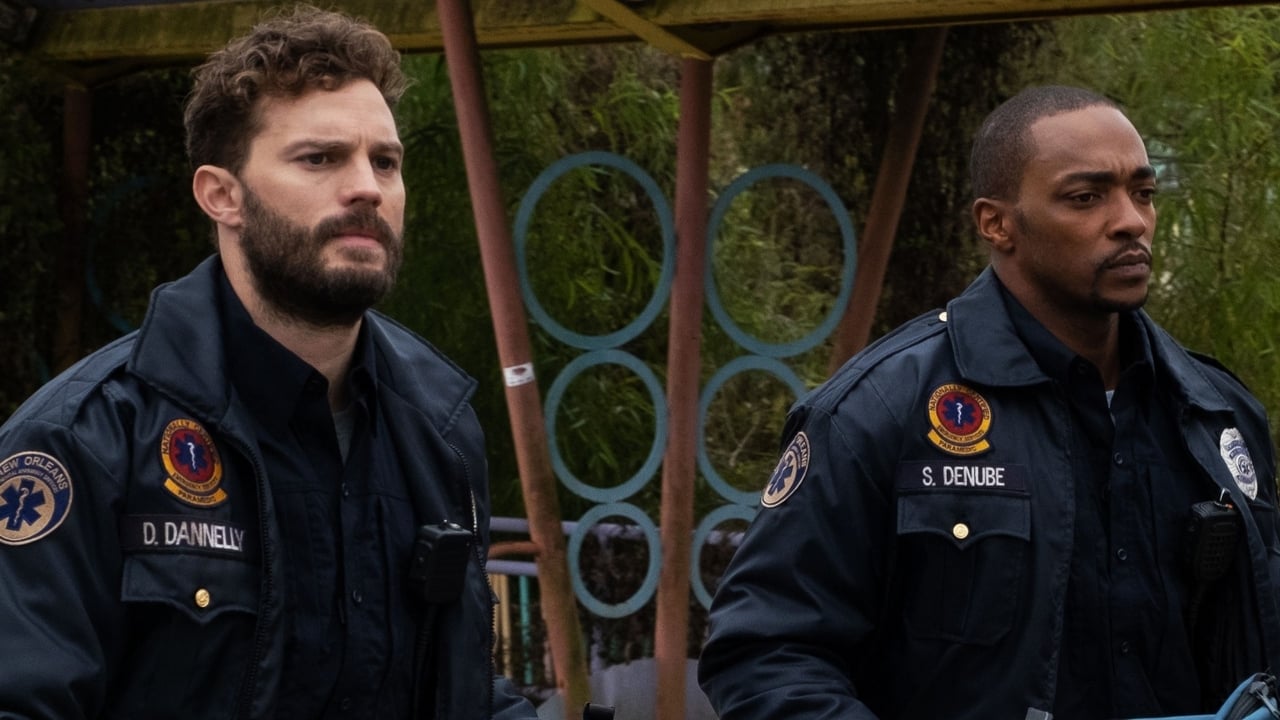
The film drops us into a New Orleans that feels lived-in, humid, and deeply unsettled. We follow Steve (Anthony Mackie) and Dennis (Jamie Dornan), two paramedics who are seeing things that shouldn't exist. We’re talking about "impossible" injuries: a sword wound in a modern hotel room, a snake bite from an extinct species, and people simply vanishing into thin air. The common thread? A designer drug called Synchronic.
What I love about the Moorhead and Benson approach is how they treat the "rules" of their universe. This isn't a sleek, shiny time-travel romp. It’s dirty. It’s dangerous. The screenplay by Justin Benson posits that time is like a record player; usually, the needle stays in the groove of the present, but this drug allows your brain to skip to a different track. However, if you’re an adult, you don't "visit" the past so much as you hover there like a ghost. If you’re a kid—with a still-calcifying pineal gland—you can actually get stuck. When Dennis’s daughter Brianna (Alexia Ioannides) disappears after taking the pill, the stakes shift from medical curiosity to a desperate, singular rescue mission.
Mackie, Dornan, and the Weight of the Present
In an era dominated by Anthony Mackie’s charisma in the Marvel Cinematic Universe (shoutout to The Falcon and the Winter Soldier), it is immensely refreshing to see him play someone so grounded and, frankly, tired. Steve is a man who receives a terminal diagnosis early in the film, and that shadow colors every decision he makes. He becomes the "test pilot" for the drug because, in his mind, he has the least to lose. Mackie carries the movie like he’s trying to apologize for the entire third act of Avengers: Endgame, offering a performance that is quiet, methodical, and deeply mournful.
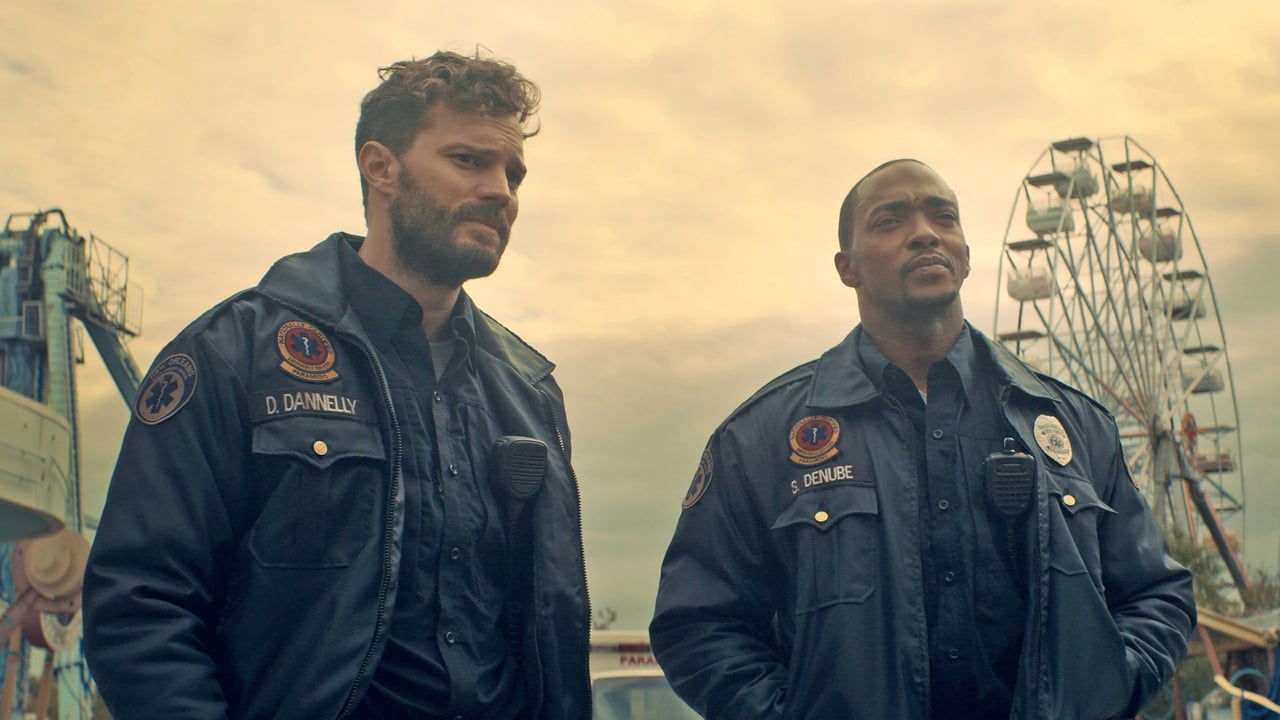
Jamie Dornan, moving further away from his Fifty Shades shadow, plays the "everyman" father with a believable layer of frantic incompetence. Their chemistry feels like a real friendship—one built on years of shared trauma in the back of an ambulance. The way they interact reminds me of how contemporary cinema is finally allowing male friendships to be messy and emotionally heavy without needing a joke to break the tension every ten seconds.
High Concept on a Practical Budget
Visually, Aaron Moorhead (acting as his own cinematographer) does something brilliant here. Instead of relying on the "LED Volume" tech or massive CGI landscapes we see in every Disney+ show, Synchronic uses New Orleans itself. The transitions between the present and the past—whether it’s a swampy prehistoric wasteland or a terrifying encounter with a Conquistador—feel tactile. There’s a scene involving a dog named Hawking (science pun intended) and a rock formation that is more tense than any $200 million blockbuster sequence I’ve seen lately.
The horror in Synchronic isn’t about jump scares; it’s about the existential terror of being a Black man traveling back to the American South. The film doesn't shy away from the fact that "the good old days" were only good for a very specific group of people. When Steve travels back, he isn't just worried about dinosaurs; he’s worried about the very real, very human monsters of the 1920s and the Colonial era. The drug logic is basically ‘Magic School Bus’ for people who have seen too many Gaspar Noé films, and it uses that premise to make a stinging point about how much "progress" is actually just a thin veneer over a brutal history.
Synchronic is a fascinating example of what happens when indie sensibilities meet a slightly larger budget. It’s not a perfect film—the third act feels a bit rushed, and the "villain" (the guy selling the drug) is more of a plot device than a character—but it has a soul. It’s a movie that respects your intelligence while trying to break your heart. If you missed this one during the 2020 shuffle, it’s time to sync up and give it a look.
Watching Steve map out the "landing spots" of the drug felt strangely relatable to my own pandemic-era attempts to organize my spice rack by "perceived heat"—a futile attempt to control a world that made no sense. Ultimately, the film works because it isn't really about the sci-fi; it's about the realization that the only time that actually matters is the one we’re currently wasting. It’s a somber, beautiful trip that proves you don't need a cape to be a hero; sometimes, you just need a pill and a very good reason to come home.

Keep Exploring...
-
The Endless
2017
-

Morgan
2016
-
Tau
2018
-
Color Out of Space
2020
-
The Long Walk
2025
-
Outside the Wire
2021
-

Elevation
2024
-
Oxygen
2021
-

Crimes of the Future
2022
-
The Platform 2
2024
-
Circle
2015
-
10 Cloverfield Lane
2016
-

Underworld: Blood Wars
2016
-

Alien: Covenant
2017
-
The Cloverfield Paradox
2018
-
A Quiet Place: Day One
2024
-

Subservience
2024
-

Companion
2025
-

Captain America: Brave New World
2025
-
Vivarium
2019