Tenet
"Yesterday is a bullet in the chamber."
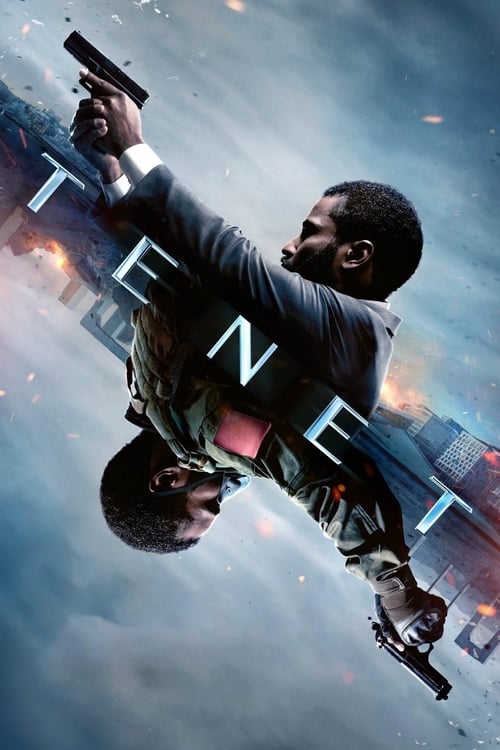
The summer of 2020 was a wasteland of delayed release dates and empty lobbies, a time when the very act of sitting in a dark room with strangers felt like a radical political statement. Into this vacuum stepped Christopher Nolan, essentially attempting to save the theatrical experience single-handedly with a film so dense it practically required a physics degree and a high-quality hearing aid. I remember walking into that nearly empty screening, clutching a bag of lukewarm pretzels that were so salty my tongue felt like it was retreating into the past, wondering if this was the movie to restart the world. It wasn't, but it was certainly the most expensive, aggressive, and fascinating logic puzzle ever committed to IMAX film.
The Physics of the Practical
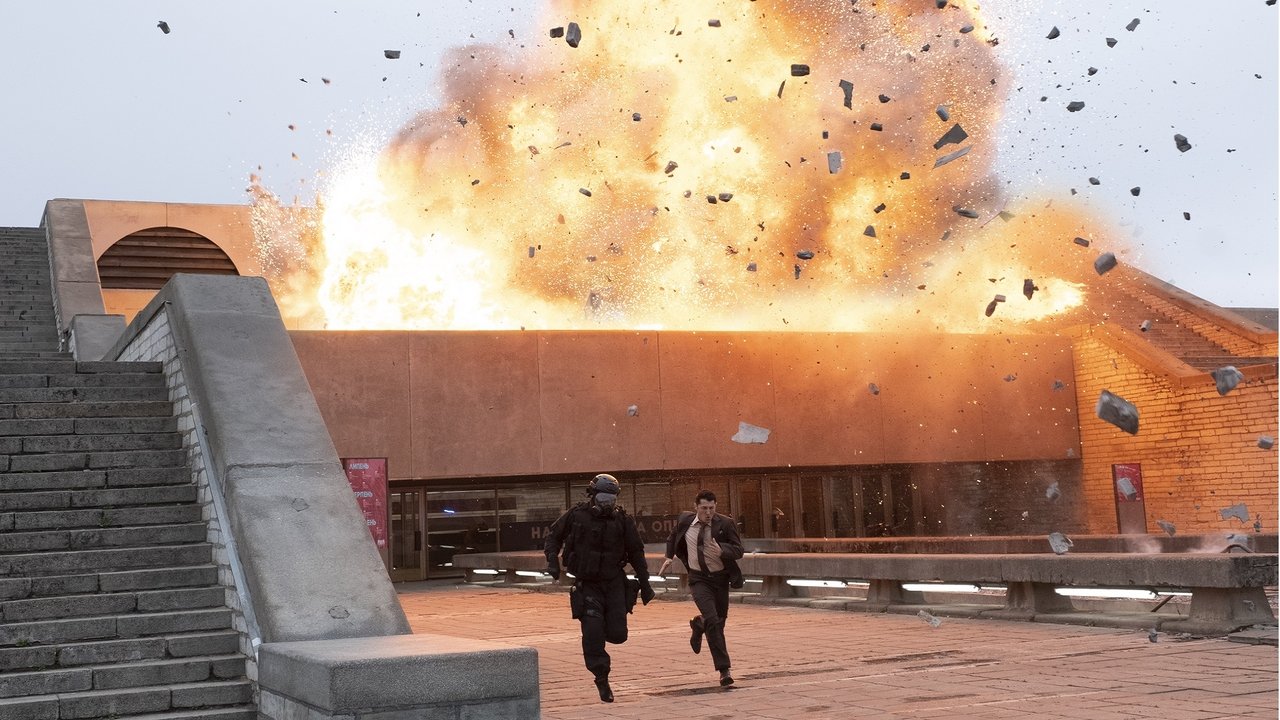
What strikes me most about Tenet now, away from the "savior of cinema" hype, is its absolute refusal to play by the rules of modern blockbusters. In an era where most action sequences are birthed in a computer and "The Volume," Nolan went the opposite direction. He bought a functioning Boeing 747 and crashed it into a real building because he found it was actually cheaper than building a digital model. That’s the kind of madness I can’t help but respect.
The action isn't just "big"—it’s mathematically perverse. The "temporal pincer movements" and the reverse-choreographed hand-to-hand combat are dizzying. Watching John David Washington (the Protagonist) fight a version of himself where one is moving forward in time and the other is inverted is a high-wire act of staging. Apparently, the stunt team had to learn how to move, breathe, and fight backward for months to make it look "real." It results in a film that is a puzzle box that occasionally forgets it needs to be a movie, yet the sheer scale of the practical execution is a rebuke to the weightless CGI slop we’ve become accustomed to in the franchise era.
Suit-and-Tie Espionage
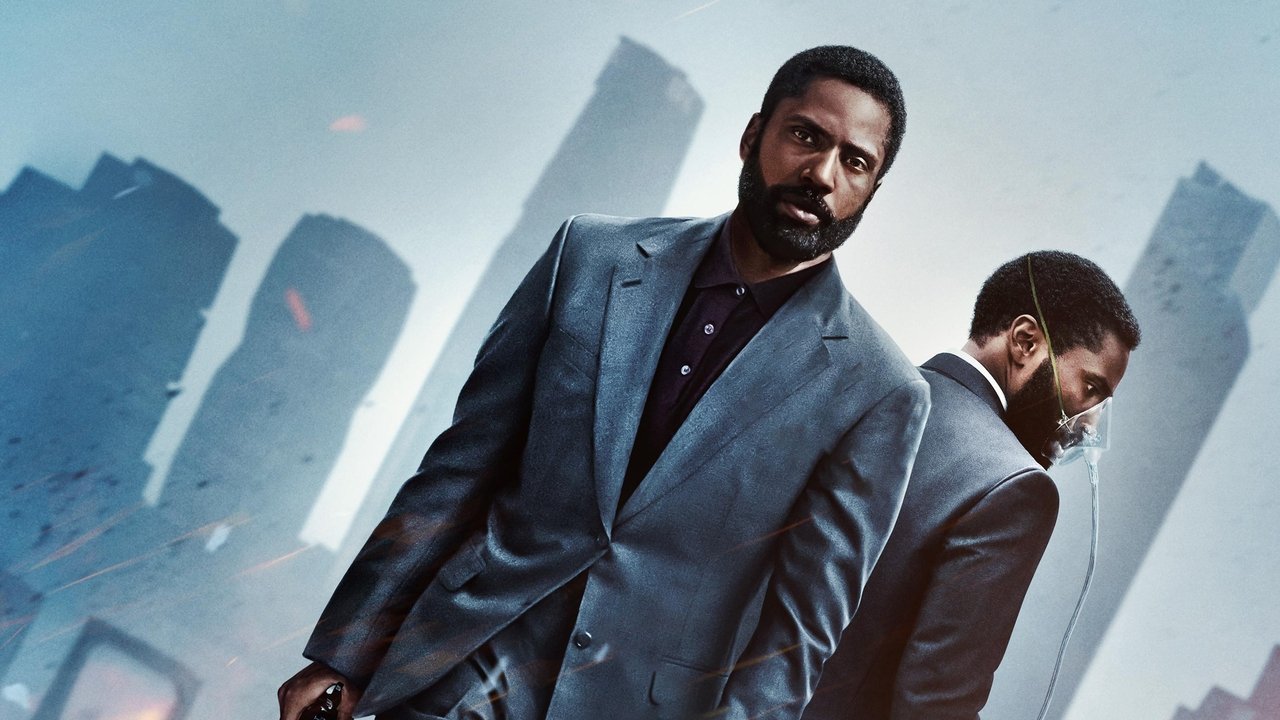
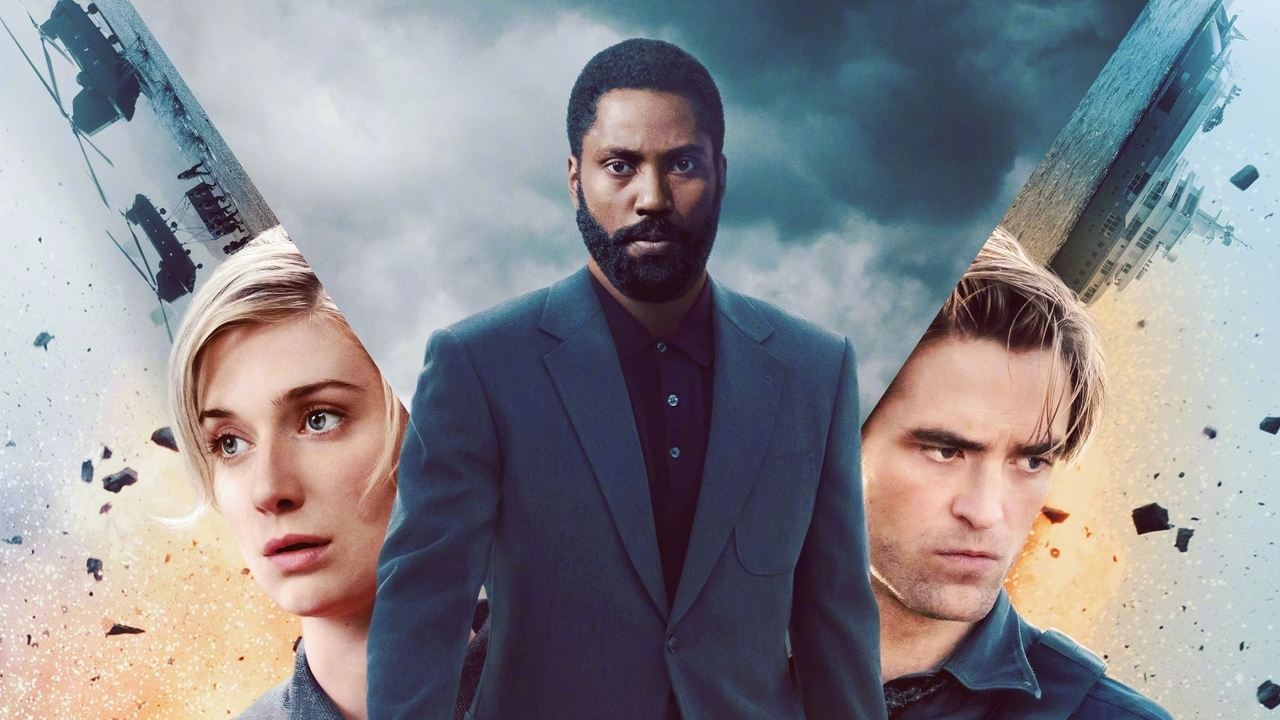
The film functions as a "Bond" movie viewed through a shattered mirror. John David Washington brings a cool, athletic stoicism to the lead, but the emotional anchor—if there is one—is Robert Pattinson as Neil. Pattinson is the only one who looks like he’s having any fun, leaning into a "charming drunk historian" vibe that suggests he knows exactly how this ends. He’s the soul of the film, which is vital because, let's be honest, Kenneth Branagh’s Sator is a bit of a cartoon. Branagh goes full Russian-villain-with-a-death-wish, and while his intensity matches the film’s grim tone, he lacks the nuance of Nolan’s better antagonists.
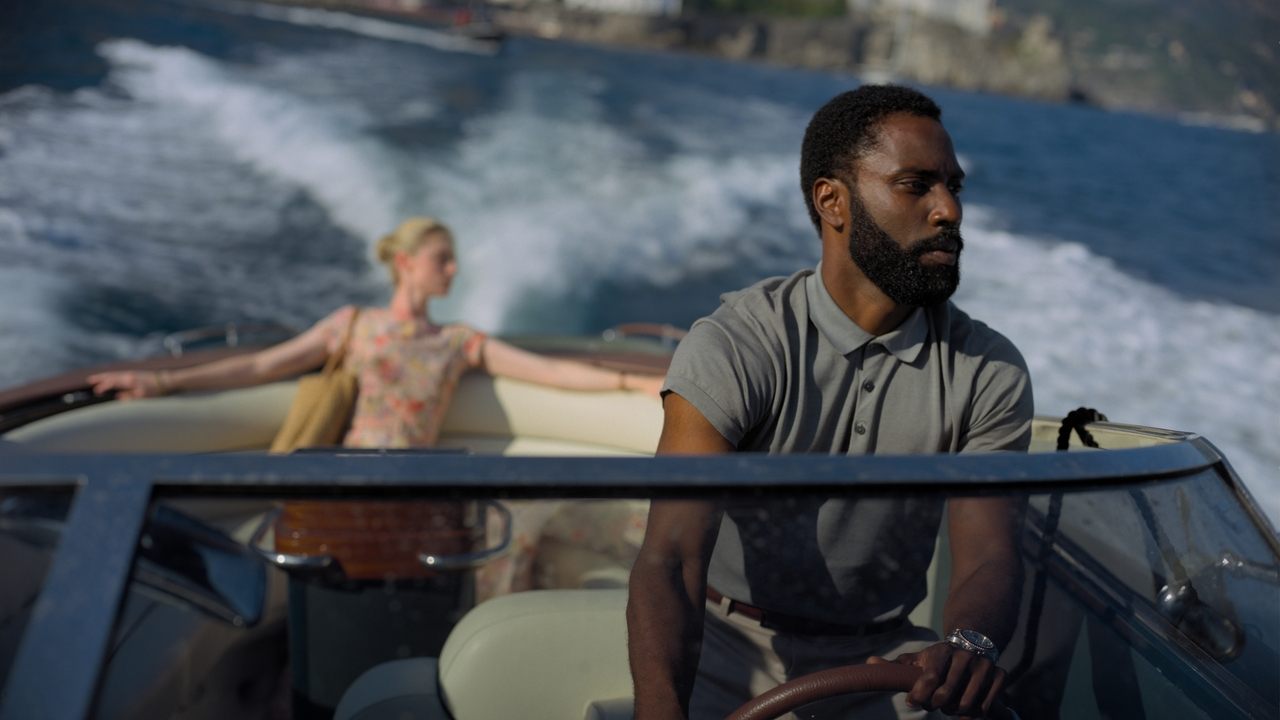
Then there is Elizabeth Debicki as Kat. In a film about grand concepts like entropy and the end of the world, she is tasked with providing the human stakes. While she’s a towering presence—literally and figuratively—the script often strands her in the "distressed mother" trope. Still, there’s a cold beauty to Hoyte van Hoytema’s cinematography that frames these characters like statues in a museum of the future. The film is obsessed with the aesthetics of wealth—sailing yachts, freeports, and perfectly tailored suits—which makes the eventual descent into a dusty, bombed-out Soviet wasteland feel even more jarring.
The Wall of Sound
We have to talk about the sound. When Tenet hit theaters, the primary social media discourse wasn't about the plot—it was about the fact that nobody could hear the dialogue over Ludwig Göransson’s bone-rattling score. Nolan basically treated the sound mix like a structural assault, layering heavy synth-beats and jet engines over crucial exposition. While it’s frustrating if you’re trying to follow the "why" of the plot, it’s strangely effective if you follow the "feel" of it.
The movie is a palindrome, much like its title and the "Sator Square" it’s based on (a 2,000-year-old word square found in Pompeii containing the words Sator, Arepo, Tenet, Opera, and Rotas—all of which appear in the film). It’s an obsessive, circular piece of art. It’s also the loudest movie ever made about people talking in hushed tones behind gas masks. But in an age of streaming-friendly, flatly lit content, there is something thrilling about a director who demands you pay attention with every sense, even if he’s actively trying to burst your eardrums.
Stuff You Might Have Missed
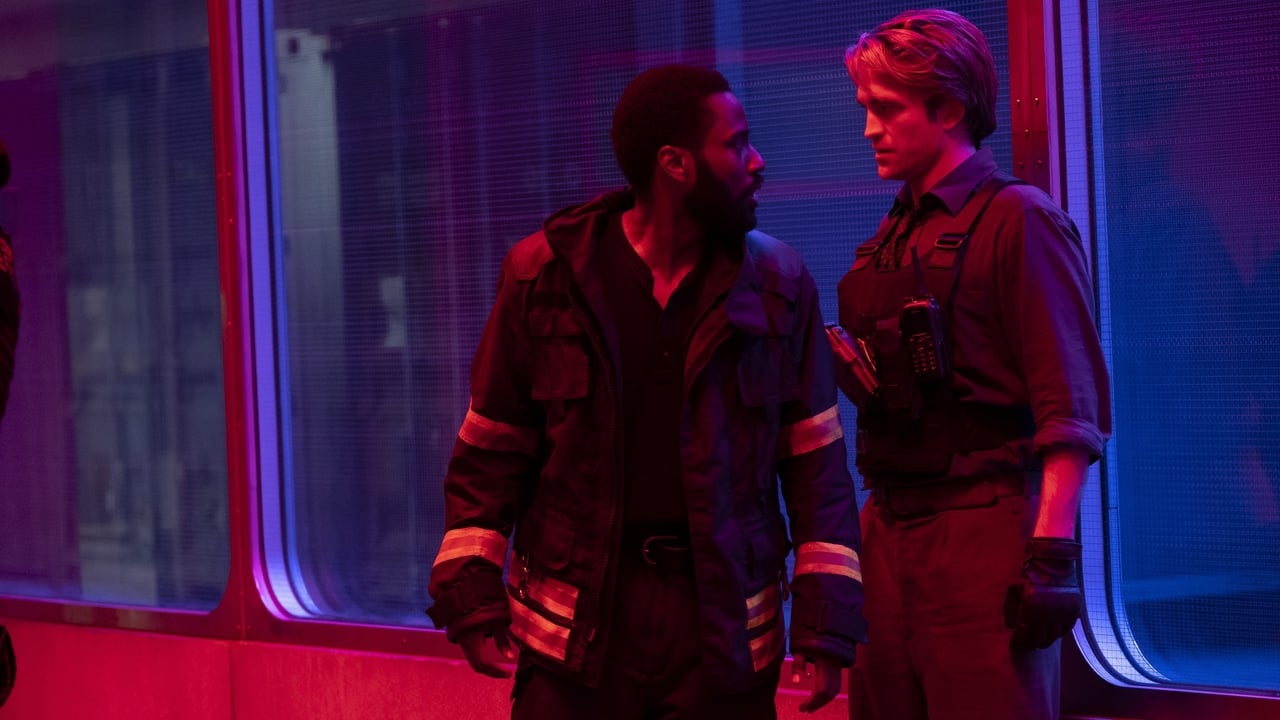
Zero Green Screen: Despite being a high-concept sci-fi epic, the film famously contains fewer than 300 VFX shots—fewer than most romantic comedies. Almost everything you see was captured in-camera. The 747 Hack: The production realized that buying an old plane and crashing it was actually more cost-effective than using CGI, which says a lot about the state of practical effects today. The Red/Blue Guide: If you’re lost, look at the lighting. Red usually signifies forward time, while Blue signifies inversion. It’s the film’s only concession to the audience’s sanity. The Ending is the Beginning: Neil’s orange thread on his backpack is the key to tracking his journey through the timeline—look for it in the opening opera house sequence. * Michael Caine’s Cameo: This was Michael Caine's eighth collaboration with Nolan, and he famously admitted he had "no idea" what the movie was about after reading the script.
Tenet is a cold, brilliant, and occasionally alienating piece of work that rewards repeat viewings and punishes casual distraction. It stands as a monument to a specific moment in cinema history—the point where the biggest director in the world tried to outrun a pandemic with a film about running backward. It might not have the heart of Inception or the emotional payoff of Interstellar, but as a pure display of technical bravado, it is singular. It’s a movie that asks you not to understand it, but to experience the roar of its engines, and for me, that was enough.
Keep Exploring...
-
Dunkirk
2017
-

Prey
2022
-
What Happened to Monday
2017
-
Greenland
2020
-
Maze Runner: The Death Cure
2018
-
Gemini Man
2019
-
Terminator: Dark Fate
2019
-

The Dark Knight Rises
2012
-
Batman vs. Robin
2015
-

M3GAN 2.0
2025
-

Predator: Killer of Killers
2025
-

Batman Begins
2005
-
13 Hours: The Secret Soldiers of Benghazi
2016
-
Extraction
2020
-
Extraction 2
2023
-
Fast X
2023
-
Guy Ritchie's The Covenant
2023
-
Mission: Impossible - Dead Reckoning Part One
2023
-

The Creator
2023
-
The Equalizer 3
2023