The Babysitter: Killer Queen
"High school is hell, but the cult is worse."
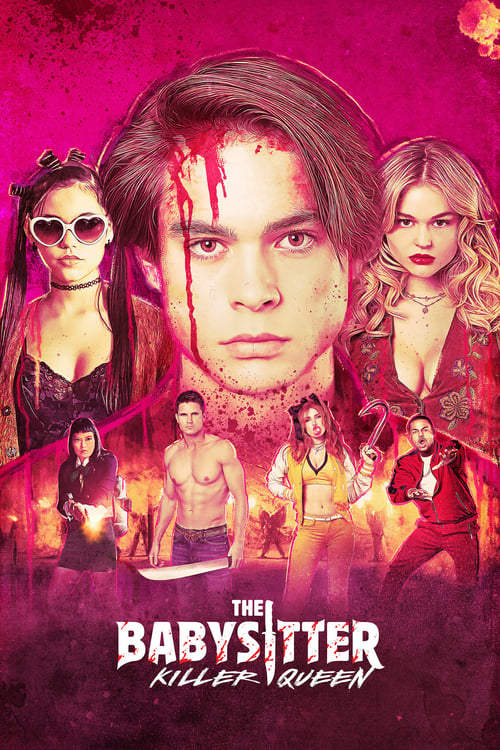
I watched this movie while wearing a pair of mismatched socks because I couldn't find the laundry basket in the dark, and honestly, the chaotic energy of my feet matched the film perfectly. There’s something specifically "2020" about The Babysitter: Killer Queen. It dropped on Netflix right when we were all climbing the walls, desperate for a distraction that didn't involve checking the news, and McG—a director whose style is best described as "hyperactive music video on a sugar rush"—delivered exactly that.
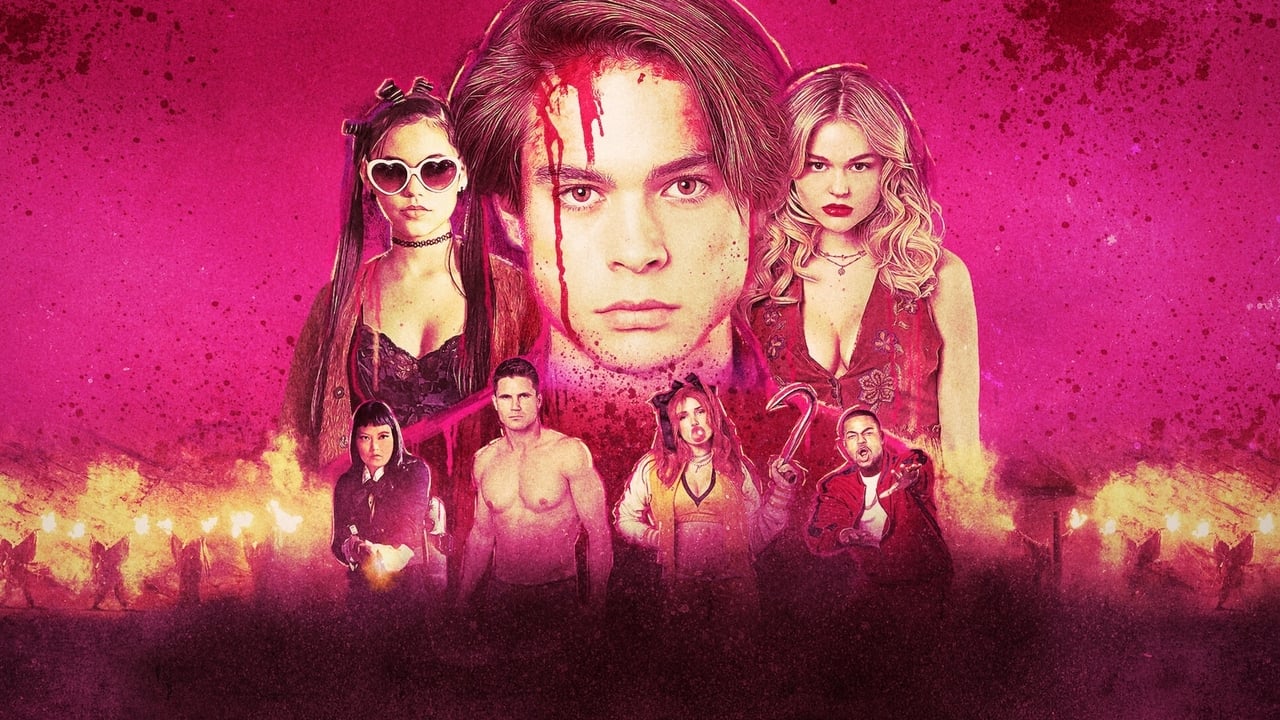
It’s a sequel that operates on the logic of a heavy metal cover song: it’s louder, faster, and significantly messier than the original. Two years after Cole (Judah Lewis) survived a literal satanic ritual in his living room, he’s found that surviving high school is its own brand of torture. Nobody believes his story about the blood-drinking cult; they just think he’s the kid who had a psychotic break and hallucinated a babysitter-led massacre. Enter the "Streaming Era" sequel tropes: bigger set pieces, returning fan-favorites, and a new girl who might be just as weird as our protagonist.
The McG Aesthetic: Maximum Everything
If you’ve seen the first film, or even McG’s earlier work like Charlie’s Angels (2000), you know the drill. This isn't a "slow-burn" horror movie. It doesn't want to haunt your dreams; it wants to vibrate your retinas. The screen is frequently plastered with giant floating text, comic-book-style freeze frames, and blood-spurts that look like they were rendered by a teenager on three cans of Monster Energy.
The cinematography by Scott Henriksen leans heavily into the saturated, neon-drenched look that has become the hallmark of the contemporary Netflix "content" aesthetic. It’s glossy, it’s expensive-looking, and it’s unapologetically loud. While some might find the constant pop-culture references and meta-commentary exhausting, I found it strangely endearing. It’s a movie that knows it’s a sequel and decides to lean into the absurdity rather than trying to out-scare its predecessor. The score by Bear McCreary (who has become the go-to guy for making genre films sound epic) adds a layer of "big-budget" legitimacy to what is essentially a glorified slasher comedy.
A Pre-Wednesday World
One of the most fascinating things about revisiting Killer Queen now is seeing Jenna Ortega as Phoebe Atwell. This was filmed before she became the undisputed queen of Gen-Z horror via Scream and Wednesday. Even back in 2020, she had that "final girl" magnetism. She plays the new girl at school with a dark secret, and her chemistry with Judah Lewis provides the only real emotional groundedness in a movie where people are frequently exploding.
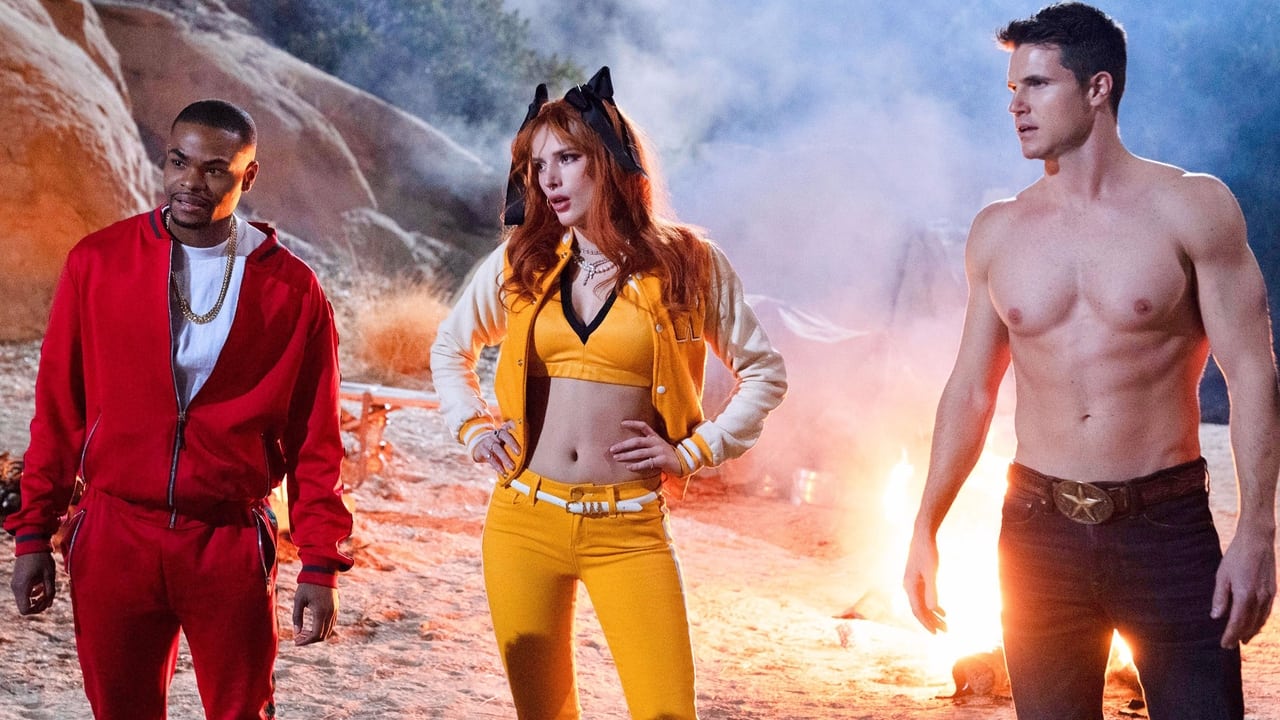
Judah Lewis does a great job evolving Cole from the shivering kid of the first film into a capable, if still perpetually panicked, survivor. But let’s be honest: we’re all here for the cult. The decision to bring back the original villains—Robbie Amell, Bella Thorne, Andrew Bachelor, and Emily Alyn Lind—was a stroke of genius. Robbie Amell as Max is a particular standout; he spends the entire movie shirtless, screaming motivational advice at Cole while simultaneously trying to murder him. It’s a hilarious subversion of the slasher villain trope, treating the "killer/victim" relationship like a toxic but supportive gym-bro friendship.
Andrew Bachelor (King Bach) also brings that rapid-fire comedic energy that defined the late Vine/early TikTok era, which fits the film’s frantic pacing like a glove. It’s a testament to the cast's charisma that you actually enjoy hanging out with these narcissistic lunatics again.
Practical Splatter vs. Digital Chaos
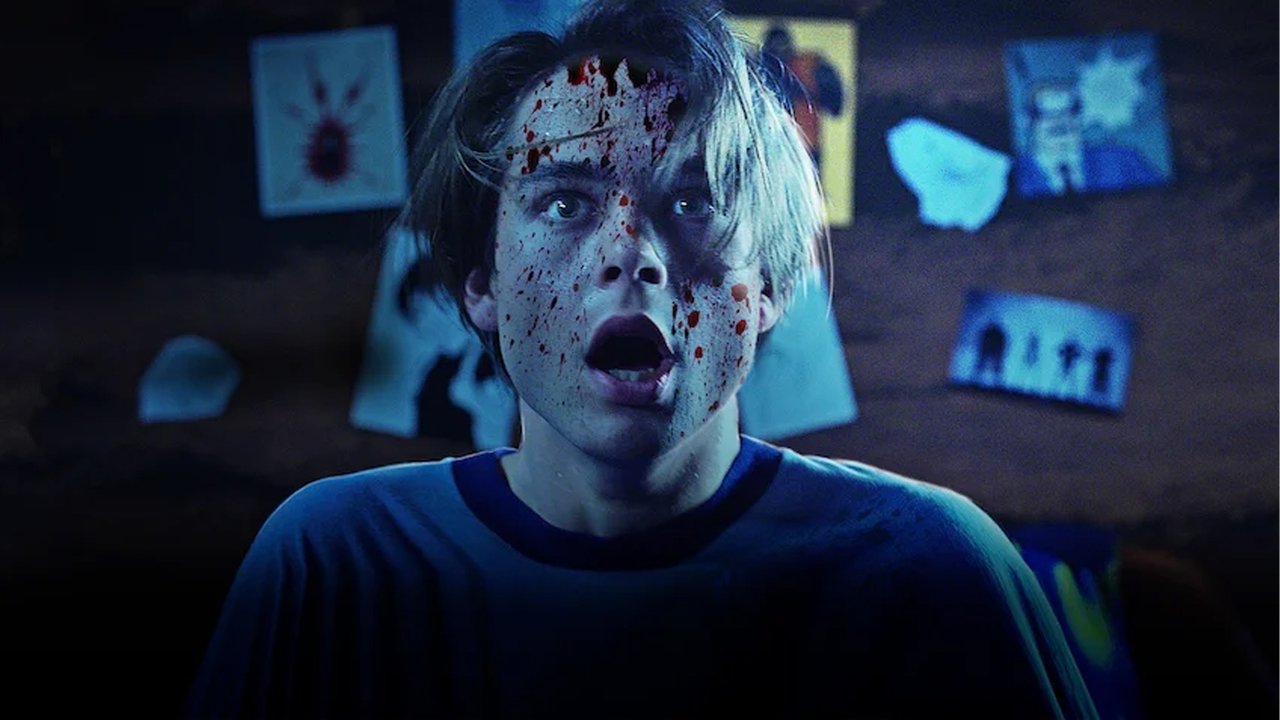
In the world of contemporary horror, there’s a constant battle between practical effects and CGI. Killer Queen uses a bit of both, but it definitely favors the "geyser of blood" approach. The deaths are creative, over-the-top, and often lean into the Looney Tunes school of physics. There’s a scene involving a jet ski and a very unfortunate decapitation that feels like a direct middle finger to the laws of biology.
The film also serves as a time capsule for the 2015-present era of filmmaking where "Representation" started moving from a checkbox to a substantive part of the narrative. The film mocks the "woke" posturing of some characters while actually featuring a more diverse and capable cast than your average 80s slasher. It’s self-aware enough to know when it’s being ridiculous, which is a necessary trait for a movie involving a satanic book made of skin.
Apparently, the production had to move fast to keep the "teenage" cast looking like teenagers, as Judah Lewis was hitting a growth spurt that threatened to make him look older than his babysitter. This sense of urgency translates to the screen—the movie never stays in one place for more than five minutes, jumping from a high-school party to a desert lake to a series of increasingly elaborate traps.
The Babysitter: Killer Queen isn't going to redefine the genre, and it lacks the tight, "contained nightmare" feeling of the first one. It’s a legacy sequel that functions more like a victory lap for the cast. However, if you’re looking for a flick that pairs well with a Friday night and zero expectations, this is a loud, bloody, and surprisingly sweet ride. It’s a reminder that even in an era of franchise fatigue, sometimes it’s just fun to watch a shirtless Robbie Amell tackle someone into a bonfire. If you enjoyed the first one, you’ll find enough here to justify the 101-minute runtime, even if it feels like the movie is shouting at you the whole time.

Keep Exploring...
-
The Babysitter
2017
-
Rim of the World
2019
-
Assassination Nation
2018
-
The Final Girls
2015
-
Little Evil
2017
-
Goosebumps 2: Haunted Halloween
2018
-
Scooby-Doo! Return to Zombie Island
2019
-
Freaky
2020
-
Hubie Halloween
2020
-
Totally Killer
2023
-
The Monkey
2025
-
Better Watch Out
2017
-
The Bar
2017
-
The House
2022
-
Goosebumps
2015
-
Beetlejuice Beetlejuice
2024
-

Uglies
2024
-
Alvin and the Chipmunks: The Road Chip
2015
-
Hidden
2015
-
Krampus
2015