The Call
"Your past is calling. Do not pick up."
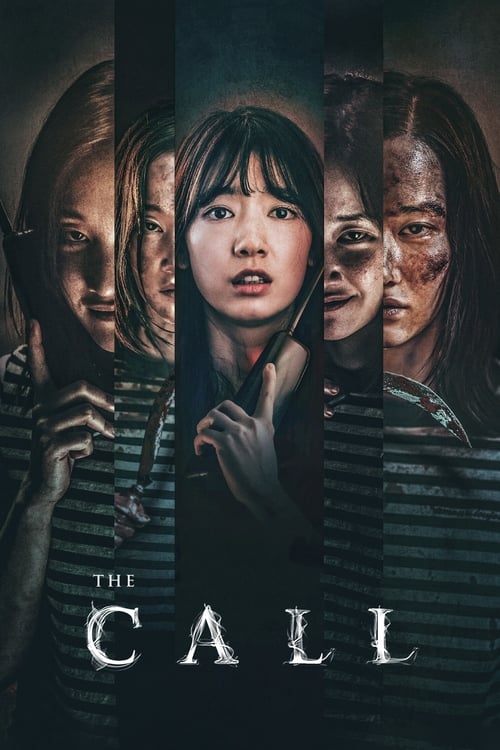
The sound of a landline ringing in an empty house shouldn't feel like a death sentence, but in Lee Chung-hyun’s The Call, it’s the definitive knell of doom. I remember watching this for the first time while nursing a lukewarm cup of instant coffee that I’d accidentally oversugared—that cloying, artificial sweetness was the only thing grounding me as the film’s tension began to squeeze the air out of my living room. It’s a rare feat when a movie makes you want to reach through the screen and rip the phone cord out of the wall, not because the characters are stupid, but because the inevitability of their suffering is so palpable.
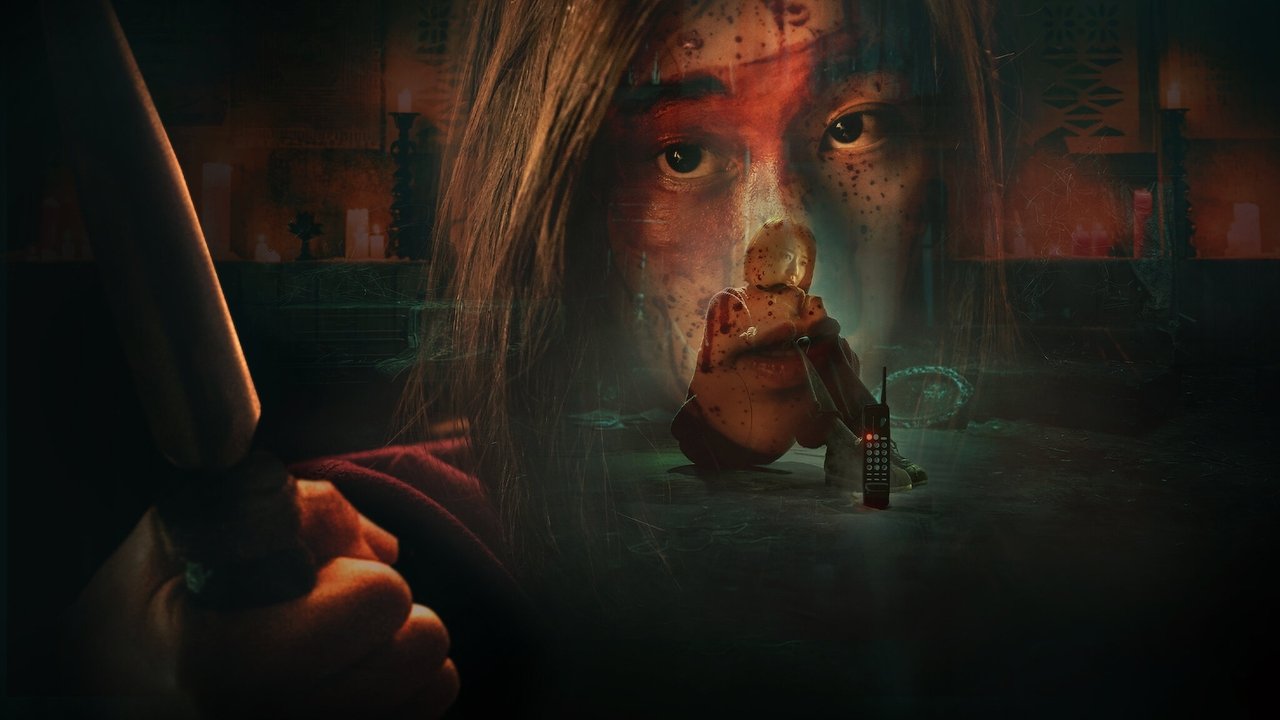
Released in late 2020 as a Netflix original, The Call arrived at a moment when South Korean cinema was basking in the global afterglow of Parasite. But where Bong Joon-ho gave us a surgical social satire, Lee Chung-hyun delivers a jagged, relentless nightmare that plays with time like a cat batting around a half-dead mouse. It’s a "butterfly effect" thriller that skips the whimsical "what-if" scenarios and goes straight for the jugular, proving that the only thing more dangerous than a serial killer is a serial killer with a twenty-year head start on your timeline.
A Cordless Tether Across Decades
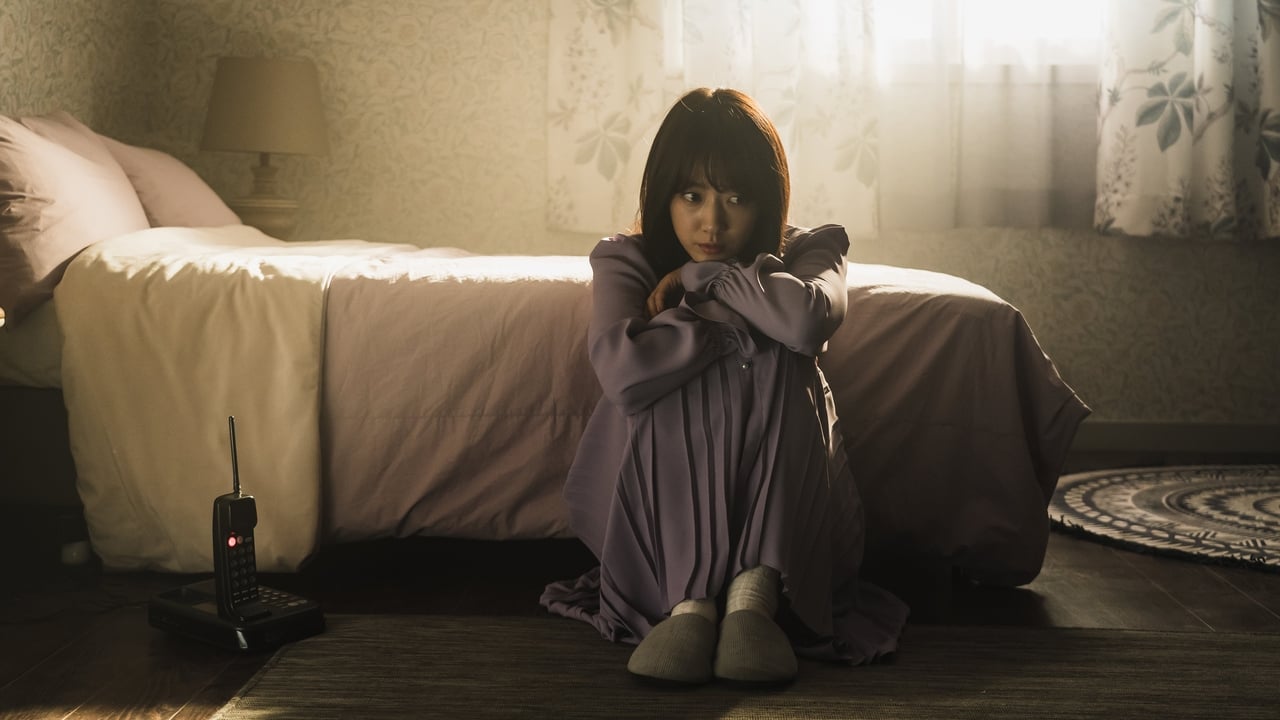
The premise is deceptively simple: Seo-yeon (Park Shin-hye) returns to her childhood home in 2019 and finds an old cordless phone. She starts receiving calls from Young-sook (Jun Jong-seo), a girl who is living in the same house—but in the year 1999. Initially, they form a bond born of isolation, sharing tips about the future and the past. Then, they decide to play God. Young-sook prevents a tragedy in Seo-yeon’s past, and suddenly, Seo-yeon’s 2019 reality shifts from a drab, mournful existence to one of domestic bliss.
But as any student of sci-fi knows, the universe doesn't take kindly to being re-edited. I’ve seen my share of time-travel tropes, but Lee Chung-hyun handles the transitions with a cruel, modern efficiency. There’s no swirling vortex or flashing lights; instead, the walls of the house literally peel and rot or bloom into life around Seo-yeon in real-time. It’s a brilliant use of the streaming era’s penchant for high-concept visuals, where the CGI serves the oppressive atmosphere rather than just filling a spectacle quota. If you think your family reunions are awkward, try having one where your father’s existence depends on the whims of a psychopath in the 90s.
The Birth of a New Horror Icon
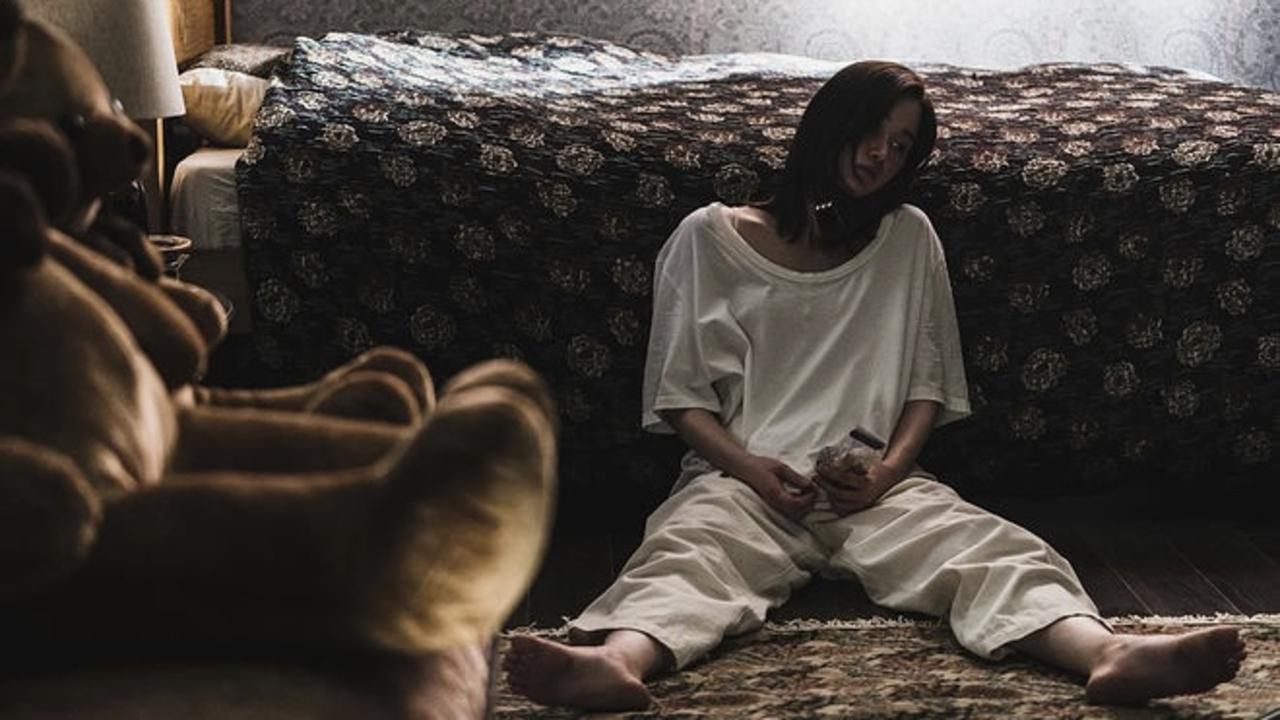
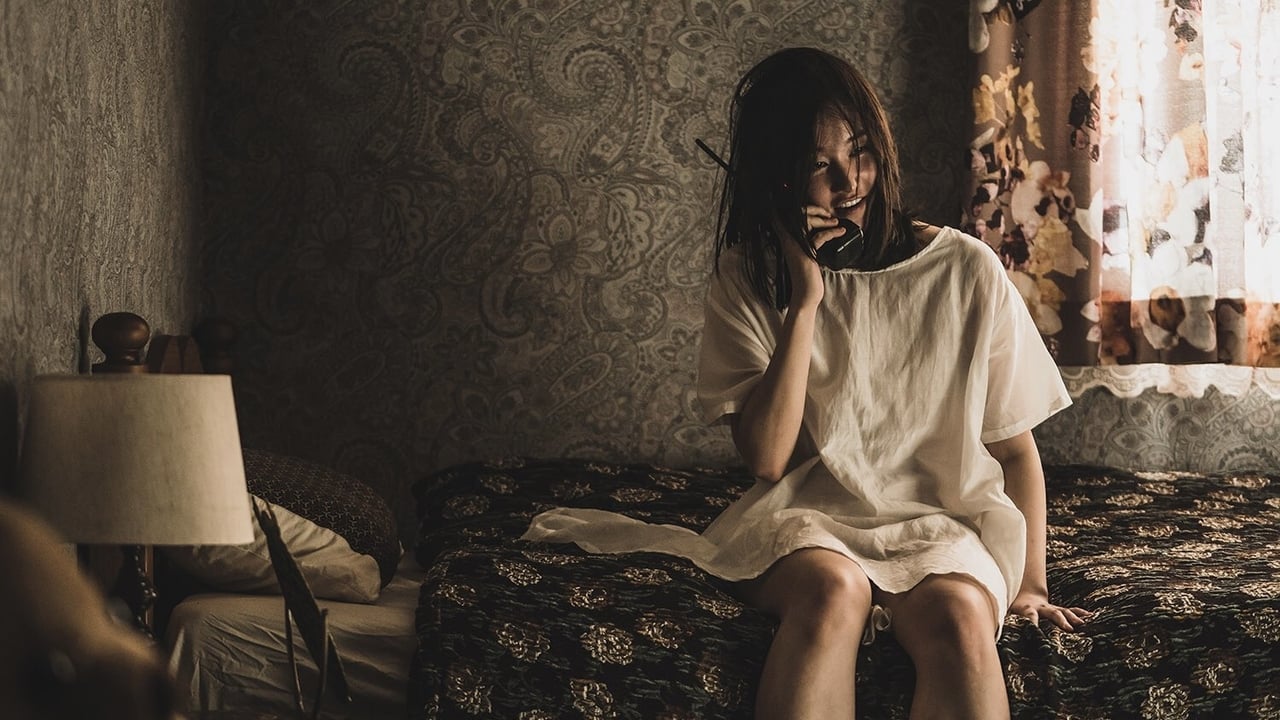
While Park Shin-hye (known for Miracle in Cell No. 7 and the zombie flick #Alive) does a fantastic job as the crumbling emotional anchor of the film, this movie belongs entirely to Jun Jong-seo. This was only her second major role after her breakout in Lee Chang-dong’s Burning, and she is utterly terrifying. She captures the evolution of Young-sook from a repressed victim of her Shaman mother (Lee El) to a liberated, bloodthirsty force of nature.
The way she eats fried chicken in one scene—manic, desperate, and oddly feral—told me everything I needed to know about her character’s fractured psyche. It’s one of those performances that feels dangerous to watch, like the film itself might catch fire. Jun Jong-seo doesn’t just play a villain; she plays a woman who has realized that time is her playground and she’s the only one with the shovel. Her performance is a masterclass in how to be intimidating while wearing a baggy sweater and holding a clunky 90s handset.
A House That Remembers Everything
The production design here deserves its own award. Because the entire film is essentially a chamber piece confined to one property, the house becomes a living character. We see it change from a Shamanic prison filled with talismans to a bright, wealthy estate, and finally into a grimy, industrial slaughterhouse. This reflects the "virtual production" sensibilities of modern cinema, where the environment is as malleable as the script. Interestingly, the film is actually a remake of a 2011 British-Puerto Rican film called The Caller, but Lee and co-writer Kang Sun-ju have injected it with a specifically Korean brand of bleakness.
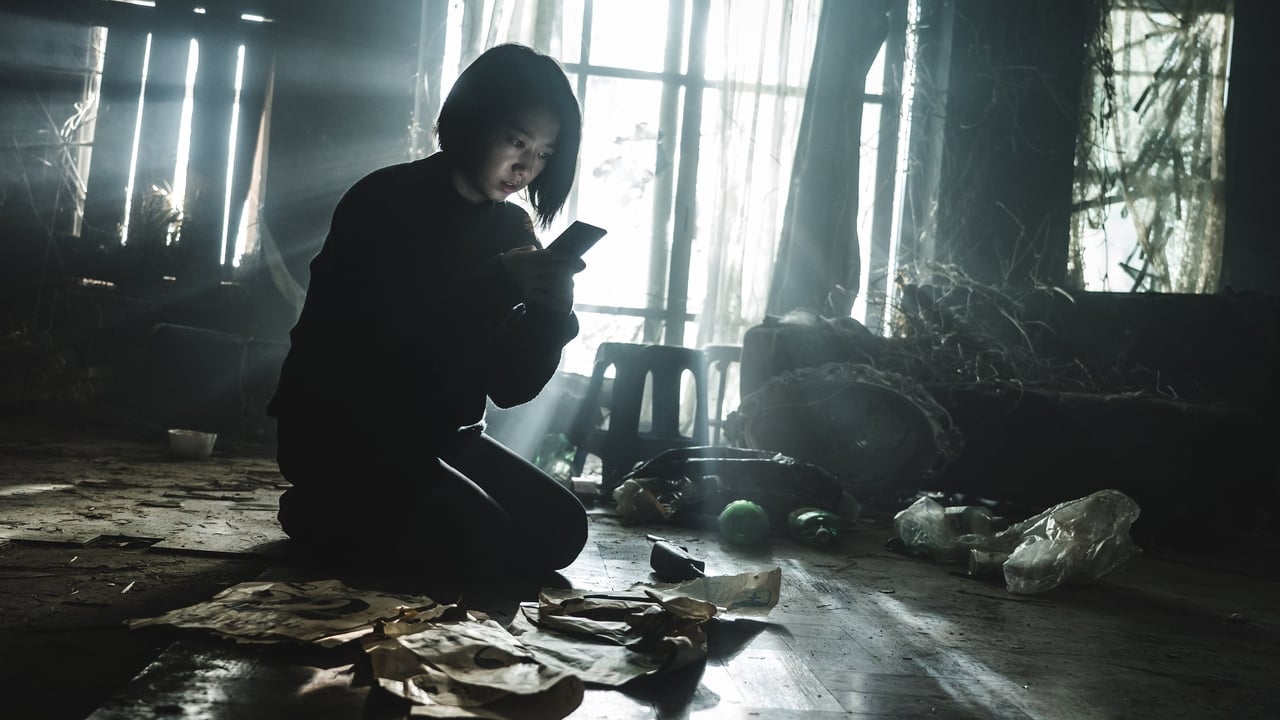
Apparently, director Lee Chung-hyun originally shot several different versions of the ending, and the one that made the final cut is a testament to the "no-mercy" style of contemporary Korean thrillers. In an era where many franchise films feel the need to wrap everything up in a neat, sequel-ready bow, The Call opts to kick the chair out from under you. It’s an intense, somber experience that respects the audience’s intelligence enough to know that we don’t always need a happy ending—sometimes we just need a brilliant one.
Ultimately, The Call is a reminder of why South Korea is currently the undisputed heavyweight champion of the psychological thriller. It takes a familiar "what-if" and pushes it to its most logical, terrifying extreme, anchored by a powerhouse performance that will make you rethink ever answering a restricted number again. I walked away from this movie feeling genuinely rattled, which is the highest compliment I can pay a film that dares to mess with the clock. If you’re looking for a dark, high-stakes ride that honors its sci-fi roots while leaning into pure horror, this is the one you’ve been waiting for. Just don’t expect to sleep soundly if your phone rings in the middle of the night.
Keep Exploring...
-
Burning
2018
-
What Happened to Monday
2017
-
Forgotten
2017
-
Decision to Leave
2022
-
The Vast of Night
2019
-
Batman vs. Robin
2015
-
Marrowbone
2017
-
Mirage
2018
-

The Professor and the Madman
2019
-

Black Box
2021
-
The Outfit
2022
-
Missing
2023
-

M3GAN 2.0
2025
-

Predator: Killer of Killers
2025
-

The Accountant²
2025
-

Don't Worry Darling
2022
-
The Thirteenth Floor
1999
-
Sherlock: The Abominable Bride
2016
-
Get Out
2017
-
The Discovery
2017