The Call of the Wild
"Instinct is a ghost that leads you home."
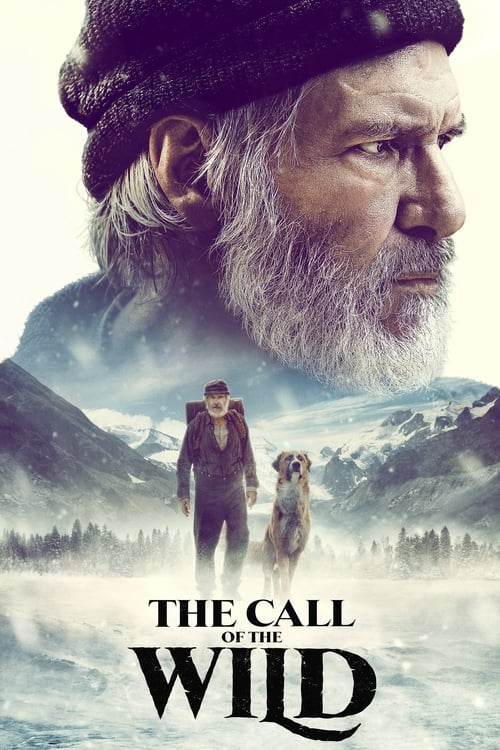
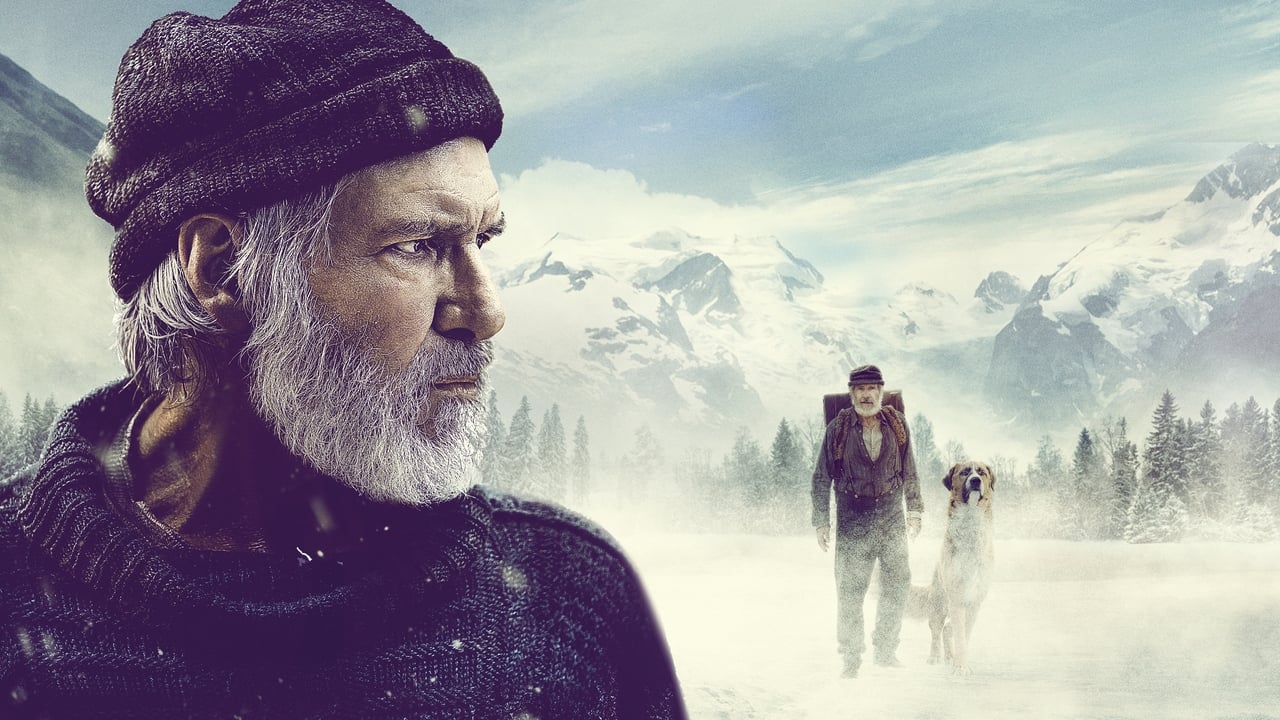
There is something inherently lonely about watching Harrison Ford talk to a ball of pixels. I watched this on a Tuesday night while wearing only one wool sock because I couldn’t find the matching one, which felt appropriately rugged for a Yukon adventure, but it didn’t stop me from feeling a strange sense of cognitive dissonance. Here is one of our last great movie stars, a man whose face is a topographical map of cinematic history, pouring his soul into a performance opposite a stuntman in a gray spandex suit who would later be digitally replaced by a St. Bernard-Collie mix.
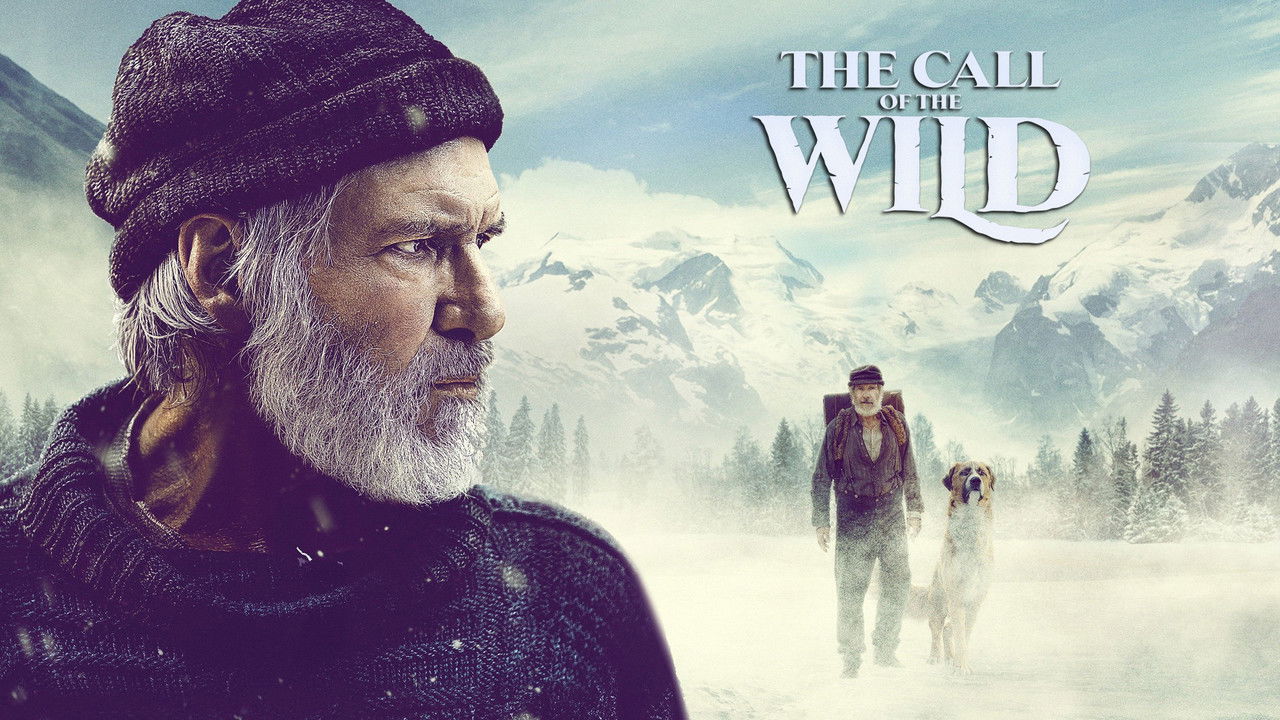
The Call of the Wild (2020) arrived at a bizarre crossroads in film history. It was the final film to be released under the "20th Century Fox" banner before the Disney-mandated rebranding to "20th Century Studios," and it hit theaters just weeks before the world shuttered for a global pandemic. It’s a film caught between eras—a classic, grit-under-the-fingernails Jack London tale told through the hyper-sanitized lens of modern "uncanny valley" technology.
A Ghost in the Machine
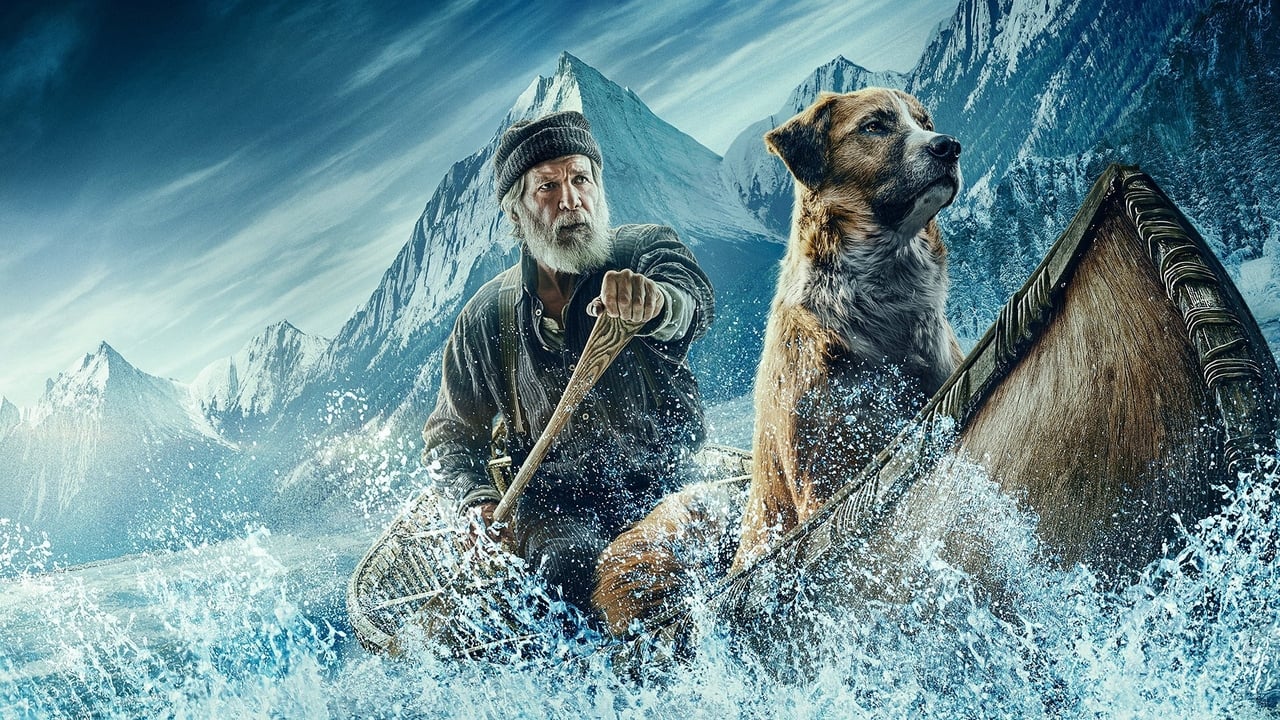
The central question I kept coming back to wasn't "Will Buck survive?" but rather "Why didn't they just use a real dog?" Director Chris Sanders, who gave us the beautifully expressive (and entirely hand-drawn) Lilo & Stitch, clearly wanted to push the emotional range of his canine lead. By using motion-capture performer Terry Notary, the film gives Buck a human-like expressive capacity. He winces, he sighs, he judges.
But there’s a cost to this digital sorcery. Buck looks less like a dog and more like a sentient furry cloud that’s seen the face of God. Because he’s too expressive, he occasionally stops feeling like an animal governed by the "call" of his ancestors and starts feeling like a Pixar character who got lost on the way to a live-action set. It’s a fascinating technological choice that highlights our current era's obsession with control; a real dog is unpredictable, but a CGI dog can be directed to have exactly 14% more "longing" in its eyes.
The Grizzled Redemption of John Thornton
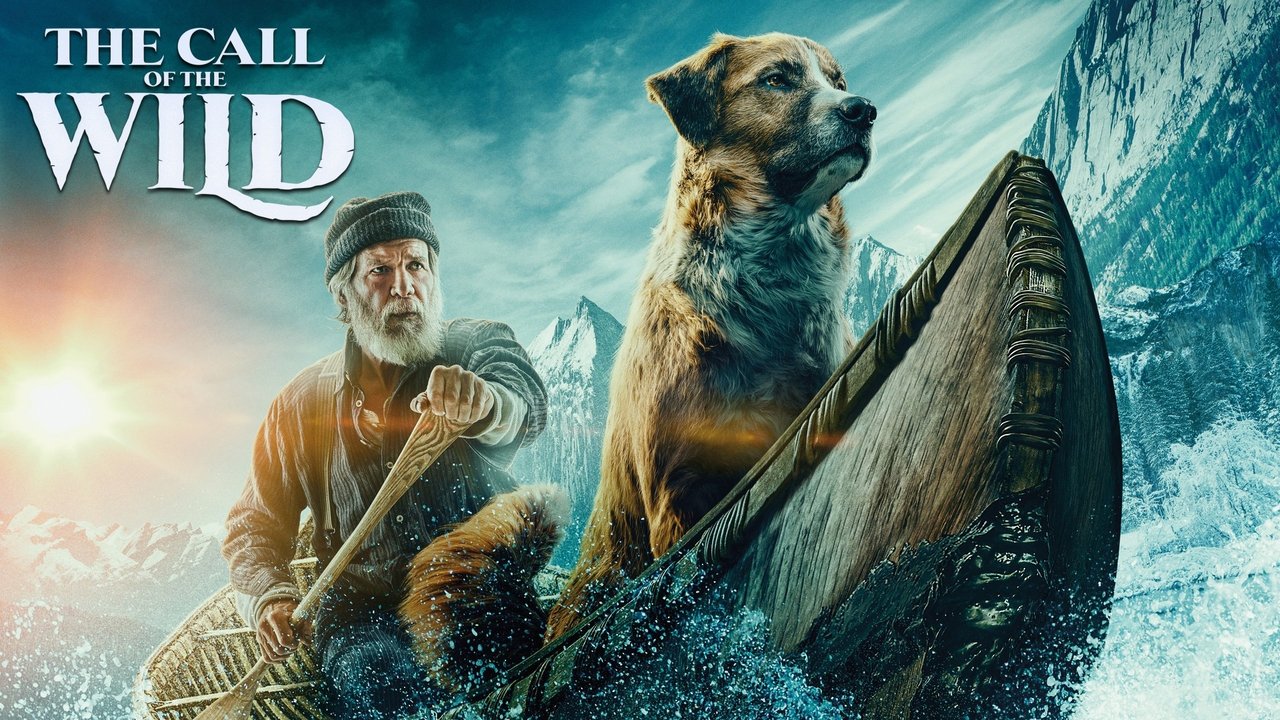
Despite the digital distractions, the human ensemble tries their best to ground the whimsey. Omar Sy is a breath of fresh air as Perreault, the mail-runner. He brings a warmth and vitality that suggests a much more interesting, grounded movie happening just off-camera. Conversely, Dan Stevens plays the villainous Hal with such mustache-twirling theatrics that I half-expected him to tie a damsel to some train tracks.
But the movie belongs to Harrison Ford. As John Thornton, Ford delivers his most vulnerable work in years. He isn't playing the swashbuckling Han Solo or the academic Indiana Jones; he’s playing a man who has been hollowed out by grief and is looking for a reason to keep breathing. When he speaks to Buck, he isn't just reciting lines to a visual effect; he’s talking to the idea of companionship. It’s a testament to his craft that he makes the bond feel earned even when the dog's paws don't quite seem to touch the ground. Ford is currently the only actor who can make me cry by looking at a computer-generated golden retriever.
The Ancestral Pull
Philosophically, this version of London’s story is much "nicer" than the source material. The 1903 novel is a brutal, atavistic examination of "kill or be killed." The 2020 film transforms this into a story of self-discovery and finding one's tribe. It’s less about the cruelty of nature and more about the beauty of shedding the domestic "master/servant" dynamic to find a partnership.
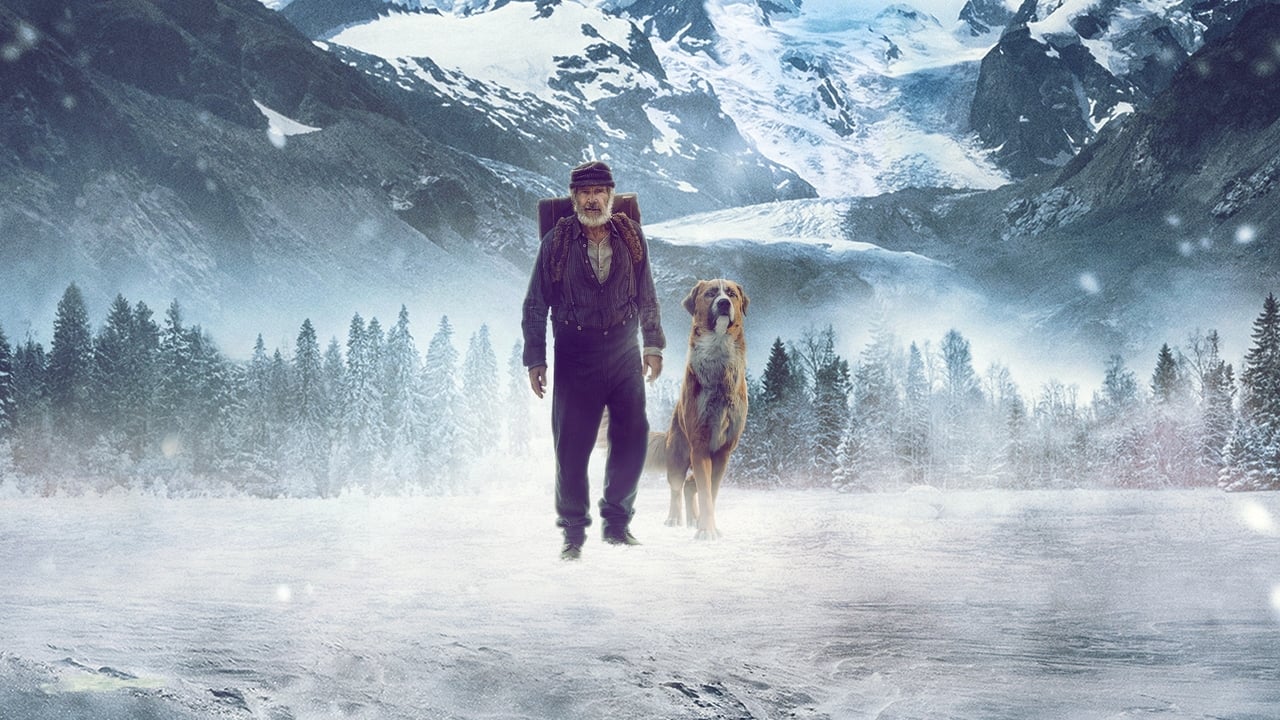
There is a cerebral weight to the idea of "The Call." It’s the nagging suspicion that civilization is just a thin coat of paint over something much older and more honest. As Buck transitions from a pampered California pet to a Yukon pack leader, the film explores the concept of "belonging" in a way that resonates with our modern, hyper-connected yet isolated lives. We are all, in some way, looking for the version of ourselves that exists without the "collar" of social expectations.
Stuff You Didn't Notice
The Stuntman Dog: To help Harrison Ford interact with Buck, motion-capture artist Terry Notary (who played Kong in Skull Island) lived on all fours, mimicking dog movements so Ford had a physical presence to touch. A Real-Life Buck: While Buck is CGI, his design is based on a real rescue dog named Buckley, whom Chris Sanders' wife found at an animal shelter during production. The Fox Sunset: This was the last film to feature the "20th Century Fox" logo before Disney officially dropped the "Fox" name. Box Office Blues: Despite its charm, the film lost the studio an estimated $70 million, largely because its $110 million budget was inflated by the complex dog CGI—a classic case of modern blockbuster "over-teching." * Mustache Commitment: Dan Stevens actually grew that absurd mustache for the role; it was so prominent that it became a minor talking point on social media during the film's marketing campaign.
At its heart, The Call of the Wild is a lovely, high-stakes bedtime story. It’s a film that struggles with its own artifice, trying to find a soul inside a machine, much like its protagonist tries to find the wolf inside the pet. While the CGI occasionally yanks you out of the moment, the combination of Harrison Ford's world-weary gravity and the sweeping Yukon vistas makes it a journey worth taking. It’s an imperfect, slightly "uncanny" adventure that still manages to land a solid emotional punch by the time the credits roll.
Keep Exploring...
-
The Wild Robot
2024
-
Miss Peregrine's Home for Peculiar Children
2016
-
Cars 3
2017
-
A Dog's Journey
2019
-
Raya and the Last Dragon
2021
-

Gran Turismo
2023
-
The Boy and the Beast
2015
-
Jungle Cruise
2021
-

The Little Prince
2015
-
Togo
2019
-
Spies in Disguise
2019
-
The Lion King
2019
-
Spirit: Stallion of the Cimarron
2002
-
Kubo and the Two Strings
2016
-
How to Train Your Dragon: The Hidden World
2019
-
Transformers One
2024
-

How to Train Your Dragon
2025
-
Max
2015
-
A Dog's Purpose
2017
-

In the Heart of the Sea
2015