The Courier
"A haunting reminder that history is often saved by those least likely to lead."
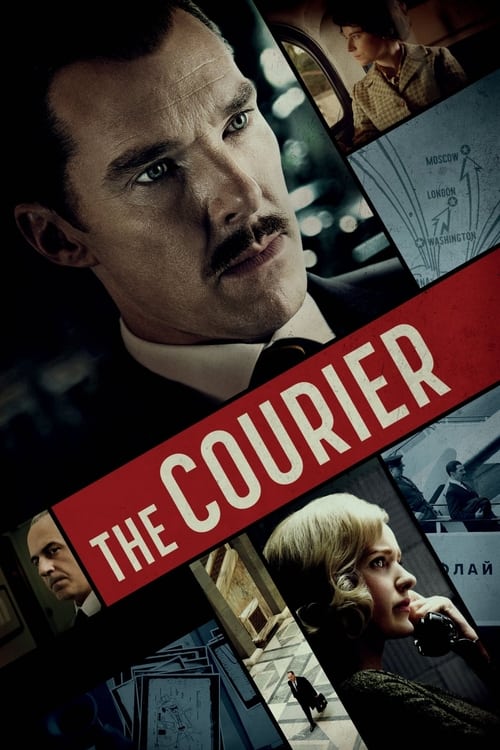
There is a specific kind of dread that accompanies the clinking of a silver teaspoon against a porcelain cup in a quiet London flat. It's the sound of the 1960s—civilized, polite, and vibrating with the subsonic hum of impending nuclear annihilation. Dominic Cooke's The Courier doesn't open with a mushroom cloud or a high-octane car chase through the Iron Curtain. Instead, it begins with a man who sells industrial parts. It's a film that understands that the most terrifying secrets aren't whispered in dark alleys, but over lukewarm gin and tonics.
The Salesman and the Spy
In an era where cinema feels increasingly carved into two camps—the $200 million franchise behemoth and the micro-budget indie—The Courier feels like a defiant, high-quality throwback. Released during the strange, stuttering theatrical window of the early 2020s, it's the kind of mid-budget, adult-skewing historical drama that feels increasingly rare on the big screen. It arrived just as we were emerging from our own global crisis, offering a story about the agonizing patience required to change the world.
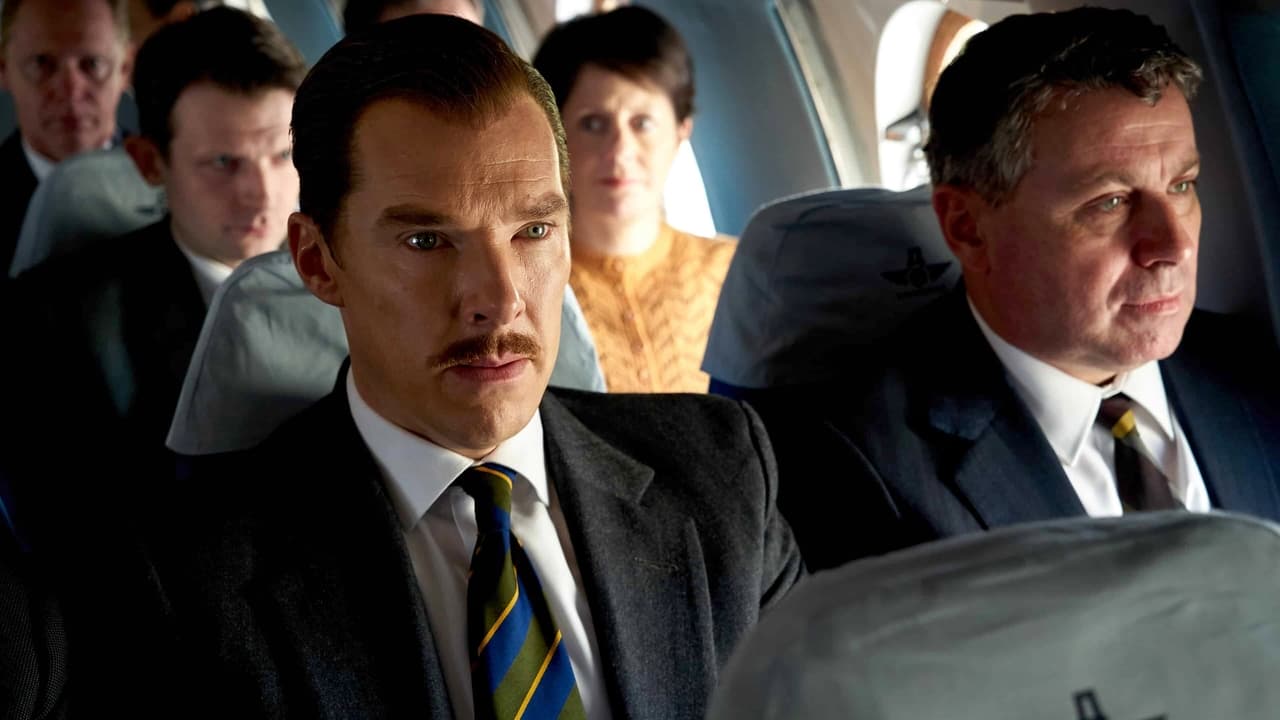
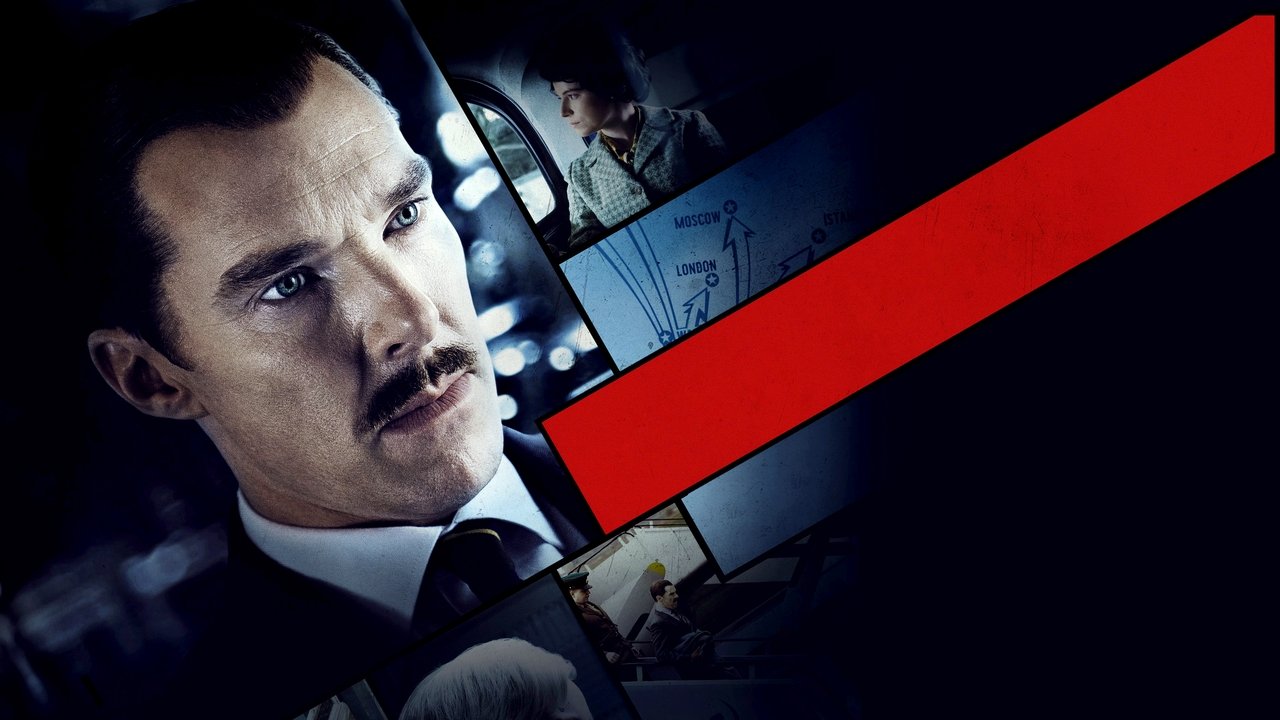
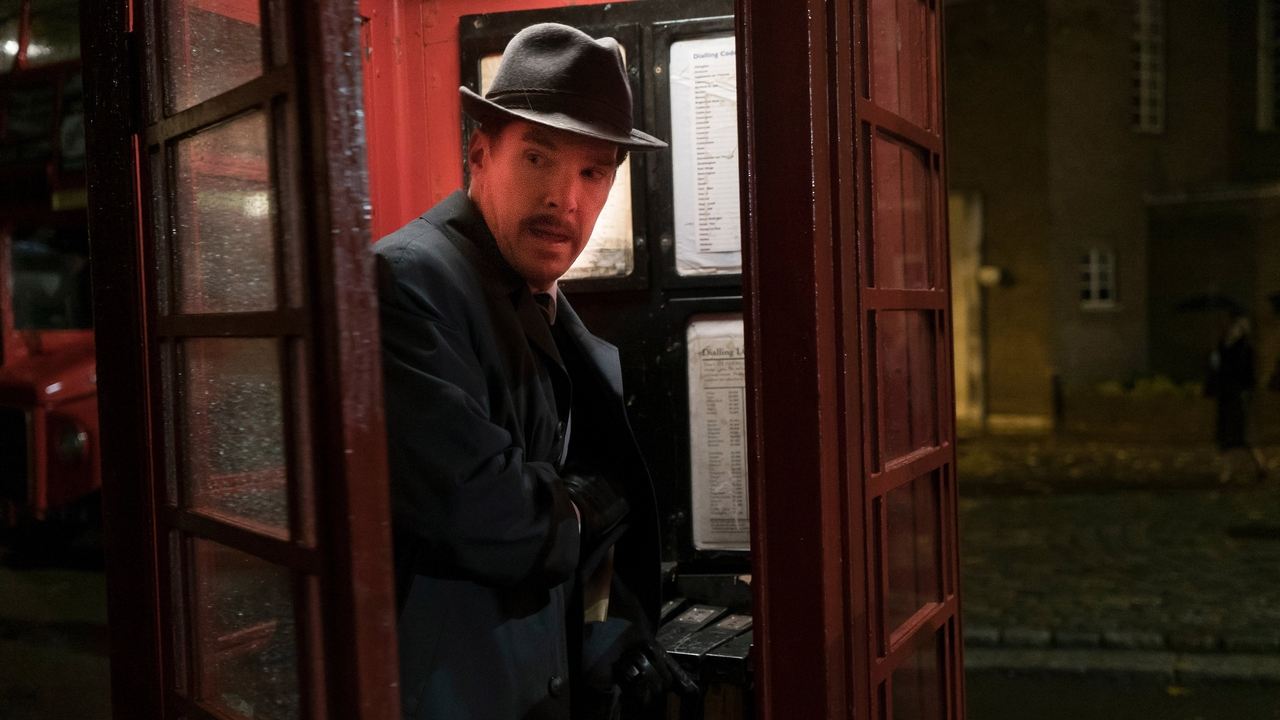
Benedict Cumberbatch delivers a performance that starts as a masterclass in mid-century mediocrity. His Greville Wynne is a "perfectly ordinary" salesman—a bit of a striver, a bit of a jokester—who is recruited by MI6 and the CIA not for his bravery, but for his invisibility. He is the ultimate "gray man." Opposite him, Merab Ninidze provides the film's soulful, beating heart as Oleg Penkovsky, the high-ranking Soviet official who realizes that his country's leadership is driving the world toward a cliff.
The chemistry between these two men is the film's greatest asset. It's not a bromance in the modern sense; it's a desperate, shared tightrope walk. Their relationship evolves from transactional suspicion to a deep, tragic kinship that transcends borders. When they sit in a theater watching Swan Lake, the tension isn't about whether they'll be caught, but the unbearable weight of what they know while the rest of the world watches the ballet in blissful ignorance.
A Texture of Cold Iron
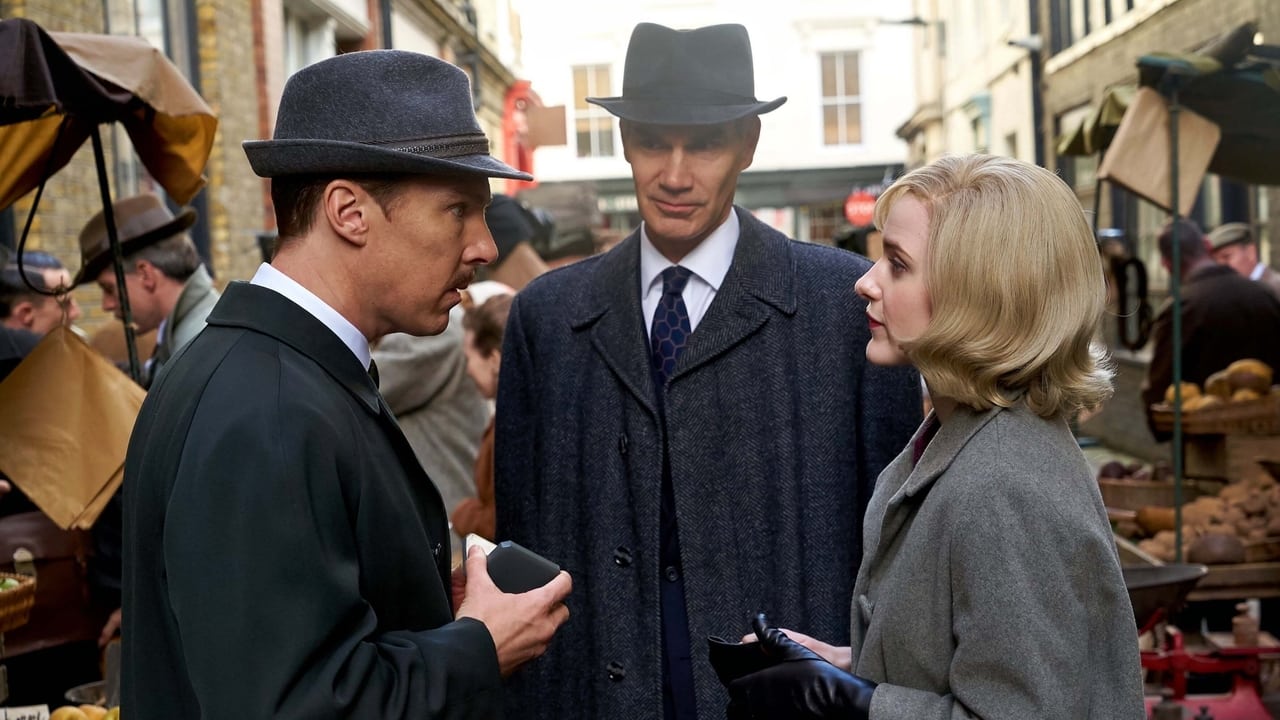
Visually, Sean Bobbitt (the cinematographer behind 12 Years a Slave) crafts a world that feels physically oppressive. London is bathed in a damp, mustard-colored fog, while Moscow is a brutalist landscape of cold stone and long shadows. This isn't the neon-soaked, stylish Cold War of Atomic Blonde; it's a world of heavy wool coats, stale cigarettes, and the constant, itching feeling of being watched.
The score by Abel Korzeniowski is equally vital. It utilizes a recurring waltz motif that feels increasingly frantic, mimicking the spiraling stakes of the Cuban Missile Crisis. It captures the rhythm of a world spinning out of control while the men at the center try to maintain a steady step.
Elevating the "Wife" Role
Usually, the "worried wife" in a spy thriller is a thankless, one-note role. However, the casting of Jessie Buckley as Sheila Wynne changes the entire molecular structure of those domestic scenes. Buckley is incapable of being uninteresting. She plays Sheila not as a victim of a plot, but as a sharp woman who senses the rot of a secret entering her home. Her performance ensures that the stakes aren't just global, but intensely personal. When Greville begins to lie to her, we feel the domestic tragedy as keenly as the geopolitical one.
Meanwhile, Rachel Brosnahan brings a cool, professional pragmatism to the role of CIA agent Emily Donovan. In the context of contemporary cinema's push for better representation, Brosnahan's character avoids the "girlboss" tropes, instead portraying a woman navigating a male-dominated hierarchy through sheer competence and a quiet, simmering anger at the bureaucracy of war.
The Cost of the Truth
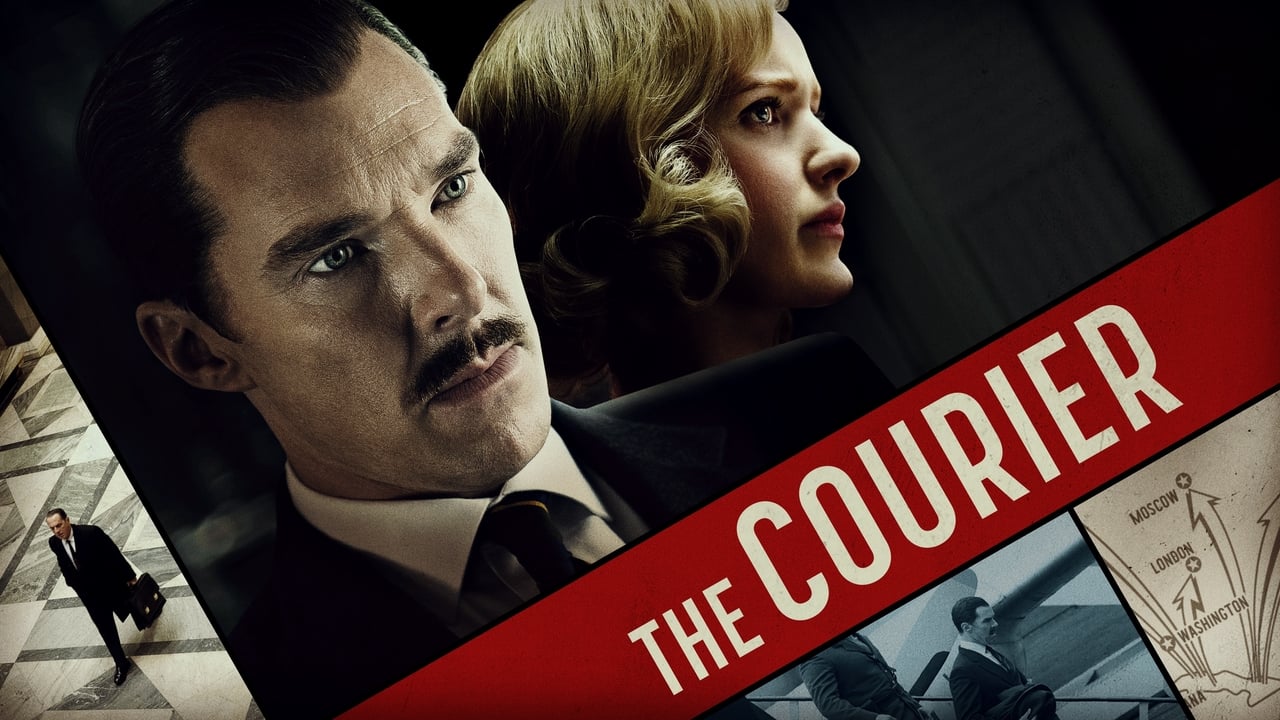
The final act of The Courier is where the "Dark/Intense" modifier truly takes hold. Without veering into spoilers, the film shifts from a tense caper into a harrowing psychological ordeal. Cumberbatch underwent a startling physical transformation for these sequences, losing a significant amount of weight to portray the toll of Soviet imprisonment.
It's here that the film makes its most profound point. We often view the Cuban Missile Crisis as a game of chess played by Kennedy and Khrushchev. The Courier reminds us that the board was held up by the broken backs of people whose names history almost forgot.
Behind-the-Scenes Insight: To maintain the film's gritty authenticity, the production filmed in the Czech Republic, using the imposing architecture of Prague to stand in for 1960s Moscow. The real Greville Wynne was actually a much more colorful (and some say, less reliable) character than portrayed, but Tom O'Connor's screenplay strips away the bravado to find the human fear underneath.
While it might lack the kinetic energy of a Bond film, The Courier is a superior piece of storytelling because it respects the silence. It's a film that understands that bravery isn't the absence of fear, but the ability to keep your hand from shaking while you hand over a folder of documents that might get you executed. In our current era of "fast-food" content, this is a slow-cooked, deeply satisfying meal of a movie.
Keep Exploring...
-

Detroit
2017
-
Hotel Mumbai
2019
-
22 July
2018
-
An Officer and a Spy
2019
-
Official Secrets
2019
-

The Professor and the Madman
2019
-
Escape from Pretoria
2020
-

Tetris
2023
-
13 Hours: The Secret Soldiers of Benghazi
2016
-
Patriots Day
2016
-
Snowden
2016
-
The Mauritanian
2021
-

The Stanford Prison Experiment
2015
-
The Finest Hours
2016
-
Operation Finale
2018
-
Batman vs. Robin
2015
-
Anthropoid
2016
-
The Siege of Jadotville
2016
-

The Zookeeper's Wife
2017
-
Emancipation
2022