The Father
"Lose your way in a room you've lived in forever."
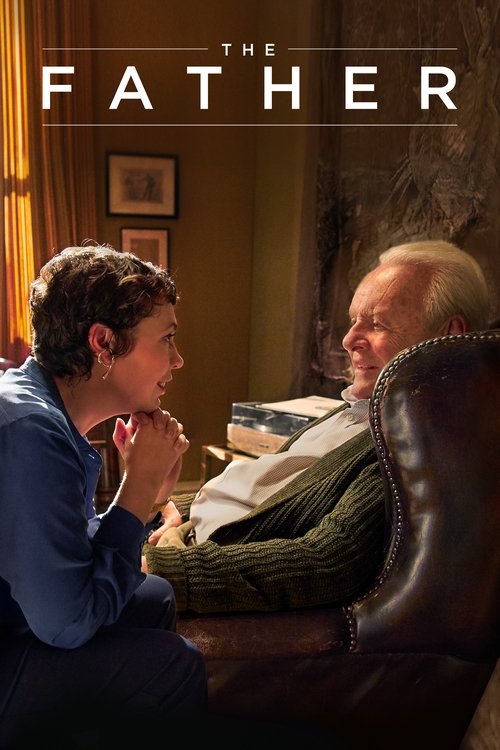
I watched The Father on my laptop while wearing a pair of wool socks that were just a half-size too small. That slight, nagging constriction—a tiny physical discomfort I couldn’t quite ignore—felt strangely appropriate for the eighty minutes of psychological claustrophobia that followed. Most films about cognitive decline ask you to watch a character suffer from a safe, sympathetic distance. Florian Zeller doesn't give you that luxury. He traps you inside the glitching hardware of a dying mind and tosses the keys.
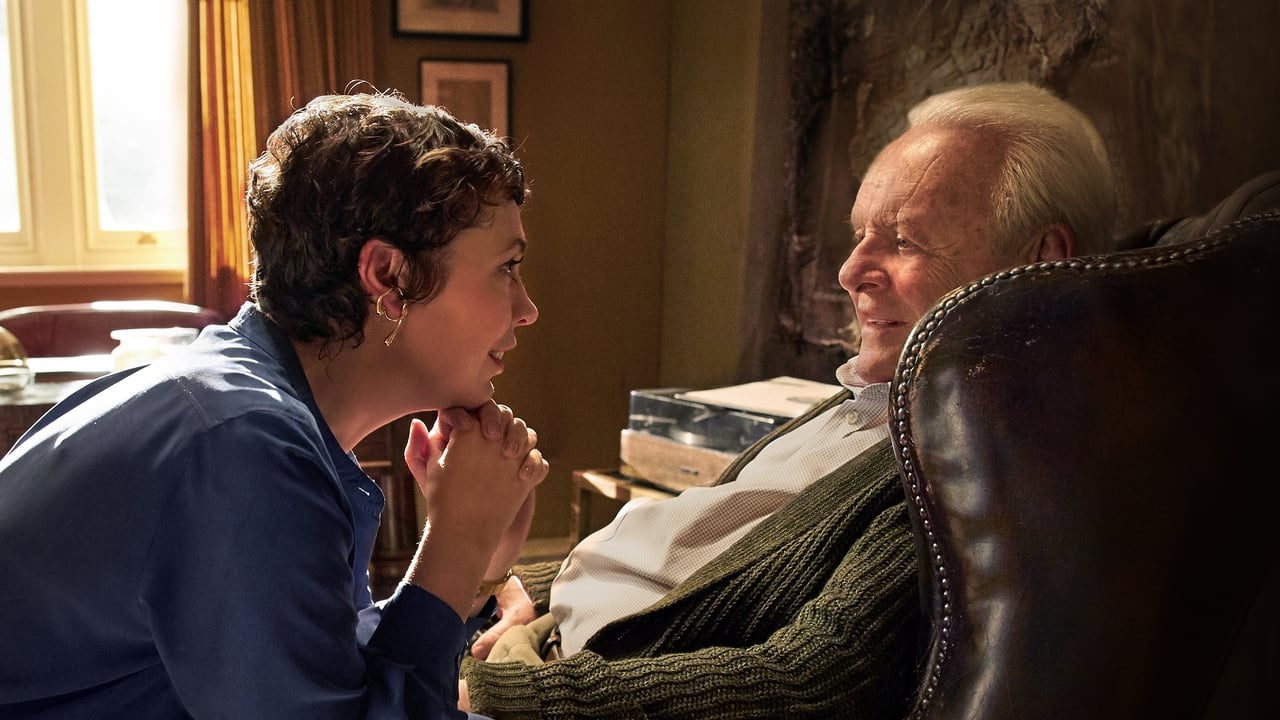
Released during the strange, fractured landscape of 2020, The Father arrived at a moment when we were all becoming intimately acquainted with the four walls of our homes. But for Anthony (played by a titanic Anthony Hopkins), those walls aren't just closing in; they’re changing. A chair moves. A painting vanishes. A daughter’s face becomes a stranger’s. It’s a drama, technically, but I’d argue it’s the most effective horror film of the last decade.
The Architecture of Gaslighting
What makes this film a standout in contemporary cinema isn't just the acting—though we’ll get to that—it’s the way Florian Zeller and screenwriter Christopher Hampton weaponize the medium of film to simulate dementia. Based on Zeller’s own stage play, you might expect the movie to feel "stagy" or restricted. Instead, it uses its single-location setting to conduct a masterclass in production design.
The apartment is the true antagonist. I found myself squinting at the background, trying to remember if the kitchen cupboards were that shade of olive in the previous scene. They weren’t. Production designer Peter Francis and editor Yorgos Lamprinos work in tandem to subtly shift the geography of the flat. By the time Olivia Williams walked into a room where I expected to see Olivia Colman, I felt a genuine jolt of panic. Dementia is treated like a haunted house, and it's more terrifying than any Conjuring sequel. It forces the audience to experience the "prestige" genre through a lens of total unreliability.
A Masterclass in Human Fragility

Let’s talk about Anthony Hopkins. At 83, he became the oldest person to win a Best Actor Oscar for this role, and frankly, he could have won it for the final ten minutes alone. We’ve seen him play the genius, the cannibal, and the king, but here he is stripped of all his usual defenses. His Anthony is charming, then cruel, then suddenly a frightened child.
There’s a specific scene where he’s showing off for a new caregiver, Laura (played with a lovely, sunny patience by Imogen Poots). He breaks into a little tap dance, a flash of the old showman. It’s heartbreaking because you know he’s performing to hide the fact that he doesn't know where his watch is. Hopkins doesn't just play "old"; he plays the frantic, exhausting energy of a man trying to outrun his own shadow.
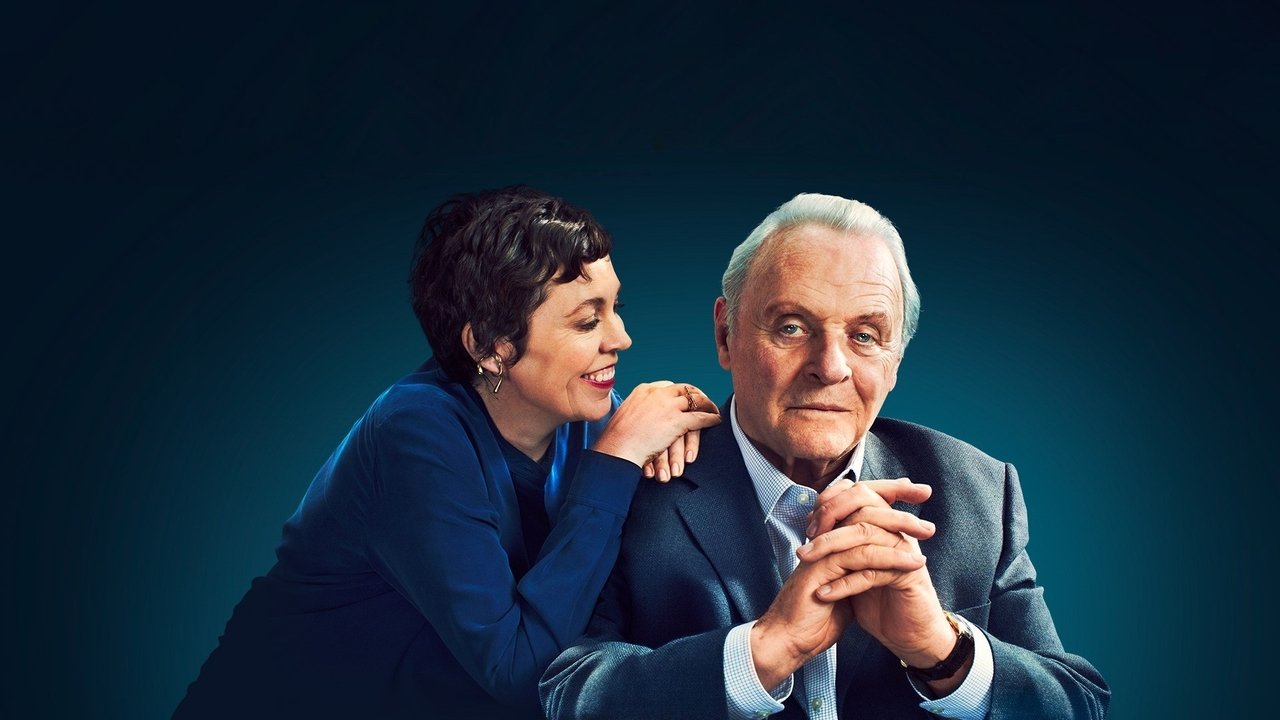
Opposite him, Olivia Colman as Anne is the emotional anchor we’re eventually forced to abandon. Her performance is a study in "caregiver burnout," a term that feels too clinical for the raw, tear-rimmed exhaustion she carries. You see her trying to maintain a life with Paul (Rufus Sewell, playing a role that is arguably the film's most "villainous" simply by being a realistic, impatient son-in-law) while her father’s reality curdles. The chemistry between Hopkins and Colman is agonizingly real; they look like two people tied together on a sinking boat, both knowing there’s only one life jacket.
The Prestige of the "Now"
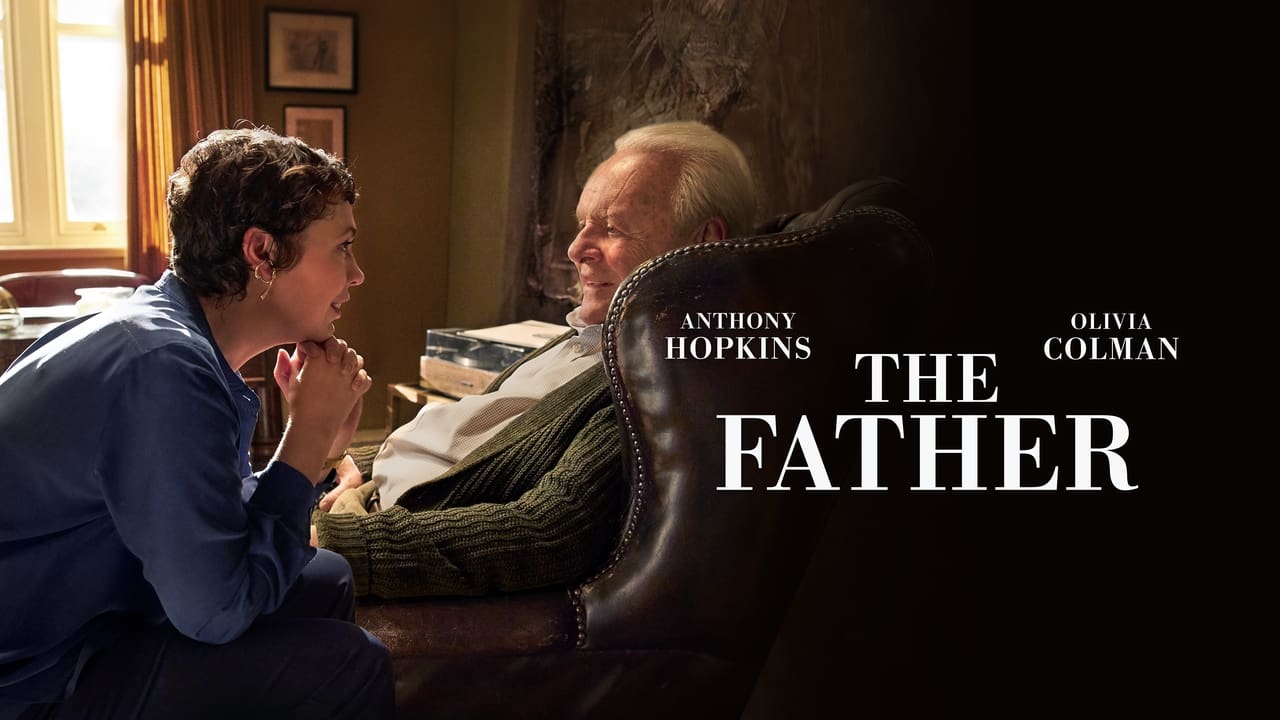
In our current era of franchise fatigue and "elevated" genre experiments, The Father feels like a reminder of what a high-concept drama can actually achieve. It doesn't rely on a massive budget or CGI de-aging (though the budget was a lean $6 million). It relies on the terrifying reality of the human condition.
The film also serves as a fascinating marker of the 2021 awards season. I remember the social media firestorm when Hopkins won over the late Chadwick Boseman; the Oscars had even rearranged the categories to end with Best Actor, clearly expecting a different result. But watching the film back now, away from the noise of "who deserves what," it’s clear the Academy couldn't ignore a performance this definitive. It wasn't a career achievement award; it was a "stop what you're doing and look at this" moment.
Interestingly, Florian Zeller used Anthony Hopkins' actual birth date (December 31, 1937) for the character in the script. It adds a layer of metatextual weight—you aren't just watching a character named Anthony; you're watching an icon of the screen grapple with the ultimate loss of agency.
The Father is a difficult watch, but a mandatory one. It’s a film that asks profound philosophical questions about where "we" go when our memories leave us. It’s cerebral, haunting, and features a lead performance that will be studied as long as we have eyes to watch it. Just make sure you aren't wearing tight socks when you hit play; you'll want to be as comfortable as possible before the movie starts pulling the floor out from under you.
Keep Exploring...
-
One Life
2023
-
Spotlight
2015
-

Straight Outta Compton
2015
-

Captain Fantastic
2016
-

Lion
2016
-
Wonder
2017
-
Love, Simon
2018
-

Five Feet Apart
2019
-
Little Women
2019
-
Guillermo del Toro's Pinocchio
2022
-

A Silent Voice: The Movie
2016
-
Perfect Strangers
2016
-
The Greatest Showman
2017
-
Ford v Ferrari
2019
-
Miracle in Cell No. 7
2019
-
Finch
2021
-
Society of the Snow
2023
-
The Wild Robot
2024
-

F1
2025
-
A Street Cat Named Bob
2016