The Half of It
"Love isn't finding your other half; it's the mess of trying."
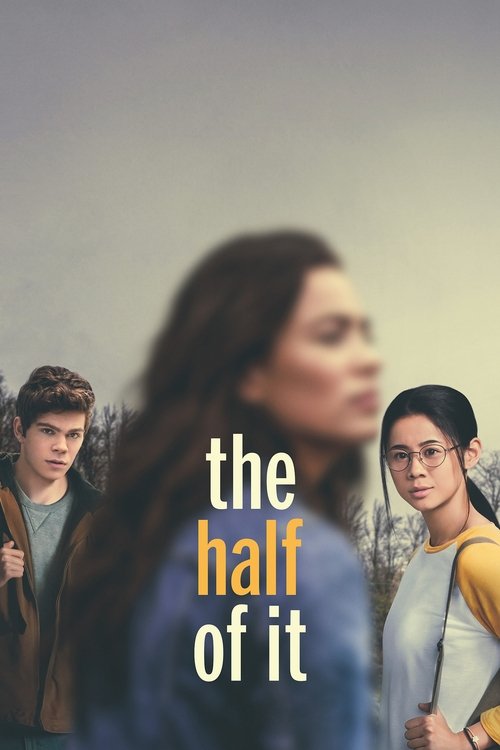
Most directors who vanish for fifteen years after a cult hit return with a bloated passion project or a bitter "I told you so." Not Alice Wu. After her 2004 debut Saving Face became a touchstone for queer Asian-American cinema, she stepped away from Hollywood to care for her mother. When she finally returned in 2020 with The Half of It, she didn't come back with a loud, franchise-ready explosion. Instead, she gave us a quiet, rainy, and deeply intellectual teen dramedy that Netflix basically tossed into the bottom of the "Trending Now" bin after a week. I watched this on my laptop while trying to ignore my neighbor’s power drill, and yet the quietness of the film still managed to cut through the noise.
The Fifteen-Year Itch
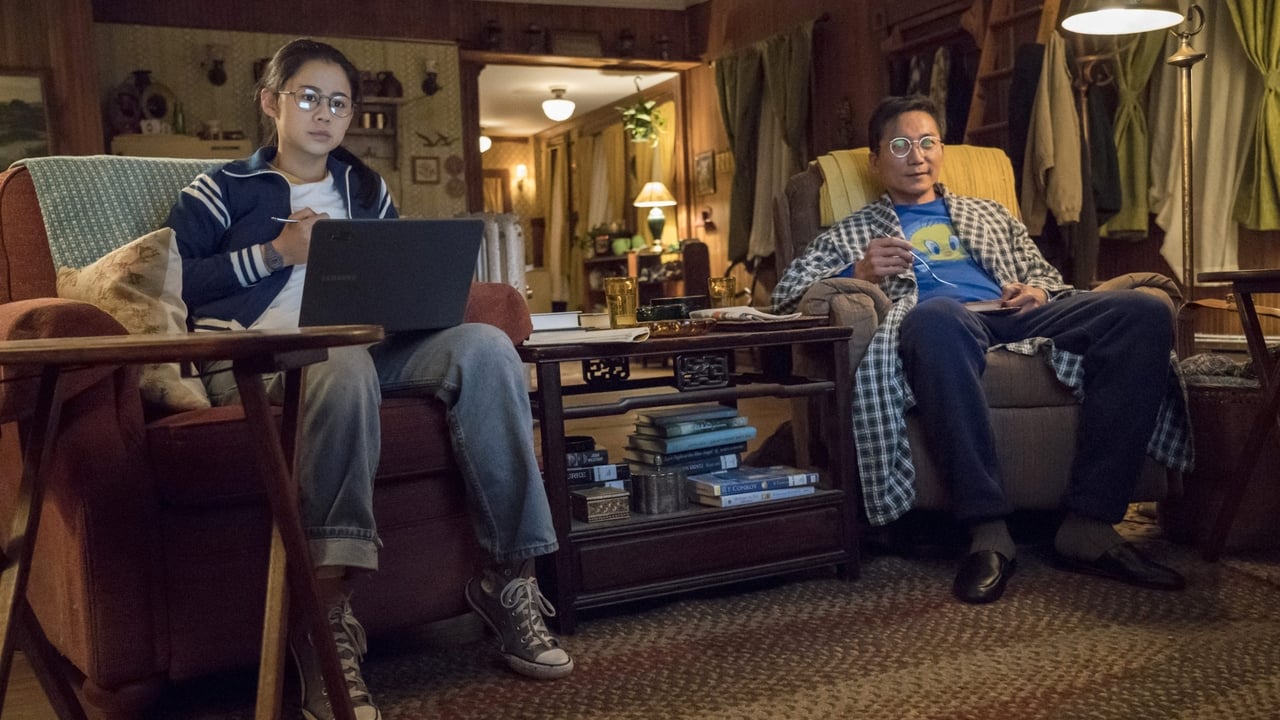
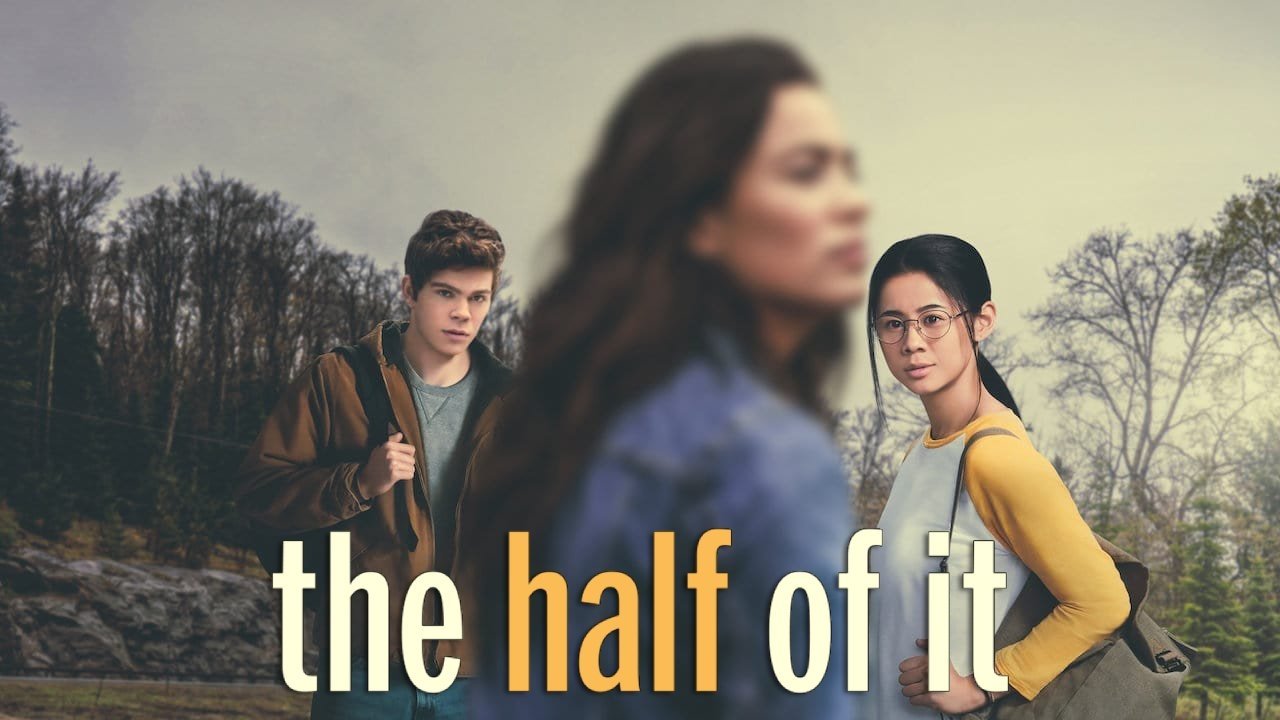
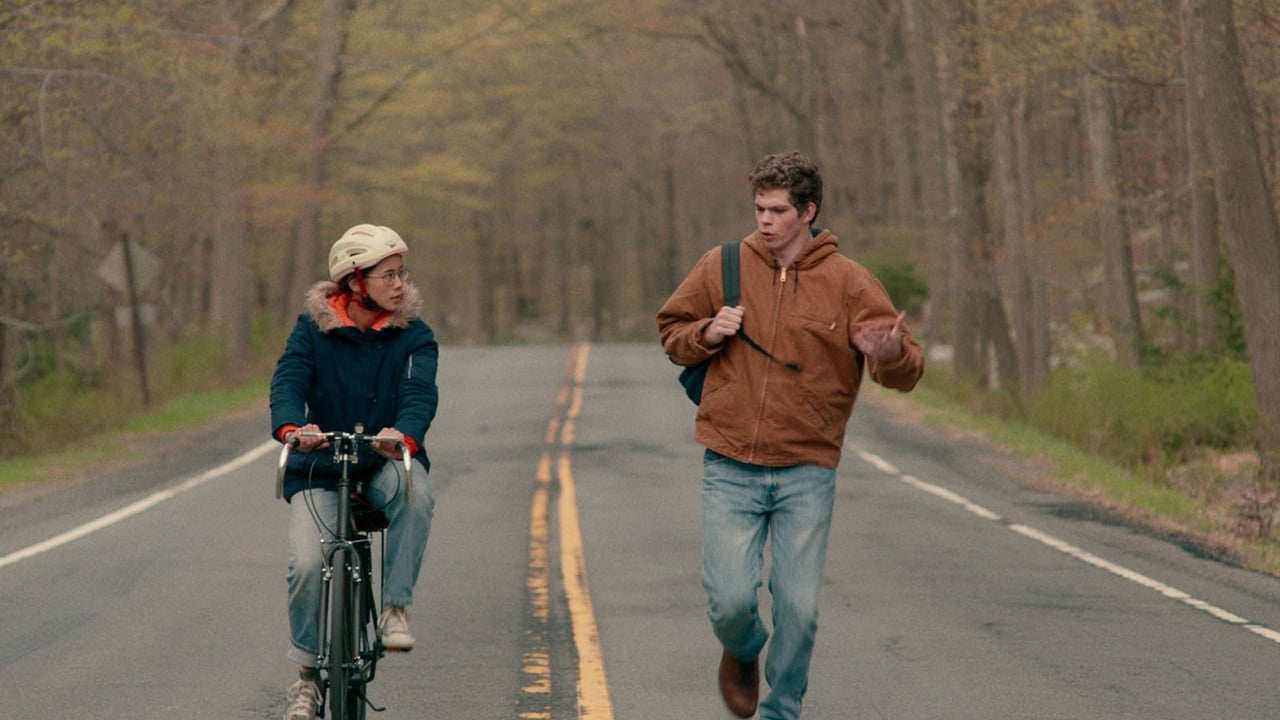
This is ostensibly a riff on Cyrano de Bergerac, the classic tale of a smart, "unattractive" person writing love letters on behalf of a dim-witted but handsome suitor. In this version, set in the damp, fictional town of Squahamish, Leah Lewis plays Ellie Chu. She’s a shy, straight-A student who runs a side hustle writing essays for her classmates to help her father pay the bills. When Daniel Diemer, playing the sweet-but-clueless jock Paul Munsky, approaches her to help him win over the beautiful Aster Flores (Alexxis Lemire), the setup feels like a standard-issue Netflix teen flick.
But Wu is interested in something much more tactile and lonely than your average high school rom-com. The film dropped in May 2020, right when the world was beginning to realize the pandemic wasn't a two-week vacation. Looking back, its focus on isolation and the desperate need for connection—even through letters and texts—felt painfully prescient. It’s a "streaming era" movie that actually uses its digital landscape to tell a story about souls, not just to fill a content quota.
More Than a Letter-Writing Campaign
What makes this work for me isn't just the "will-they-won't-they" triangle, but the specific, lived-in chemistry between Leah Lewis and Daniel Diemer. Paul isn't the typical meathead jock; he’s a guy who loves his family’s taco-sausage business and genuinely wants to be better than he is. Their friendship is the real engine of the movie. The 'popular girl' in this movie has more personality in one silent look than most rom-com protagonists have in an entire trilogy. Aster Flores isn't just a trophy; she’s a girl suffocating under the weight of expectations in a religious, small-minded town.
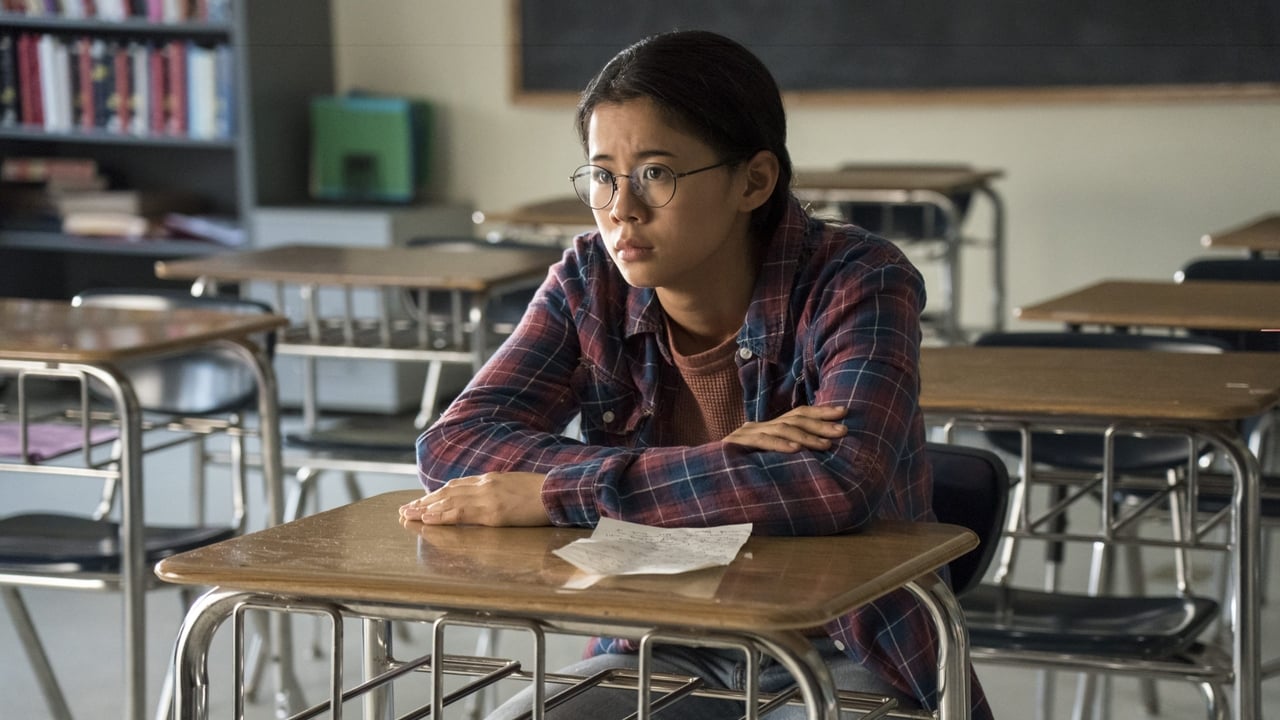
I appreciated how Wu handled the religious backdrop. Often, contemporary films treat small-town Christianity as a cartoonish villain. Here, it’s just the weather—heavy, persistent, and something the characters have to navigate with umbrellas and raincoats. Enrique Murciano puts in a grounded performance as Aster’s father, a man who isn't "evil," just deeply rooted in a world that Ellie and Paul are beginning to outgrow. It’s a drama that understands that the most painful conflicts aren't between good and evil, but between who you are and where you're from.
A Different Kind of Geometry
Visually, the film avoids the neon-saturated, "Instagrammable" look of many modern Netflix productions. Cinematographer Greta Zozula captures the Pacific Northwest as a series of misty greys and browns, making the few pops of color—like a hidden hot spring—feel like a revelation. The score by Anton Sanko is minimalist, letting the sound of a train or a scratching pen do the heavy lifting.
There’s a bit of trivia that explains why the movie feels so personal: Wu originally wrote it as a way to explore her own friendships. She’s been open about the fact that she didn't even realize she was writing a Cyrano adaptation until she was well into the process. That lack of calculation shows. It doesn't feel like a cynical "IP update" meant to tick boxes for a diversity report. It feels like a woman in her 50s looking back at the teenage years with a mix of cringe and profound empathy.
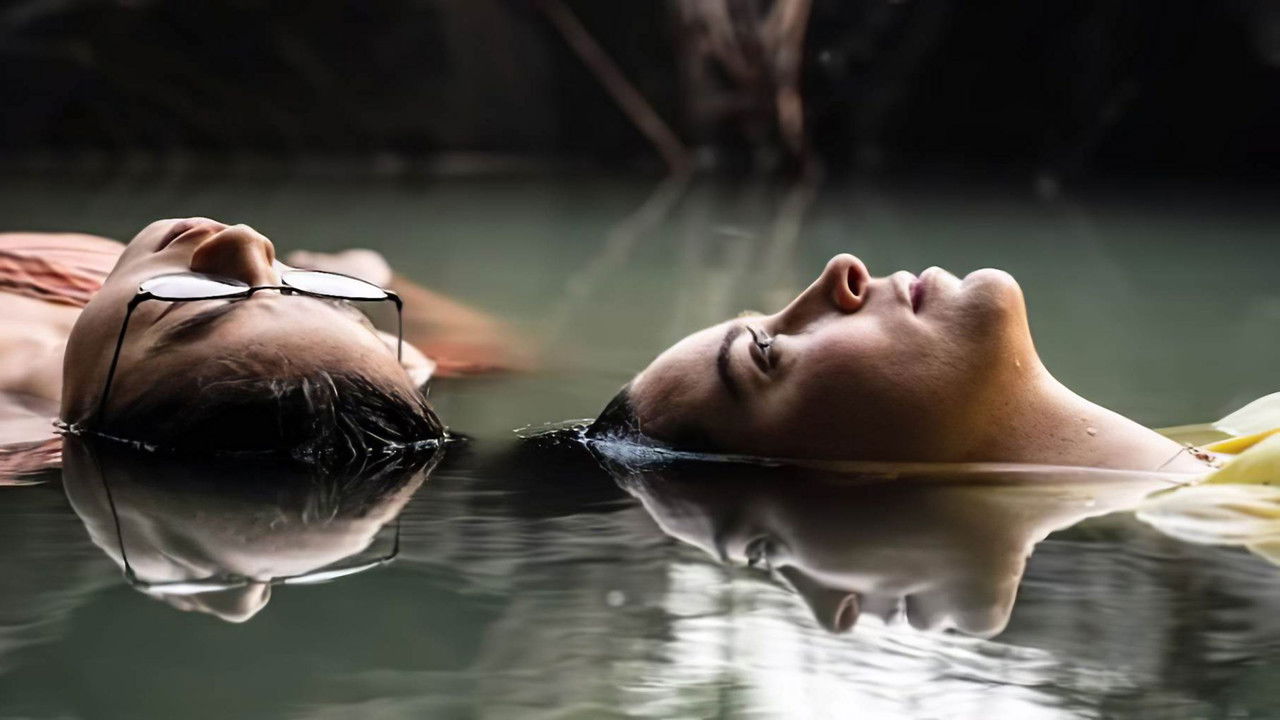
The film won the Founders Award for Best Narrative Feature at the Tribeca Film Festival, yet it somehow feels like a "hidden gem" just four years later. Maybe it’s because it refuses to give the audience the easy, sugary ending they’ve been conditioned to expect. It’s a film about the "half of it"—the part of love that is messy, unfinished, and totally confusing. It suggests that finding your "other half" is a myth, and that the real goal is just finding someone who makes the search a little less lonely.
In an age of franchise fatigue and movies that feel like they were written by a marketing algorithm, The Half of It is a breath of cold, damp air. It’s a film that respects its audience’s intelligence and its characters’ hearts. If you missed it during the blur of 2020, or if you’ve just been scrolling past that thumbnail for years, give it a shot. It’s the kind of small, human-scaled drama that we often say they don't make anymore—except they do, we just have to be willing to look past the blockbusters to find them.
Keep Exploring...
-
Anomalisa
2015
-
Home Again
2017
-
The Hating Game
2021
-
The Idea of You
2024
-
The Worst Person in the World
2021
-
Café Society
2016
-
La La Land
2016
-
Swiss Army Man
2016
-
The Big Sick
2017
-
Love, Simon
2018
-
The Ballad of Buster Scruggs
2018
-
Tall Girl
2019
-
Licorice Pizza
2021
-
To All the Boys: Always and Forever
2021
-
Ticket to Paradise
2022
-
Beautiful Disaster
2023
-
Anora
2024
-
Elemental
2023
-

The Lobster
2015
-

We Are Your Friends
2015