The Invisible Man
"Terror is a vacant room."
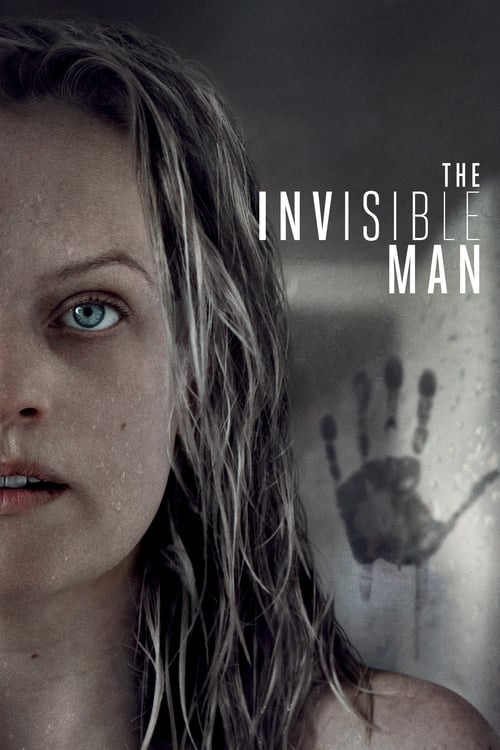
There is a specific kind of cruelty in a camera that looks at nothing. In most movies, the lens is a guide, pulling your eyes toward the action. But in Leigh Whannell’s The Invisible Man, the camera is a traitor. It frequently pans away from our protagonist, Cecilia, to stare into an empty hallway or a vacant kitchen corner, forcing you to play a frantic game of Where’s Waldo? with a psychopath you can’t see. It’s a psychological interrogation of the audience. I watched this while huddled under a weighted blanket in my living room, and by the forty-minute mark, the literal "empty space" next to my bookshelf started to feel like a threat.

The Death of the "Dark Universe"
Before we talk about how good this movie is, we have to acknowledge the smoking crater it climbed out of. Just a few years prior, Universal Pictures tried to launch a "Dark Universe"—a sprawling, Marvel-style franchise of classic monsters. They started with a $125 million Tom Cruise Mummy movie that felt like a theme park ride designed by a committee. It flopped so hard the entire universe collapsed before the Wolfman could even get a flea bath.
Enter Blumhouse. They took the "Invisible Man" IP, stripped away the capes and the $100 million price tag, and handed Leigh Whannell a relatively tiny $7 million budget. It was the smartest move Universal made in a decade. By pivoting from a "monster movie" to a "survivor’s story," Whannell didn't just reboot a franchise; he modernized a myth. He realized that in the current era, the scariest thing isn't a man in bandages—it's an abusive ex-boyfriend with a tech-bro god complex and the personality of a room-temperature steak.
The Architecture of Gaslighting
Elisabeth Moss is doing some of the most exhausting work of her career here. As Cecilia Kass, she starts the film already broken, escaping the high-tech fortress of her boyfriend, Adrian Griffin (Oliver Jackson-Cohen). When she hears he’s committed suicide and left her millions, she doesn't celebrate. She waits for the other shoe to drop.
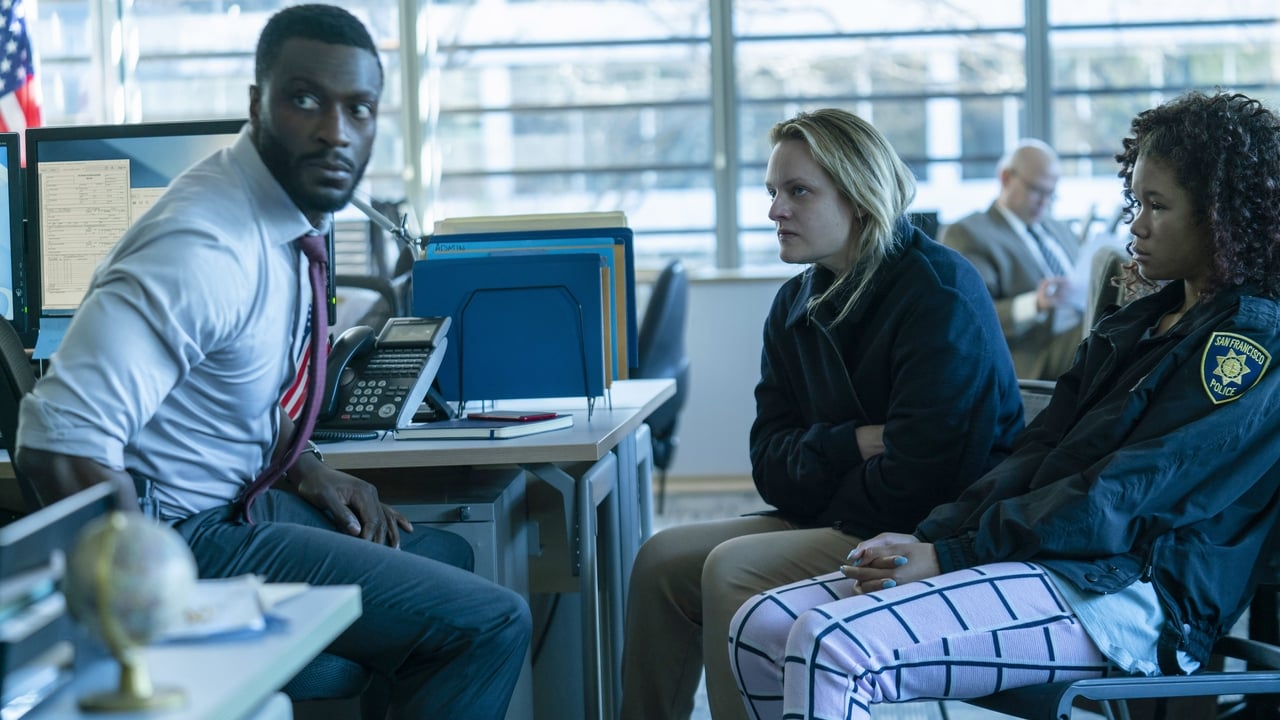
This isn't just a horror movie; it’s a grueling depiction of gaslighting. Because Adrian is a world leader in "optics," he doesn't just haunt her; he systematically dismantles her sanity. He moves her keys. He opens the front door. He makes her look "crazy" to her sister (Harriet Dyer) and her friend James (Aldis Hodge). Moss plays these scenes with a raw, vibrating nerves-on-the-outside energy that makes your own skin crawl. There’s a scene where she’s interviewing for a job and realizes her portfolio is empty—the look of pure, systemic defeat on her face is more upsetting than any jump scare.
The brilliance of the "invisibility" here is that it functions as a metaphor for how society treats victims of domestic abuse. People want to help Cecilia, but they can’t see the threat, so they eventually stop believing it exists. Whannell uses the sci-fi conceit to highlight a very real, very ugly social dynamic.
Negative Space and Practical Magic
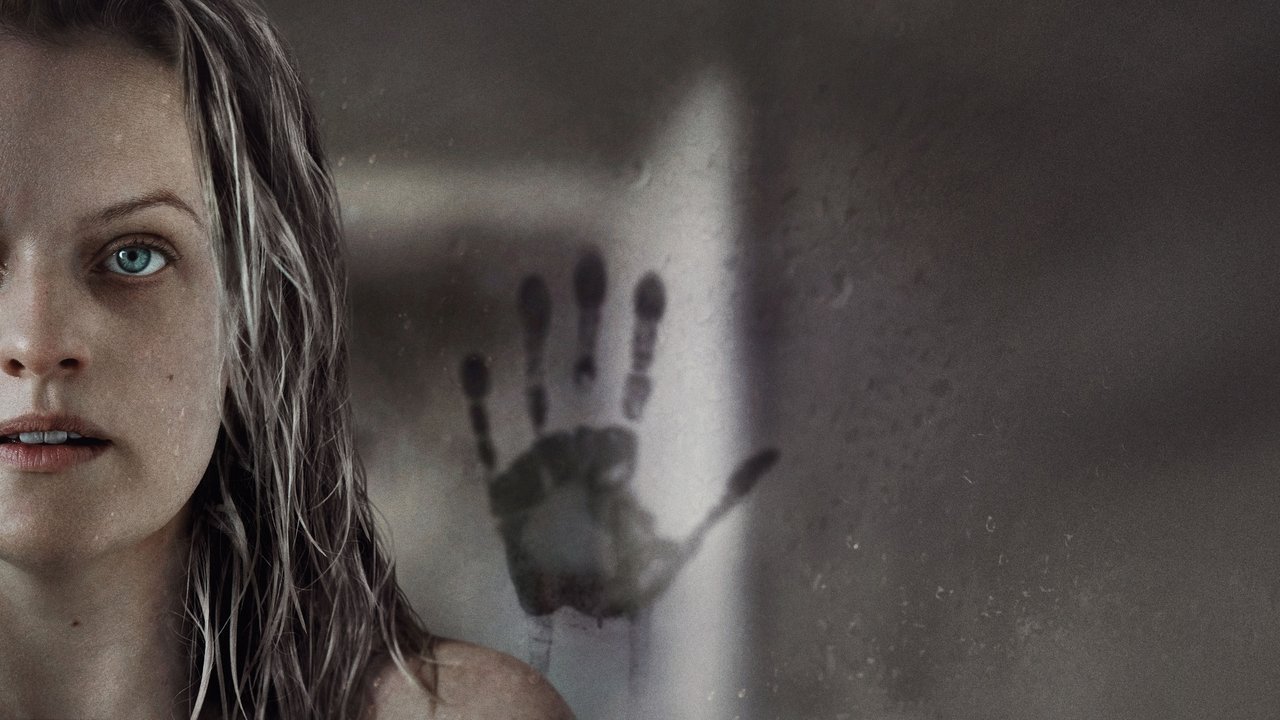
From a technical standpoint, the film is a masterwork of restraint. Cinematographer Stefan Duscio uses wide, locked-down shots that make the environment feel massive and oppressive. Because we know someone might be in the frame, every inch of the screen becomes a potential source of danger. It’s the opposite of modern "shaky-cam" horror; it’s still, silent, and suffocating.
Then there’s the sound design. Benjamin Wallfisch’s score doesn't rely on orchestral swells; it uses mechanical, grinding textures that sound like a panic attack. When the film goes silent—which it often does—the absence of sound becomes a character. You find yourself straining to hear a footfall on a rug or the slight hiss of a kitchen burner.
The production was famously scrappy despite its polished look. For the scenes where Cecilia is fighting the "Invisible Man," Moss was often grappling with a stuntman in a full-body green suit. In the finished film, the effects are seamless, but the mental image of Elisabeth Moss fighting a giant radioactive-looking Kermit the Frog is the only thing that kept me from being genuinely traumatized. It’s a testament to her acting that she makes those physical struggles feel like life-or-death encounters rather than a weird gym class exercise.
Why It Matters Now
Released just weeks before the 2020 lockdowns, The Invisible Man feels like a time capsule of a very specific anxiety. It deals with isolation, the feeling of being trapped in your own home, and the fear of an invisible threat that no one seems to take seriously enough. It grossed over $140 million on that $7 million budget—a staggering return that proved audiences were starving for horror with a brain and a soul.
It’s a film that respects its audience's intelligence. It doesn't over-explain the tech, and it doesn't give Adrian a "tragic backstory." He’s just a monster who uses a suit to be the person he already was on the inside. By the time the third act rolls around and the film shifts into a more traditional thriller, you’re so invested in Cecilia’s survival that the shift feels earned rather than forced.
The film succeeds because it understands that the scariest part of the original H.G. Wells concept wasn't the invisibility—it was the impunity. When you can’t be seen, you can’t be held accountable. Leigh Whannell took a dusty black-and-white relic and turned it into a sharp, gleaming scalpel of a movie that cuts right into the heart of modern fears. It’s a reminder that sometimes the best way to see a classic character clearly is to look at the shadow they leave behind.
***
Stuff You Didn't Notice:
The budget was so tight that the "high-tech" laboratory was actually a refurbished basement in an Australian office building. Elisabeth Moss did many of her own stunts, including the grueling kitchen fight scene which required her to be tossed around by wires to simulate an invisible attacker. The "Invisible Man" suit was designed to look like a collection of thousands of tiny camera lenses, a nod to the theme of surveillance. The film was shot in just 40 days, an incredibly fast turnaround for a movie with this level of visual effects. * If you look closely at the background in the opening escape sequence, you can see the camera pans are timed specifically to suggest "someone" is watching her leave.

Keep Exploring...
-
Upgrade
2018
-
Insidious: Chapter 3
2015
-
A Quiet Place Part II
2021
-
Wolf Man
2025
-

The Substance
2024
-
Companion
2025
-
10 Cloverfield Lane
2016
-

Don't Breathe
2016
-

It
2017
-
Split
2017
-
A Quiet Place
2018
-

M3GAN
2022
-

The Black Phone
2022
-

Godzilla Minus One
2023
-
A Quiet Place: Day One
2024
-
Get Out
2017
-
Maze Runner: The Death Cure
2018
-

Alien: Romulus
2024
-

Sinners
2025
-

The Long Walk
2025