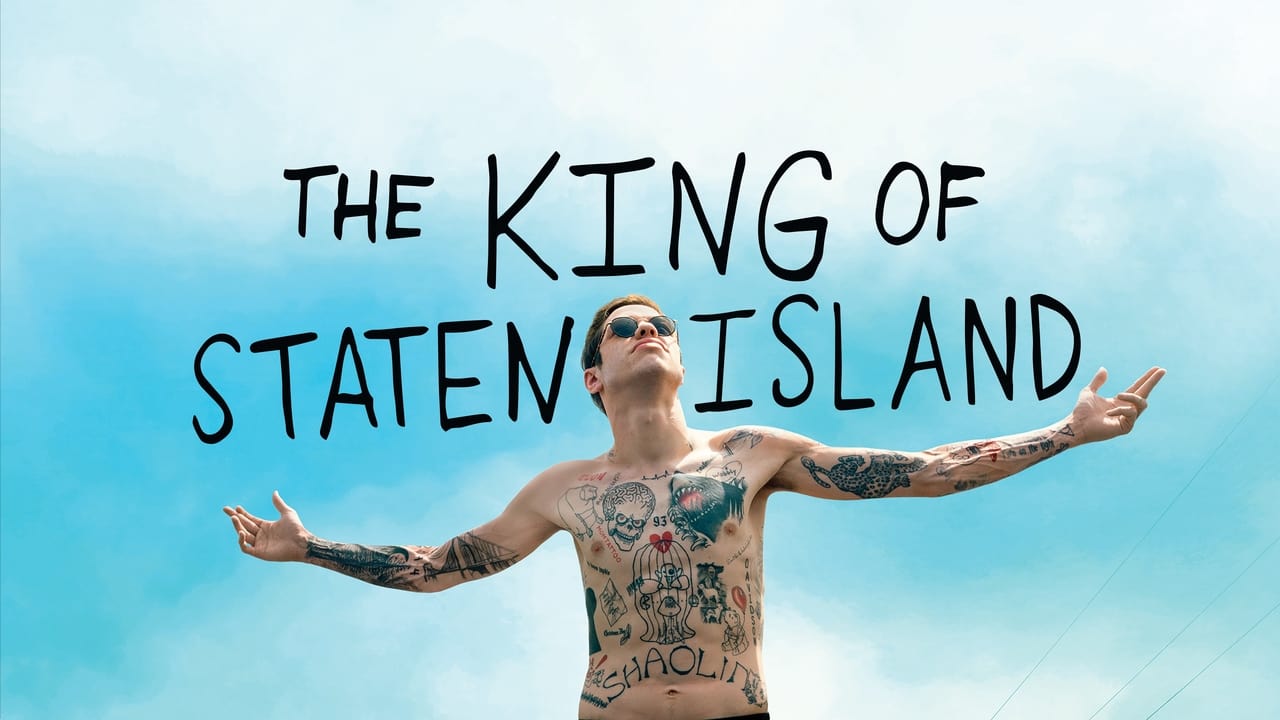
The King of Staten Island
"Growing up is the hardest tattoo to finish."
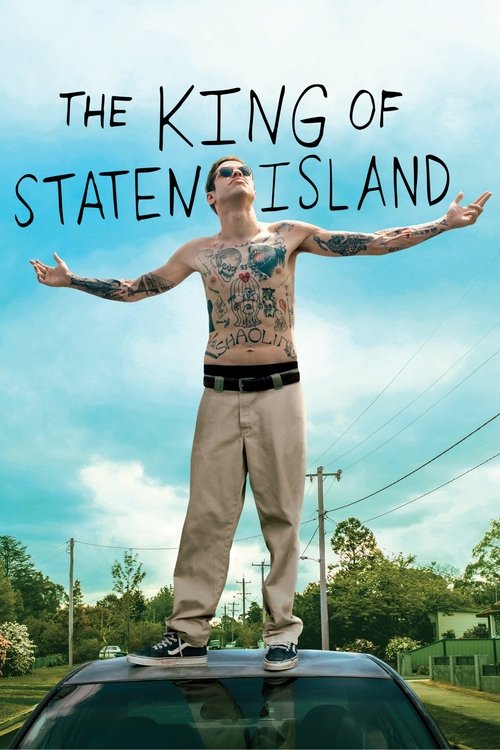
Staten Island is the only place in New York City where you can feel like you’re in a small town in Ohio while staring directly at the Manhattan skyline. It’s a borough defined by the ferry—a literal floating waiting room for people who aren't quite ready to join the "real" world. When The King of Staten Island dropped in June 2020, the entire planet was stuck in that same kind of limbo. I watched this movie for the first time while wearing a pair of heather-gray sweatpants I hadn't washed in four days, which, in retrospect, was the only way to truly commune with the spirit of Pete Davidson.
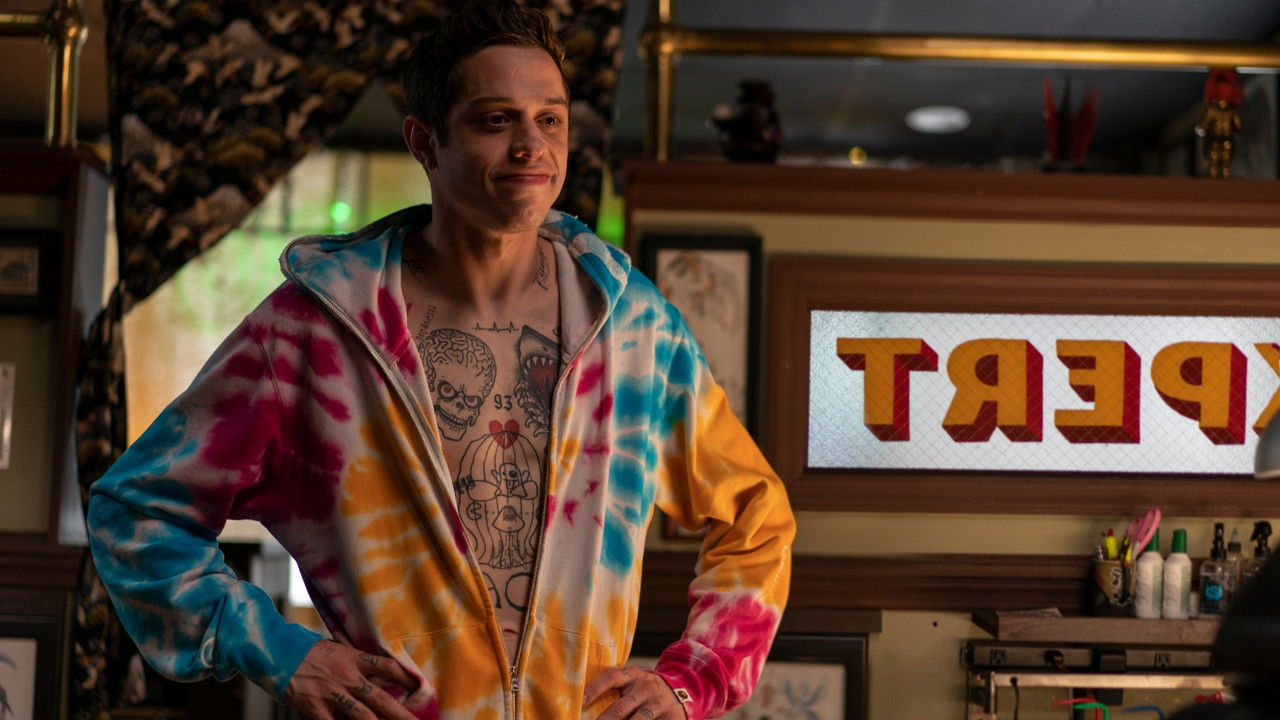
At the time, the film felt like a sacrificial lamb for Universal Pictures. With theaters shuttered by the pandemic, they bypassed the traditional release and dumped this $35 million dramedy straight into our living rooms via Premium VOD. Because of that, it’s become one of those "forgotten" big-budget indies—a movie that should have been a summer staple but instead became a digital footnote that many people still haven't circled back to find.
The Art of Shambolic Healing
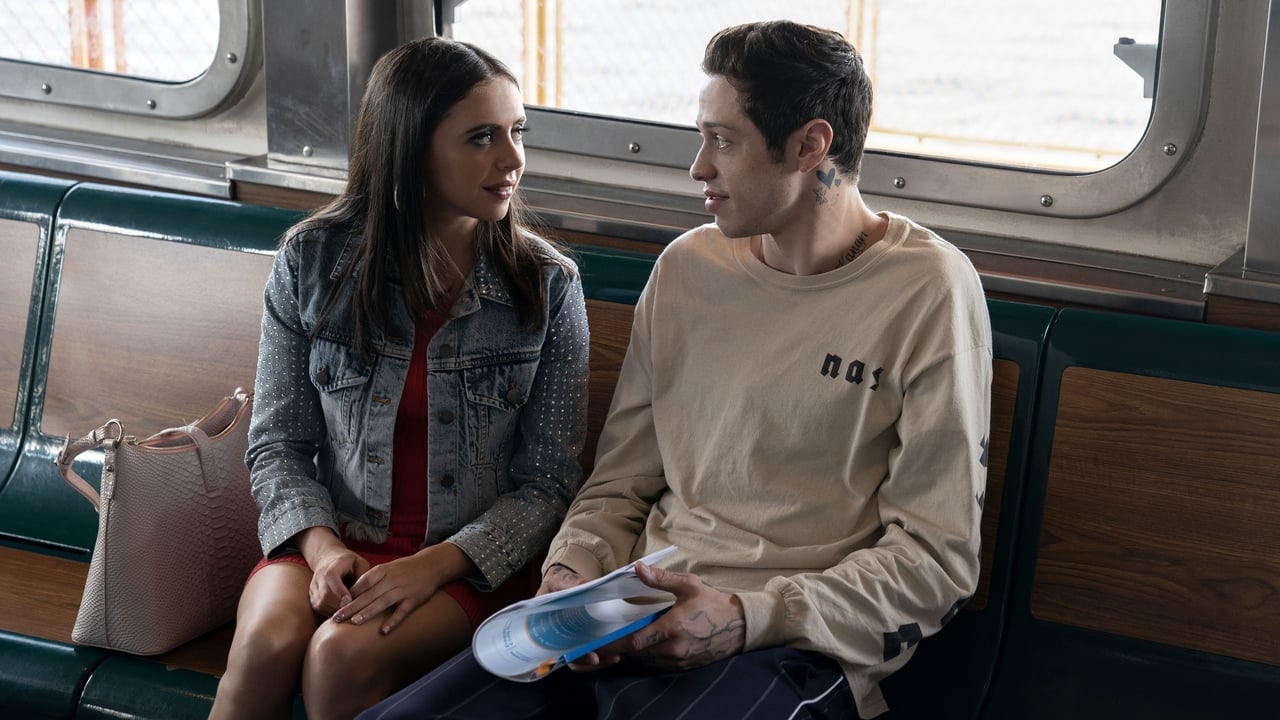
The movie is a loosely disguised autobiography of its star. Pete Davidson plays Scott Carlin, a mid-20s "arrested development" case study living with his mother, Margie (a wonderfully grounded Marisa Tomei). Scott spends his days in a haze of weed smoke and "practicing" tattoos on his friends, who are played with pitch-perfect aimlessness by actors like Ricky Velez. The engine of the story is the same tragedy that defines Davidson’s real life: the death of his firefighter father.
What’s fascinating about this film in the context of contemporary cinema is how it tackles mental health without the glossy, "everything will be okay" filter we usually see. Scott is frustrating. He’s impulsive, he’s rude, and he’s terrified of success because success requires effort. He’s also dealing with Crohn’s disease and ADHD, which the movie treats as mundane realities rather than plot points. I’ve always found that the most honest dramas are the ones where the protagonist is their own worst enemy, and Scott Carlin is a black belt in self-sabotage.
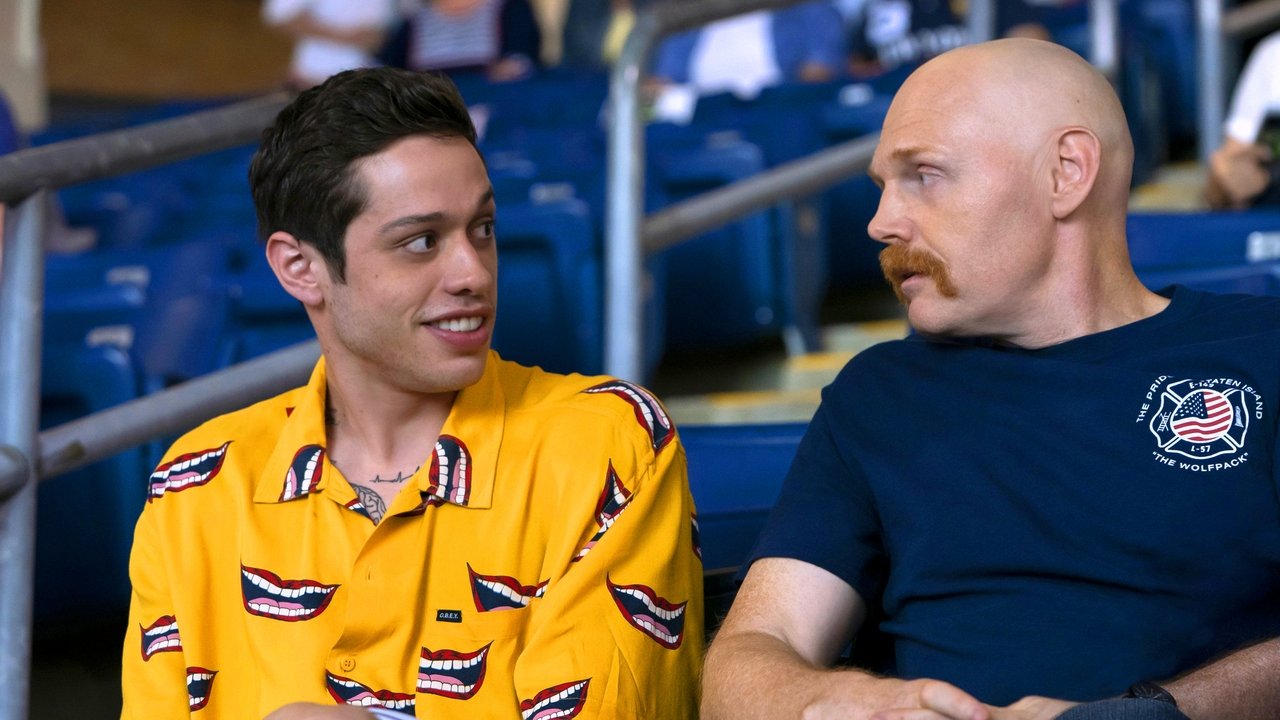
The drama shifts gears when Margie starts dating Ray, a loudmouthed firefighter played by Bill Burr. If you’ve ever wanted to see a cinematic representation of "unstoppable force meets immovable object," put these two in a room together. Burr brings a jagged, working-class energy that cuts right through Scott’s mopey defense mechanisms. Their chemistry isn't about "finding a new dad"; it’s about two broken guys realizing they’re looking in a mirror.
The Ghost of the Firehouse
One of the best things Judd Apatow did here—returning to the director's chair with a bit more restraint than usual—was casting Steve Buscemi as Papa, a veteran firefighter. There’s a meta-textual weight here that hits hard if you know your trivia: Buscemi was a New York City firefighter before he was an actor, and he famously returned to his old engine company to work 12-hour shifts at Ground Zero after 9/11. When he talks to Scott about his father’s legacy, it doesn't feel like a script. It feels like a transmission from a guy who actually knows the smell of a firehouse.
The film does suffer from the classic Apatow bloat—at 137 minutes, it’s about twenty minutes longer than it needs to be. There’s a subplot involving Bel Powley as Scott’s "secret" girlfriend, Kelsey, that is charming but occasionally feels like it’s competing for space with the main emotional arc. However, even the "filler" scenes have a lived-in quality. The tattoo scene involving a nine-year-old kid is the most agonizingly uncomfortable I’ve been in a comedy since the chest-waxing bit in The 40-Year-Old Virgin. It’s a moment that reminds you Scott isn't just a quirky guy; he’s a guy whose lack of boundaries is genuinely dangerous.
Why It Vanished (And Why to Find It)
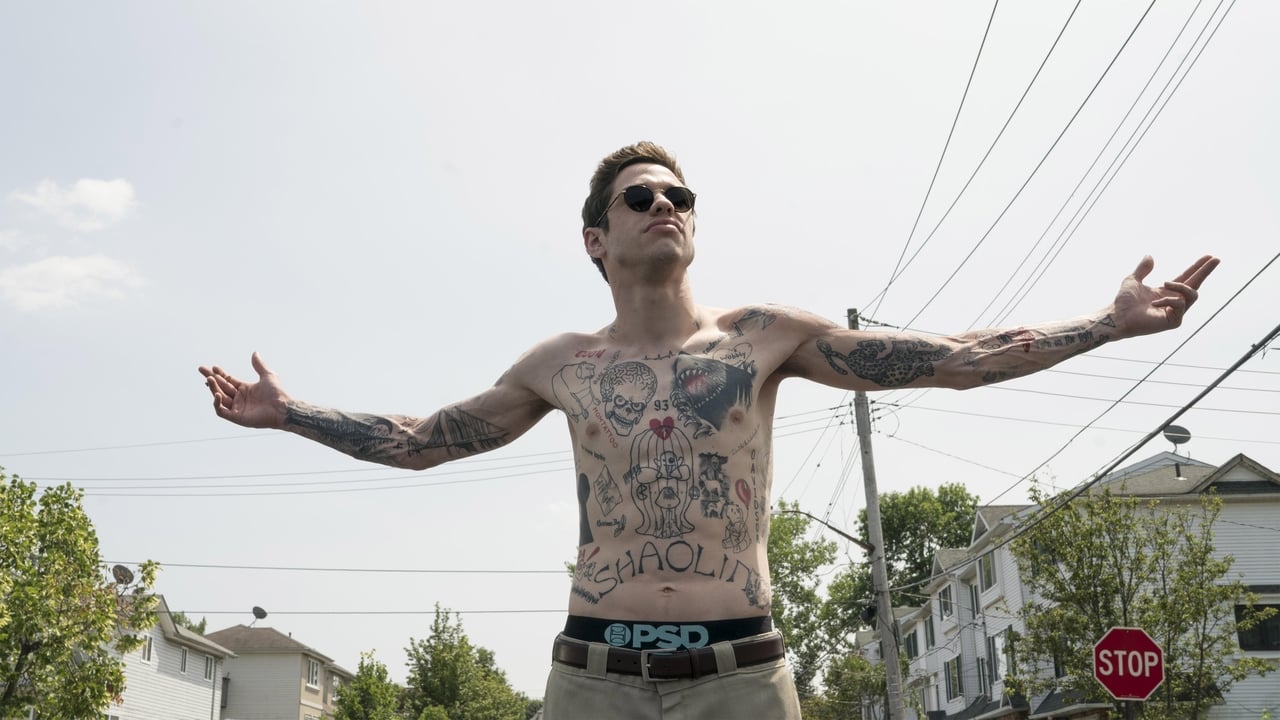
It’s a shame this movie didn't get the theatrical run it deserved. In an era where every major release is either a $200 million franchise tentpole or a micro-budget horror flick, the mid-budget adult drama is an endangered species. Universal's decision to go VOD was a massive industry pivot that accelerated the "streaming vs. theatrical" war we’re still fighting today. Because it lacked the "event" feel of a cinema release, it slipped through the cultural cracks.
But The King of Staten Island is worth the excavation. It’s a film that understands that grief doesn't just go away; it just becomes something you learn to carry while you're trying to do something else. The cinematography by Robert Elswit (who shot There Will Be Blood) gives Staten Island a hazy, golden-hour beauty that makes the borough look like a dream you're slowly waking up from.
If you can handle the runtime and Pete Davidson’s specific brand of chaotic energy, there is a very beating heart under all the tattoos and weed smoke. It’s a messy, occasionally overlong, but deeply sincere look at what it means to stop being a ghost in your own life. Just maybe wash your sweatpants before you hit play.
Keep Exploring...
-
Knocked Up
2007
-
Anomalisa
2015
-

Dope
2015
-
Entourage
2015
-
Whiskey Tango Foxtrot
2016
-
Battle of the Sexes
2017
-

Home Again
2017
-

The Meyerowitz Stories (New and Selected)
2017
-
The Old Man & the Gun
2018
-

Welcome to Marwen
2018
-
The Peanut Butter Falcon
2019
-
Dog
2022
-
American Fiction
2023
-
Beautiful Disaster
2023
-

Kinds of Kindness
2024
-

Funny People
2009
-

The Dressmaker
2015
-
Florence Foster Jenkins
2016
-

Justice League vs. Teen Titans
2016
-
My Life as a Zucchini
2016