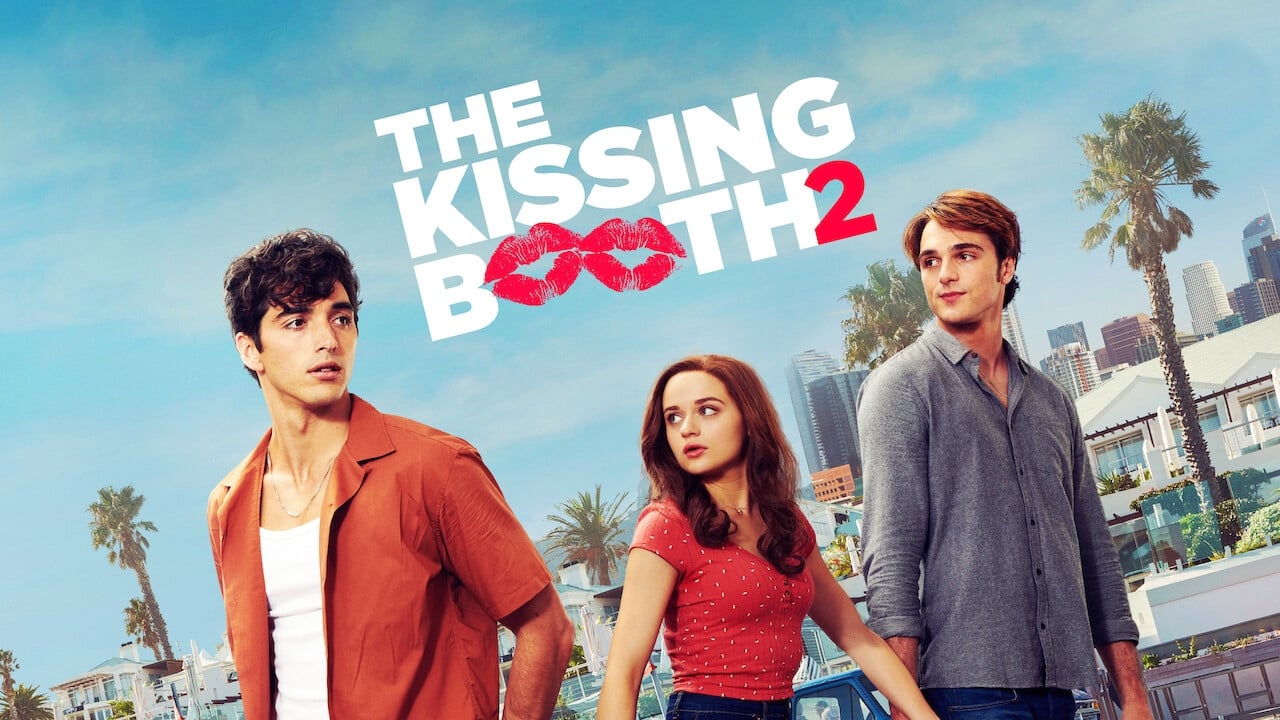
The Kissing Booth 2
"The algorithm wants what the heart wants."
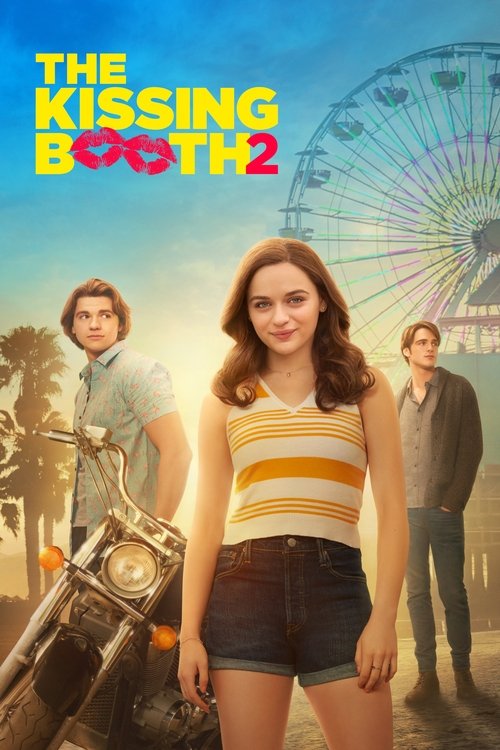
In the sweltering, stationary summer of 2020, while the rest of the world was sourdough-prepping and doom-scrolling, Netflix dropped a 132-minute romantic comedy that felt like a frantic signal sent from a parallel dimension. The Kissing Booth 2 didn't just arrive; it materialized as a primary-colored monolith of the streaming era, a film so unashamedly overstuffed that it bordered on the avant-garde. I watched it on a Tuesday afternoon while wearing one striped sock and one polka-dot sock, and that minor domestic chaos felt like the perfect spiritual preparation for the narrative hurricane I was about to witness.
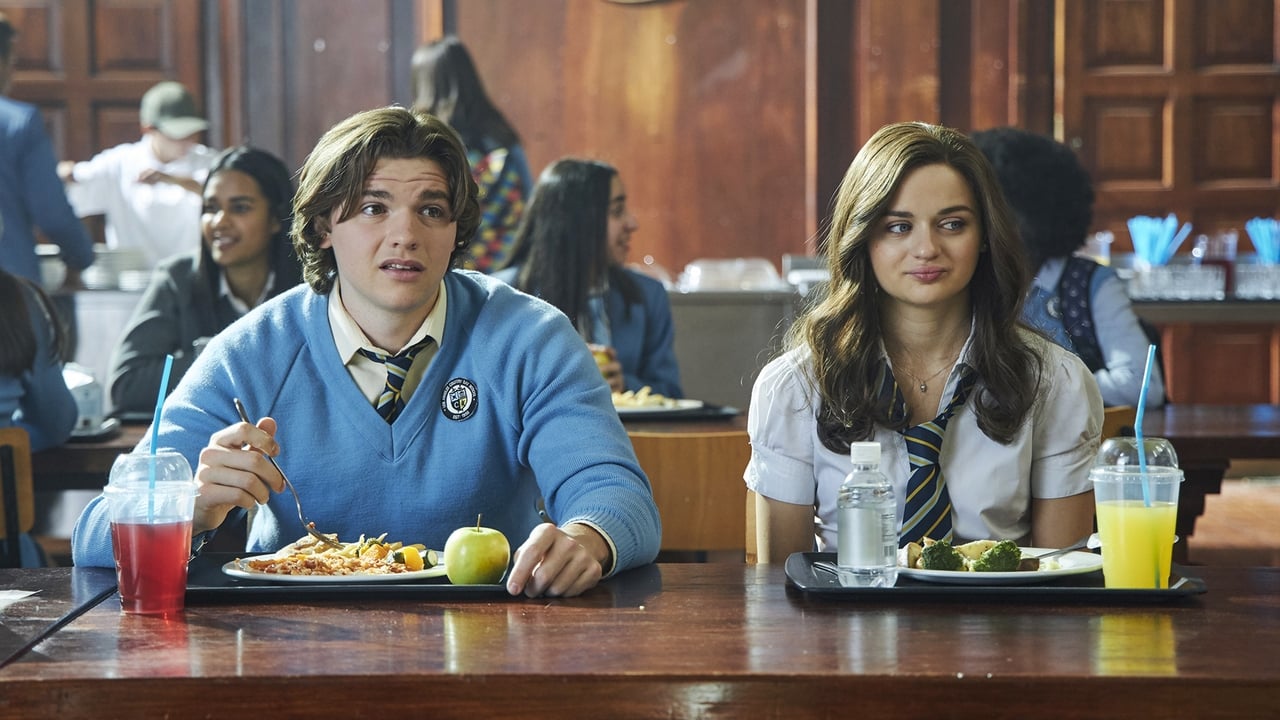
The Social Contract of the Rulebook
At its core, the sequel to the 2018 breakout hit moves beyond simple teen pining and enters the realm of political philosophy. Elle Evans, played with a relentless, caffeinated energy by Joey King, finds herself trapped in a rigid social contract—The Rules—established with her best friend Lee Flynn (Joel Courtney). In this contemporary era of "franchise saturation," these rules serve as a sacred text, a set of commandments that dictate who she can love and how she must behave.
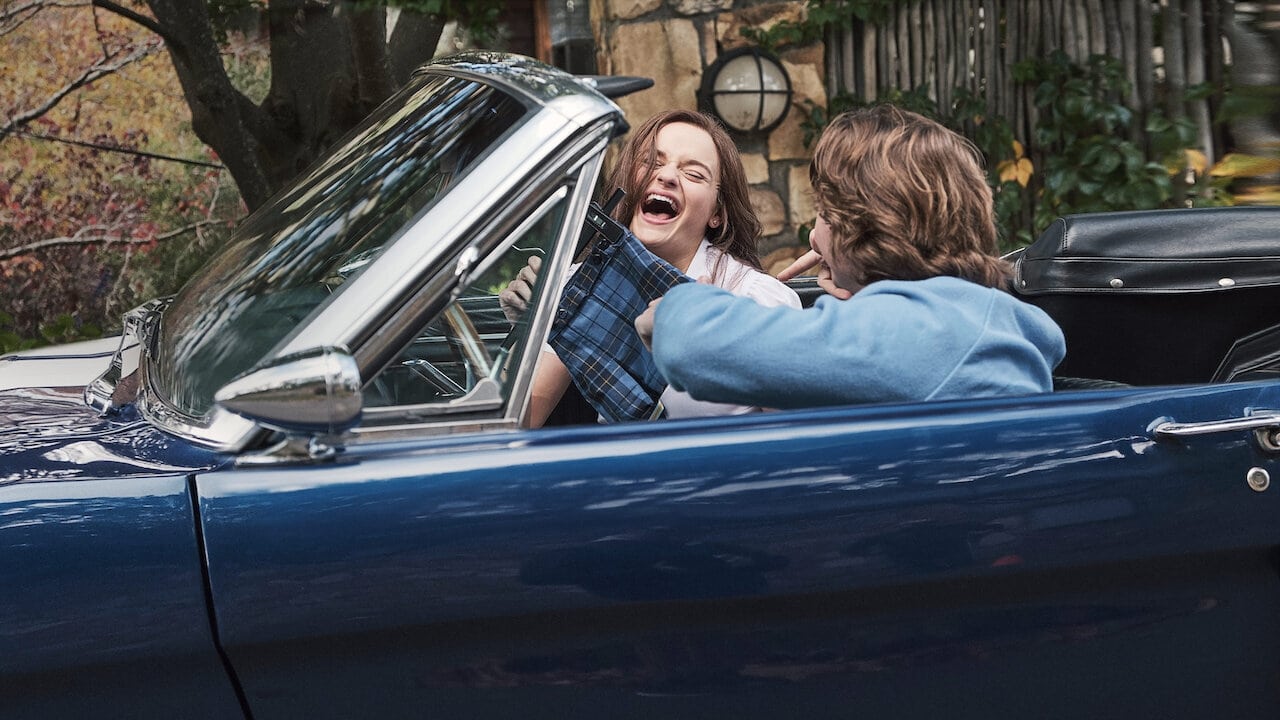
The central conflict arises when the Platonic ideal of her friendship with Lee clashes with the Romantic necessity of her long-distance relationship with Noah (Jacob Elordi), who has moved to the hallowed, intellectual halls of Harvard. The film asks a surprisingly heavy question: Can a relationship survive the transition from physical proximity to the digital void? As Elle navigates the "rules" of her friendship while Noah explores a suspiciously glamorous life in Boston with a new "friend" named Chloe (Maisie Richardson-Sellers), the film transforms into a meditation on trust in the age of Instagram. The runtime is a war of attrition against the human attention span, yet there is something fascinating about its refusal to be brief. It insists on its own importance, demanding the kind of time usually reserved for Scorsese epics.
The New Players in the Simulation
Enter Marco Peña (Taylor Zakhar Perez), the transfer student who serves as the film’s "New Challenger." If the first film was a traditional romance, the sequel is a high-stakes competition. Marco is introduced with the kind of slow-motion, musical-crescendo framing usually reserved for superheroes, and his presence introduces a classic philosophical dilemma: the Choice. Do you stay loyal to the distant, brooding memory of the past (Noah), or do you embrace the tangible, guitar-strumming vitality of the present (Marco)?
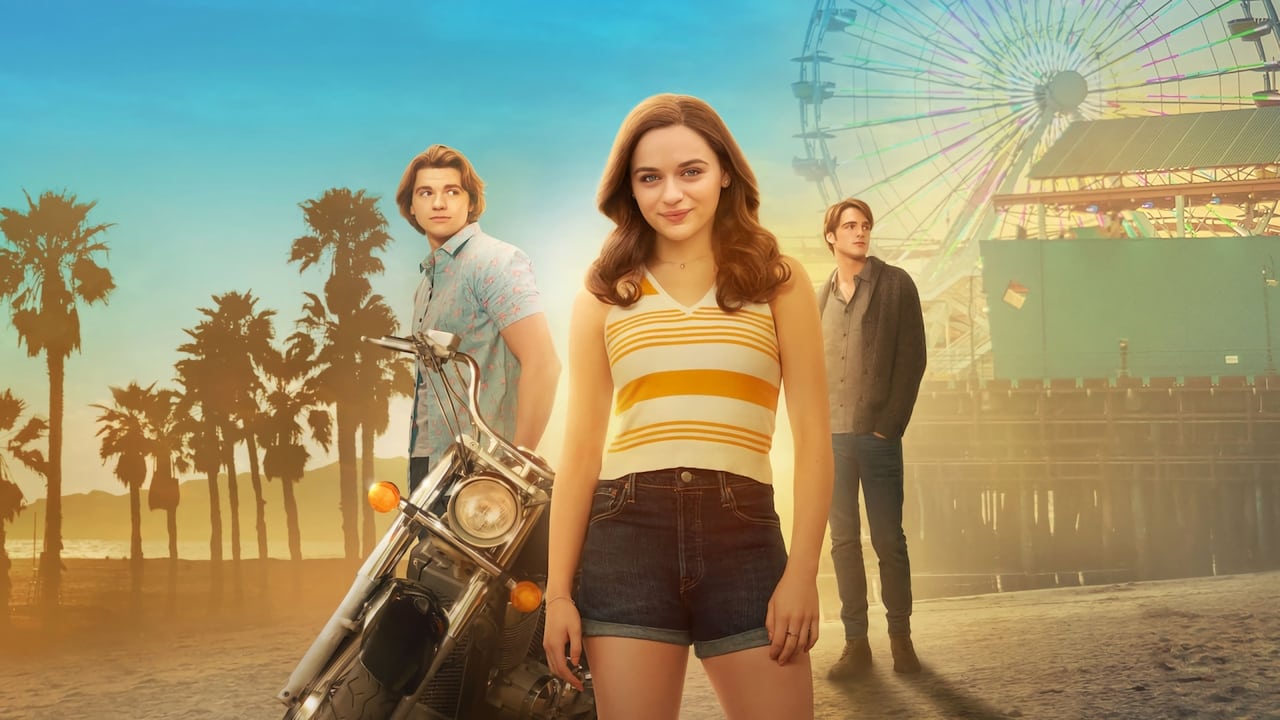
The chemistry here is where the "Comedy" genre tag earns its keep. Joey King and Taylor Zakhar Perez share a kinetic rhythm during the film’s centerpiece—a high-stakes Dance Dance Revolution competition that is shot with the intensity of an Olympic final. It’s absurd, yes, but it’s played with such earnest conviction that you find yourself leaning in. I’ll admit, seeing the professional polish of the choreography made me think of my own attempts at rhythm games; I once tried to replicate a DDR sequence in my living room and nearly took out a floor lamp, proving some things are best left to the professionals.
A Netflix Relic in the Making
What makes The Kissing Booth 2 a "cult classic" of the streaming era isn't its critical acclaim—initial reviews were, let's say, less than glowing—but the way it galvanized a specific digital subculture. It’s a film built for the "TikTok generation," designed to be paused, screenshotted, and debated in comment sections. It represents a moment where the "theatrical experience" was entirely bypassed for a global, simultaneous living-room premiere.
The production itself is a treasure trove of the kind of trivia fans obsess over. For starters, Joey King was actually wearing a wig for the entire shoot because she had shaved her head for her Emmy-nominated role in The Act. Then there’s the professional tension: Joey King and Jacob Elordi had dated and broken up between the first and second films, making their on-screen romance a masterclass in professional compartmentalization. Furthermore, despite being set in a sun-drenched California, the film was largely shot in South Africa, a common tactic in the streaming era’s globalized production pipeline.
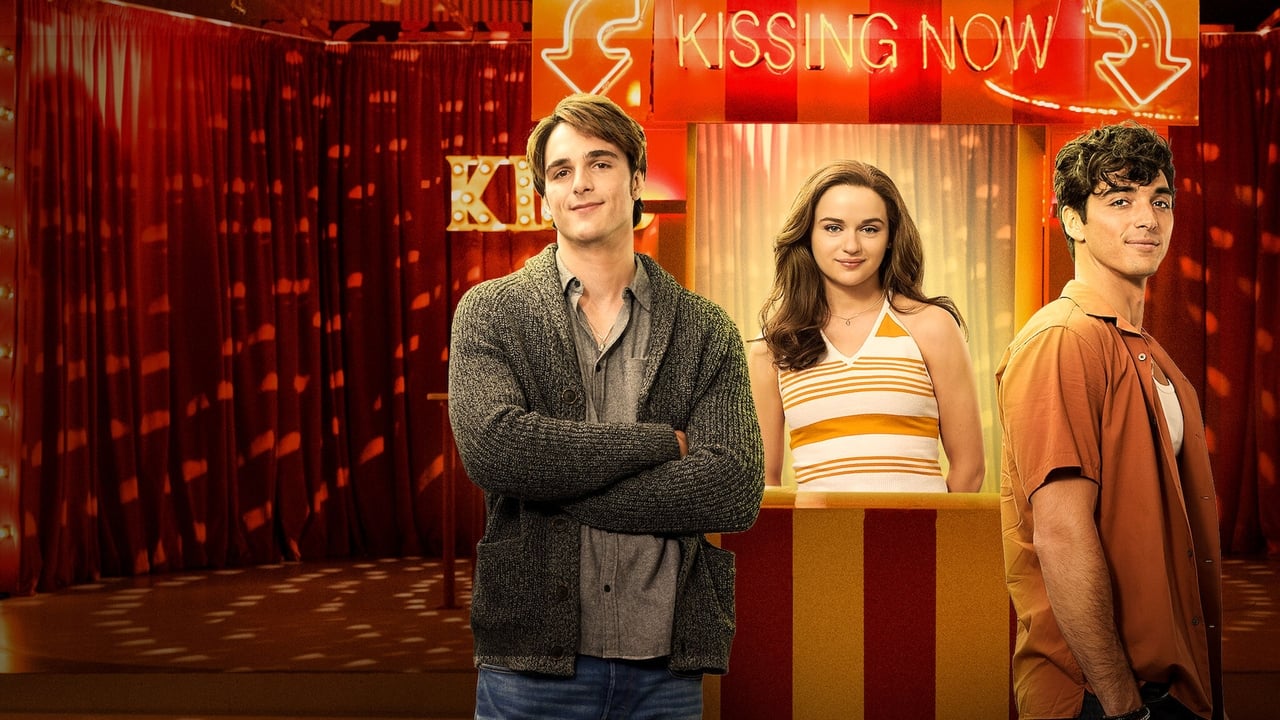
There is also the presence of Molly Ringwald as Mrs. Flynn. Her inclusion is a clever nod to cinema history, a bridge between the Brat Pack era of the 80s and this new, algorithmically-driven teen landscape. She brings a grounded, maternal grace to a film that is otherwise vibrating at a frequency of 1.25x speed.
Ultimately, The Kissing Booth 2 is a fascinating artifact of its time. It is a film that refuses to be "just a movie," opting instead to be an event—a sprawling, colorful, and occasionally exhausting exploration of the teenage psyche. It captures the specific anxiety of the "what comes next" phase of life, even if it does so through the lens of a $25,000 DDR tournament prize. While it lacks the historical distance to be called a classic in the traditional sense, it has earned its place in the streaming pantheon through sheer, unadulterated maximalism. It’s the cinematic equivalent of a sugar crash that lasts for two hours. It won't change your life, but it might just make you miss your high school best friend—or at least remind you why you're glad you don't have a "Rule Book" anymore.
Keep Exploring...
-
The Kissing Booth 3
2021
-

The Kissing Booth
2018
-
To All the Boys I've Loved Before
2018
-
Red, White & Royal Blue
2023
-
The DUFF
2015
-
The Princess Switch
2018
-
Holidate
2020
-
To All the Boys: P.S. I Still Love You
2020
-

To All the Boys: Always and Forever
2021
-

Ghosted
2023
-
No Hard Feelings
2023
-
The Longest Ride
2015
-
All the Bright Places
2020
-
Gabriel's Inferno
2020
-
A Man Called Otto
2022
-
Purple Hearts
2022
-

We Are Your Friends
2015
-
Through My Window
2022
-
Love, Simon
2018
-
Focus
2015