The Midnight Sky
"The stars are watching a dying world."
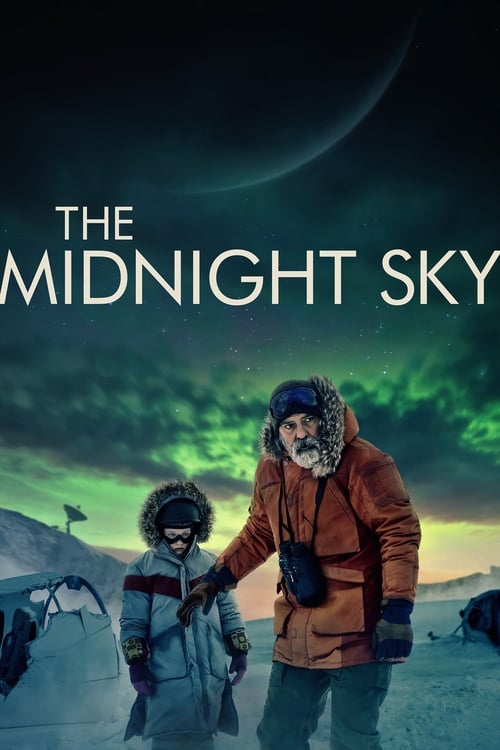
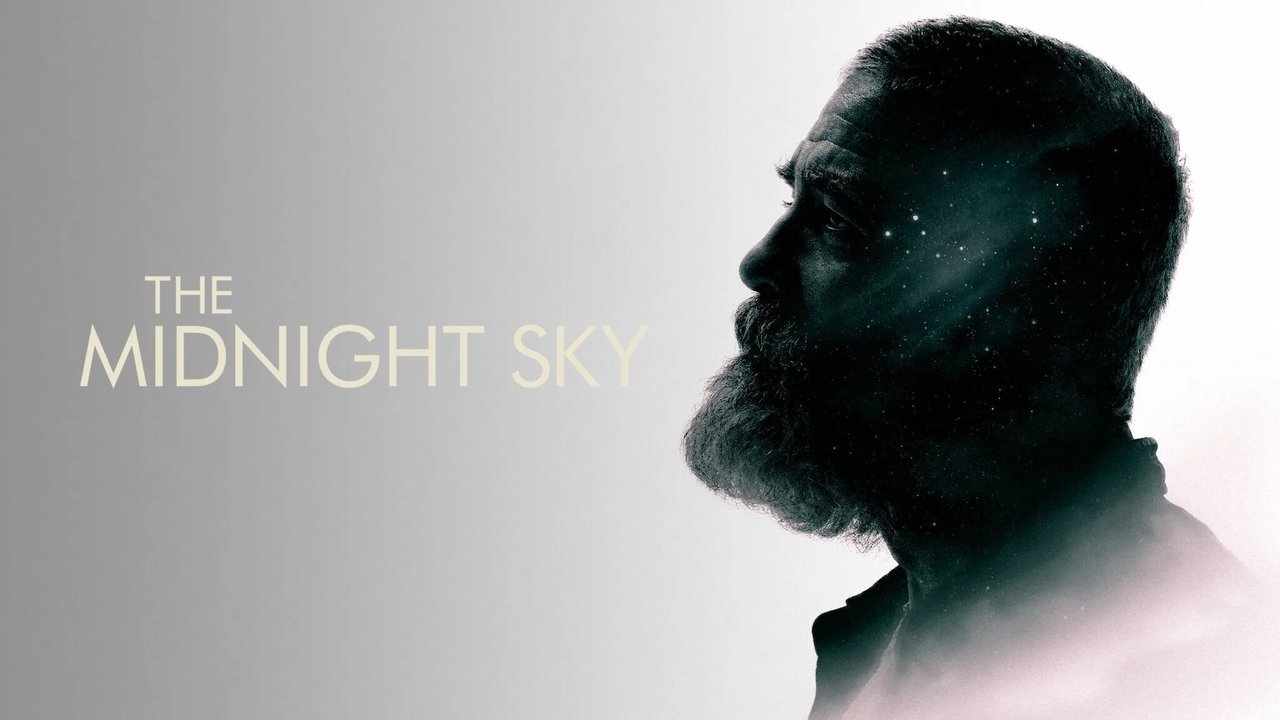
George Clooney has spent the better part of three decades being the most charming man in any given room, but in The Midnight Sky, he’s a man who has finally run out of rooms. Released in the deep winter of 2020—a time when "isolation" wasn't just a cinematic trope but a daily schedule for most of us—this Netflix odyssey arrived with the weight of a blockbuster and the soul of a funeral dirge. I watched it on a Tuesday night while my radiator hissed like a dying steam engine, and honestly, the ambient apartment noise added a layer of immersion the sound mixers probably didn't intend.
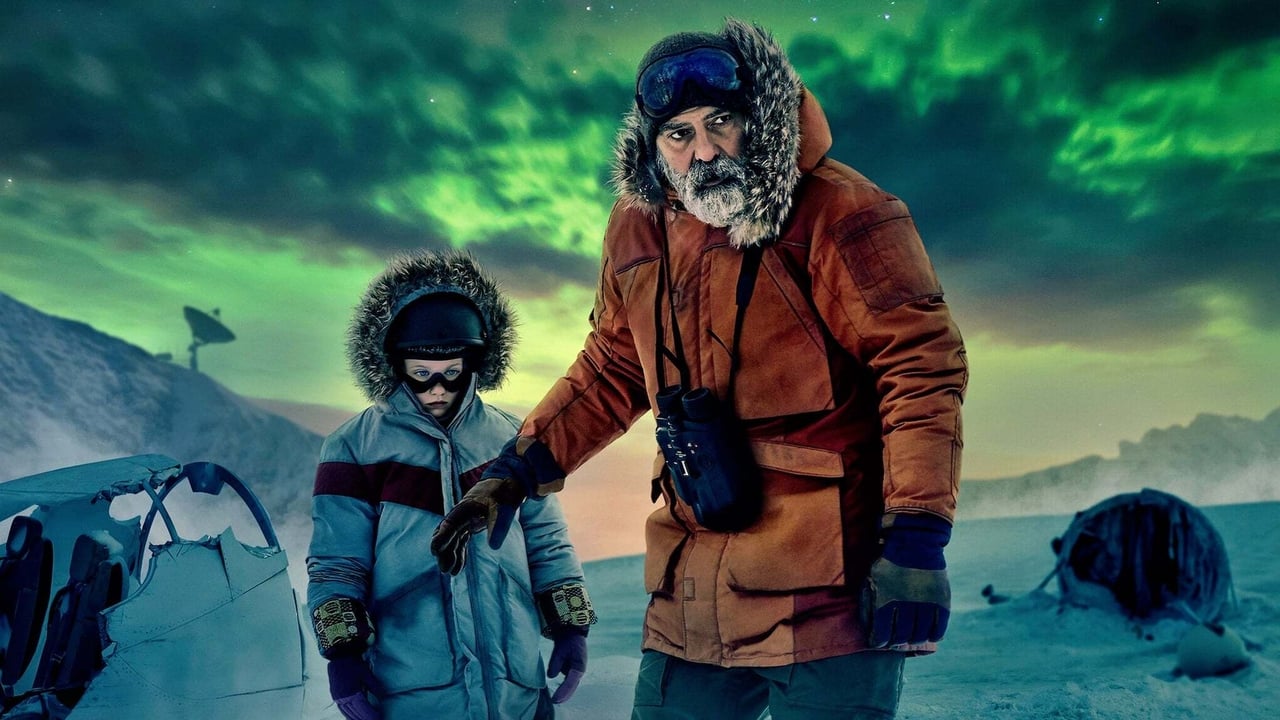
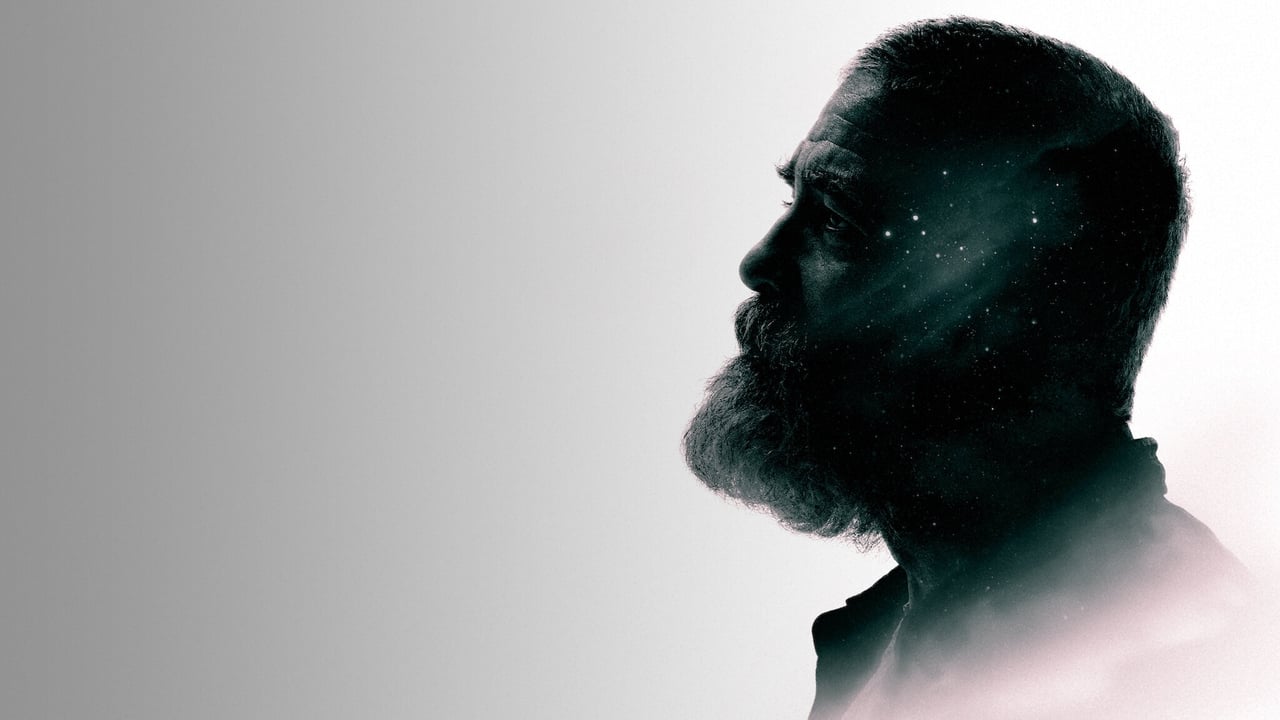
This isn't the quippy, Nespresso-sipping Clooney we know. This is "Sad Space Dad" Clooney, sporting a beard so magnificent it deserves its own SAG card. He plays Augustine Lofthouse, a terminal scientist who refuses to evacuate an Arctic base while the rest of humanity retreats into the shadows of a vague, global catastrophe. His only company is a silent young girl named Iris (Caoilinn Springall) and a radio signal he’s trying to beam to the Aether, a returning spacecraft that has no idea Earth has gone quiet.
A Masterclass in High-Budget Loneliness
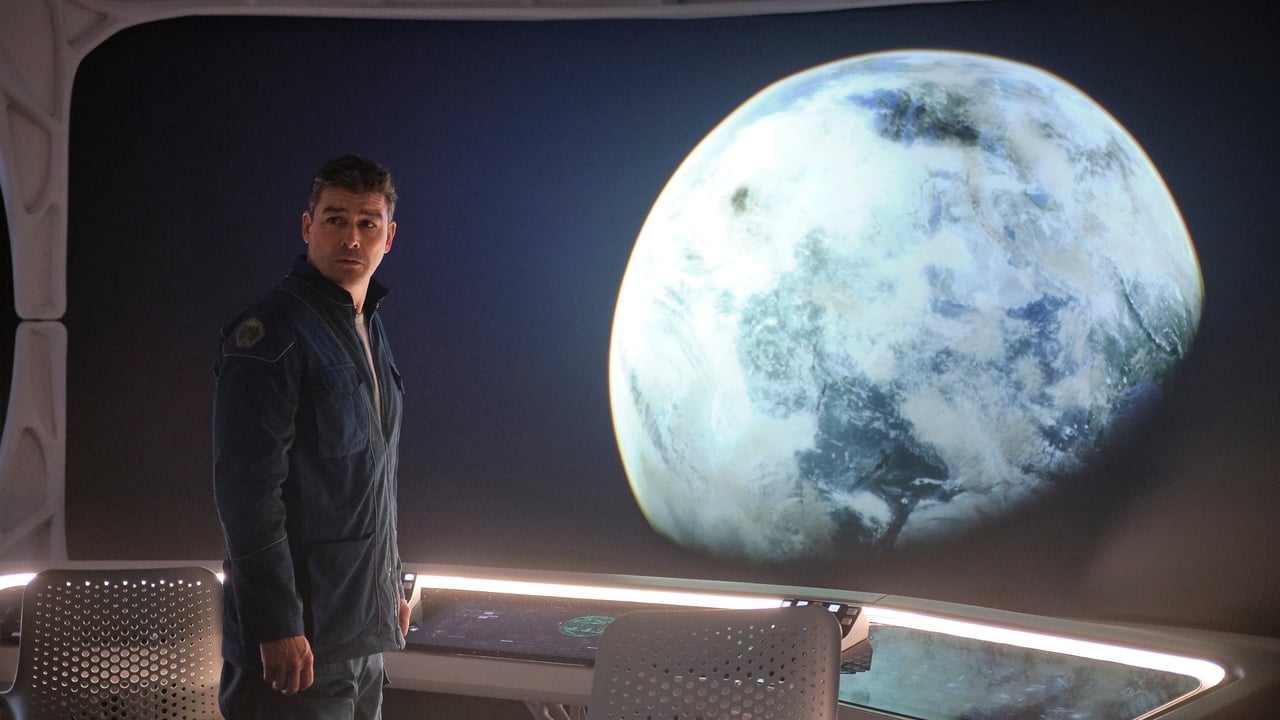
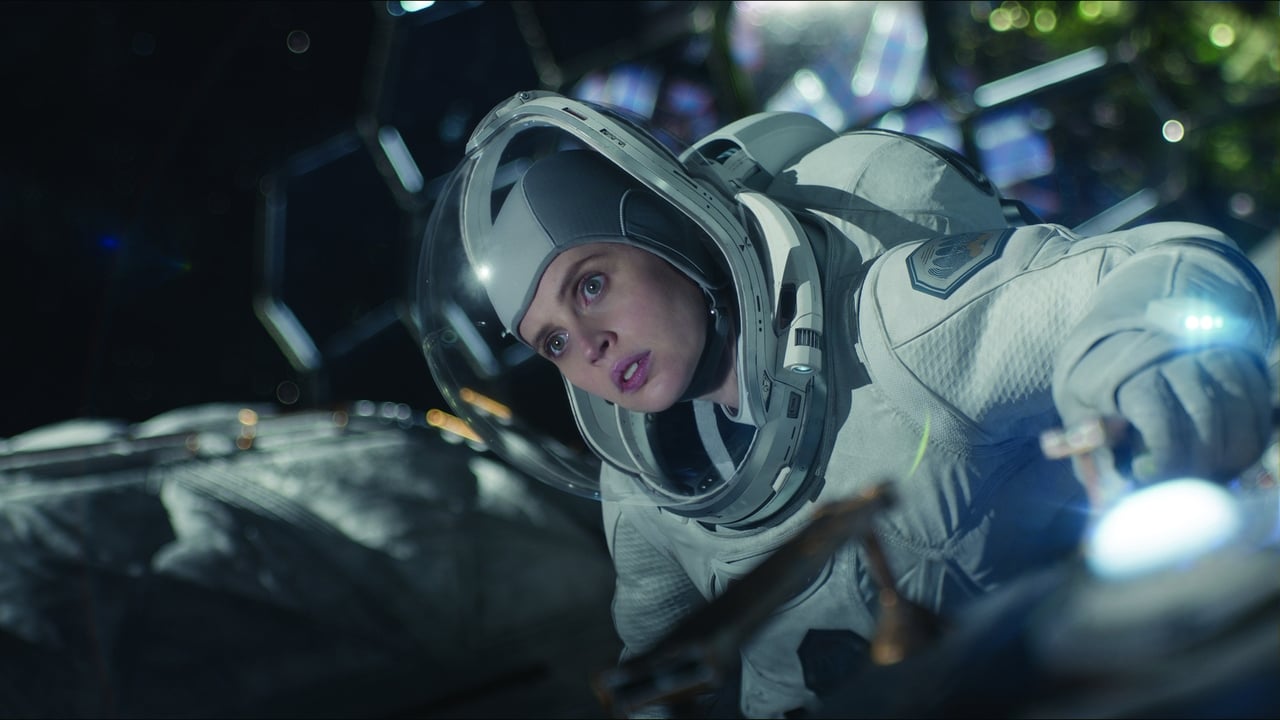
In the streaming era, we’ve become accustomed to "Content" that feels like it was shot in a parking lot with a green screen and a dream. The Midnight Sky is the antithesis of that. It’s a gorgeous, sprawling piece of filmmaking that utilizes the same "Volume" technology (those massive LED screens) that made The Mandalorian look so crisp, but Clooney uses it for scale rather than fan service. The transition between the blinding, oppressive white of the Arctic and the sterile, rotating elegance of the Aether is seamless.
The space crew—led by Felicity Jones and David Oyelowo, with Kyle Chandler and Demián Bichir filling out the ranks—gives the movie its pulse. While Augustine is a story of stagnant regret, the astronauts represent the frantic, human need to keep moving. Felicity Jones, who was actually pregnant during filming, brings a grounded vulnerability to Sully that makes the stakes feel incredibly personal. I’ve always felt that sci-fi works best when the blinking lights matter less than the people pushing the buttons, and this cast treats the technical jargon like Shakespearean soliloquies.
The Revenant in Zero Gravity
The screenplay by Mark L. Smith—who also penned The Revenant (Leonardo DiCaprio) —carries over that same fascination with man vs. nature, though here "nature" includes the vacuum of space and the literal end of the world. There’s a sequence involving a spacewalk to repair an antenna that is arguably more stressful than anything in Gravity (Sandra Bullock). It’s not just the debris; it’s the silence. Alexandre Desplat, a composer who could make a grocery list sound profound, crafts a score that dances between cosmic wonder and crushing loneliness.
However, the film’s pacing is its own kind of vacuum. It’s slow. Not "thoughtful indie" slow, but "I checked my phone to see if the Wi-Fi dropped" slow. Clooney the director is clearly in love with the atmosphere, but sometimes he lingers on a snowy vista for so long that you forget there's a ticking clock involved. The movie often feels like two separate short films glued together by a very expensive bottle of Icelandic air. One is a gripping survival thriller; the other is a mournful tone poem. They don't always share the same orbit.
Stuff You Didn't Notice
One of the more fascinating bits of trivia is that Clooney ended up in the hospital with pancreatitis just days before shooting began, thanks to the extreme weight loss he underwent to look like a dying man. He was literally suffering for his art in the sub-zero temperatures of Iceland. You can see that physical toll on screen; there’s a hollowness in his eyes that isn't just "acting."
Furthermore, the production had to pivot when Felicity Jones revealed her pregnancy. Rather than using CGI to hide it or replacing her, Clooney chose to write it into the script. This single decision fundamentally changed the ending's emotional resonance, turning a story about the end of humanity into one about its potential rebirth. It’s a rare instance of real-world logistics making a film significantly better.
Ultimately, The Midnight Sky is a film that feels more like a mood than a narrative. It captures that specific 2020 anxiety—the fear that the world we knew is gone and the only thing left to do is say goodbye. It’s a bit too somber to be a "fun" Friday night watch, and the big narrative twist is something you’ll likely sniff out by the forty-minute mark if you’ve seen more than three movies in this genre. But for those who enjoy their sci-fi with a heavy dose of melancholy and a side of stunning cinematography, it’s a journey worth taking. It reminds me that even when everything is falling apart, there’s still something noble about trying to reach out across the dark.
Every time I look at a clear night sky now, I think about that lonely radio signal and hope someone, somewhere, is picking up.
Keep Exploring...
-
Suburbicon
2017
-
Equals
2015
-
Midnight Special
2016
-
The Discovery
2017
-
Extinction
2018
-
Replicas
2018
-
Awake
2021
-
Spaceman
2024
-
Z for Zachariah
2015
-
Attraction
2017
-
High Life
2018
-
The Room
2019
-
The Wandering Earth
2019
-
Crimes of the Future
2022
-

Victor Frankenstein
2015
-
Colossal
2017
-
Ghost in the Shell
2017
-
The Circle
2017
-
Ad Astra
2019
-
Glass
2019