The Night Clerk
"The camera sees everything, but understands nothing."
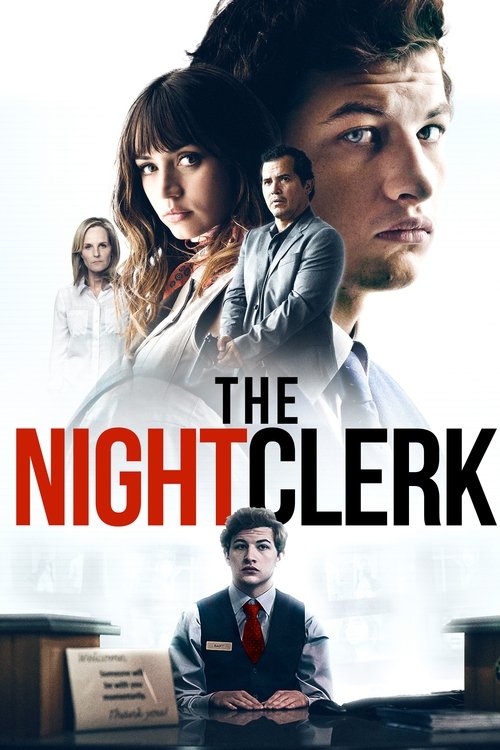
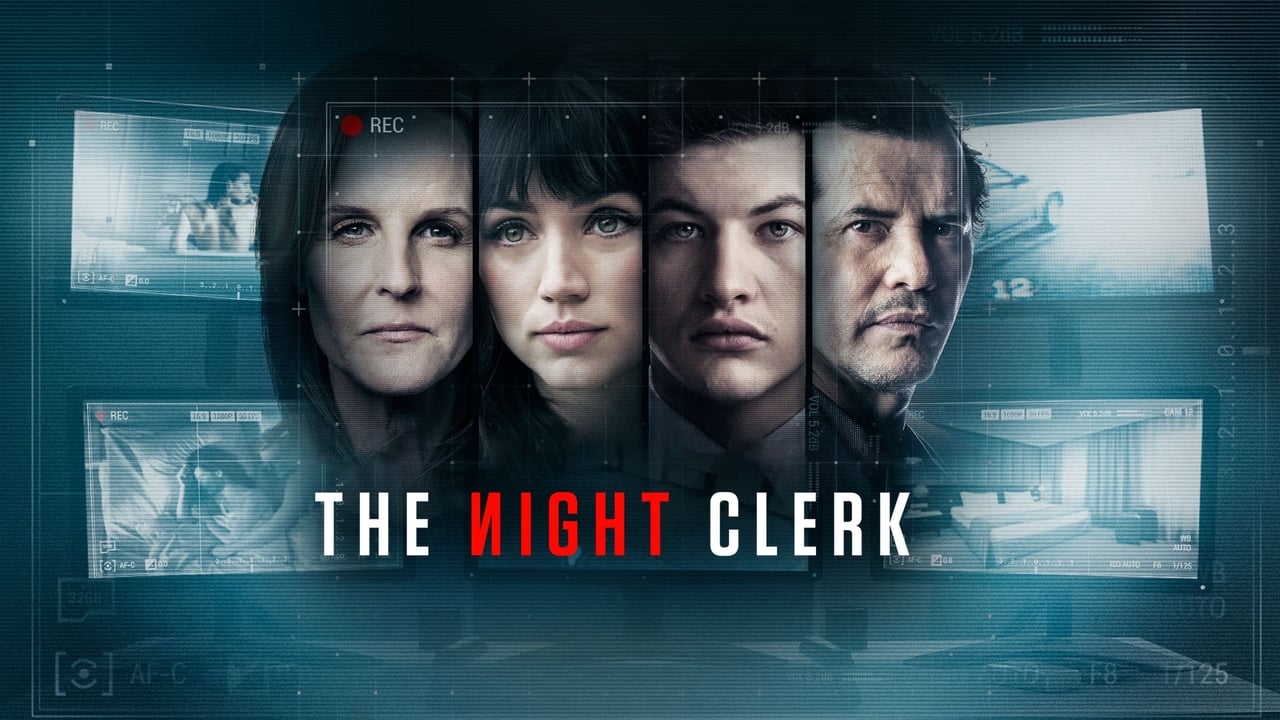
There’s something inherently uncomfortable about watching a movie centered on voyeurism while you yourself are sitting in the dark, staring at a screen. It’s a meta-layer of "creepery" that Michael Cristofer (who directed the much glossier Gia back in the 90s) leans into heavily during the opening minutes of The Night Clerk. We meet Bart, a young man on the autism spectrum who doesn't just work the graveyard shift at a hotel; he’s turned the suites into a private social laboratory, installing hidden cameras to record guests so he can practice their dialogue in the mirror later.
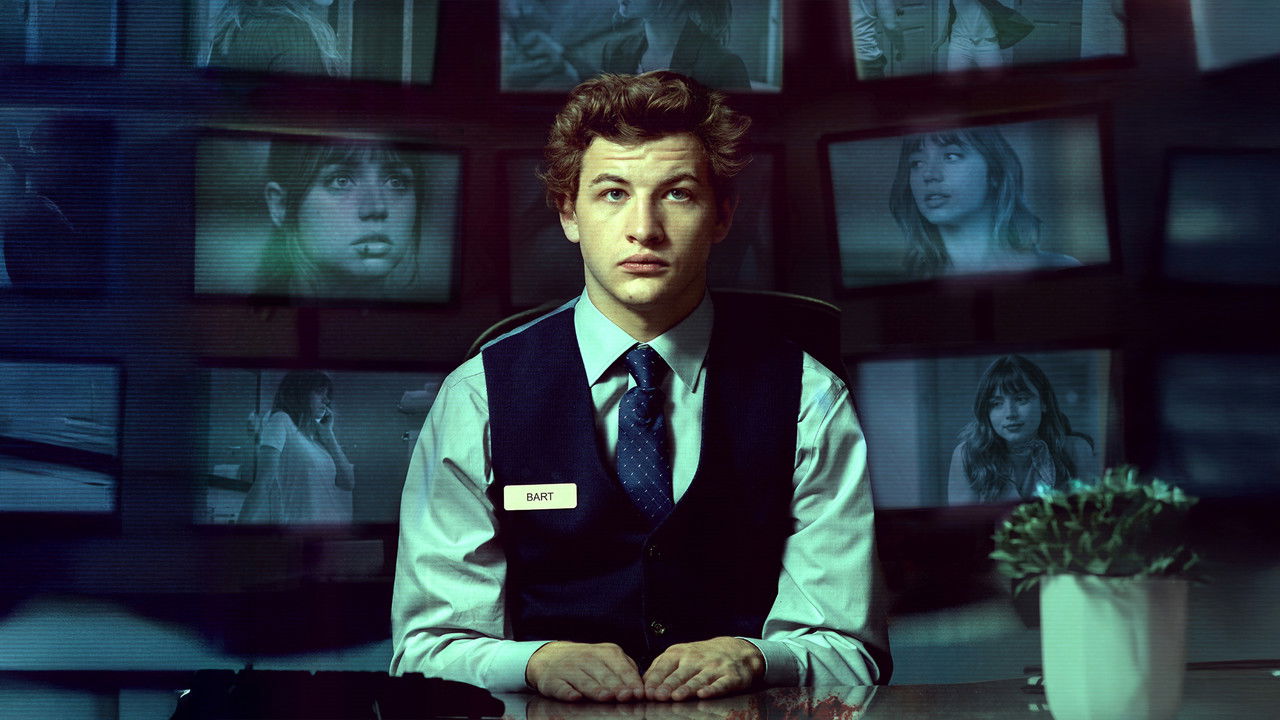
I watched this late on a Tuesday night while eating a bag of slightly stale pretzel sticks, and the crunching sound in my quiet living room felt weirdly synchronized with Bart’s own awkward, rhythmic habits. It’s a film that thrives in that quiet, slightly clinical space before the "thriller" mechanics eventually kick the door down and break the spell.
A Ghost in the Mid-Budget Machine
Released in February 2020, The Night Clerk is a fascinating specimen of the "Lost Cinema" of the early pandemic era. It hit theaters just weeks before the world hit the pause button, which explains that dismal $300,000 box office return. In any other decade, this would have been a solid rental—the kind of movie you’d find at a Blockbuster and think, "Hey, I like Helen Hunt, let’s give it a go." In our current streaming-saturated landscape, it’s a "tile" that often gets buried by the algorithm, which is a bit of a shame because Tye Sheridan is doing some genuinely interesting work here.
Sheridan, who most people recognize from Steven Spielberg’s Ready Player One or as a younger Cyclops in the X-Men films, takes a massive swing with the role of Bart. He avoids the typical "Hollywood Savant" tropes, instead playing Bart with a heavy, slouching physicality and a rapid-fire delivery that feels born from genuine anxiety rather than a screenwriter’s checklist. The thriller elements are about as sharp as a butter knife, but as a character study of a man trying to decode the human "UI" through a monitor, it actually has something to say about our current era of digital detachment.
The Noir Connection and Contemporary Tropes

The movie shifts gears when Ana de Armas checks in as Andrea. This was filmed right as she was becoming the "It Girl" of Hollywood, post-Knives Out but before she was kicking butt in No Time to Die. She brings a warmth that the movie desperately needs. Her chemistry with Sheridan is the only reason the middle hour works. You can see why Bart would be captivated; she treats him with a casual dignity that feels more "real" than the overly protective (though well-acted) hovering of his mother, played by Helen Hunt.
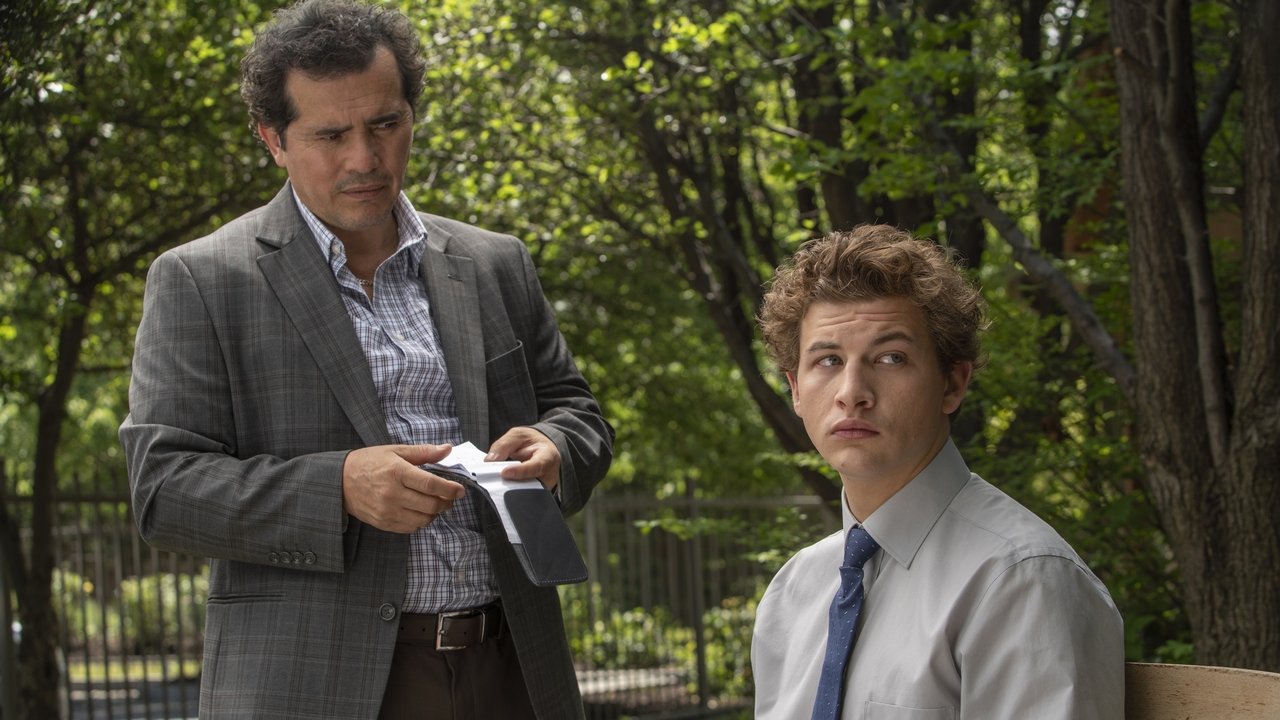
However, the plot itself feels like a 90s erotic thriller that’s been put through a "Prestige Drama" filter. A woman is murdered, Bart sees it on his monitors, he becomes the prime suspect because he’s "weird," and John Leguizamo shows up as a detective to look skeptical in a variety of well-lit hallways. Leguizamo is a pro, but the script gives him very little to do other than represent the audience's suspicion.
The film struggles with its identity. Is it a gritty look at neurodivergence? Or is it a "who-done-it" where the answer is fairly obvious from the second act? By trying to be both, it ends up being a bit of neither. The editing feels like it was handled by someone in a hurry to catch a flight, with certain scenes ending so abruptly you’ll wonder if your internet connection dipped.
Why It Slipped Through the Cracks
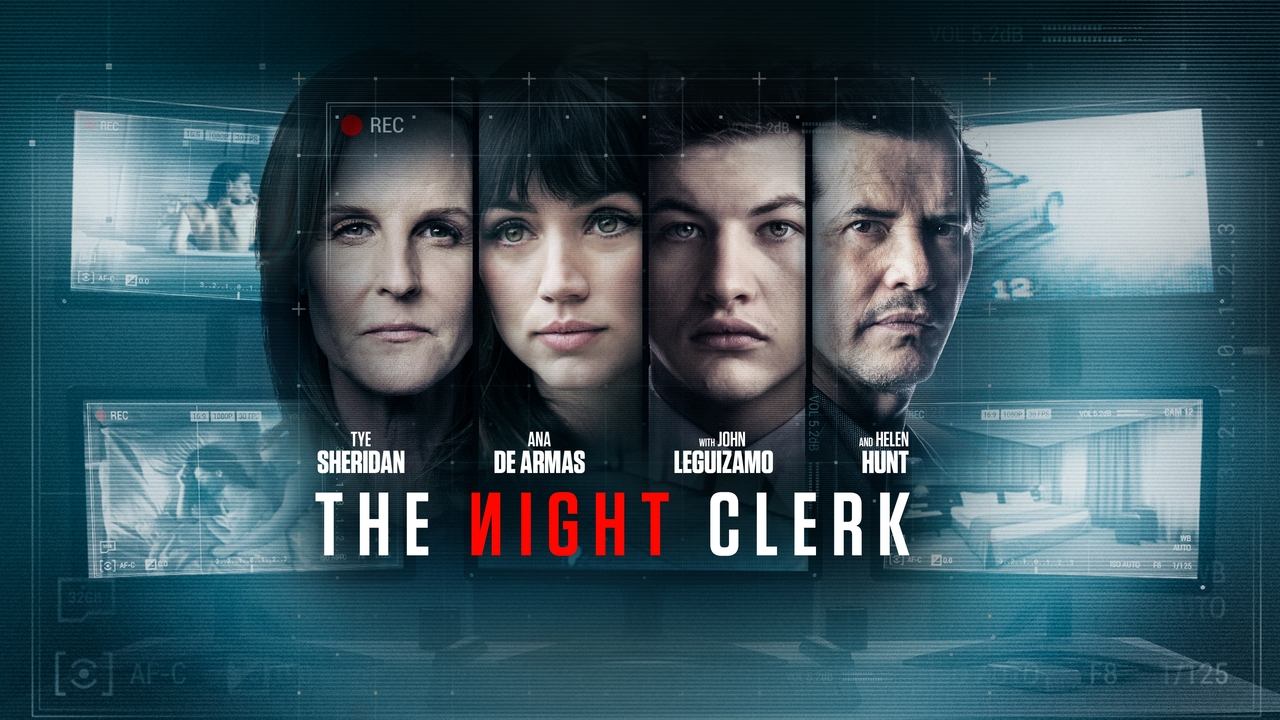
Aside from the global shutdown that happened right after its release, The Night Clerk feels like a victim of the "Mid-Budget Void." It doesn't have the flashy hooks for a massive social media campaign, and it’s too quiet to compete with the franchise behemoths. Yet, there’s a small, cult-like appeal to it. Apparently, the production was quite lean—filmed mostly in Utah—and you can feel that isolation in the cinematography.
There's a specific kind of modern loneliness captured in the blue-grey hues of the hotel lobby. It mirrors that specific feeling of being the only person awake in a digital world. It’s not a masterpiece, and it probably won’t be the subject of a deep-dive video essay anytime soon, but it’s a solid "rainy afternoon" watch for anyone who misses the days when movies were just 90 minutes of actors acting in a room.
It’s the kind of film that makes me miss the era of the "Star-Driven B-Movie." While the mystery doesn't quite hold water and the ending feels like a shrug, Tye Sheridan and Ana de Armas elevate the material enough to make it a worthwhile discovery for those digging through the depths of their watchlists. It’s a messy, well-intentioned thriller that works best if you ignore the crime and focus on the kid behind the counter. If you’ve got 90 minutes and a bag of pretzels, you could certainly do worse.
Keep Exploring...
-
The Infiltrator
2016
-

The Informer
2019
-
Live by Night
2016
-
Roman J. Israel, Esq.
2017
-
Suburbicon
2017
-
Black and Blue
2019
-

Stillwater
2021
-

Reptile
2023
-

To Catch a Killer
2023
-

Dark Places
2015
-

Heist
2015
-
Terminal
2018
-
Original Sin
2001
-
Jack Reacher: Never Go Back
2016
-
Patriots Day
2016
-
Snowden
2016
-
The Accountant
2016
-
I Don't Feel at Home in This World Anymore
2017
-
Death Wish
2018
-
The Highwaymen
2019