The Rental
"Checking in is easy. Checking out is murder."
I watched The Rental on a humid Tuesday night while wearing one mismatched sock because I couldn’t find the other one, and honestly, that minor annoyance mirrored the persistent, itchy discomfort of the movie’s plot perfectly. It’s a film that thrives on the "socially awkward" before it ever gets to the "deadly," and in our current era of sharing our lives—and our bedrooms—with strangers via apps, it feels uncomfortably relevant.
Released in the mid-summer of 2020, The Rental holds a strange place in cinema history. It was one of the first "pandemic hits," topping the box office primarily because it was playing at drive-ins while traditional theaters were shuttered. It’s also the directorial debut of Dave Franco, who proves here that he’s been paying very close attention to the stylistic choices of the A24-adjacent horror wave. He’s not just "James Franco's brother" anymore; he’s a filmmaker with a sharp eye for architecture, fog, and the precise moment a dinner party turns sour.
The Mumblecore Massacre
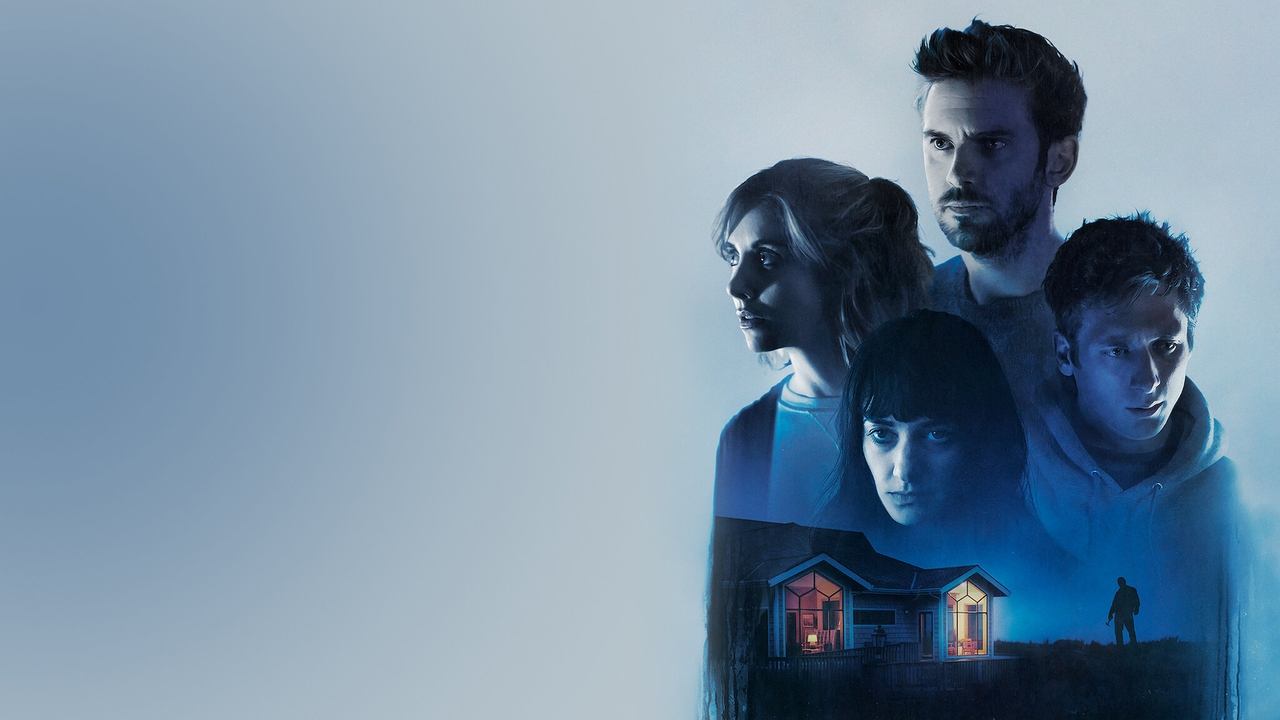
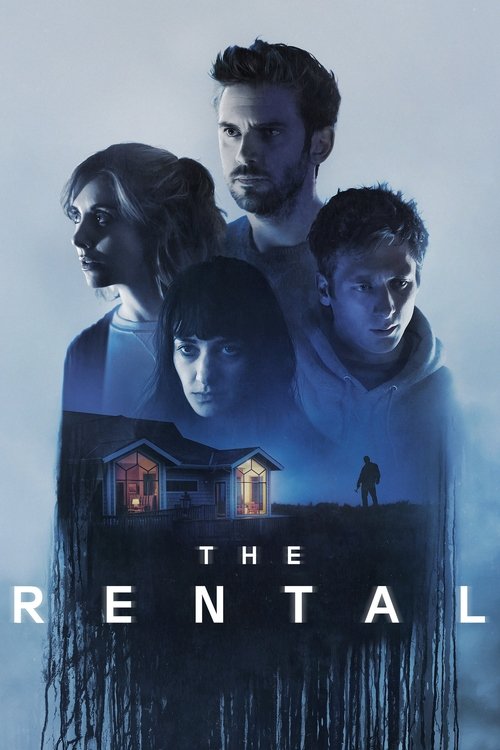
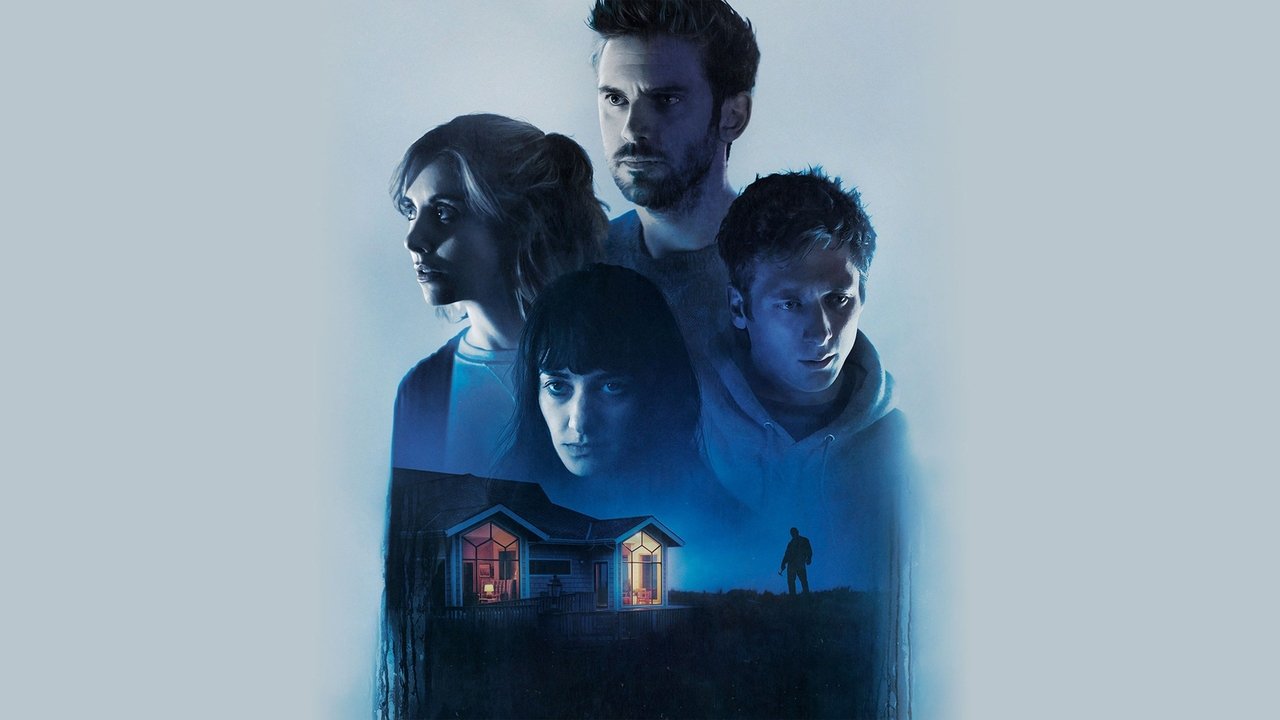
The setup is classic thriller territory, but the execution feels distinctly modern. Two couples—Charlie (Dan Stevens) and his wife Michelle (Alison Brie), along with Charlie’s brother Josh (Jeremy Allen White) and his girlfriend/Charlie's business partner Mina (Sheila Vand)—rent a stunning, modernist home on the Oregon coast for a celebratory weekend.
What makes the first hour work so well is the screenplay, co-written by Dave Franco and Joe Swanberg. If you know Swanberg’s work (Drinking Buddies), you know he’s the king of "Mumblecore"—films driven by naturalistic, often improvised-feeling dialogue between slightly messy people. By injecting that DNA into a horror movie, Franco makes us sit through a relationship drama that is arguably more tense than the slasher elements that follow. The film is basically an 88-minute PSA against having secrets or ever leaving your own living room.
We watch as microaggressions pile up. When they arrive, the caretaker, Taylor (Toby Huss), is dismissive and codedly racist toward Mina. Then there’s the internal friction: Charlie and Mina share a connection that clearly borders on inappropriate, while Josh—played with that trademark high-voltage sensitivity Jeremy Allen White perfected in The Bear—is the "fuck-up" brother trying to prove he belongs. By the time they find a camera hidden in a showerhead, the group is already so fractured by their own infidelities and lies that they can’t even agree on how to call the police.
Atmosphere Over Excess
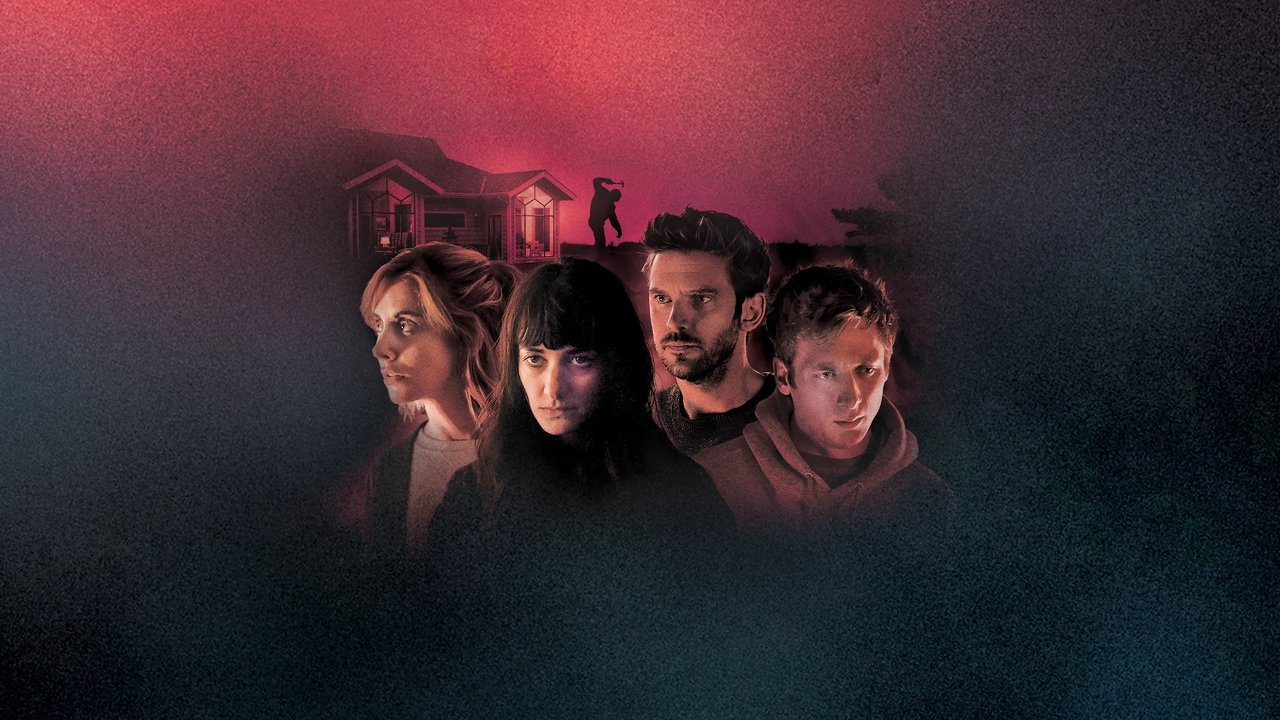
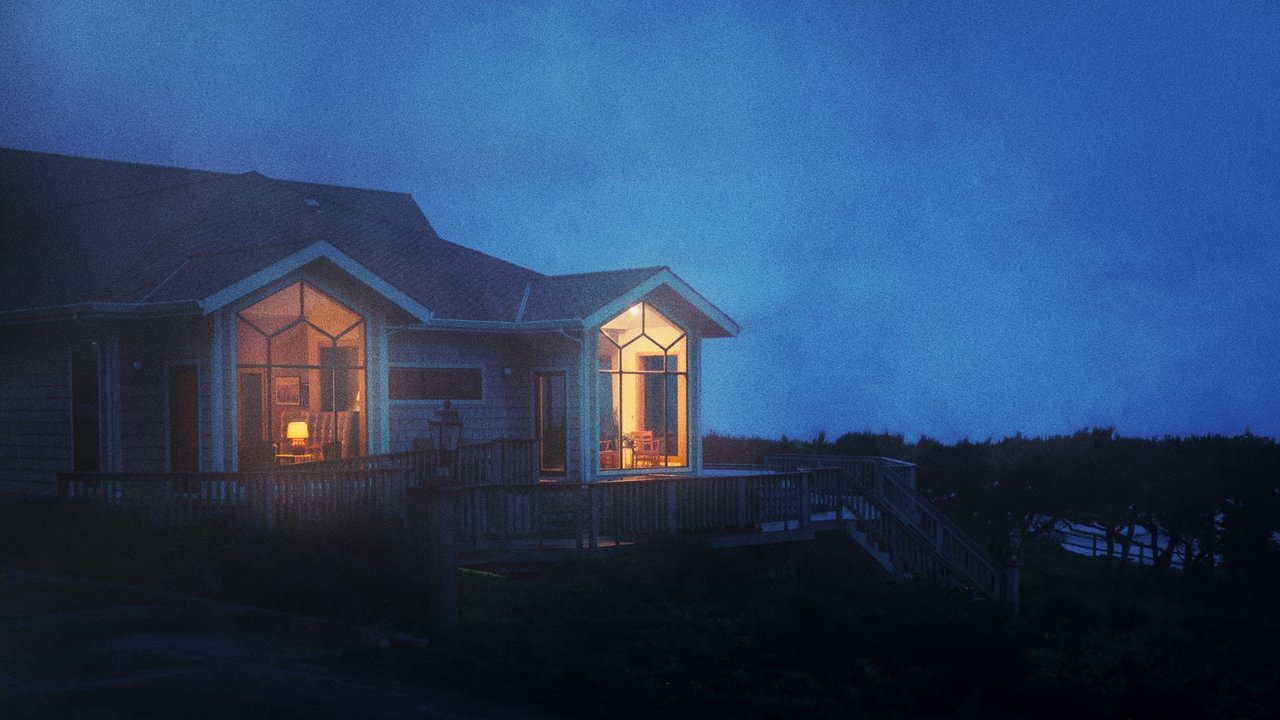
Technically, The Rental is a gorgeous piece of independent filmmaking. Working with a relatively modest $3.5 million budget, Franco and cinematographer Christian Sprenger (who did wonders on Atlanta) lean heavily into the geography of the house. The building is all floor-to-ceiling glass and cold stone, perched on a cliffside that feels like the edge of the world.
The horror here isn't about jump scares; it's about the feeling of being watched. It’s about that prickle on the back of your neck when you realize the person who owns the house might be seeing everything you do. The score stays low and humming, refusing to give you the relief of a loud "stinger" until it’s absolutely necessary. I appreciated how much of the threat is suggested through the environment—the way the fog rolls in and erases the horizon, making the luxury rental feel like a claustrophobic cage.
When the pivot finally happens and the "slasher" element takes over, it feels sudden and brutal. Some critics at the time felt the shift was too jarring, but I’d argue that’s the point. In the streaming era, we’ve become accustomed to "elevated horror" that spends the whole time being a metaphor for grief. The Rental says, "Sure, let's talk about infidelity and racism, but also, there is a guy with a hammer outside." It refuses to be more pretentious than it needs to be.
The Banality of the Predator
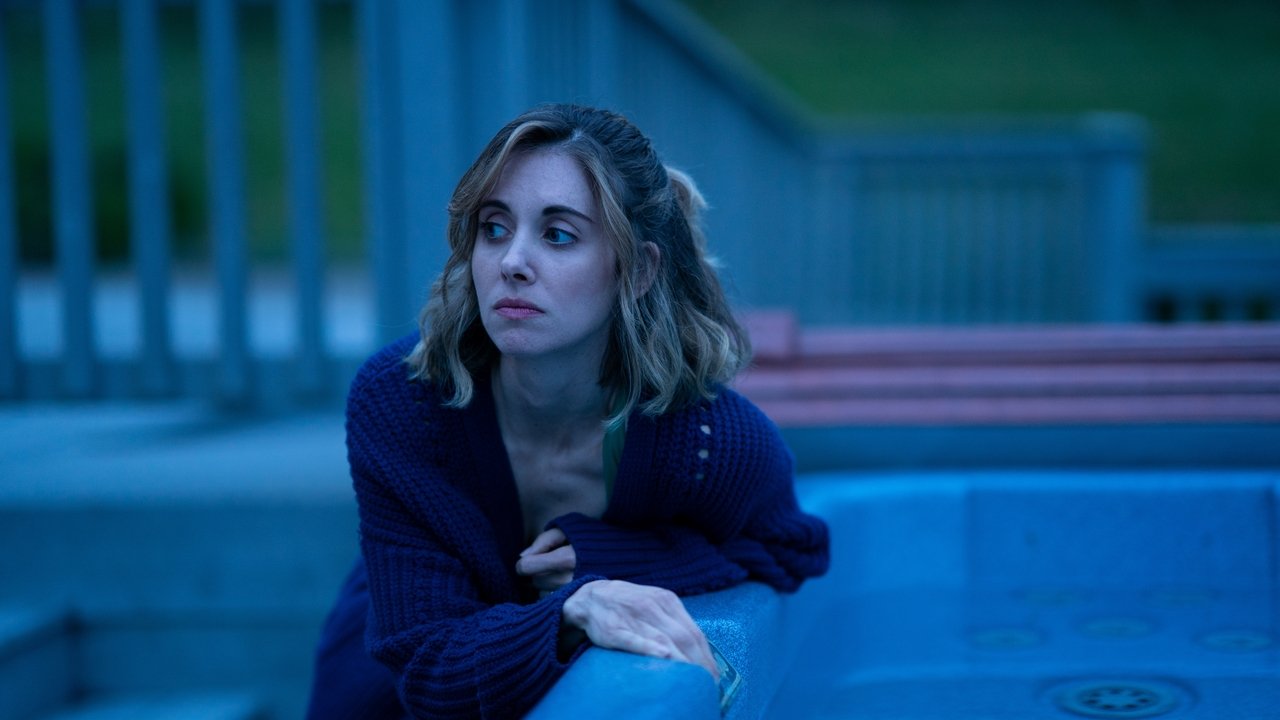
One of the coolest details about the production is that Dave Franco actually directed his wife, Alison Brie, in some of the film's most grueling scenes. There’s a level of trust there that translates to the screen; Brie gives a grounded, empathetic performance as the only person who actually seems to have her head on straight, which makes her eventual terror feel much more earned.
The film’s ending is what sticks with me the most. Without spoiling the specifics, it taps into a very contemporary fear: the anonymity of the internet. In the 80s, the killer was a guy in a hockey mask you could eventually unmask. In The Rental, the threat is systemic and faceless. The killer isn't a supernatural entity or a vengeful ghost; he’s just a person using the tools of the modern gig economy to hunt.
It’s a cynical, chilling conclusion that suggests the "secluded getaway" we all crave is actually the perfect trap. It doesn't offer a clean resolution because, in our world of Ring cameras and data leaks, there isn't one. It’s a lean, mean thriller that knows exactly how to make you double-check the smoke detectors the next time you check into an AirBnB.
The Rental is a confident debut that manages to bridge the gap between character-driven indie drama and cold-blooded slasher. It doesn't reinvent the wheel, but it polishes it until you can see your own worried reflection in it. If you’re looking for a tight, atmospheric thriller that will make your next vacation planning significantly more stressful, this is the one. Just remember to check the showerheads.
***
Check back next week as we dive into another contemporary gem. Until then, keep the lights on—and maybe stick to hotels for a while.