The Trial of the Chicago 7
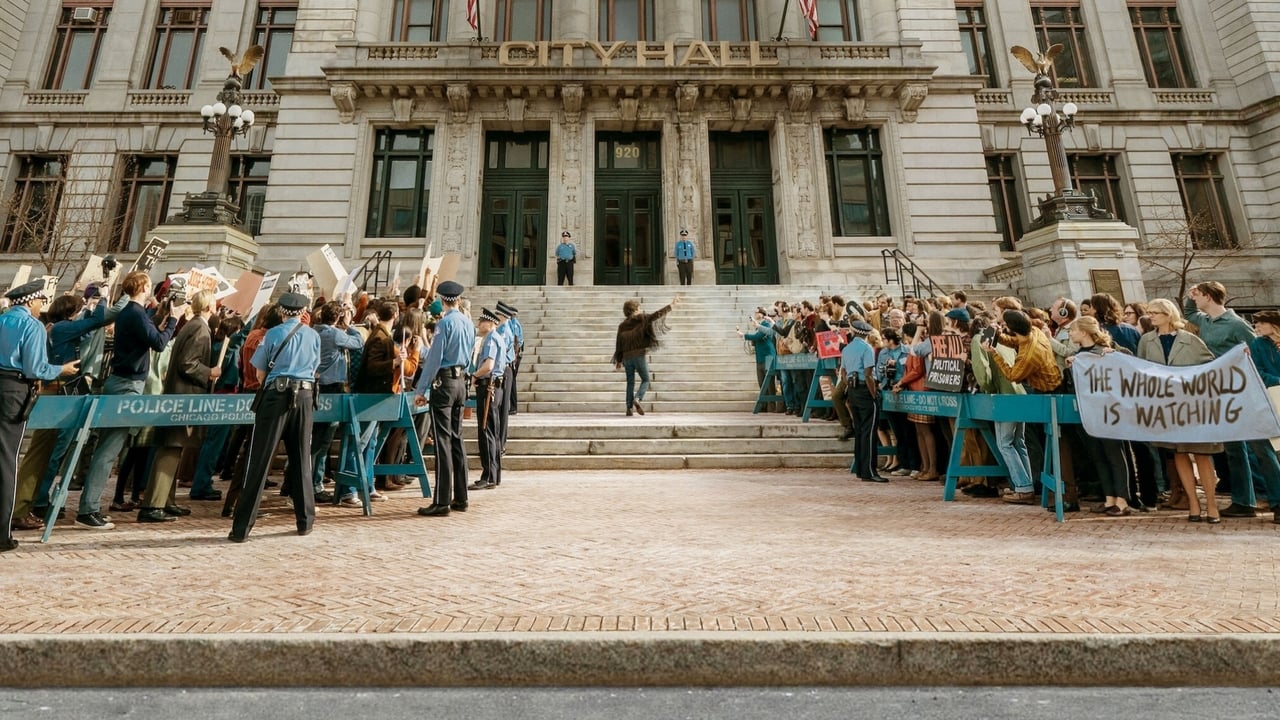
"The whole world is watching, and Sorkin is talking."
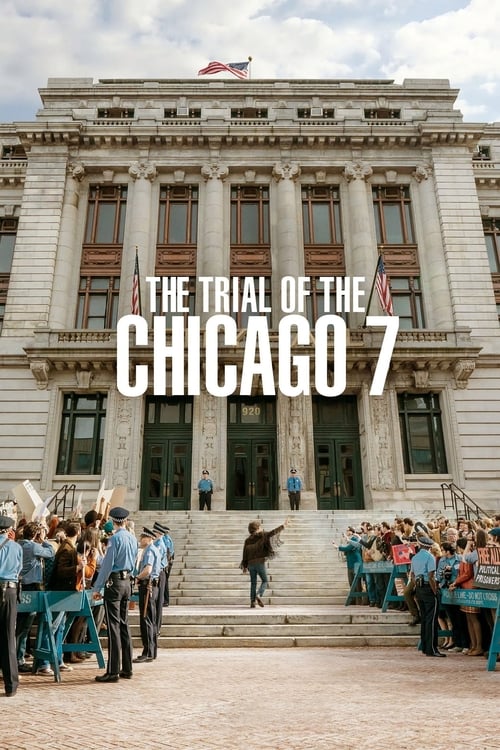
I watched The Trial of the Chicago 7 for the second time last Tuesday while sipping a cup of peppermint tea that had gone tragically lukewarm, and I realized something: Aaron Sorkin doesn’t write movies; he writes rhythmic gymnastics for the mouth. If you’ve ever seen The Social Network (2010) or The West Wing, you know the vibe. It’s that high-speed, staccato patter where everyone is the smartest person in the room, and even the "dumb" people are remarkably articulate.
Released in the thick of 2020’s social upheaval, this film felt less like a history lesson and more like a mirror held up to a very messy present. Initially slated for a theatrical release by Paramount, it was sold to Netflix because the pandemic turned movie theaters into ghost towns. Honestly? It was the perfect "couch watch." It’s a prestige drama that feels like a thriller, even though 90% of it involves men in suits (or tie-dye) arguing about the First Amendment.
The Radical and the Suit
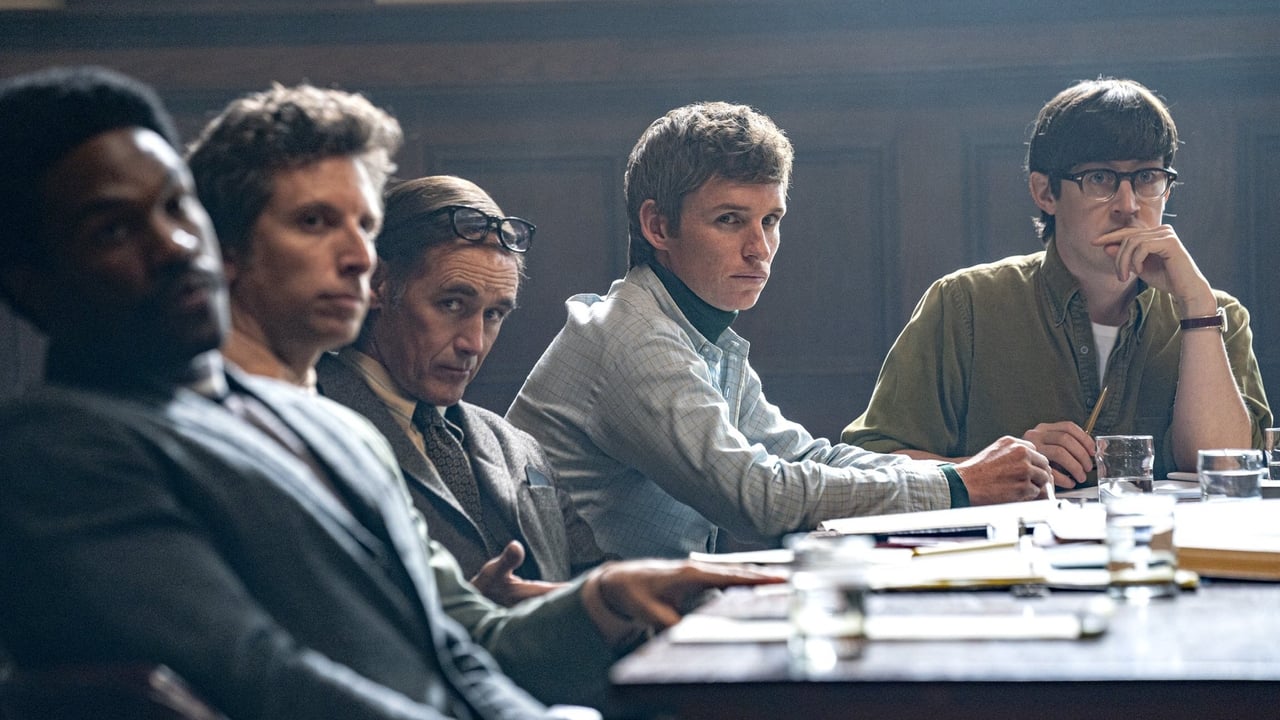
The heartbeat of the film is the ideological friction between Tom Hayden (Eddie Redmayne) and Abbie Hoffman (Sacha Baron Cohen). Eddie Redmayne plays Hayden with this pinched, earnest "good student" energy—the kind of guy who wants to change the world but wants to do it while wearing a properly tucked-in shirt. Opposite him, Sacha Baron Cohen is an absolute revelation as Abbie Hoffman.
For years, we’ve known Cohen as the guy who puts on neon mankinis or tricks politicians into saying absurd things, but here he proves he’s a formidable dramatic heavyweight. He brings a weary, sharp-witted intelligence to the Yippie leader. His Abbie isn’t just a clown; he’s a guy who understands that in America, justice is a performance, so you might as well put on a hell of a show. Aaron Sorkin writes history like it’s a championship debate tournament where everyone forgot to bring their inhalers, and the Hayden/Hoffman rivalry is the best example of that. Their "who is the real revolutionary?" argument is the film's true engine.
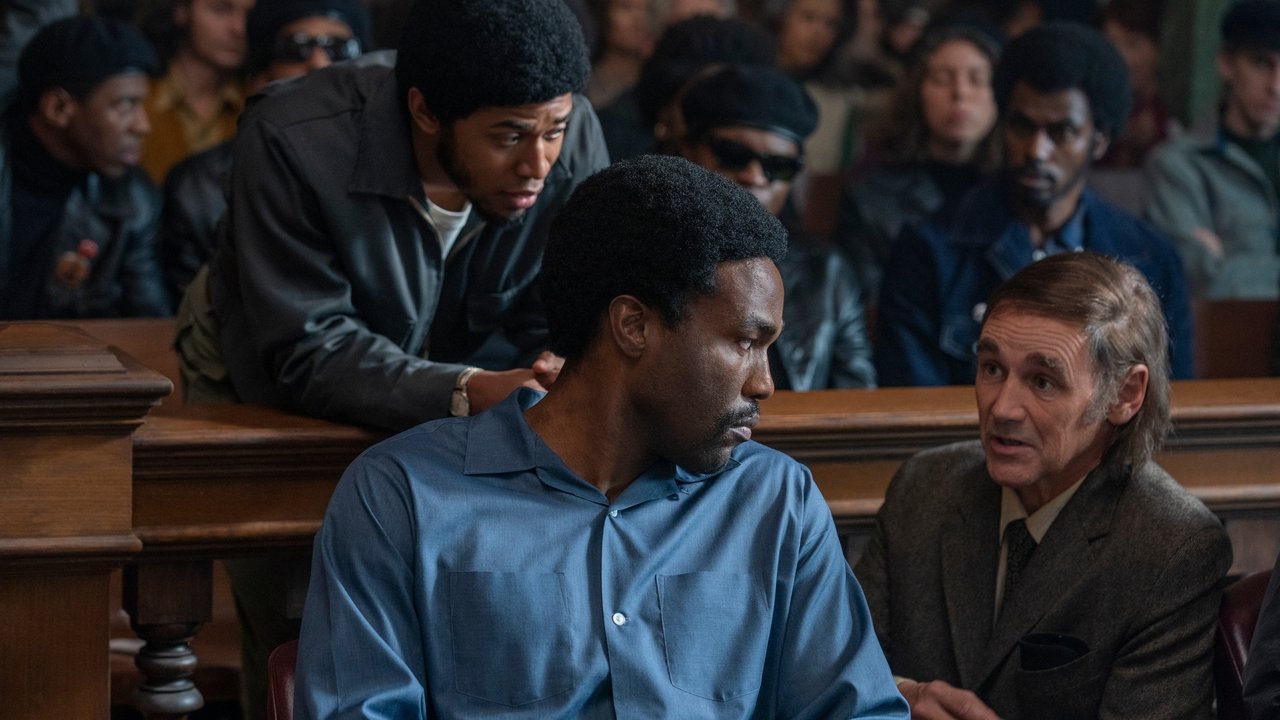
Then you have Mark Rylance as William Kunstler. If there is a "coolest guy in the room" award for a 60-year-old lawyer in a rumpled suit, Rylance wins it. He brings this lived-in, soulful patience to the role, acting as the bridge between the radicals and the law. Watching him face off against Frank Langella’s Judge Julius Hoffman—who is played with such terrifying, senile authoritarianism that you’ll want to throw your remote at the screen—is pure cinematic gold.
A Modern Reappraisal of 1968
What makes this film click for a contemporary audience is how it deconstructs the "streaming era" obsession with political polarization. In 2020, we were watching footage of protests on our phones while watching this movie on our TVs. The parallels were impossible to ignore. Sorkin isn't subtle—he never is—but he understands that the trial wasn't about whether these men started a riot; it was about the government trying to punish people for having the wrong ideas.
I’ve heard critics complain that Sorkin "Sorkin-izes" history too much—that he makes it too polished, too neat. And sure, the film’s climax is basically a high-speed car chase where the cars are actually just metaphors and hurt feelings. But in an era where half the movies we see are bloated CGI spectacles, there’s something genuinely refreshing about a film that trusts its audience to be riveted by a well-placed "Objection!"
The production design is also worth a nod. Phedon Papamichael’s cinematography gives the Chicago streets a gritty, autumnal 1968 feel, but the courtroom itself feels claustrophobic and timeless. It’s a stage. And Sorkin knows exactly where to put the lights.
The Stuff You Didn’t Notice
The road to this movie was longer than the actual trial. Turns out, Steven Spielberg was originally supposed to direct this way back in 2007. He actually met with Sacha Baron Cohen for the role of Abbie Hoffman over a decade before the film finally got made. Cohen was so committed to the part that he stayed in character and supposedly kept his Abbie Hoffman hair and wardrobe for months.
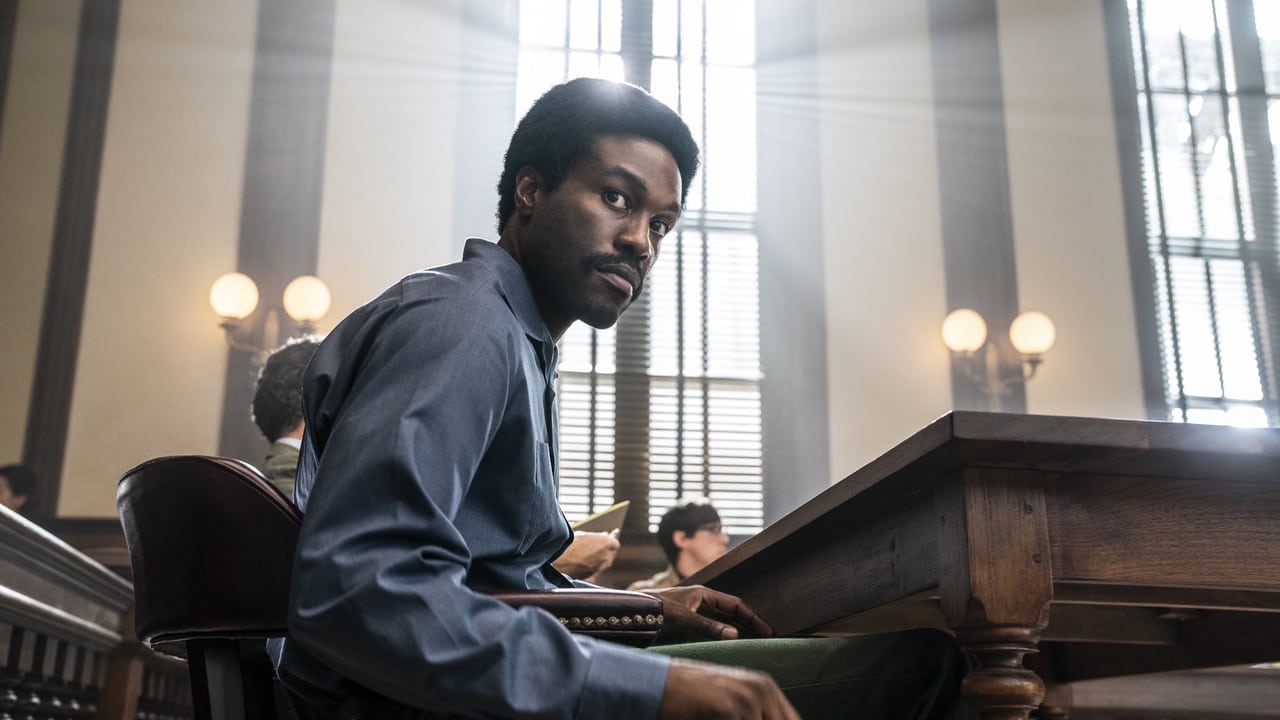
Another wild bit: the real-life Bobby Seale (Yahya Abdul-Mateen II) was actually bound and gagged in the courtroom for several days, not just the brief period shown in the film. The movie softens the edges of just how brutal that moment was, but Yahya Abdul-Mateen II delivers a performance of such restrained, righteous fury that the point lands regardless.
Also, keep an eye out for Jeremy Strong as Jerry Rubin. Coming off the high of Succession, Strong plays Rubin as a sort of stoner-philosopher who provides much-needed levity. Apparently, Strong asked the stunt coordinators to actually hit him during the riot scenes to make it feel "real." That's the most Jerry Strong thing I've ever heard.
Ultimately, The Trial of the Chicago 7 succeeds because it treats its audience like they have an attention span. It’s a film about the power of words in a world that often prefers silence or violence. While it might lean into some "Oscar-bait" sentimentality toward the end, the performances are so electric that you won't mind the manipulation. It’s a reminder that even when the system is rigged, the record still shows what happened. And in Sorkin’s hands, what happened is incredibly entertaining.
Keep Exploring...
-
Molly's Game
2017
-

Steve Jobs
2015
-

The Danish Girl
2015
-
Loving Vincent
2017
-

Portrait of a Lady on Fire
2019
-
King Richard
2021
-
The Woman King
2022
-
The Founder
2016
-
Spotlight
2015
-

Straight Outta Compton
2015
-

Little Women
2019
-
The Iron Claw
2023
-
The Walk
2015
-

Eddie the Eagle
2016
-
Patriots Day
2016
-
Silence
2016
-
Snowden
2016
-
BlacKkKlansman
2018
-
The Favourite
2018
-
Just Mercy
2019