The Turning
"The house has secrets. The ending has none."
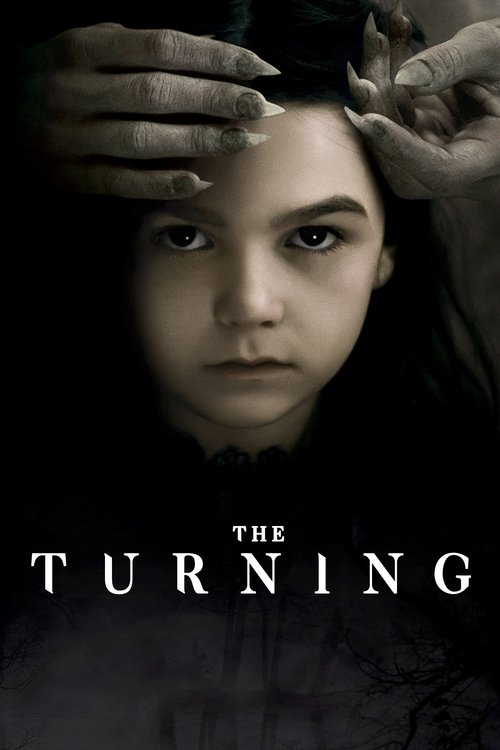
Imagine building a gorgeous, gothic sandcastle for ninety minutes only to kick it over right as the sun sets. That is the experience of watching The Turning. Released in the cold, quiet hallway of January 2020—just weeks before the world collectively retreated into its own haunted houses—this film arrived with a pedigree that suggested a modern horror classic. It had Steven Spielberg’s Amblin Entertainment behind it, a director known for high-concept visual mastery, and a cast of "it" actors. Yet, it left theaters with a rare, stinging "F" CinemaScore and vanished into the fog of the streaming ether.
I watched this while trying to untangle a massive knot in a pair of wired earbuds, which honestly felt like a perfect metaphor for the experience. You think you’re making progress on the snarl, but then you realize you’ve just been pulling at the wrong loop for an hour.
A Masterclass in Atmosphere (and Not Much Else)
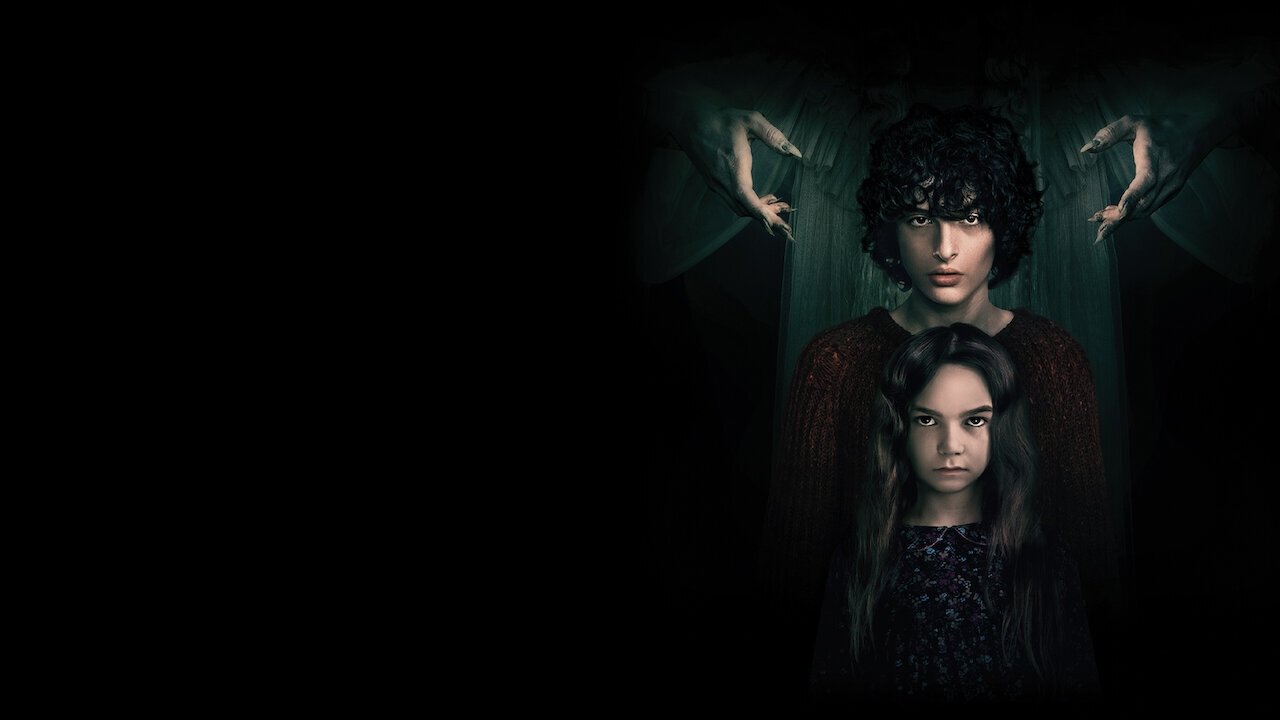
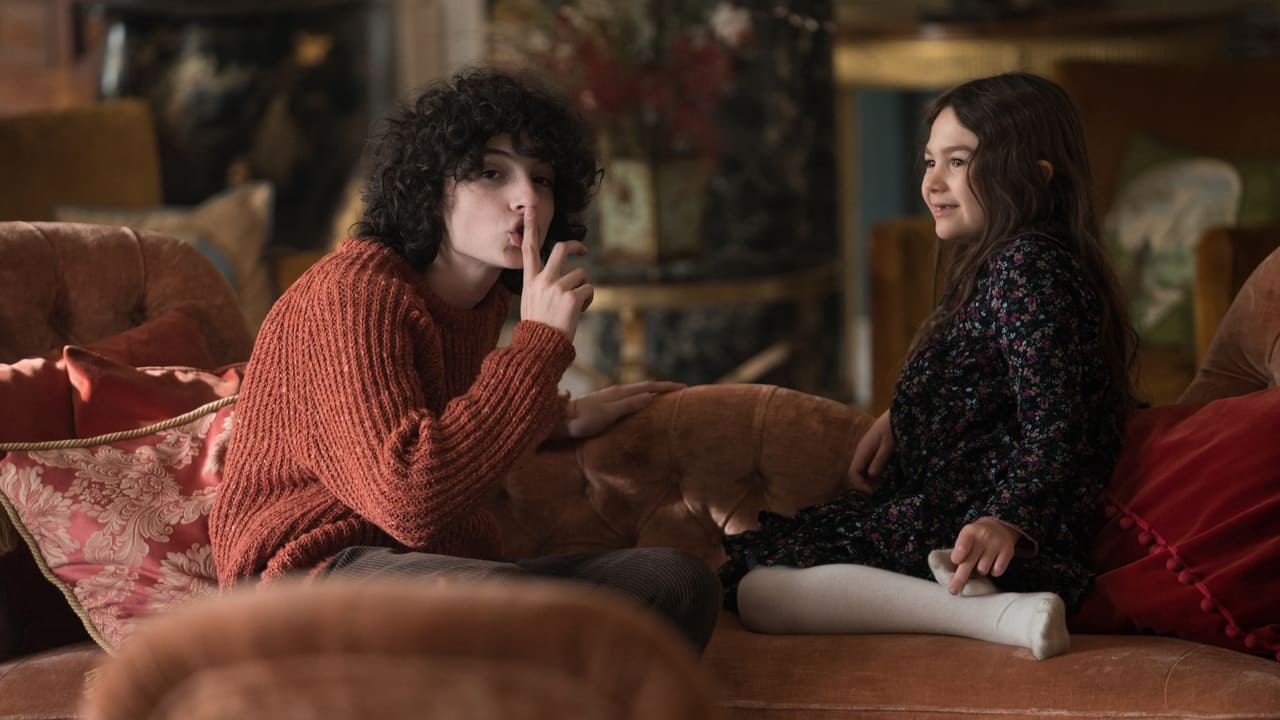
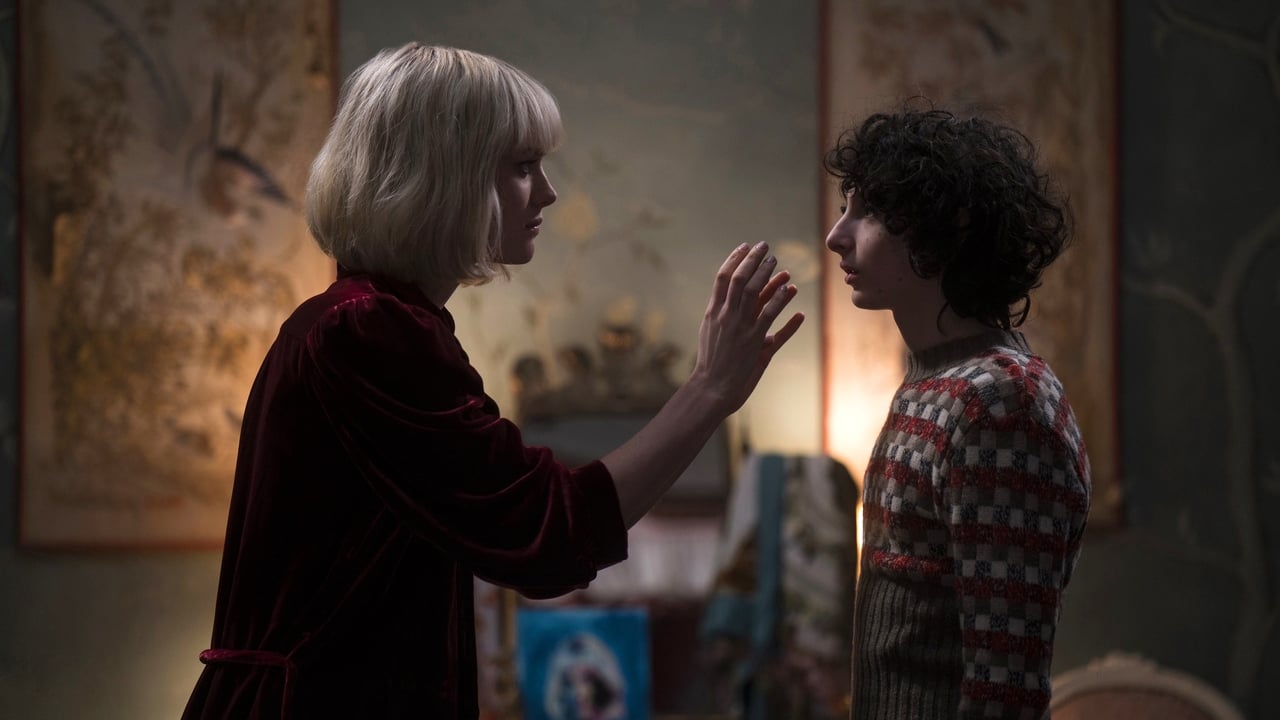
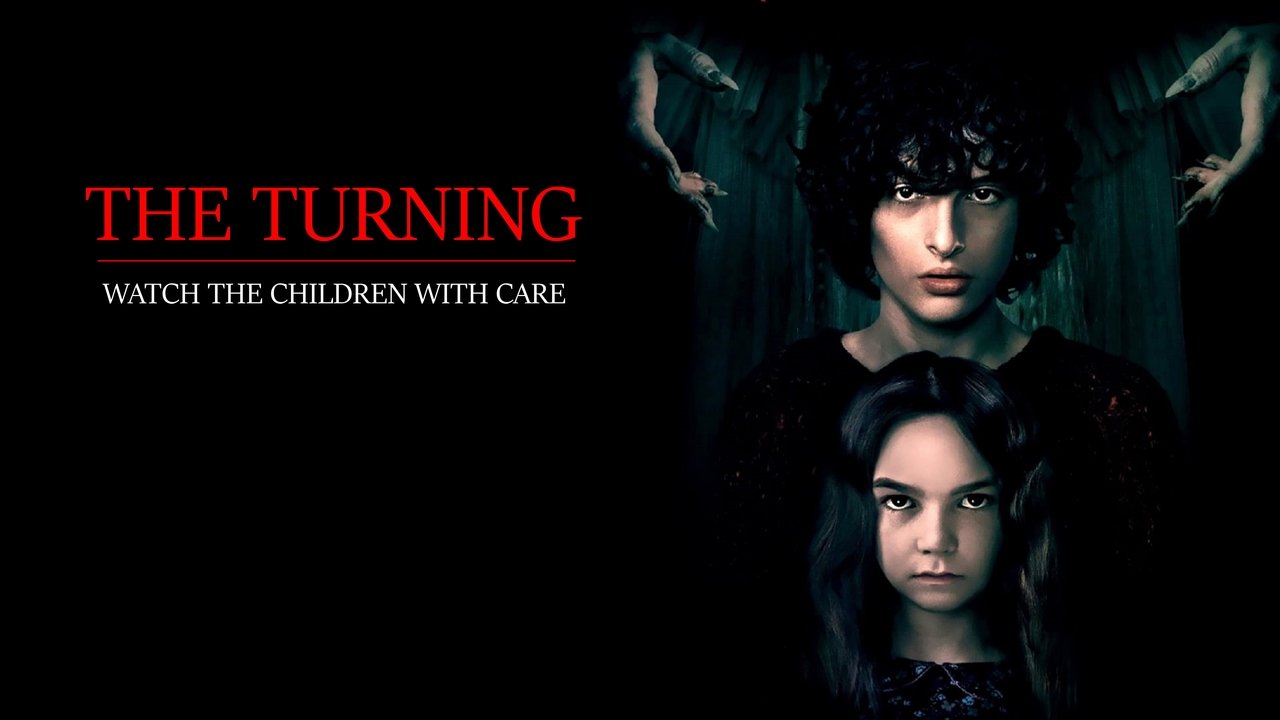
The film is a loose adaptation of Henry James’ The Turn of the Screw, a novella that has been adapted more times than I have fingers. We follow Kate (Mackenzie Davis), a teacher who moves into a sprawling, decrepit estate to governess young Flora (Brooklynn Prince) after the girl's parents die in a "tragic accident." Soon, the older brother, Miles (Finn Wolfhard), returns from boarding school after being expelled for nearly killing another student.
From a purely aesthetic standpoint, director Floria Sigismondi—who cut her teeth on visually arresting music videos for David Bowie and Marilyn Manson—turns the estate into a character of its own. It’s all moss-covered stone, flickering lanterns, and shadows that seem to have a physical weight. The decision to set the film in the 1990s is a stroke of stylistic genius, swapping the usual Victorian lace for oversized sweaters, Doc Martens, and a grunge-heavy soundtrack. I kept waiting for the ghosts to start humming "Smells Like Teen Spirit."
The cinematography by David Ungaro is legitimately stunning. There’s a scene involving a swimming pool and a reflection that genuinely made me hold my breath. If you’re the kind of viewer who treats horror movies like a moving gallery of Pinterest boards, you’ll find plenty to like here. But for the rest of us, the beauty is a bit of a mask.
The Ghosts of Production Past
The reason The Turning feels so disjointed probably lies in its chaotic birth. This project was originally titled Haunted, with Juan Carlos Fresnadillo set to direct a much more expensive version. Five weeks before filming was supposed to start in 2016, Steven Spielberg reportedly pulled the plug because the script had been rewritten so much it no longer resembled the story he wanted to tell.
When the project was resurrected under Sigismondi, it was on a much smaller budget ($14 million) and with a new vision. You can feel the scars of that creative tug-of-war. Mackenzie Davis is, as always, phenomenal. She brings a jittery, empathetic energy to Kate that makes you want to root for her. Finn Wolfhard, fresh off the heights of Stranger Things and IT, plays the "creepy teenager" trope with an oily, unsettling charm that made me want to call his parents.
But it’s less of a movie and more of an expensive mood board that forgot to hire an editor for the final five minutes. The script, handled by Chad Hayes and Carey Hayes (the duo behind The Conjuring), relies heavily on the "is she crazy or is the house haunted?" trope, but it never quite commits to either path with enough conviction to make the scares feel earned.
The Ending That Wasn't
We have to talk about the ending. I won't spoil the specifics, mostly because I’m not entirely sure what happened myself. The film doesn’t so much conclude as it does simply stop. When the credits rolled in the theater, audiences reportedly hissed. It felt like a betrayal of the ninety minutes of tension building that preceded it. It’s an "ambiguous" ending in the same way that a book with its final twenty pages ripped out is "ambiguous."
In our current era of "elevated horror"—think Ari Aster or Robert Eggers—we’ve grown accustomed to films that leave us with questions. But there’s a difference between a thematic puzzle and a narrative collapse. The Turning falls into the latter. It wants to be a psychological deep dive into trauma and inherited madness, but it settles for jump scares involving mannequins and a plot that evaporates as soon as you try to touch it.
Is it worth a watch? If you’re a fan of Mackenzie Davis’s work in Halt and Catch Fire or Station Eleven, her performance here is a reminder of why she’s one of the best of her generation. If you love 90s gothic aesthetics and want something to put on in the background while you paint a room moody charcoal, it’s a vibe. But as a contribution to the grand tradition of ghost stories, it’s a phantom—there for a second, then gone, leaving nothing but a slight chill and a sense of confusion.
The Turning is a beautifully gift-wrapped box that turns out to be empty inside. It’s a testament to how much visual style can carry a film, and how quickly a movie can fall apart when it refuses to give its audience a cohesive destination. It’s a fascinating footnote in the 2020 cinematic calendar, a "what-if" that serves as a cautionary tale for any director who thinks a good atmosphere can substitute for a third act. If you do decide to venture into the Bly estate, just be prepared to make up your own ending—it'll probably be better than the one we got.
Keep Exploring...
-
Regression
2015
-
Morgan
2016
-
The Other Side of the Door
2016
-
Wish Upon
2017
-
Brahms: The Boy II
2020
-

The Invitation
2022
-
Friend Request
2016
-
Tau
2018
-
Polaroid
2019
-
Secret Obsession
2019
-
The Silence
2019
-
You Should Have Left
2020
-
Color Out of Space
2020
-

No Way Up
2024
-
The Belko Experiment
2016
-
Underworld: Blood Wars
2016
-
Cult of Chucky
2017
-
Flatliners
2017
-
Assassination Nation
2018
-
Hell Fest
2018