Tolo Tolo
"The only thing more dangerous than war is taxes."
In the hyper-localized world of Italian cinema, Checco Zalone is less of an actor and more of a meteorological event. When his movies drop, they don’t just top the charts; they vacuum up every available Euro in the country, leaving Hollywood blockbusters looking like indie experiments. Yet, outside the Mediterranean boot, Tolo Tolo remains a curious ghost—a film that tackled the most polarizing humanitarian crisis of our time through the lens of a man who is essentially a sentient Gucci belt.
I watched this while picking at a piece of slightly stale, post-holiday panettone that was definitely past its prime, and honestly, the sugary, lingering bitterness of the cake felt like the perfect accompaniment to the film’s tone.
The Checco Paradox
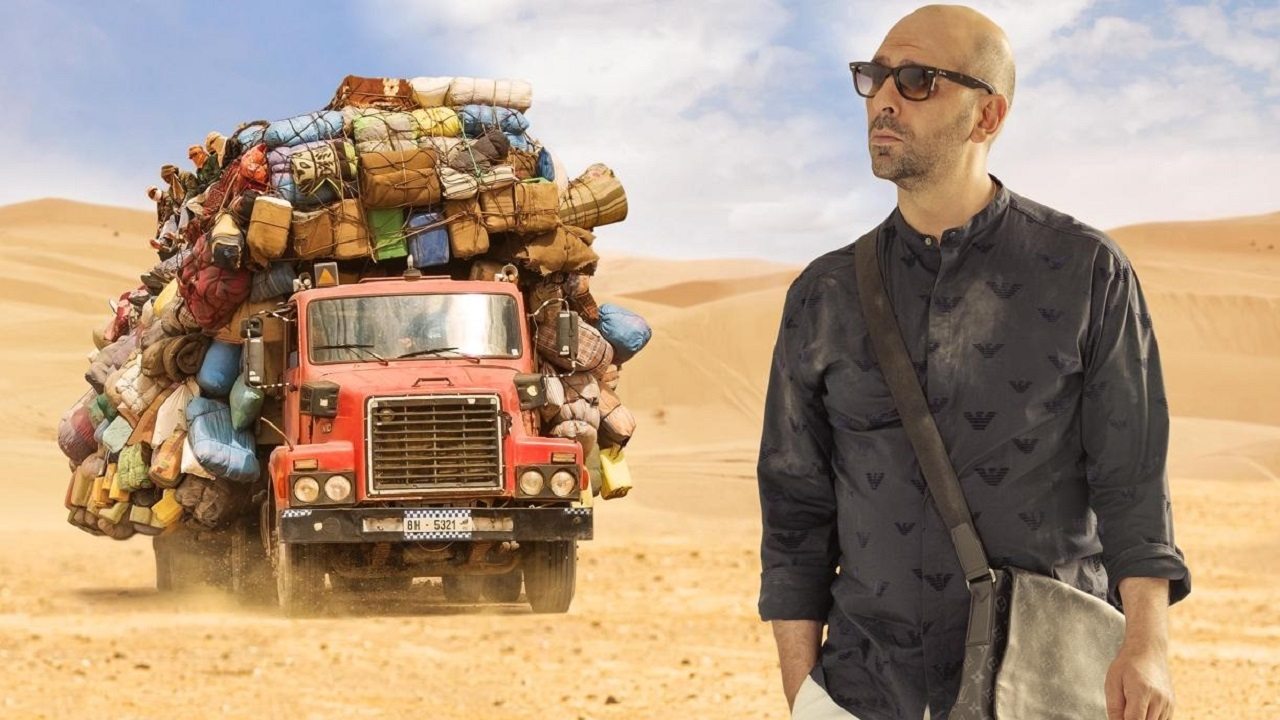
If you aren't familiar with Zalone’s brand, imagine if Borat was an aspiring Italian influencer who cared more about his hairline than his country. In Tolo Tolo, he plays "Checco," a failed entrepreneur whose dream of opening a high-end sushi restaurant in a small Apulian village ends in a spectacular bankruptcy. To escape the relentless "Inps" (the Italian tax man), he flees to Kenya, not as a seeker of culture, but as a man who views the African continent as one giant resort where he can finally find some peace from his creditors.
What makes this contemporary moment so interesting—and what Zalone captures with uncomfortable precision—is the specific flavor of modern narcissism. This isn't the "ugly American" trope we saw in 20th-century cinema; this is the "Ugly European" of the Instagram era. Checco is obsessed with luxury creams, high-end luggage, and tax banking secrecy. Even when a bloody civil war erupts and he’s forced to join a group of migrants on a perilous journey toward Europe, his biggest concern isn't the gunfire—it's whether he can find a decent bidet in the desert.
A Slapstick Journey Through Tragedy
While the film follows the structure of a drama, its heart beats with the rhythm of a cynical satire. Zalone, making his directorial debut here, made the bold (and at the time, highly controversial) choice to treat the migrant trail as a backdrop for a picaresque comedy. He’s joined by Manda Touré as Idjaba, a woman dreaming of a better life, and Nassor Said Birya as Doudou, a young boy who becomes a foil to Checco’s relentless selfishness.
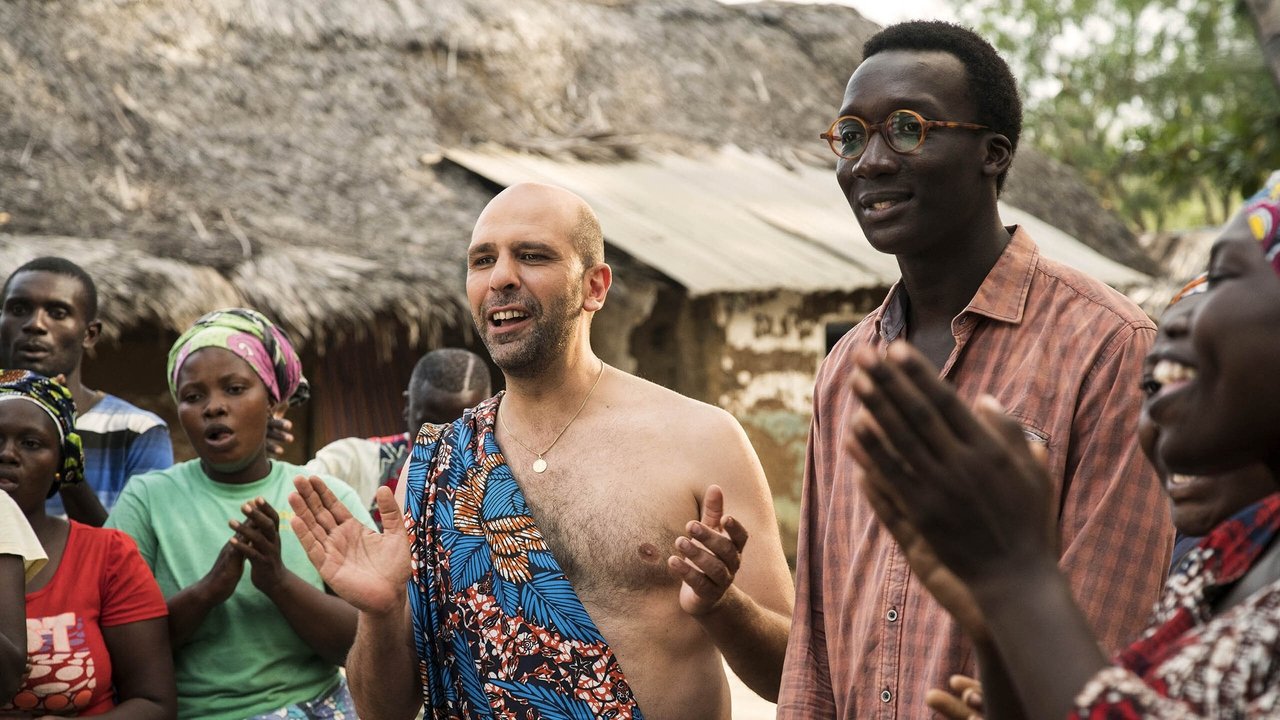
Checco Zalone is perhaps the only director alive who would attempt to turn the Mediterranean migrant crisis into a musical number about the merits of expensive skin moisturizer.
The film’s secret weapon, however, is co-writer Paolo Virzì. Virzì is a master of "Commedia all'italiana"—that specific genre that blends humor with profound sadness. You can feel his influence in the moments where the laughter catches in your throat. There’s a scene where the group is stuck in a detention center, and Checco tries to "innovate" the process like he’s at a startup incubator. It’s hilarious because it’s absurd, but it’s devastating because you realize Checco’s buffoonery is just a shield for a society that refuses to see the humanity in front of it.
The Mirror in the Suitcase
Tolo Tolo vanished from the international conversation almost as quickly as it arrived, largely because it’s so deeply rooted in Italian political grievances. It was released just before the pandemic shuttered theaters, and the social media discourse surrounding it was a wildfire. Right-wing politicians tried to claim it as an anti-immigrant anthem; left-wing critics initially accused it of being racist. Both sides were wrong. The film doesn't mock the migrants; it mocks the European observer who views them as either a threat or a statistic.
The production itself was a massive undertaking for Italian standards, with a $20 million budget that allowed for sweeping location shoots across Kenya, Morocco, and Malta. Barbara Bouchet, a legend of 1970s giallo and comedy, even pops up in a cameo, bridging the gap between Italy’s cinematic past and this messy, digital present.
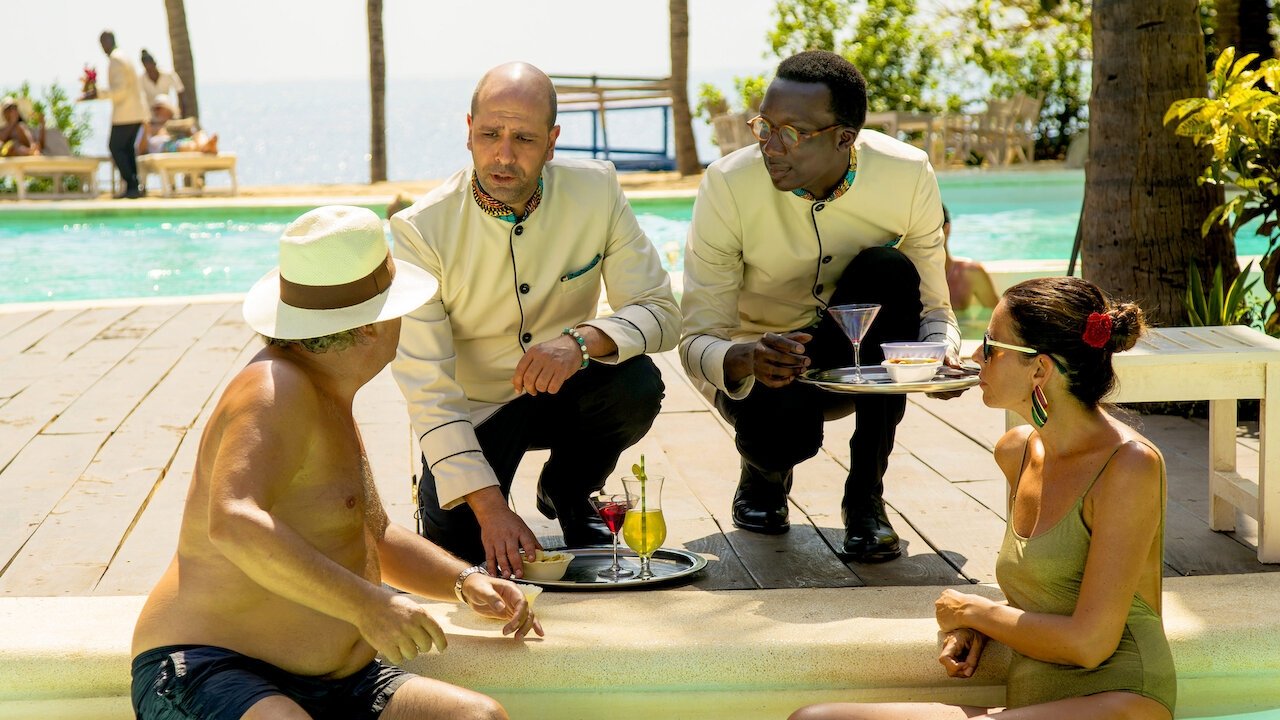
The reason this film is worth digging out of the "obscure" bin of streaming services today is its refusal to be "nice." In an era where many contemporary dramas about social issues feel like they were written by a PR committee, Tolo Tolo is jagged. It’s a film where the protagonist is genuinely unlikable for 90% of the runtime. He represents the collective "I" of a continent that wants the benefits of a globalized world but would rather die than pay the taxes or accept the people that come with it.
Does it always work? No. Some of the musical interludes feel like they belong in a different movie entirely, and the ending takes a surrealist turn that might leave you scratching your head. But in the landscape of 2020s cinema, I’d much rather watch a massive, ambitious swing that might hit a spectator in the face than another polished, safe drama that says nothing at all.
Tolo Tolo is a fascinating, uncomfortable, and often riotous artifact of our current cultural moment. It’s a film that asks us to laugh at the man who refuses to look at the world around him, only to realize that the man looks suspiciously like us. It’s a comedy with a heavy suitcase, and even if it doesn't always stick the landing, it’s one of the few contemporary films that feels genuinely dangerous to watch in a room full of people with different political opinions. Seek it out for the satire, stay for the bizarrely catchy songs, and maybe check your own tax status afterward.
Keep Exploring...
-
Where Am I Going?
2016
-

Love the Coopers
2015
-

The Man Who Invented Christmas
2017
-

Pinocchio
2019
-

Cars 3
2017
-

Anomalisa
2015
-
Dope
2015
-
Entourage
2015
-
Mr. Holmes
2015
-

The Dressmaker
2015
-

While We're Young
2015
-
A Hologram for the King
2016
-
Florence Foster Jenkins
2016
-

Toni Erdmann
2016
-
Up for Love
2016
-
Whiskey Tango Foxtrot
2016
-

Alibi.com
2017
-
Battle of the Sexes
2017
-

Home Again
2017
-
Like a Cat on a Highway
2017