Unhinged
"Hell is a stranger in your rearview mirror."
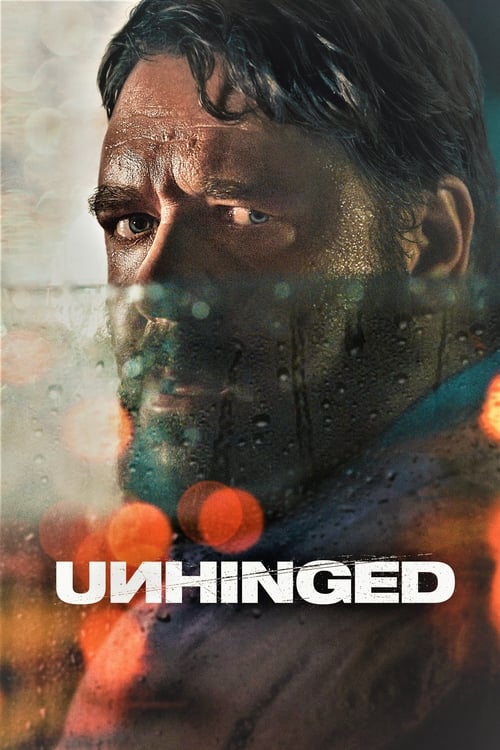
I clearly remember the first time I sat down to watch Unhinged. It was mid-2020, and the world felt like it was simmering in a pot of collective anxiety. I watched it on my couch while wearing a pair of mismatched socks—one with rubber ducks, one with neon stripes—and honestly, those socks were more coordinated than Rachel’s life choices in the first act of this film. At the time, we were all a little on edge, which made the premise of a man losing his mind over a traffic honk feel less like a thriller and more like a local news report from the future.
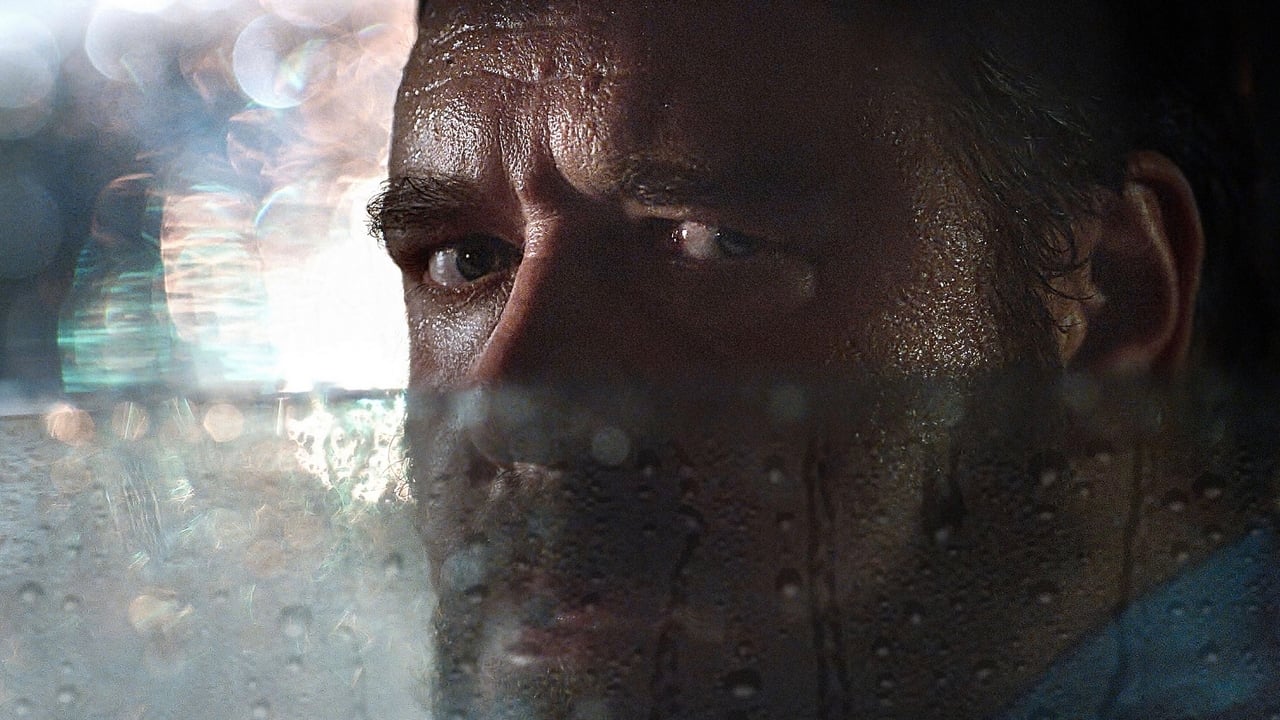
Directed by Derrick Borte (who gave us the underrated The Joneses), Unhinged arrived as the sacrificial lamb of the pandemic era. It was the first major film to insist on a theatrical release when most of us were still scrubbing our groceries with Lysol. That context is inseparable from the film’s DNA; it’s a mean, sweaty, 90-minute anxiety attack that feels perfectly tuned to an era where everyone seems one minor inconvenience away from a total meltdown.
The Big Man of B-Movie Menace
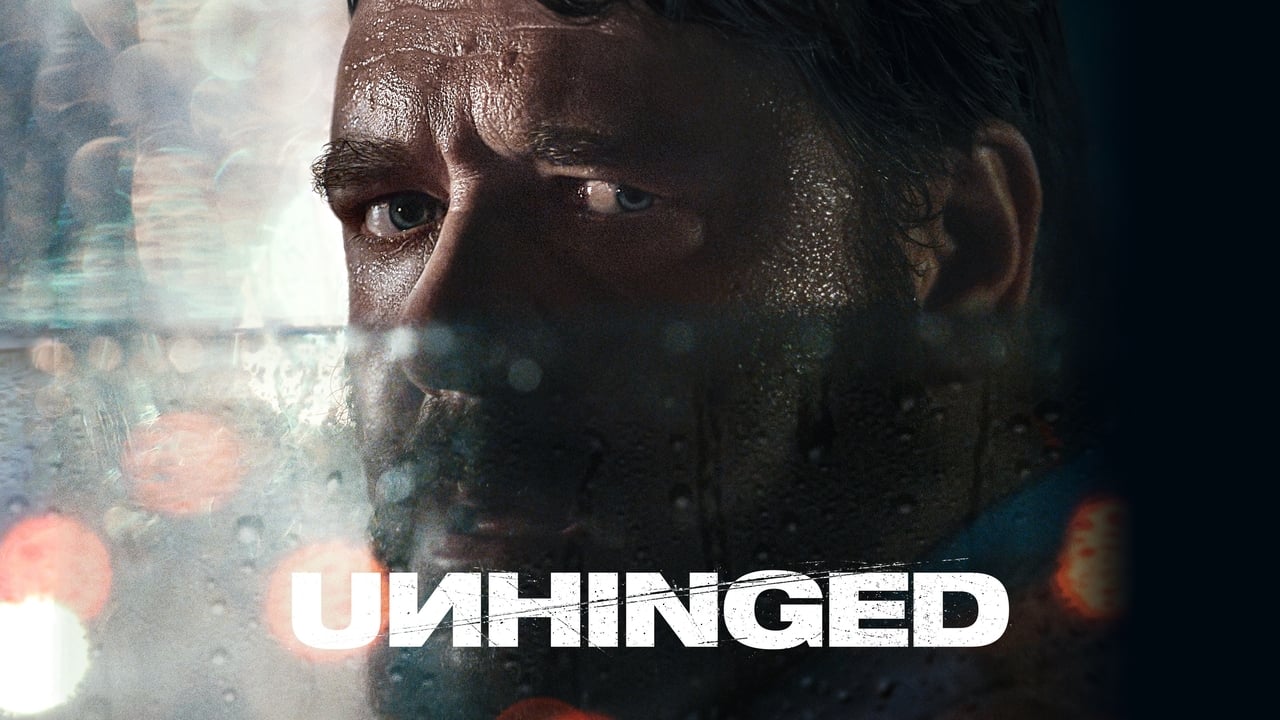
Let’s talk about Russell Crowe. In this film, he isn't the noble hero of Gladiator or the brilliant mind of A Beautiful Mind. He is "The Man"—a hulking, perspiring force of nature who looks like he’s composed entirely of ham and pure, unadulterated spite. It’s a fascinating performance because it is completely devoid of vanity. Crowe leans into the ugliness, both physically and morally. He doesn’t want your sympathy, and the script by Carl Ellsworth (the guy behind the tight-as-a-drum Red Eye) wisely refuses to give him a tragic backstory or a "save the cat" moment. He’s just a guy who has decided that today is the day he stops pretending to be a member of society.
Opposite him is Caren Pistorius as Rachel, a divorced mom who is having the kind of morning that makes you want to crawl back into bed. She’s late, she’s stressed, and when she gets stuck behind a grey truck that doesn’t move at a green light, she delivers a "long, aggressive honk." We’ve all been there. But in the world of Unhinged, that honk is the equivalent of pulling the pin on a grenade. Pistorius does a great job of playing someone who is genuinely terrified but eventually finds that "mama bear" gear. Her chemistry with her son, played by Gabriel Bateman, keeps the stakes grounded even when the movie starts to veer into "how is he still following them?" territory.
A Modern Roadmap of Rage
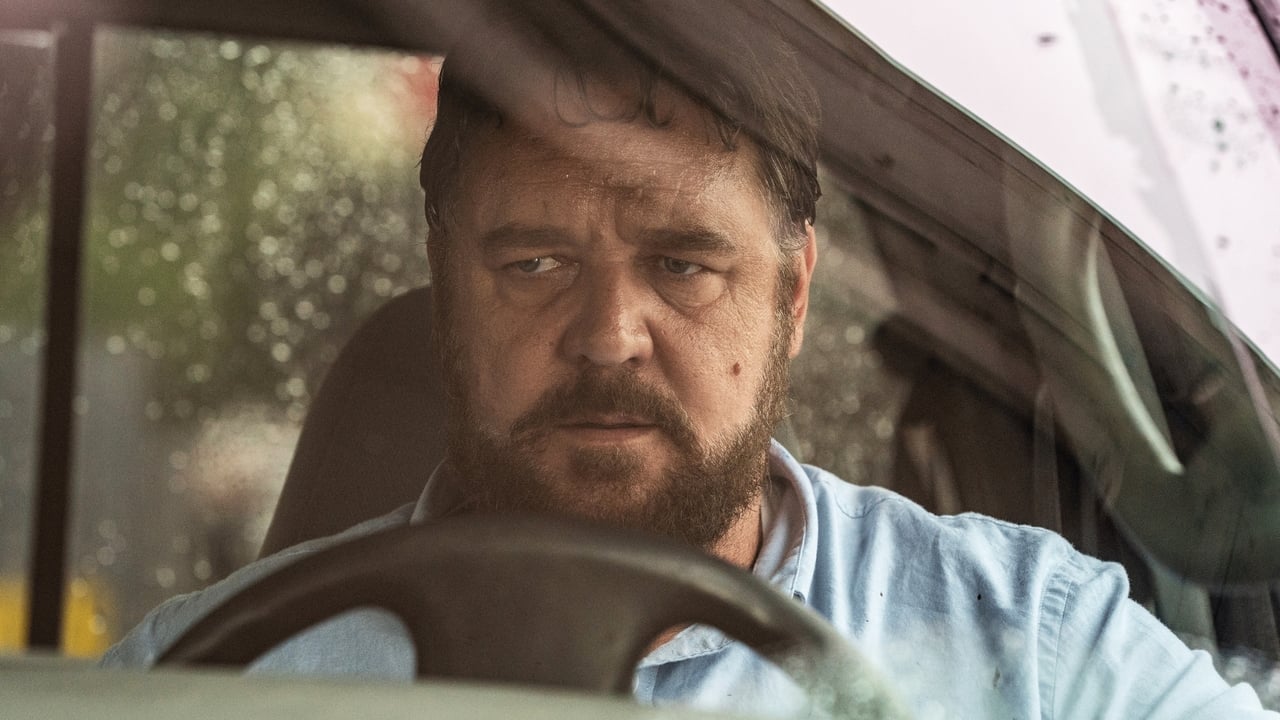
What I find most interesting about Unhinged in our current cultural moment is how it weaponizes "the algorithm" of modern life. The film opens with a montage of real-world dashcam footage and news clips of protests, road rage, and general societal decay. It’s a bit on the nose, sure, but it sets the stage for a story where the antagonist isn't a supernatural slasher—he's just the logical conclusion of a world that has forgotten how to be civil.
The horror mechanics here aren't about ghosts or jump scares; they are about the loss of privacy and the vulnerability of our digital lives. When The Man steals Rachel’s phone, the movie shifts from a car chase into a psychological nightmare. He doesn't just want to crash her car; he wants to dismantle her life by targeting her friends and family. Jimmi Simpson (whom I’ve loved since Westworld) pops up as Rachel’s lawyer friend Andy, and his scene in a crowded diner is easily the most gut-wrenching moment in the film. It’s a masterclass in sustained tension, proving that the scariest thing in 2020 wasn't a monster, but a man with a steady hand and a lack of empathy.
The Making of a Lockdown Cult Classic
Because this was the "canary in the coal mine" for theaters reopening, Unhinged has earned a weird bit of historical trivia. Solstice Studios gambled $33 million on the idea that people were desperate to see anything on a big screen. While it didn't set the box office on fire, it became a massive hit on VOD and streaming platforms. It’s the kind of movie that thrives on word-of-mouth—the "you have to see what Russell Crowe does with a minivan" kind of buzz.
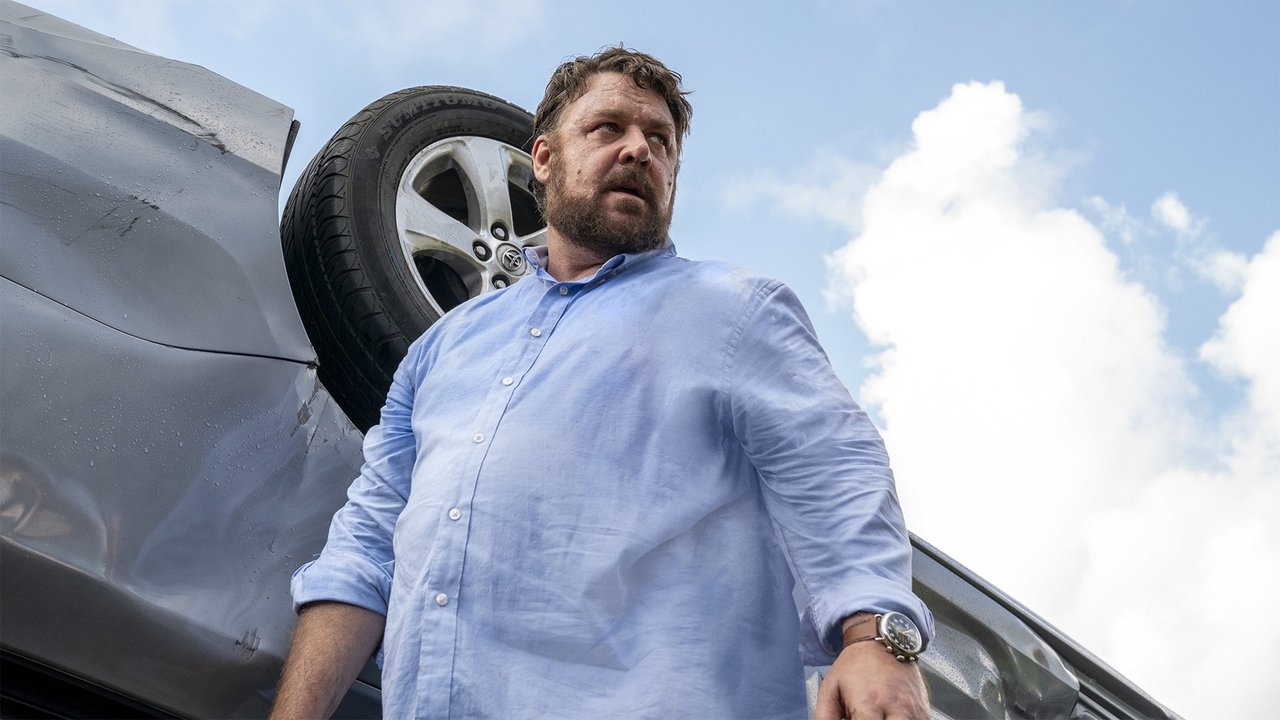
Behind the scenes, the production was surprisingly lean. They filmed in New Orleans, using the sweltering heat to add to the film’s grimy, uncomfortable atmosphere. Apparently, Russell Crowe was so committed to the role’s "everyman gone wrong" vibe that he eschewed typical Hollywood polish, opting to look as disheveled and physically imposing as possible. Crowe’s performance is basically a PSA for why you should never leave your house without a Xanax. It’s a role that reminds me of James Gandolfini in his prime—pure, heavy-set intimidation.
Interestingly, the film’s screenplay had been floating around for years, but it felt remarkably prescient by the time it hit screens. It tapped into the "main character syndrome" of social media, where everyone feels entitled to their rage. While it’s technically an action-thriller, it flirts with the "slasher" genre, with The Man’s truck serving as his indestructible weapon.
Ultimately, Unhinged is a brutal, efficient B-movie that knows exactly what it is. It doesn't have the philosophical depth of Duel or the stylistic flair of Mad Max: Fury Road, but it has a massive, terrifying Russell Crowe and a very relatable fear of the person in the next lane. It’s the kind of film that makes you check your rearview mirror twice on the way home from the grocery store. It’s not a masterpiece, but as a snapshot of our collective high-blood pressure, it’s a wild, uncomfortable ride that’s well worth the 90-minute investment.
Keep Exploring...
-

Underworld: Blood Wars
2016
-
Peninsula
2020
-
The Hunt
2020
-
The Forever Purge
2021
-

The Pope's Exorcist
2023
-
Day Shift
2022
-
The Purge: Election Year
2016
-

The First Purge
2018
-
Child's Play
2019
-
Blood Red Sky
2021
-

No Way Up
2024
-

The Girl with All the Gifts
2016
-
Plane
2023
-

The Substance
2024
-
The Mummy
2017
-

Revenge
2018
-

Beast
2022
-
Hitman: Agent 47
2015
-

No Escape
2015
-
Self/less
2015