Wolfwalkers
"Run with the wolves, leave the cages behind."
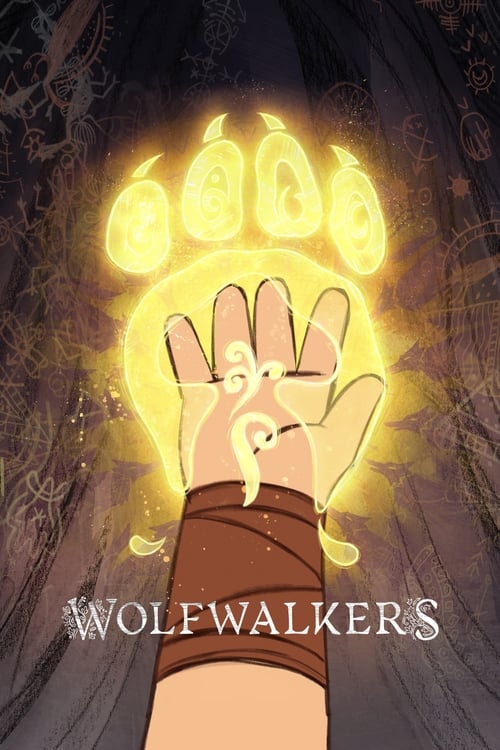
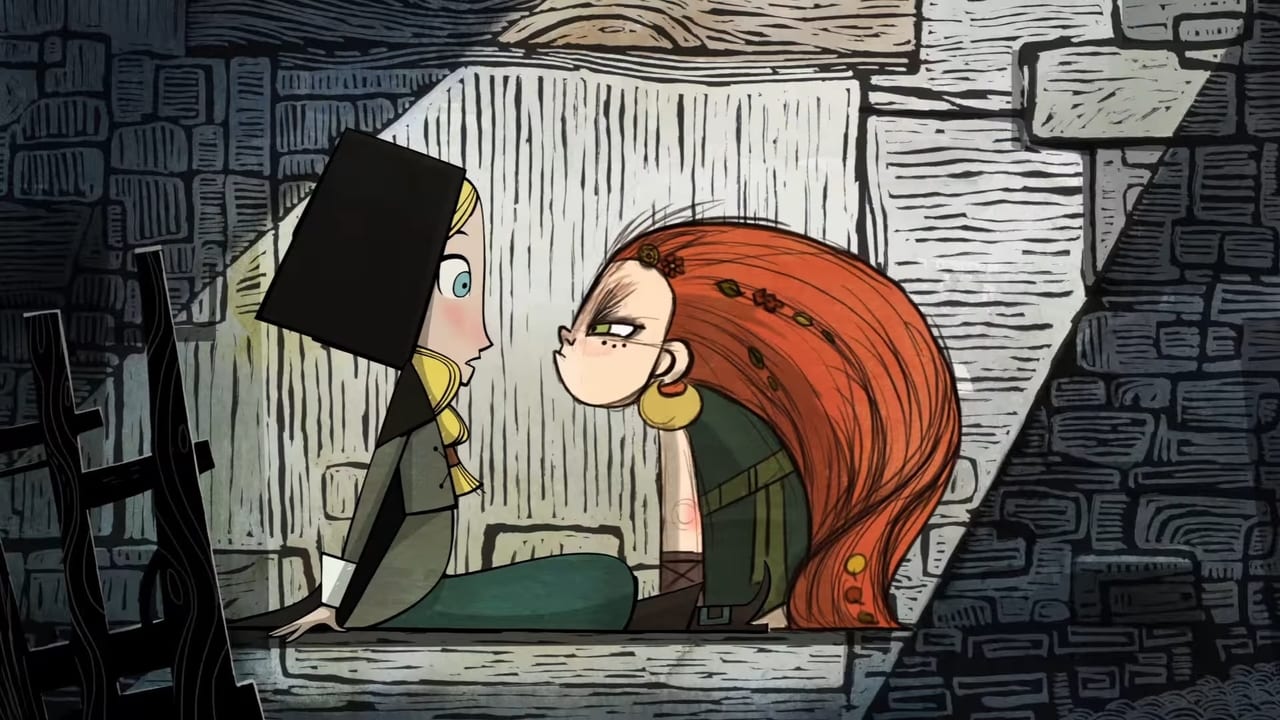
The animation industry currently feels like a high-stakes arms race toward "perfect" realism, where every strand of fur must be simulated by a supercomputer and every raindrop needs its own physics engine. Then comes a film like Wolfwalkers, which looks like a medieval tapestry that has suddenly, miraculously, caught fire. It’s a riot of scratchy pencil lines, woodblock-print textures, and colors that bleed outside the borders. It doesn't want to look like real life; it wants to look like a dream you had after reading a dusty book of Celtic myths.
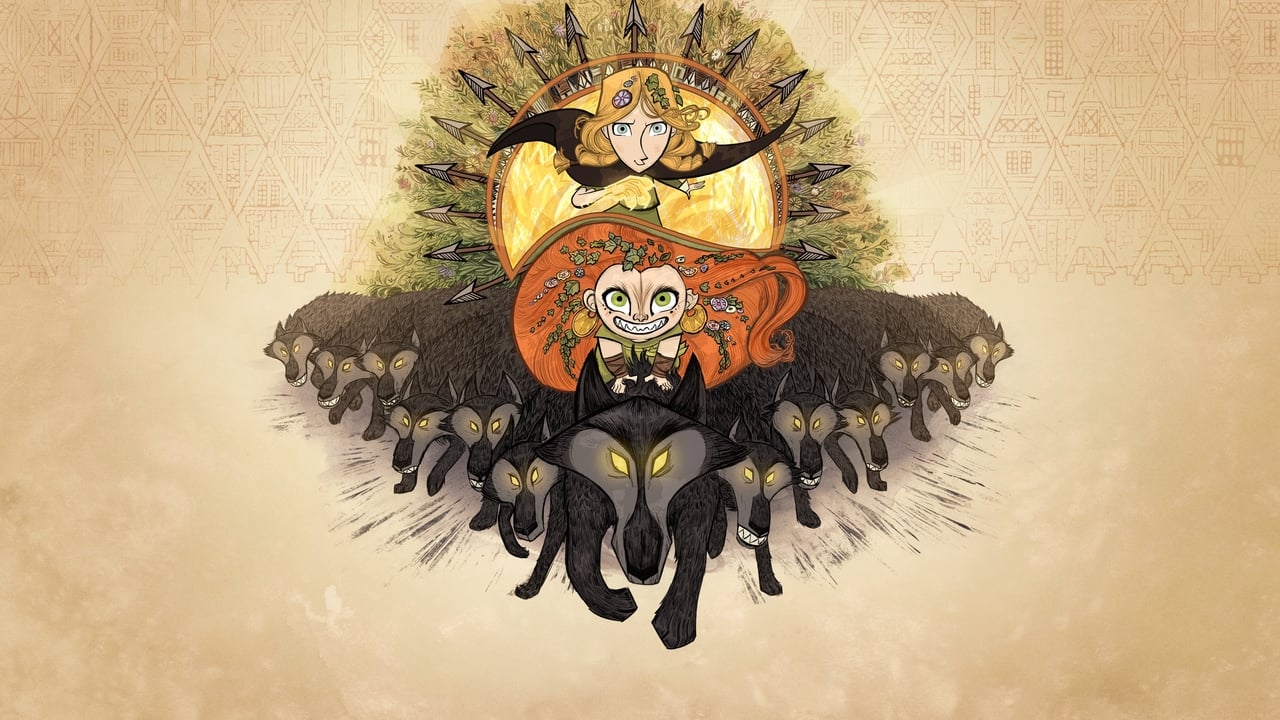
I watched this on a Tuesday afternoon while eating a piece of sourdough toast that I’d burnt just a little too much, and the charcoal crunch of the bread felt oddly appropriate for a movie that smells of woodsmoke and damp earth. It’s a crying shame that this film effectively vanished into the Apple TV+ vault upon release. Despite a tiny box office footprint—the byproduct of a 2020 release calendar that was essentially a ghost town—it stands as a monumental achievement in 2D animation that puts the "house style" of major American studios to shame.
A Forest Lost in the Algorithm
In the current streaming-dominant landscape, a film like Wolfwalkers is a bit of a "hidden gem" by default. It’s the final installment in Tomm Moore’s loose Irish Folklore Trilogy (following The Secret of Kells and Song of the Sea), and it’s arguably the most accessible of the bunch. Yet, because it didn't have the marketing muscle of a Pixar sequel or a Minions-themed blimp, it remains a "if you know, you know" title for cinema enthusiasts.
The story drops us into 1650s Kilkenny, Ireland. Robyn Goodfellowe (voiced by Honor Kneafsey) is a young English girl whose father, Bill (Sean Bean), has been tasked by the "Lord Protector" with wiping out the local wolf population. Robyn wants to be a hunter like her dad, but her world flips when she encounters Mebh (Eva Whittaker), a "Wolfwalker" who is human by day and a wolf by night.
The adventure that follows is classic hero’s journey stuff, but it’s elevated by a profound sense of peril. Unlike many contemporary family films that feel "safe," Wolfwalkers understands that the best adventures require a genuine threat of loss. Simon McBurney voices the Lord Protector (a thinly veiled Oliver Cromwell) with a chilling, self-righteous zealotry that makes him one of the most effective animated villains I’ve seen in years. He represents the "civilized" world’s urge to pave over anything it doesn't understand.
The Geometry of Control
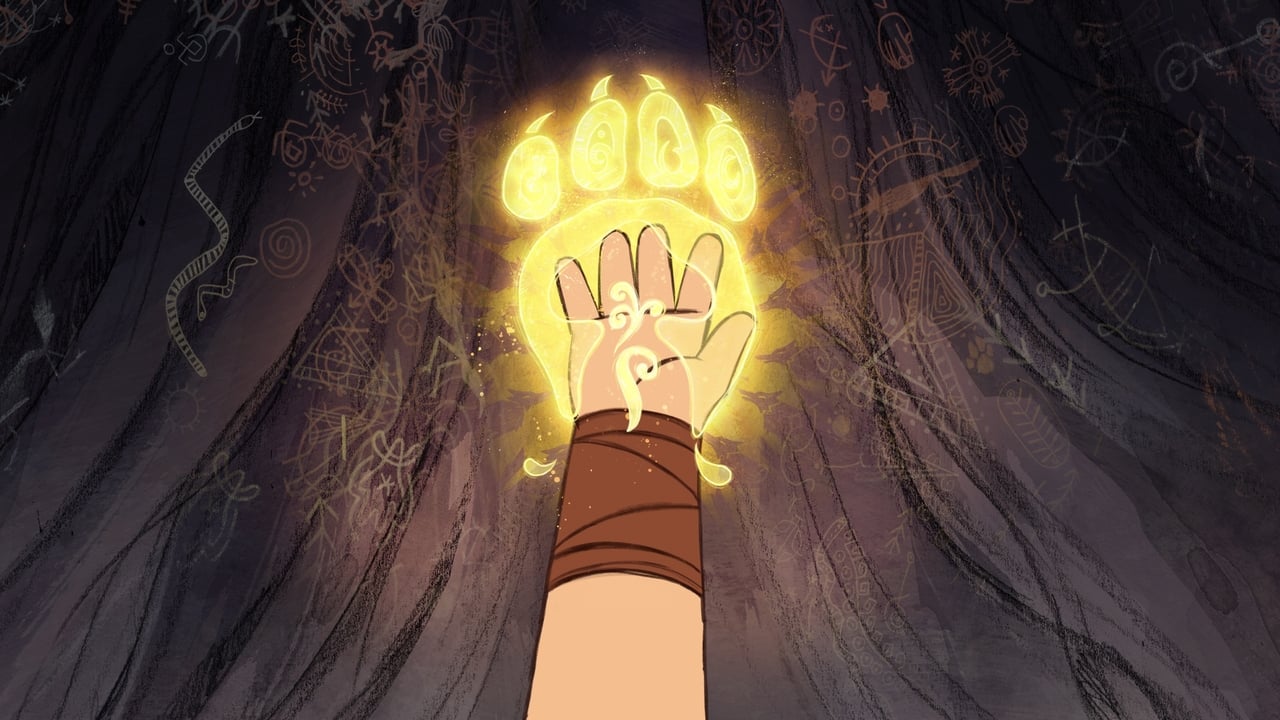
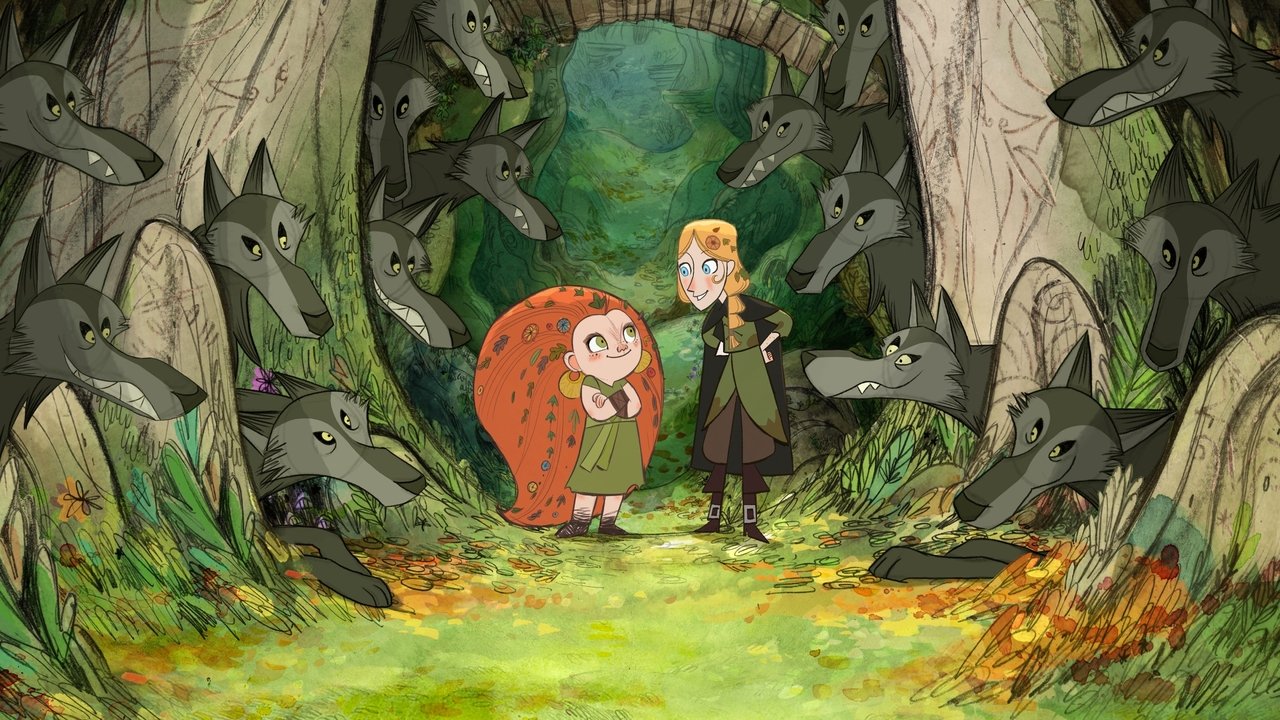
What I find most cerebral about Wolfwalkers is its visual philosophy. The filmmakers use "line language" to tell the story before a single word is spoken. The town of Kilkenny is drawn with rigid, straight lines and gray, oppressive squares. It’s a cage. In contrast, the forest is a swirl of circles, flowing curves, and messy, energetic sketches.
When Robyn is in the city, the screen feels flat and confined. But when she experiences "wolf-vision"—a psychedelic, charcoal-smudged POV of the world as scents and vibrations—the animation breaks every rule in the book. It’s a sensory explosion that illustrates the film's core question: What do we lose when we trade our wildness for the safety of a walled city?
This isn't just "nature is good, humans are bad" sermonizing. It’s an examination of how fear drives us to destroy the things that remind us of our own lack of control. I found myself thinking about our modern obsession with "curating" our lives and sanitizing our environments. In an era where everything is algorithmic and polished, the raw, unfinished edges of this film’s animation feel like a radical act of rebellion.
Running with the Pack
The heart of the movie is the chemistry between Robyn and Mebh. Honor Kneafsey and Eva Whittaker recorded their lines in the same room—a rarity in animation—and you can hear the genuine spark of friendship in their voices. Robyn’s transition from a girl trying to please her father to a wild spirit protecting her new "pack" is handled with a grace that avoids the usual "rebellious teen" clichés.
I also have to give a nod to Sean Bean. It’s lovely to see him in a role where his character’s primary trait isn't "the guy who dies," but rather a man paralyzed by the fear of losing his daughter. His internal struggle between duty and love provides the film’s emotional anchor, making the high-stakes finale feel earned rather than just a series of action beats.
The score by Bruno Coulais, featuring the folk stylings of Kíla, is the final ingredient that makes the world feel ancient and alive. The use of Aurora’s "Running with the Wolves" during a key sequence might have felt like a commercial tie-in in a lesser movie, but here, it’s a soaring anthem of liberation.
Wolfwalkers is the kind of movie that makes me want to throw my smartphone into a lake and go live in a hollowed-out tree. It manages to be a thrilling adventure for kids and a deep, philosophical meditation for adults without ever feeling like it’s talking down to either group. While it didn't set the box office on fire, its legacy will outlast most of its CGI contemporaries because it has something they often lack: a soul that feels hand-carved. If you haven't tracked this one down yet, do yourself a favor and find the biggest screen possible. It’s a masterpiece that deserves to be seen, not just scrolled past.

Keep Exploring...
-
Song of the Sea
2014
-
The Boy and the Beast
2015
-
How to Train Your Dragon: Homecoming
2019
-
Red Shoes and the Seven Dwarfs
2019
-

The Little Prince
2015
-
Raya and the Last Dragon
2021
-

Flow
2024
-

My Hero Academia: Two Heroes
2018
-
The Sea Beast
2022
-
Nimona
2023
-
Bao
2018
-

My Hero Academia: Heroes Rising
2019
-
Justice League Dark: Apokolips War
2020
-
Suzume
2022
-
Transformers One
2024
-
Descendants 3
2019
-
Guillermo del Toro's Pinocchio
2022
-
Frozen II
2019
-

Klaus
2019
-
Onward
2020