Wonder Woman 1984
"Everything has a price, even the 80s."
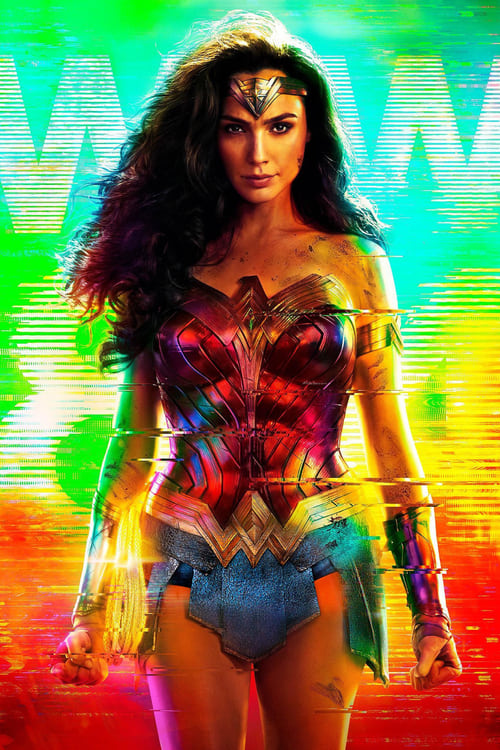
There is a specific kind of cognitive dissonance that comes with watching a $200 million blockbuster on a slightly stained IKEA couch while wearing three-day-old sweatpants. When Wonder Woman 1984 dropped on HBO Max in late 2020, it wasn’t just a movie release; it was a white flag. The pandemic had shuttered theaters, and for many of us, Patty Jenkins’ neon-soaked sequel became the ultimate "living room event." I remember watching the opening Amazonian Olympics sequence while my neighbor’s leaf blower provided a localized, unintentional 4D sound effect, and thinking about how much the world had changed since the first film’s gritty trench-warfare debut.
The Living Room Blockbuster
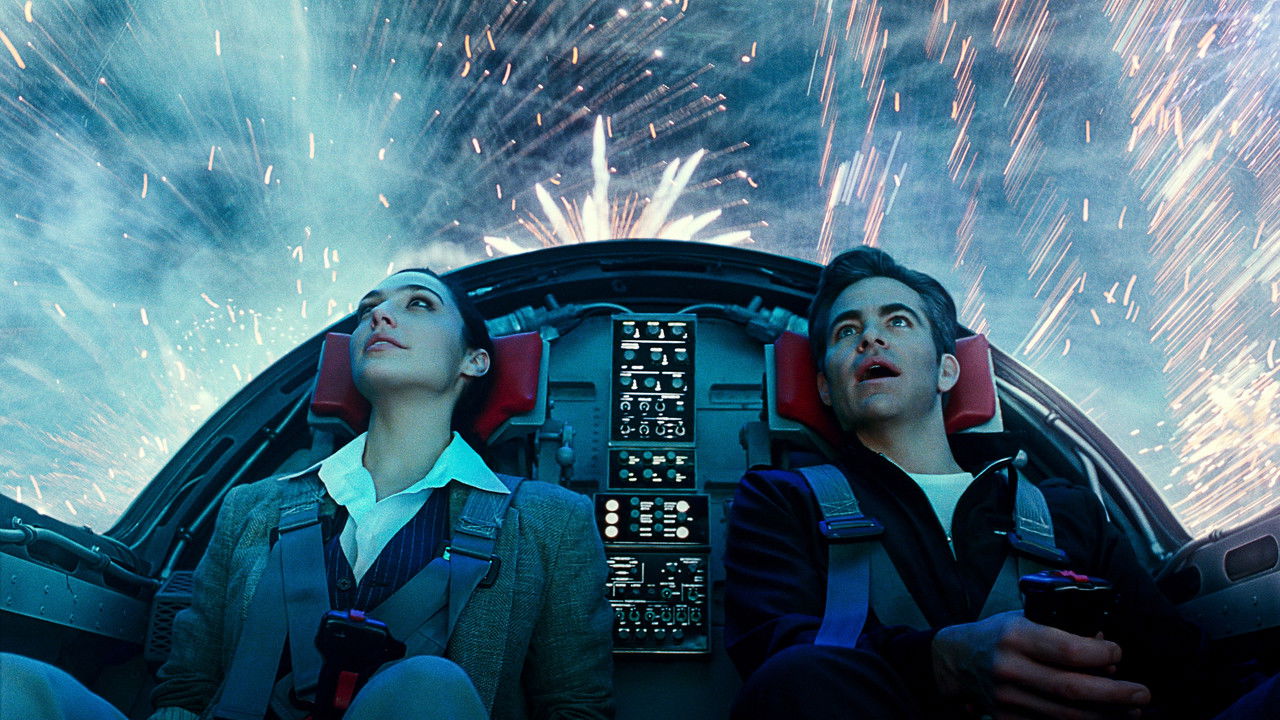
We are living in an era where the communal theater experience is often traded for the convenience of the "pause" button, and WW84 feels like a film caught between those two worlds. It’s loud, bright, and massive, yet it carries an earnest, almost Saturday-morning-cartoon energy that feels weirdly intimate. Following the 2017 smash hit, Gal Gadot returns as Diana Prince, now living a lonely life in D.C. working at the Smithsonian. She’s still mourning Steve Trevor (Chris Pine), which gives the film a melancholy backbone that I actually found quite touching, even if the "how" of his return involves a body-swap plot that makes less sense the more you think about it.
The 80s setting isn't just window dressing; it’s the catalyst. In a decade defined by "more is more," the film introduces the Dreamstone—a MacGuffin that grants any wish but takes away your most prized possession. It’s classic "Monkey’s Paw" logic. While the first film was a war movie disguised as a superhero flick, this is a fable about greed. It’s a bold swing in a franchise landscape that usually favors world-ending sky beams over character-driven morality plays.
Scenery-Chewing and Sparkly Spandex
If the film has a secret weapon, it’s Pedro Pascal. Before he was everyone’s favorite grumpy space-dad, he gave us Maxwell Lord, a failing oil tycoon who is essentially a cautionary tale about what happens when a LinkedIn 'Grindset' influencer finds a magic rock. Pascal plays the role with a frantic, sweating desperation that is genuinely captivating. He’s not a physical threat to Diana, but his emotional volatility makes him dangerous.
On the flip side, we have Kristen Wiig as Barbara Minerva. Her transition from a dorky, overlooked geologist to the apex predator Cheetah is a fun nod to 90s-era transformation tropes (think Michelle Pfeiffer’s Catwoman, but with more textures). However, the final CG-heavy confrontation between Diana and Cheetah is where the film’s visual polish starts to smudge. In an era of seamless digital doubles, the "fur" physics here felt a bit like a throwback to a mid-2000s video game cutscene. It’s a shame, because the earlier action—like the mall heist—is wonderfully tactile.
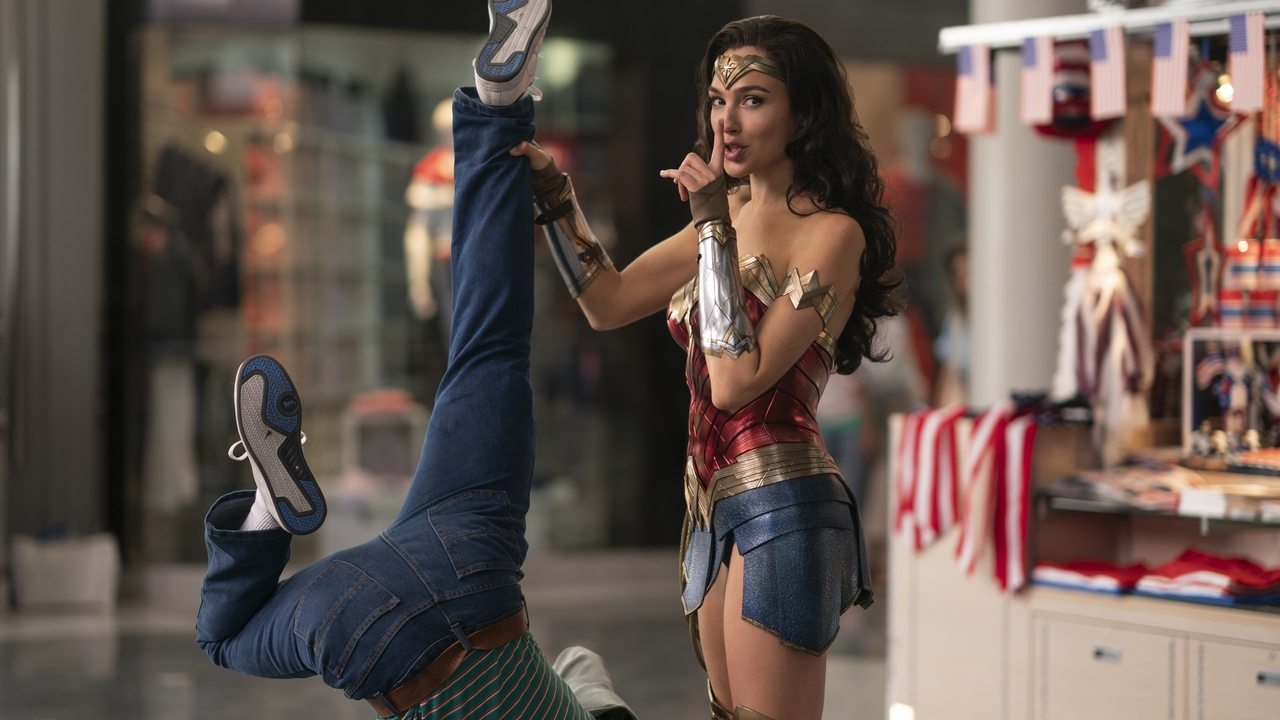
Speaking of the mall, that sequence is a trivia goldmine. The production actually took over the defunct Landmark Mall in Alexandria, Virginia, and rebuilt over 60 period-accurate stores to create that 1984 vibe. There’s something deeply satisfying about seeing Diana use her Lasso of Truth to swing from a food court balcony while "Blue Monday" hasn't quite started playing yet.
Stunts, Strings, and Synthesizers
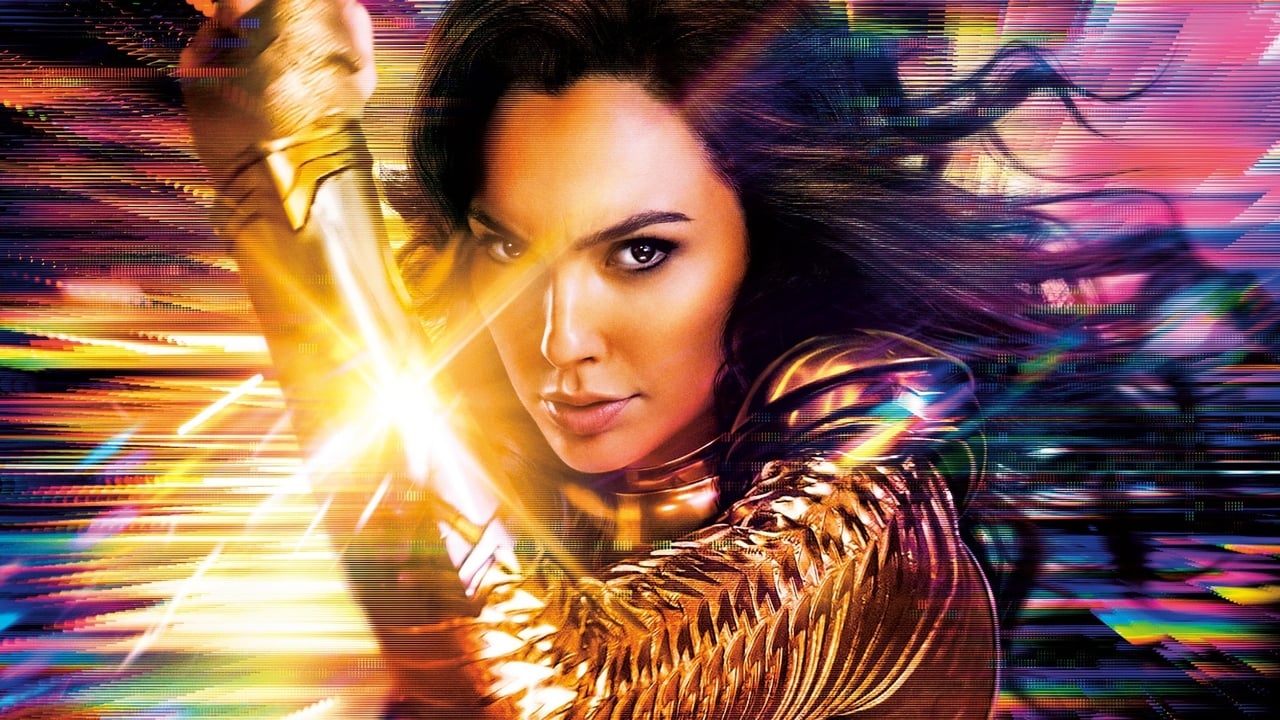
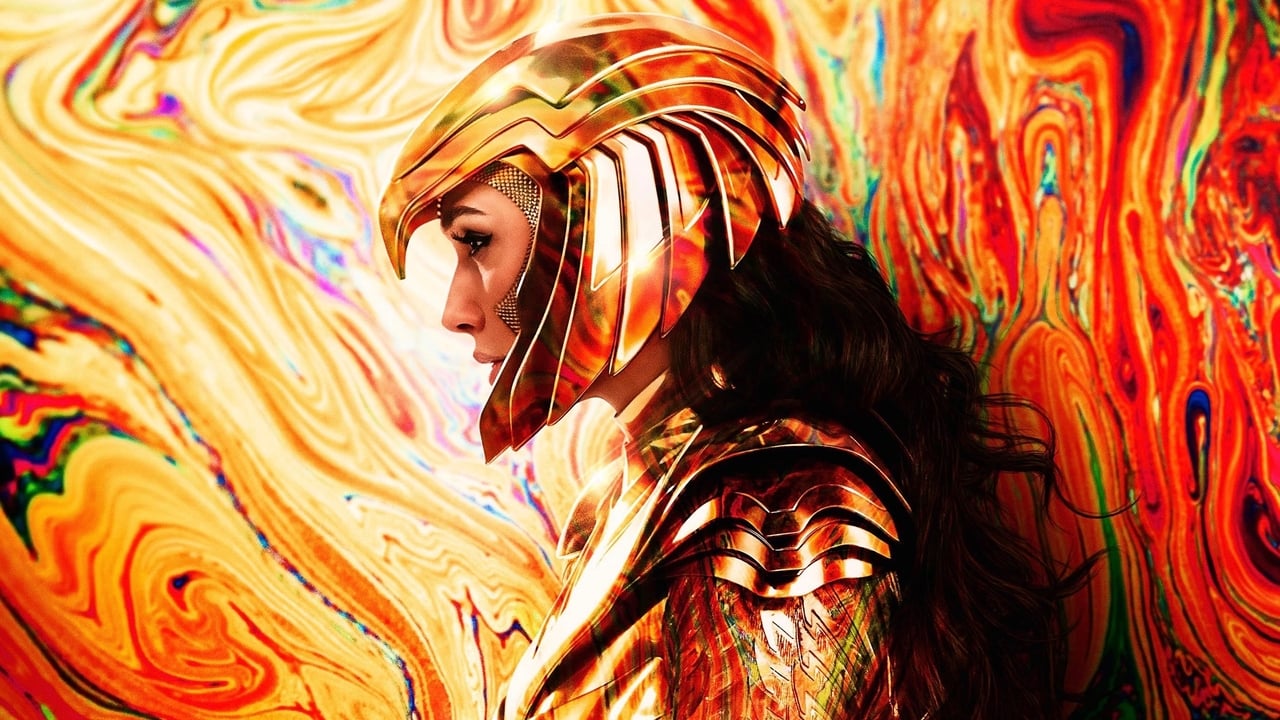
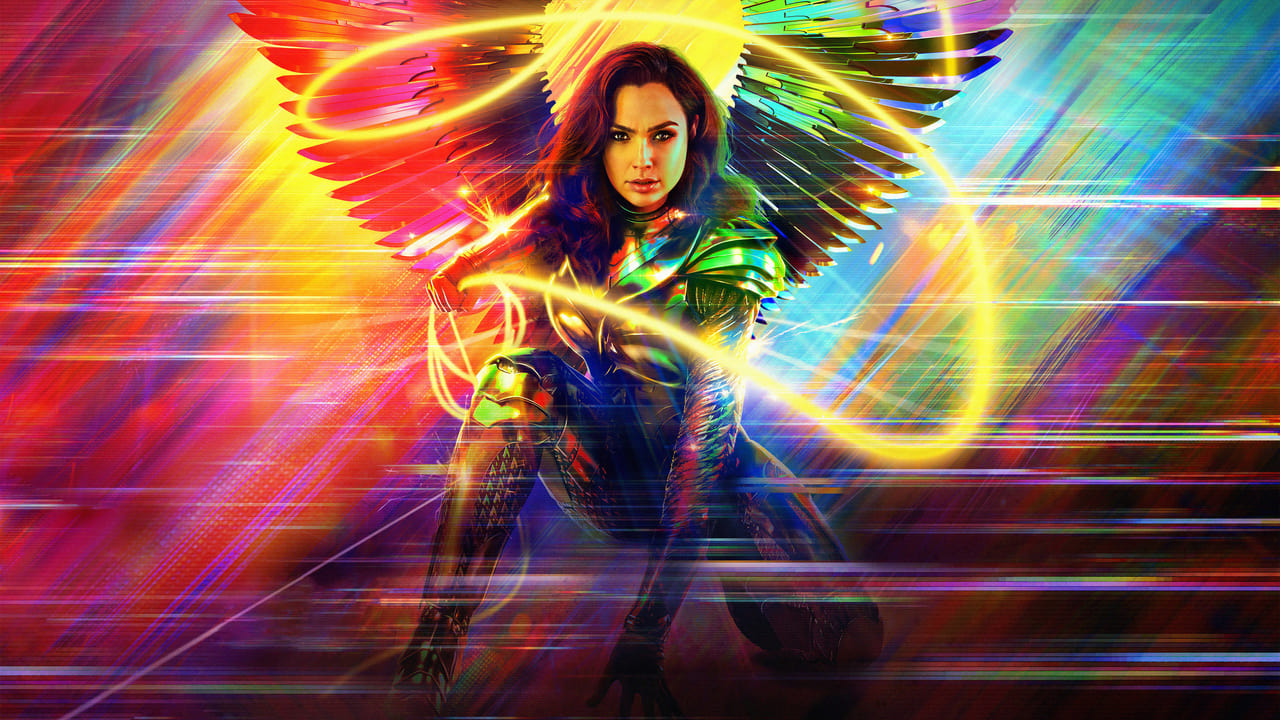
For the action purists, the desert truck chase is the film’s high-water mark. While the DCEU often gets flack for being a CGI soup, this sequence utilized incredible practical stunt work. They actually flipped a massive semi-truck in the middle of a desert road—a feat of engineering that reminds you why Patty Jenkins is so good at scaling action to feel "big" without losing the human element. Gal Gadot reportedly trained for six months to handle the physical demands, and you can see it in her posture; she carries the weight of the Golden Eagle armor with a grace that few actors could pull off.
The score by Hans Zimmer (who famously did the "Is She With You?" theme for Batman v Superman) shifts gears here, trading heavy cellos for 80s-inspired synthesizers. It’s a soaring, optimistic soundscape that fits the film’s "truth and love" message, though it does occasionally veer into "Oscar-bait" melodrama during the third-act speeches.
What’s fascinating about the "cult" status this film is already developing is how much it divided people. It’s a "love it or hate it" entry in the canon. Some fans found the "wish" logic frustratingly thin, while others (myself included) appreciated the shift away from the "punching things until they explode" finale. It’s a movie that asks Diana to win not through strength, but through a global Zoom call about being honest with ourselves. It’s cheesy, sure, but in the middle of a global pandemic, that brand of earnestness felt like a warm blanket.
Wonder Woman 1984 is a messy, vibrant, and deeply sincere blockbuster that arguably tries to do too much in its 151-minute runtime. It’s a film that suffers from some questionable logic leaps—the "Steve Trevor body-snatching" thing remains a bizarre creative choice—but it succeeds in capturing a sense of wonder that is often missing from modern caped-crusader flicks. It’s a snapshot of a very specific moment in cinema history where the big screen shrunk to the size of our living rooms, and for all its flaws, it’s still a ride worth taking for Pedro Pascal’s performance alone.
Keep Exploring...
-
Wonder Woman
2017
-
Mortal Kombat
2021
-
The Great Wall
2016
-
Damsel
2024
-
The Last Witch Hunter
2015
-

The Legend of Tarzan
2016
-
Warcraft
2016
-
Pacific Rim: Uprising
2018
-
Tomb Raider
2018
-
Hellboy
2019
-
Pokémon Detective Pikachu
2019
-
Mulan
2020
-
Jungle Cruise
2021
-
Aquaman and the Lost Kingdom
2023
-

Pan
2015
-
Gods of Egypt
2016
-
Robin Hood
2018
-
Monster Hunter
2020
-

Gladiator II
2024
-
Batman v Superman: Dawn of Justice
2016