You Should Have Left
"The house is keeping score."
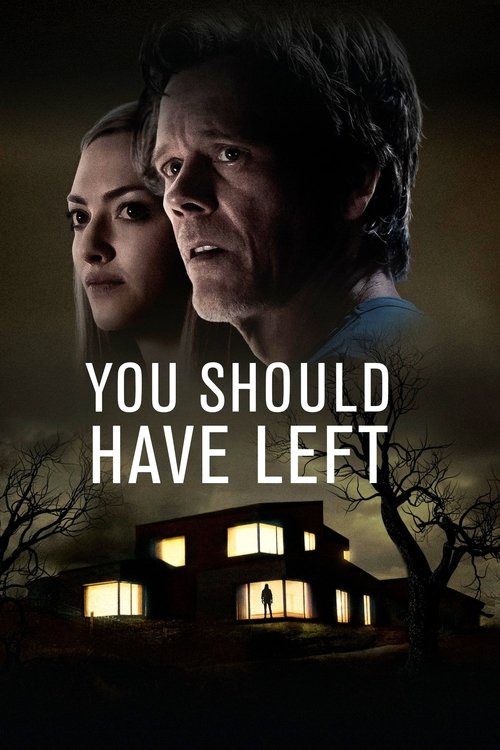
Imagine it’s June 2020. The world has effectively shrunk to the size of your living room, your social life is a series of pixelated Zoom calls, and the only thing more uncertain than the future is whether you’ve already watched everything on Netflix. Into this claustrophobic vacuum dropped You Should Have Left, a movie that felt less like a standard Blumhouse thriller and more like a cruel joke played on a captive audience. It was one of the early "Premium VOD" releases, bypassing the shuttered multiplexes to charge us twenty bucks to watch Kevin Bacon have a nervous breakdown in a Welsh rental home while we were all doing the exact same thing in our pajamas.
I watched this on my laptop while a neighbor was aggressively power-washing their driveway, and the rhythmic drone actually synced up perfectly with the low-frequency humming of the house’s score. It added a layer of sensory annoyance that, strangely, made the film’s mounting dread feel much more personal.
A Shifting Foundation
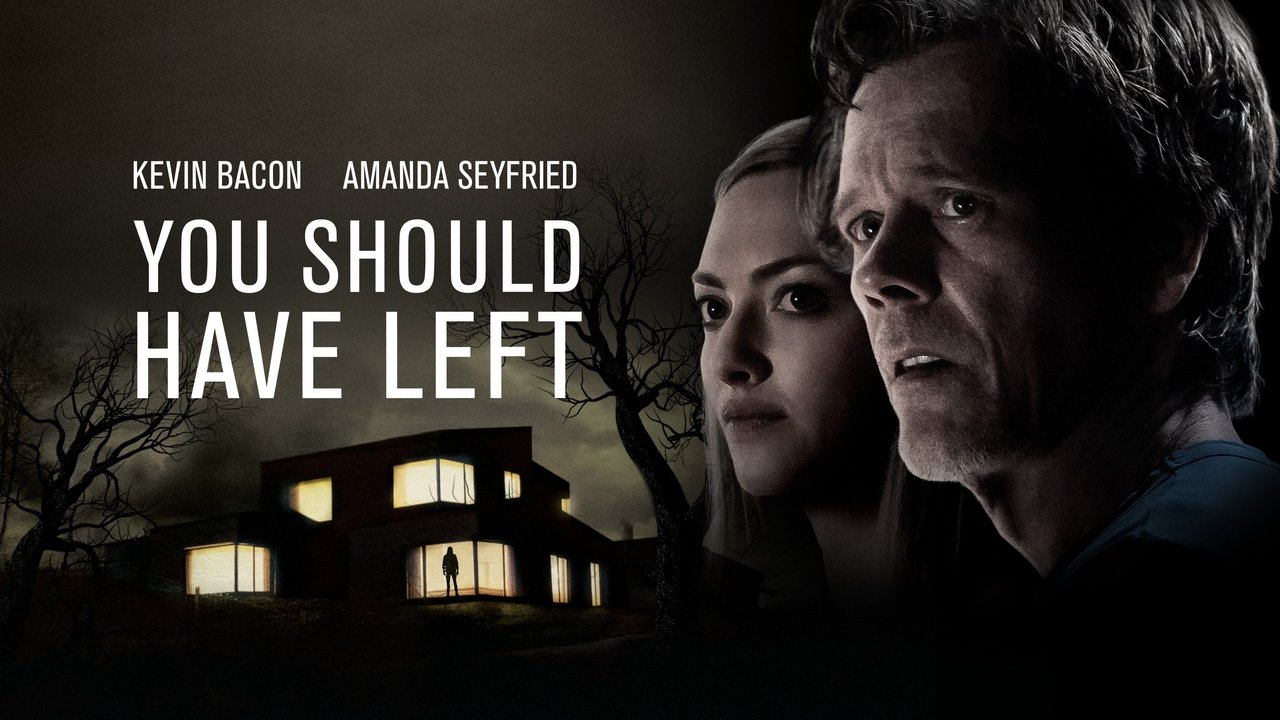
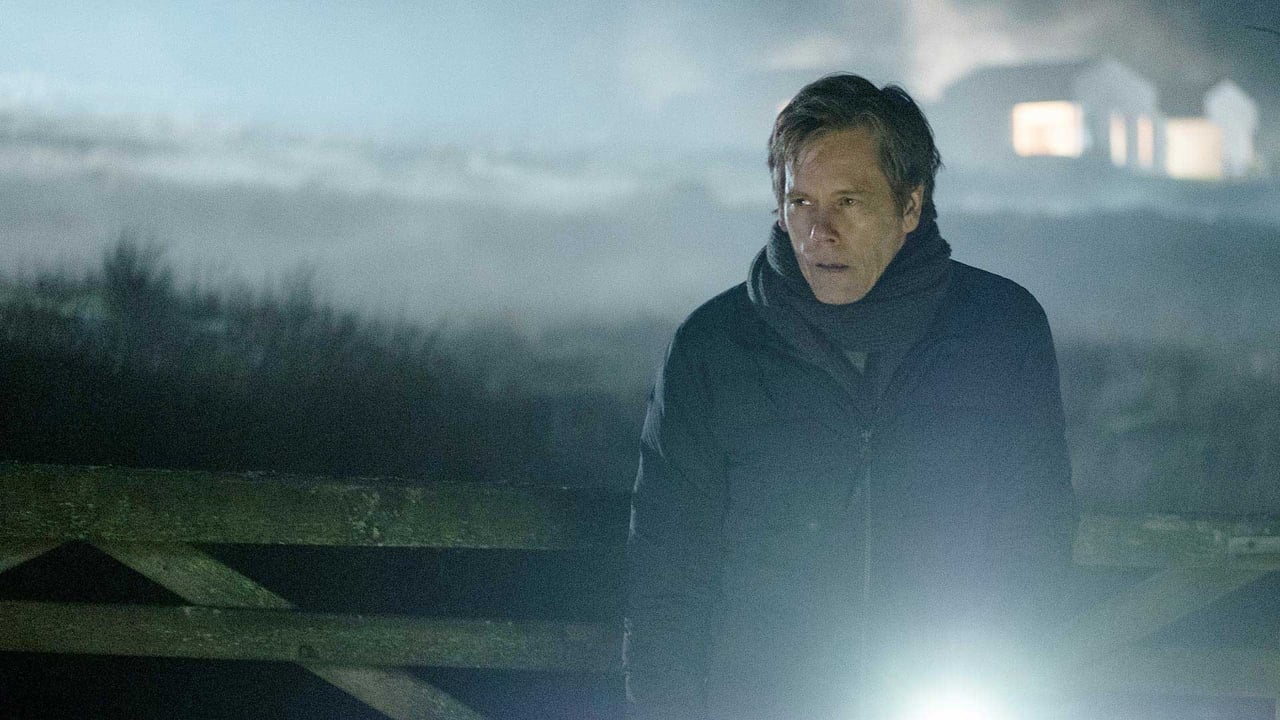
The setup is classic David Koepp—a filmmaker who has spent decades mastering the art of the "contained" thriller, from writing Panic Room (directed by David Fincher) to directing the underrated Stir of Echoes. The latter also starred Kevin Bacon, and their reunion here feels like a comfortable pair of old shoes—if those shoes were filled with broken glass and existential regret. Bacon plays Theo Conroy, an older, wealthy man with a young wife, Susanna (Amanda Seyfried), and a precocious daughter, Ella (Avery Tiiu Essex).
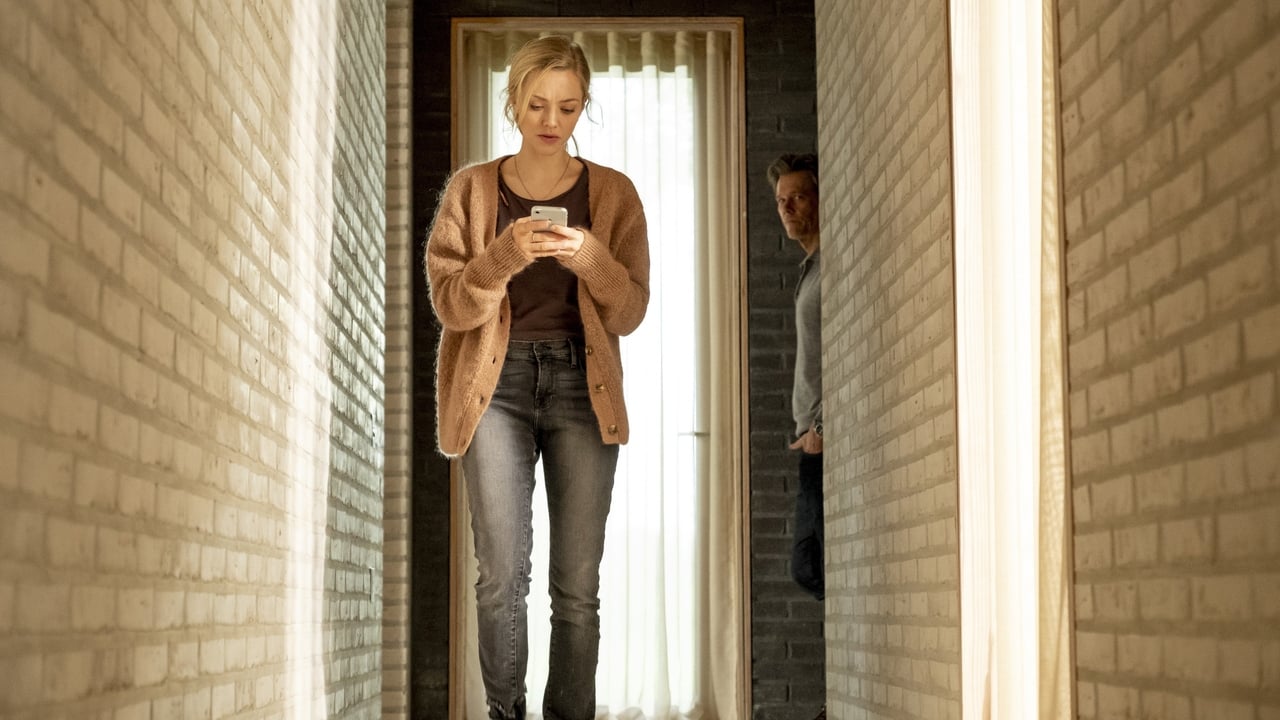
They decide to "get away from it all" by renting a stunning, ultra-modernist fortress in the Welsh countryside. It’s the kind of house that usually appears in Architectural Digest—all sharp angles, cold stone, and enough floor-to-ceiling glass to make a bird’s life expectancy drop to zero. But almost immediately, the house starts acting... wrong. Not "pipes-clanking" wrong, but "the-light-switch-takes-five-seconds-to-work" wrong. Then comes the real kicker: Theo discovers the house is physically larger on the inside than it is on the outside.
I’ve always loved the trope of impossible geometry. There’s something fundamentally upsetting about a hallway that’s six inches longer than it was five minutes ago. Koepp avoids the usual CGI-heavy spectacle of something like Doctor Strange, opting instead for a quiet, creeping realization. When Theo starts measuring the walls with a drafting tape, you feel his sanity slipping with every extra foot of unexplained space.
The Geometry of Guilt
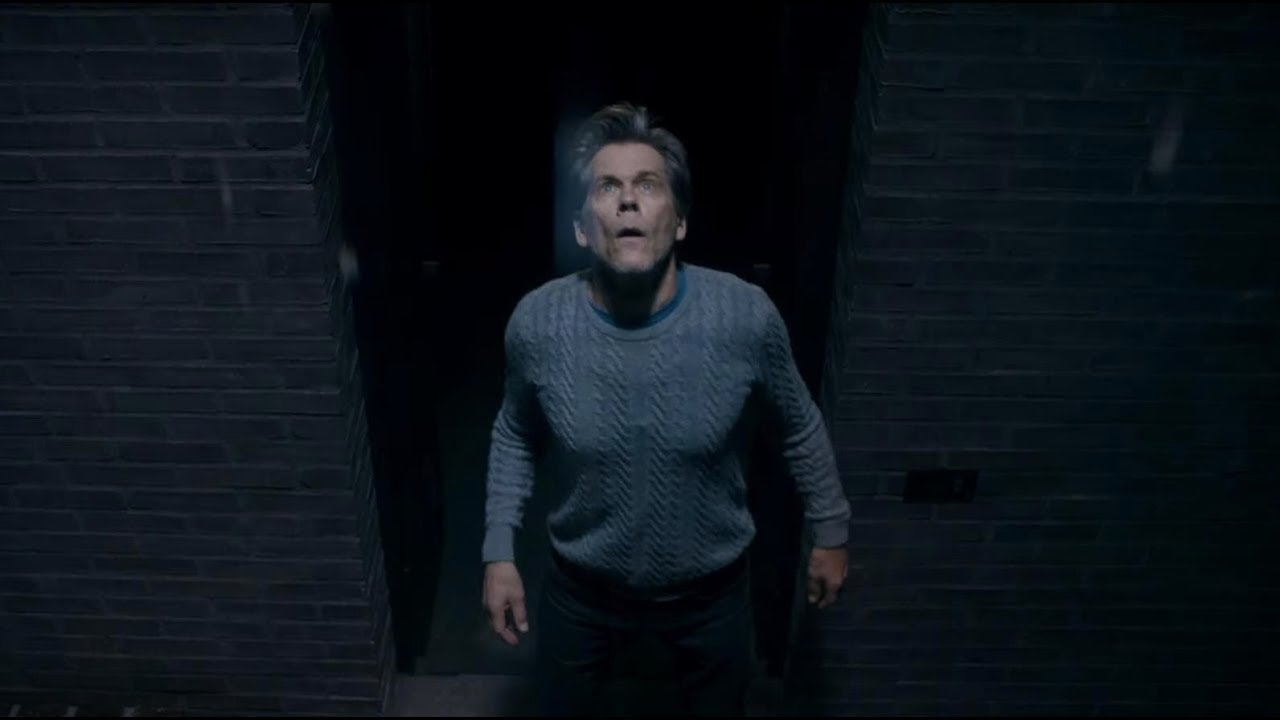
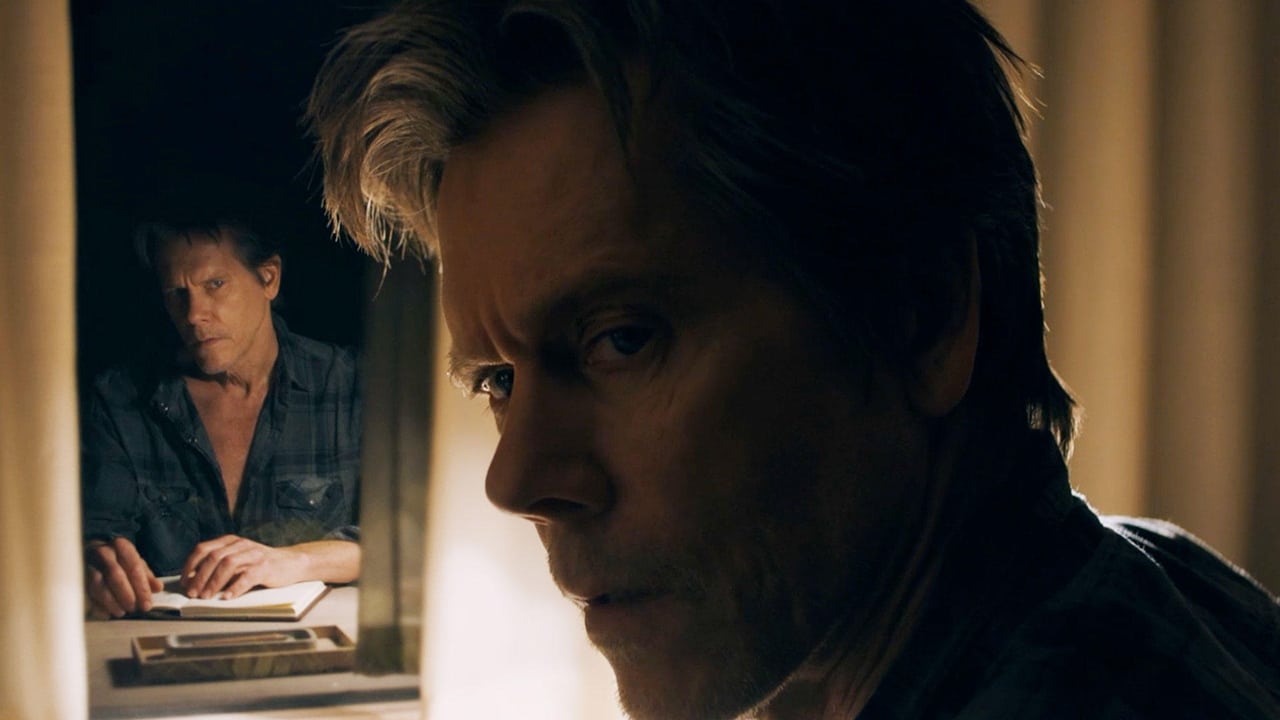
The horror here isn't really about ghosts or monsters; it's about the weight of a secret. Theo is a man with a "past"—specifically, a dead ex-wife and a high-profile trial that left the public convinced he got away with murder. Kevin Bacon is the perfect choice for this because he can play "innocent-looking guy with a darkness behind his eyes" better than almost anyone in Hollywood. He’s lean, wiry, and looks like he’s made of high-tension wire.
As the house begins to reveal its true nature—shifting doors, shadows that move independently, and notes appearing in Theo’s own handwriting—it becomes clear that the architecture is just a physical manifestation of his own guilt. The house isn't just a place; it's a trap designed for a specific kind of sinner. Theo is less a protagonist and more a man trying to outrun a particularly nasty Google search. He spends half the movie looking over his shoulder, not at a killer, but at his own reflections.
Amanda Seyfried does what she can with a somewhat thankless "suspicious wife" role, though her chemistry with Bacon is intentionally awkward. The age gap is highlighted as a source of Theo’s insecurity, which the house exploits by making him think she’s cheating. It’s effective, if a bit standard, but the real star is the house itself (which, in reality, is a place called the Life House in Llanbister, Wales).
Streaming into the Void
Because You Should Have Left was released during the height of the pandemic, it missed out on the collective "shush" of a dark theater. In a cinema, the slow-burn pacing might have felt more deliberate; on a couch with a phone nearby, it occasionally feels a bit thin. At 93 minutes, it’s lean, but the third act takes a turn into surrealism that doesn't quite land with the same impact as the psychological build-up. It trades the "measure-the-walls" dread for a more conventional "run-away-from-the-creepy-figures" finale.
It also bears the marks of the modern Blumhouse model: high concept, low budget, and a reliance on atmosphere over gore. In the era of "Elevated Horror" (a term I personally find a bit pretentious, but it fits here), this feels like a mid-tier entry. It’s not going to change your life like Get Out or Hereditary, but it’s a solid, craft-focused thriller that understands how to use a shadow.
Apparently, the idea for the film came from Kevin Bacon himself, who told Koepp he wanted to make a movie about a marriage falling apart in a haunted house. It’s a very "actorly" motivation, focusing on the internal decay rather than external shocks. While it may have vanished from the cultural conversation shortly after its digital release, it’s worth a look for anyone who appreciates a movie that treats architecture as a weapon. It’s essentially a high-end IKEA catalog haunted by a midlife crisis.
If you’re looking for a Friday night chiller that won't give you permanent nightmares but will make you double-check your own hallway’s dimensions, this is a safe bet. It’s a showcase for Kevin Bacon’s enduring ability to play the "man on the edge," even if the film’s conclusion feels a little too neat for the messy psychological territory it explores. It’s a minor work in David Koepp’s impressive filmography, but even minor Koepp is more structurally sound than most of the horror clutter filling up your streaming queues today. Just maybe don't watch it if you're already feeling a bit cooped up in your own four walls.
Keep Exploring...
-

Stir of Echoes
1999
-
Hidden
2015
-
I Spit on Your Grave III: Vengeance Is Mine
2015
-
Regression
2015
-
Before I Wake
2016
-

Morgan
2016
-
The Other Side of the Door
2016
-
Cult of Chucky
2017
-
The Mummy
2017
-

Wish Upon
2017
-

Assassination Nation
2018
-
Hell Fest
2018
-
Tau
2018
-
The Perfection
2018
-
The Strangers: Prey at Night
2018
-
Haunt
2019
-
Polaroid
2019
-
Secret Obsession
2019
-
The Prodigy
2019
-
The Silence
2019