A Classic Horror Story
"Every trope is a trap in this Italian nightmare."
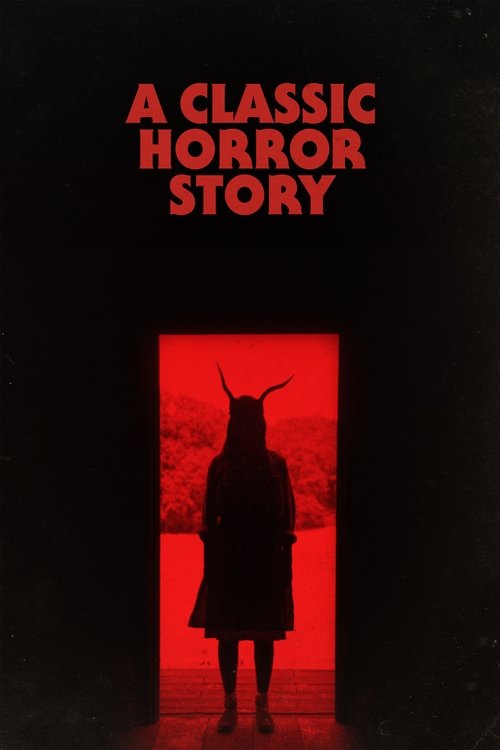
I have a very specific memory of watching A Classic Horror Story for the first time. I was sitting in my living room, and my ancient air conditioner started making this rhythmic, metallic rattling sound. For a solid ten minutes, I was convinced it was part of the film’s unsettling sound design—some industrial dread creeping in from the edges of the Italian woods. When I finally realized it was just my crumbling appliance, I felt a strange sense of relief, but also a lingering unease. That’s exactly the kind of movie this is: it plays with your expectations of what is "real" in a horror film until you’re second-guessing the very tropes you grew up loving.
The Comfort of the Familiar
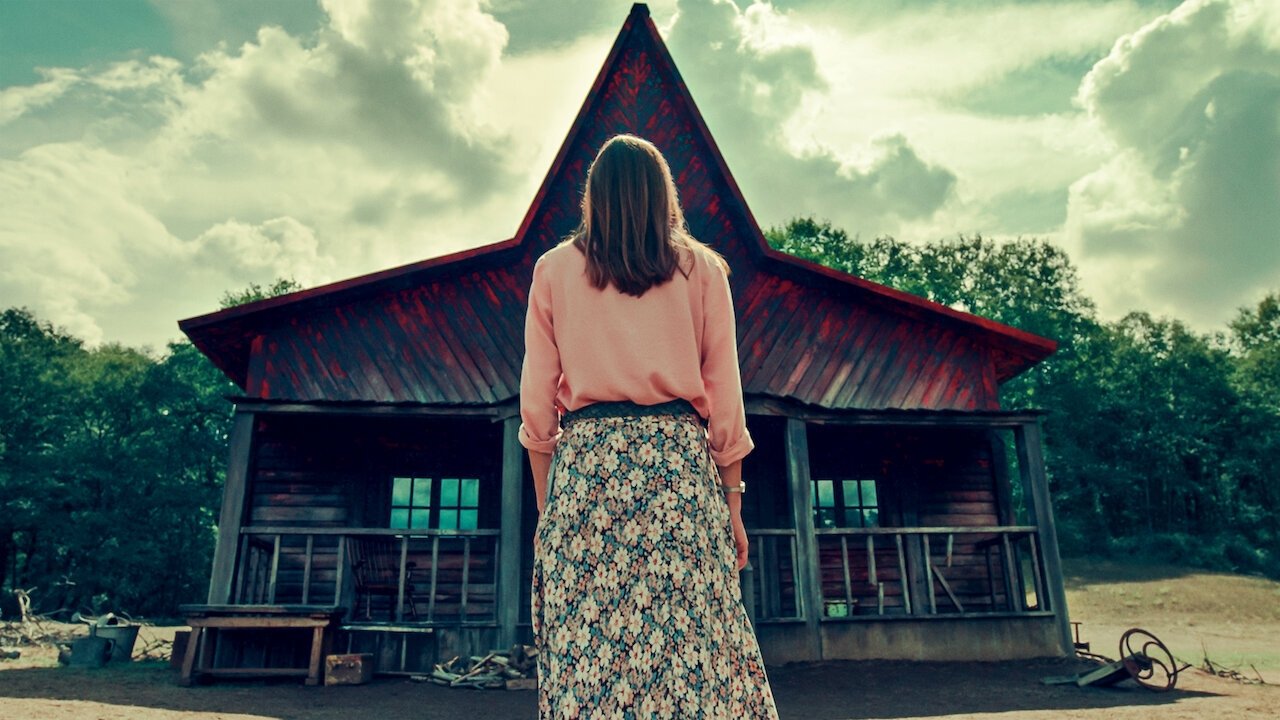
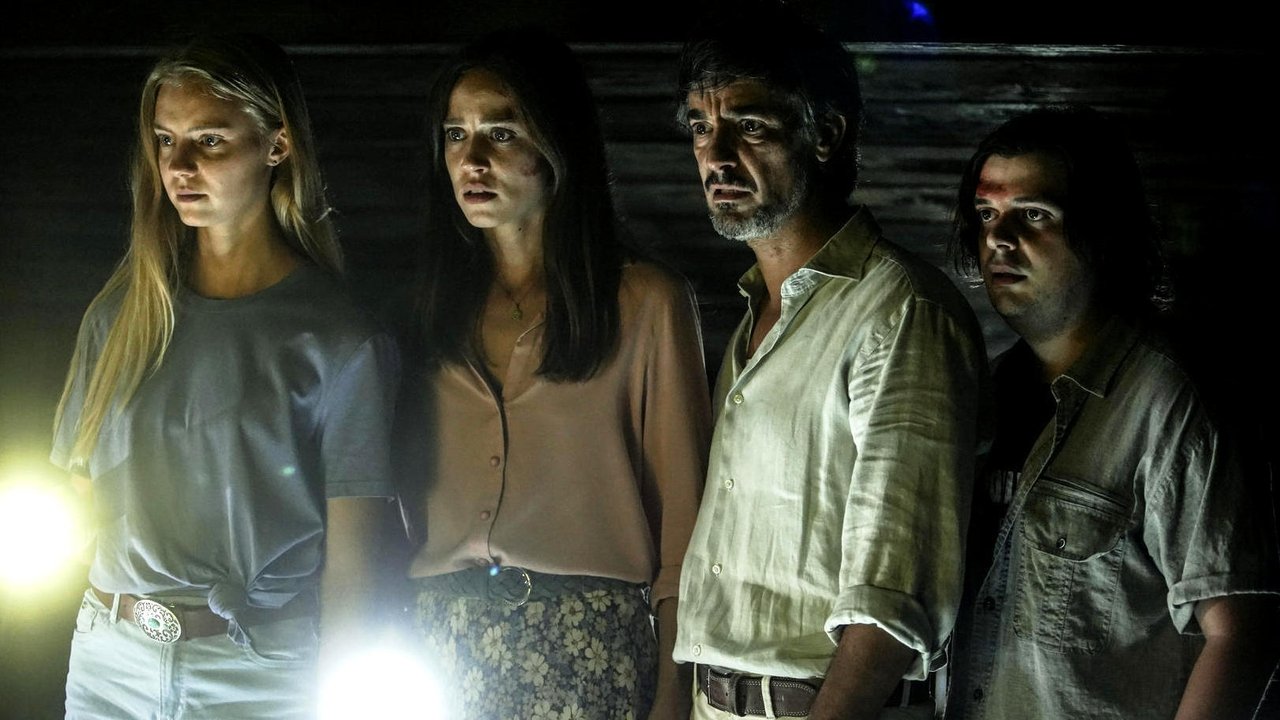
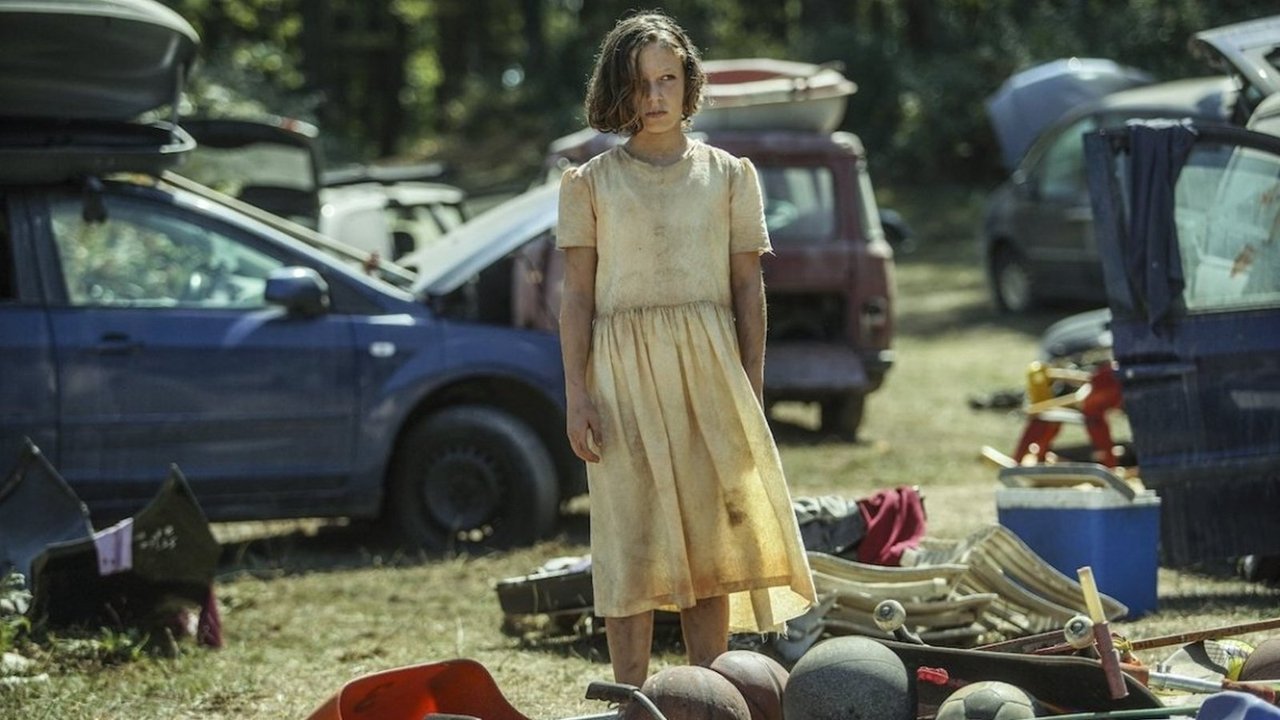
If you’ve seen The Texas Chain Saw Massacre, Evil Dead, or Midsommar, you’ll recognize the bones of this story immediately. A group of strangers—including the guarded Elisa (Matilda Lutz) and the slightly over-eager film student Fabrizio (Francesco Russo)—share a camper van traveling through southern Italy. They crash into a tree in the middle of the night, and when they wake up, the road is gone. In its place is a clearing, a dense, impenetrable forest, and a jagged wooden house that looks like it was designed by a cult with a serious lumber budget.
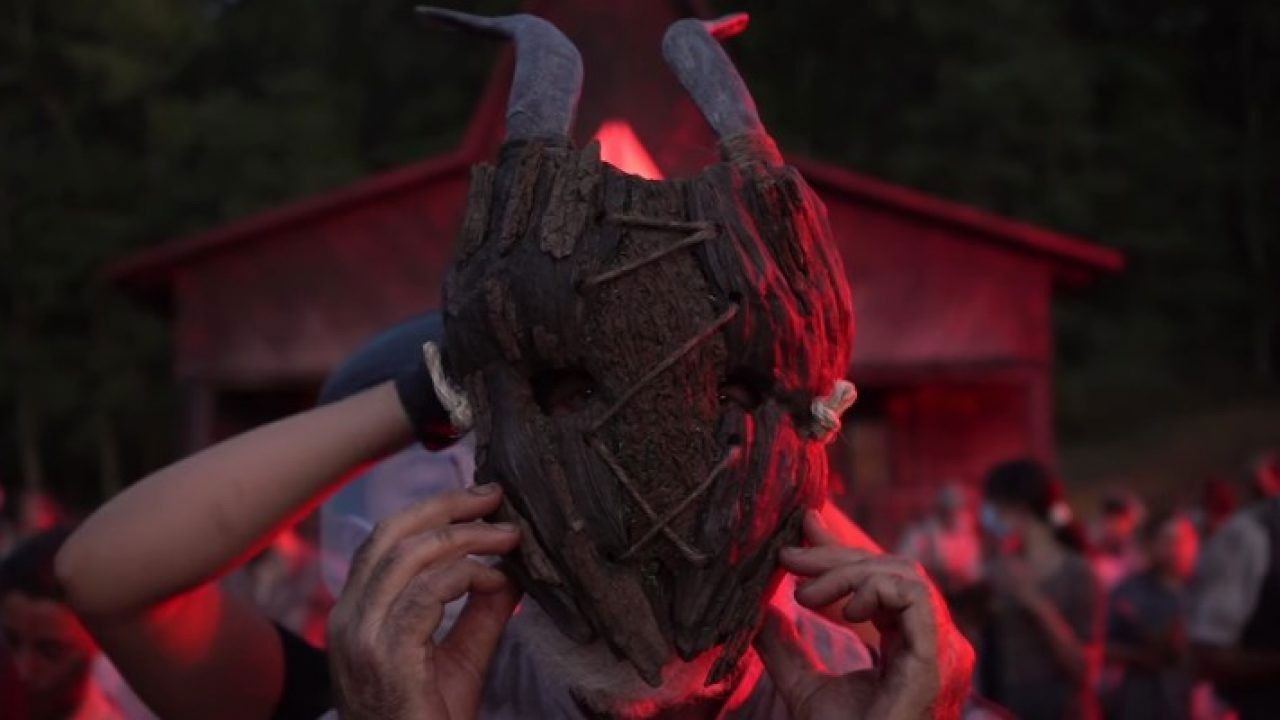
Director duo Paolo Strippoli and Roberto De Feo lean hard into these clichés. For the first forty minutes, it feels like a greatest-hits album of folk horror. You’ve got the eerie paintings, the hidden rooms filled with terrifying masks, and the "Leggenda" of three deities—Osso, Mastrosso, and Carcagnosso—who demand blood for a good harvest. I found myself thinking, "I know exactly where this is going." But that’s the trap. The movie is titled A Classic Horror Story not because it’s trying to be one, but because it’s obsessed with the idea of them.
A Middle Finger to the Algorithm
Released in 2021 as a Netflix original, this film arrived at a very specific moment in cinema history. We were deep into the streaming era, a time when "content" is often shaped by what an algorithm thinks we want to see. This film feels like a narrative middle finger to the Netflix recommendation bar. Just when you think you’ve settled into a standard slasher, the rug is pulled out from under you in a way that feels uniquely "now."
It tackles the voyeurism of the social media age and our collective desensitization to violence. Without spoiling the pivot, the film eventually shifts its focus from supernatural deities to the way we consume horror as a commodity. It’s a meta-commentary that feels akin to Scream, but with a meaner, more cynical Italian edge. I appreciated how it didn't just coast on its influences but actively interrogated why we keep coming back to these same stories of "strangers in the woods."
Crafting the Dread
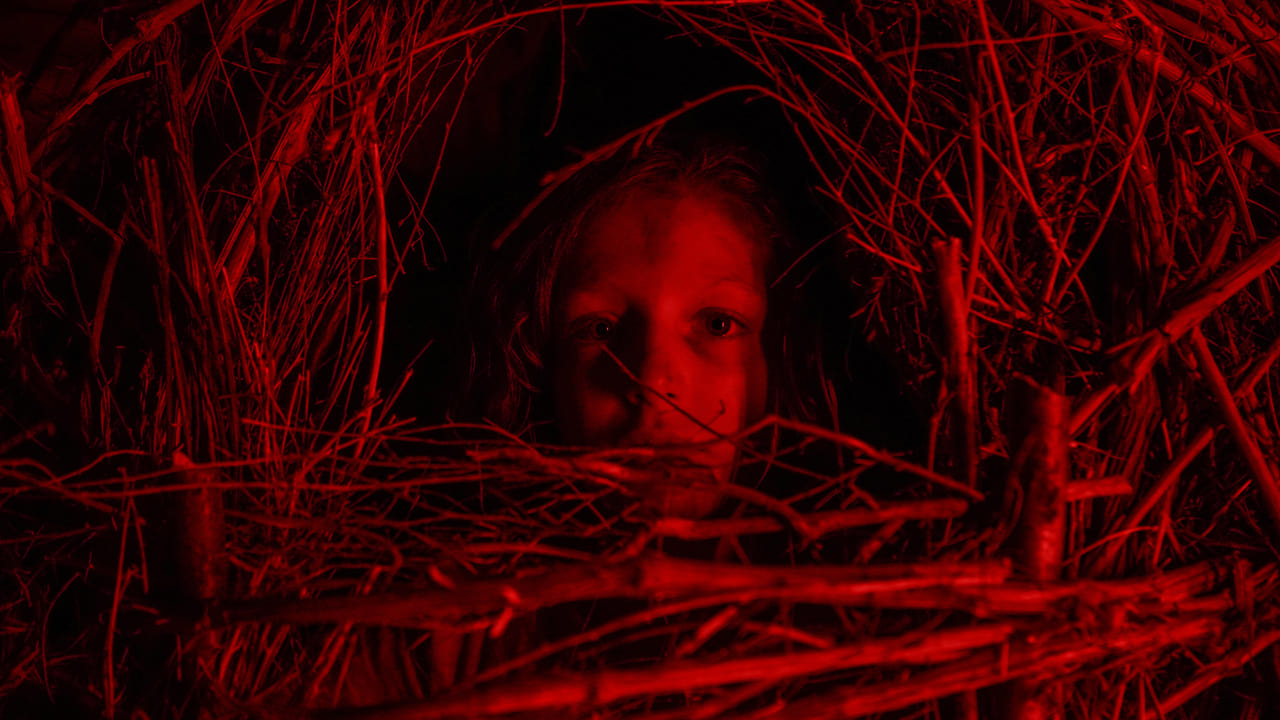
The visual language here is striking. Unlike many contemporary horror films that hide their flaws in murky, under-lit scenes, Strippoli and De Feo use a bold palette. There are moments where the screen is bathed in a deep, Giallo-inspired red that feels like a nod to Dario Argento (of Suspiria fame), creating a dreamlike, almost operatic atmosphere. The practical effects, too, are impressively gnarly. There’s a scene involving a "cleansing" ritual that made me audibly gasp—it’s messy, tactile, and reminds you that sometimes nothing beats good old-fashioned makeup and squibs.
Matilda Lutz, who was absolutely fierce in the 2017 film Revenge, proves once again that she is one of the best "final girls" working today. She brings a grounded, weary humanity to Elisa that keeps the movie from drifting too far into its meta-layers. Alongside her, Francesco Russo is wonderfully irritating as the guy who won't stop talking about movie rules, and veteran actor Peppino Mazzotta provides some much-needed gravitas as Riccardo. The chemistry between this group of doomed travelers feels authentic, which makes the inevitable "thinning of the herd" actually carry some weight.
Why It Slipped Through the Cracks
Despite its style and smarts, A Classic Horror Story didn't exactly become a cultural phenomenon. That’s the curse of the streaming era: a movie can be "Top 10" for a week and then vanish into the digital ether. It’s also an Italian film in a market dominated by English-language horror, which unfortunately means it’s often overlooked by casual viewers who aren't looking to read subtitles.
However, for those of us who track the evolution of the genre, this is a minor gem worth digging up. It reflects the pandemic-era anxiety of being trapped, the modern obsession with "the audience," and the struggle of Italian filmmakers to reclaim their horror heritage from the shadows of the past. It’s a movie that knows it’s a movie, and it wants to make sure you know it, too.
A Classic Horror Story is a wild, stylish ride that manages to be both a love letter and a critique of the genre. While it occasionally trips over its own cleverness in the final act, the sheer audacity of its "pivot" makes it memorable. If you’re tired of the same old jump scares and want something that actually has something to say about your own viewing habits, give this one a spin. Just make sure your air conditioner isn't rattling before you start, or you might end up as jumpy as I was.
Keep Exploring...
-
The Void
2016
-

Apostle
2018
-
Polaroid
2019
-
The Room
2019
-
Color Out of Space
2020
-
Gretel & Hansel
2020
-
Hubie Halloween
2020
-
The Empty Man
2020
-

The Lodge
2020
-
Antlers
2021
-

The Deep House
2021
-
The Night House
2021
-
Mr. Harrigan's Phone
2022
-
Watcher
2022
-
Thanksgiving
2023
-
Immaculate
2024
-
The Watchers
2024
-
Until Dawn
2025
-
Goodnight Mommy
2015
-
Regression
2015