A Quiet Place Part II
"The loudest thing in the room is your heartbeat."
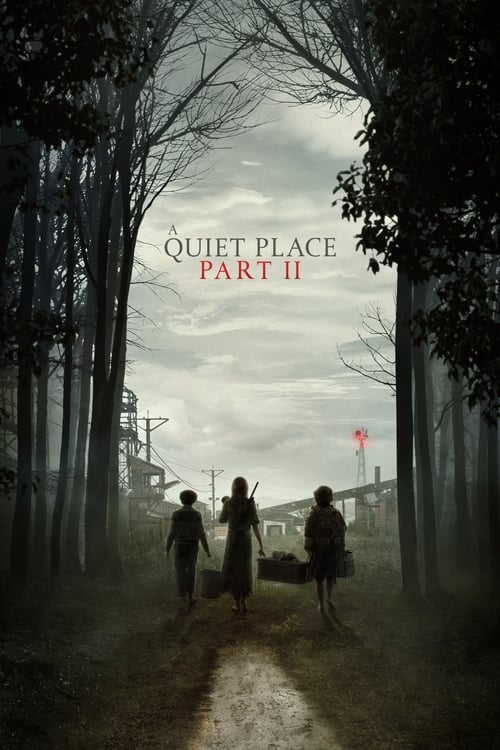
The first time I sat down to watch A Quiet Place Part II, I was acutely aware of my own lukewarm cup of peppermint tea. Every time the ceramic hit the coaster, I flinched. That’s the particular brand of magic John Krasinski stumbled into with this franchise—it turns the mundane act of existing into a high-stakes stealth mission. Released in 2021, after a grueling year of pandemic-induced delays, the film didn’t just arrive in theaters; it served as a litmus test for whether we were ready to sit in a dark room with strangers again. There was something poetic about a movie predicated on the terror of shared space being the one to beckon us back to the multiplex.
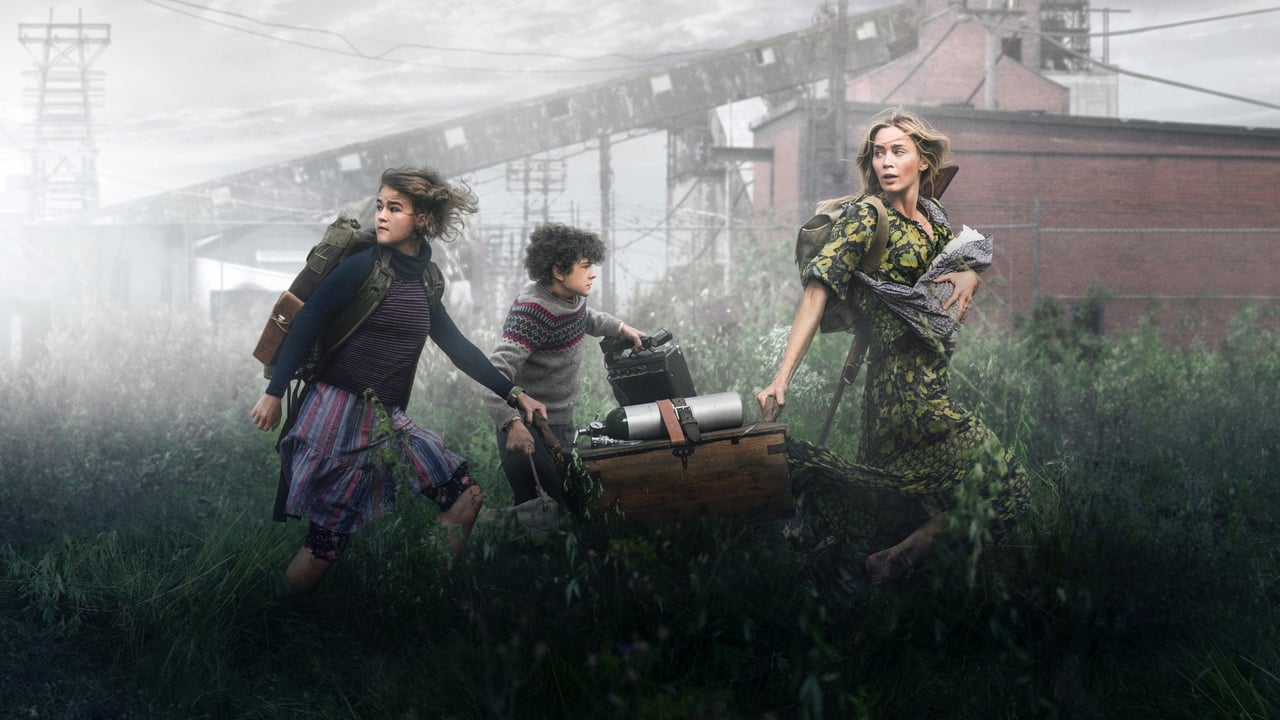
While the 2018 original felt like a tight, high-concept family fable, the sequel is a sprawling, jagged expansion. It’s grimmer, wider, and far more cynical. We transition from the controlled environment of the sand-path farm to the rusted, industrial decay of a world that has already lost. It captures that specific post-2015 cinematic "Dark" energy—where the stakes aren't just survival, but the preservation of one's humanity in a landscape that rewards cruelty.
The Day the World Broke
The film opens with a sequence that is arguably the best ten minutes of horror-action in the last decade. By jumping back to "Day 1," Krasinski (who briefly reprises his role as Lee Abbott) gives us the chaos we missed the first time around. It’s a masterclass in spatial awareness and mounting dread. We see the Abbott family in a sunny, idyllic small-town setting, only for the sky to fall.
What makes this prologue work isn't the monsters; it's the sound of a shattering glass or the way a crowd’s panicked roar suddenly cuts to absolute silence when we shift to the perspective of Regan (Millicent Simmonds). The monsters are honestly more frightening when they are just blurred shapes in a rearview mirror rather than CGI centerpieces. This opening sets a heavy tone: the world didn't just end; it was torn apart while people were still holding their grocery bags.
A New Kind of Heroism
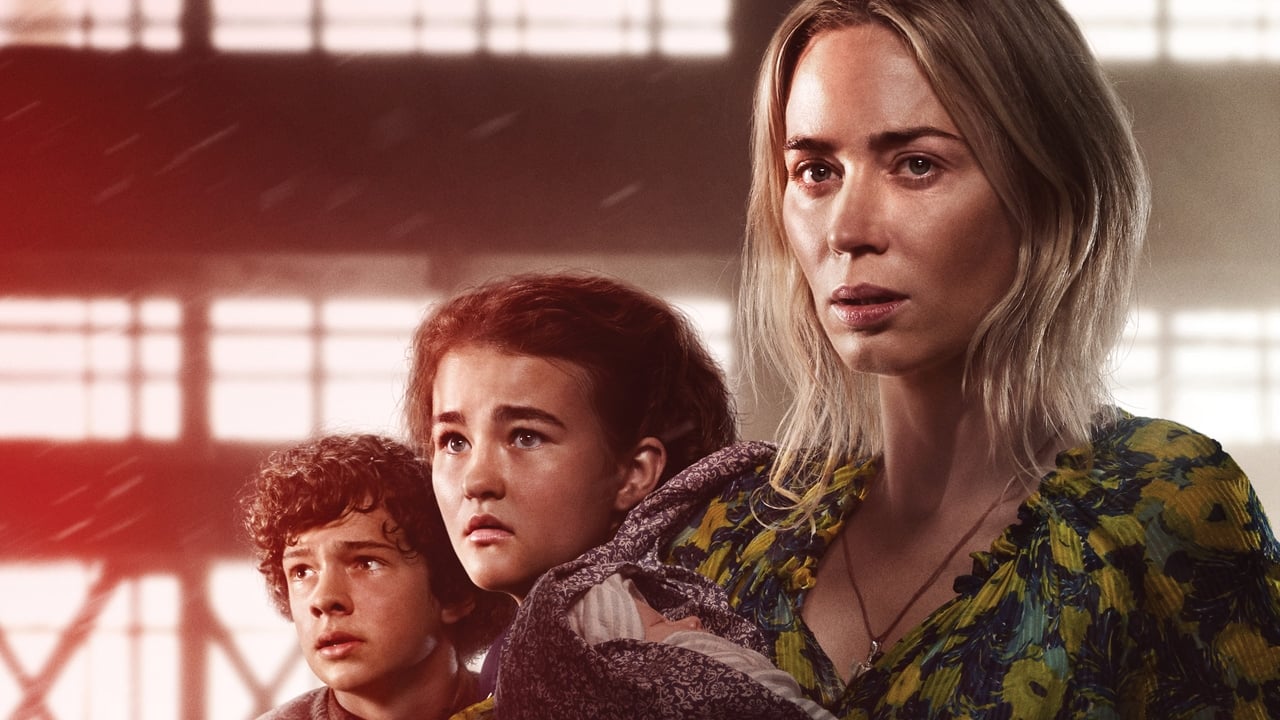
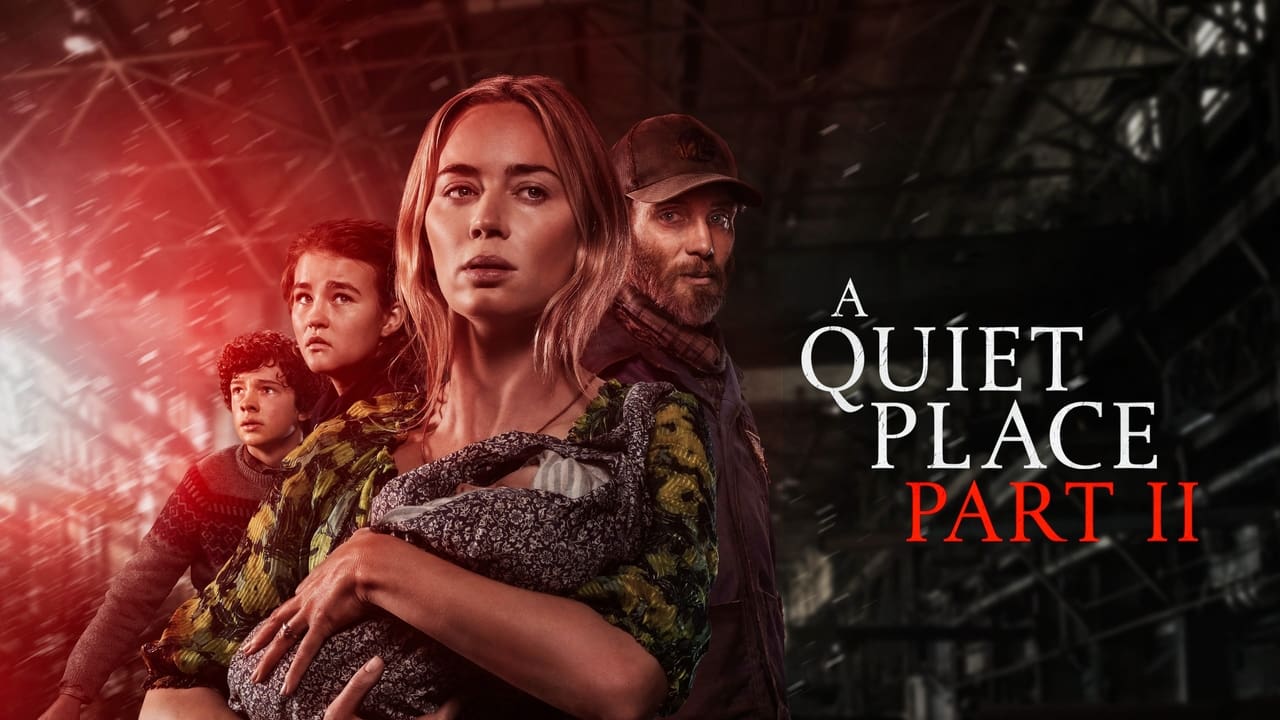
As we move back into the "present," the narrative weight shifts heavily onto the shoulders of the younger generation. While Emily Blunt remains the emotional anchor as Evelyn, she is frequently sidelined to let Millicent Simmonds and Noah Jupe (Marcus) carry the tension. Simmonds, in particular, is a revelation. She isn't playing a "final girl" trope; she’s playing a strategist. Her deafness, which was a survival disadvantage in the eyes of the old world, becomes the very weapon that can save the new one.
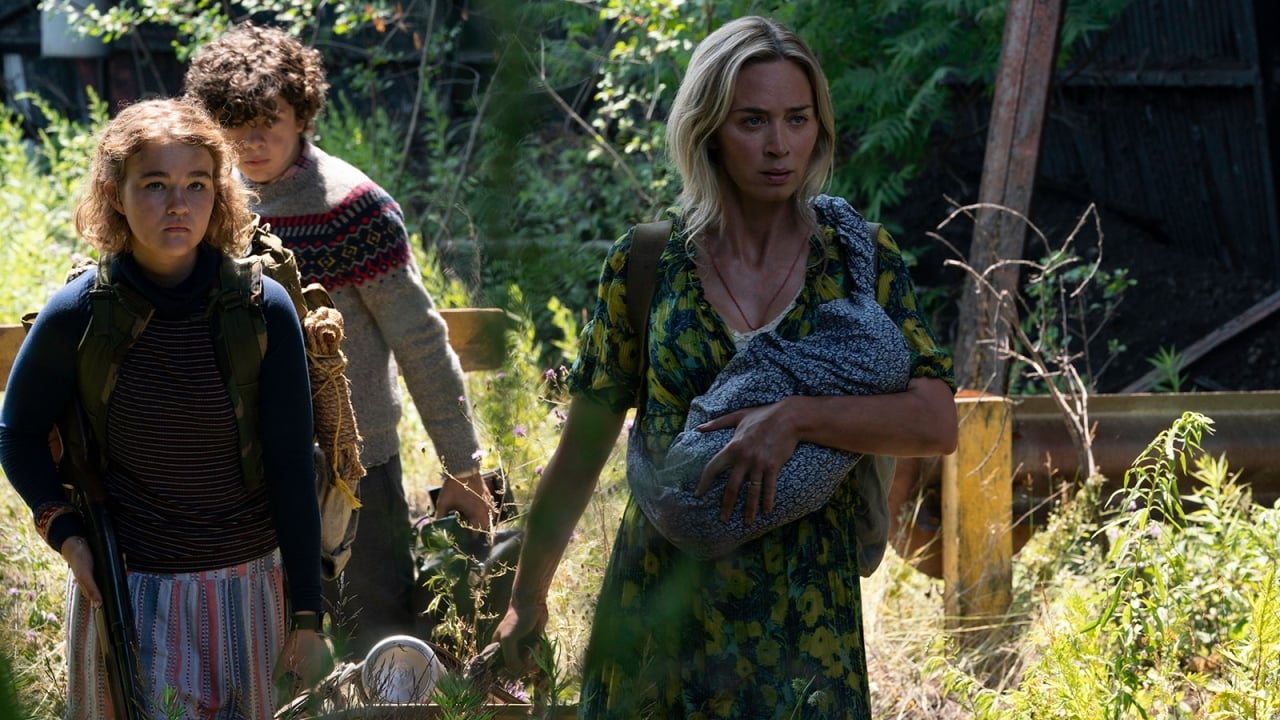
Then there’s Cillian Murphy. Entering the franchise as Emmett, a family friend who has been hollowed out by grief, he brings a shivering, 28 Days Later intensity to the screen. He represents the "outsider" the first film only hinted at. His interaction with the Abbotts highlights a recurring theme in contemporary horror: the idea that the monsters are a constant, but other people are a variable. Watching his cynical shell crack as he follows Regan into the unknown provides the film with its soul.
The Art of the Soundless Scare
From a technical standpoint, the collaboration between Krasinski and cinematographer Polly Morgan creates a visual language of isolation. They use long, sweeping shots of abandoned train tracks and crumbling steel mills to emphasize how small the characters are. But the real star is the sound design by Erik Aadahl and Ethan Van der Ryn. They treat silence not as an absence of noise, but as a physical presence.
The score by Marco Beltrami is also notable for what it doesn't do. It avoids the traditional "stinger" jump scares that plague modern horror. Instead, it uses low-frequency drones and discordant strings to mimic the feeling of a panic attack. When the film splits its narrative into three simultaneous tracks of peril in the final act, the cross-cutting—switching between a stifling oxygen tank, a burning dock, and a radio station—is enough to make you forget to breathe.
The Business of Silence
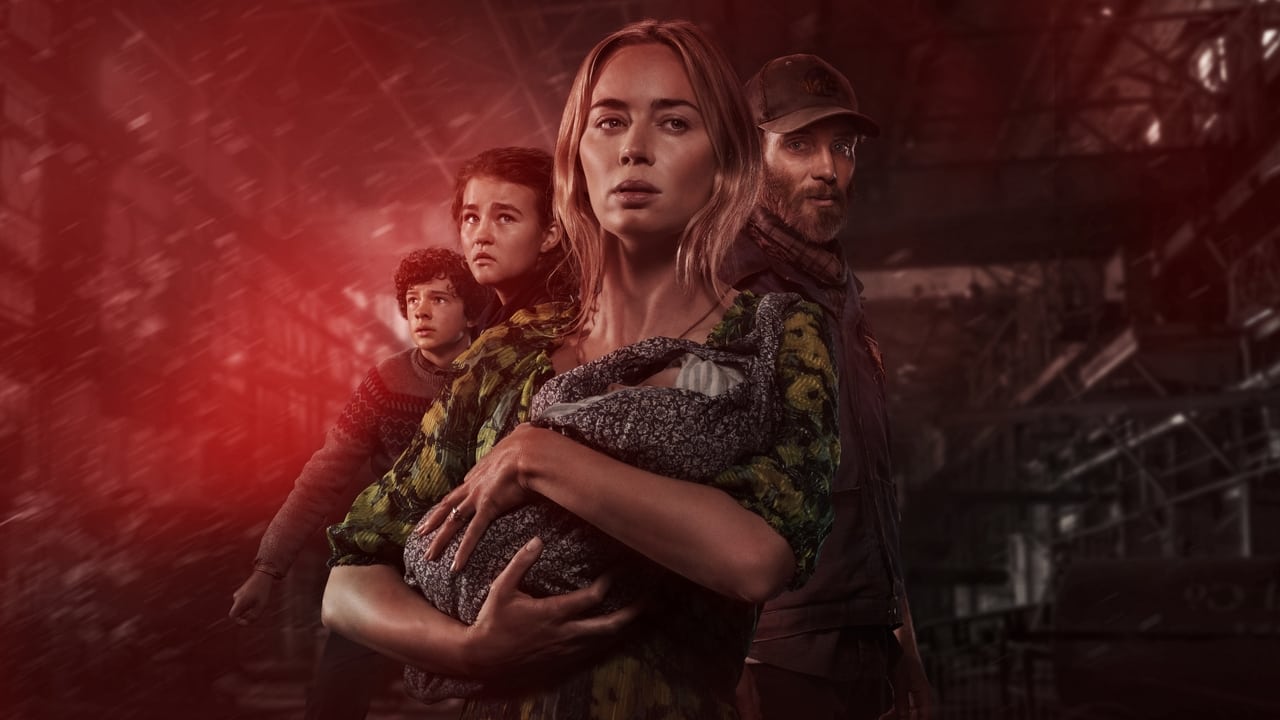
As a blockbuster, A Quiet Place Part II was a phenomenon that defied the "streaming-only" trend of the era. Paramount famously held the film for over a year, refusing to dump it on a digital platform because they knew the experience required the collective hush of a theater. It paid off. On a $55 million budget, it raked in nearly $300 million worldwide. This was a massive win for "concept" horror over "IP" horror, proving that audiences were hungry for something other than masked slashers or cinematic universes.
The production was famously rigorous. The train car sequence, where Noah Jupe’s character is trapped, was filmed in a real, sweltering abandoned factory where the actors had to deal with genuine physical discomfort. Additionally, Millicent Simmonds worked closely with the production to ensure the American Sign Language (ASL) was not just accurate, but reflected the "family dialect" the Abbotts would have naturally developed. This commitment to authenticity is what elevates the film from a mere monster flick to a substantive piece of contemporary cinema.
A Quiet Place Part II succeeds because it refuses to just repeat the hits of the first film. It’s an intense, breathless expansion that manages to make the world feel larger and more terrifying without losing the intimate focus on family. It deals with the heavy reality of moving on after trauma, framed through the lens of a relentless creature feature. By the time the credits rolled, I realized my tea was stone cold and I’d been gripping the armrest for ninety minutes. If that isn't the mark of great horror, I don't know what is.
Keep Exploring...
-
A Quiet Place
2018
-
The Invisible Man
2020
-
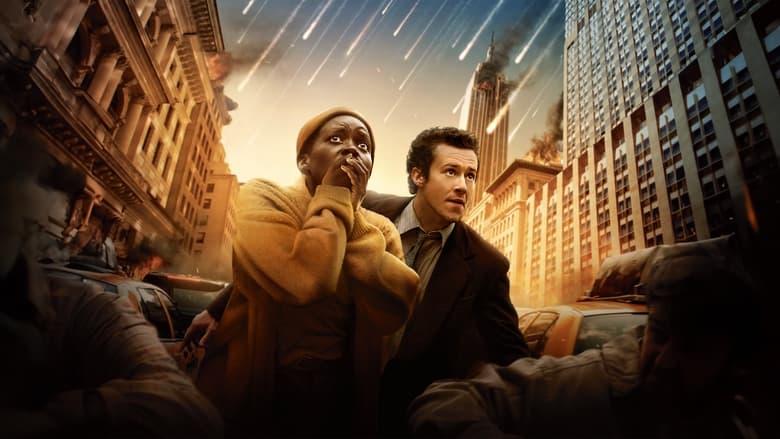
A Quiet Place: Day One
2024
-
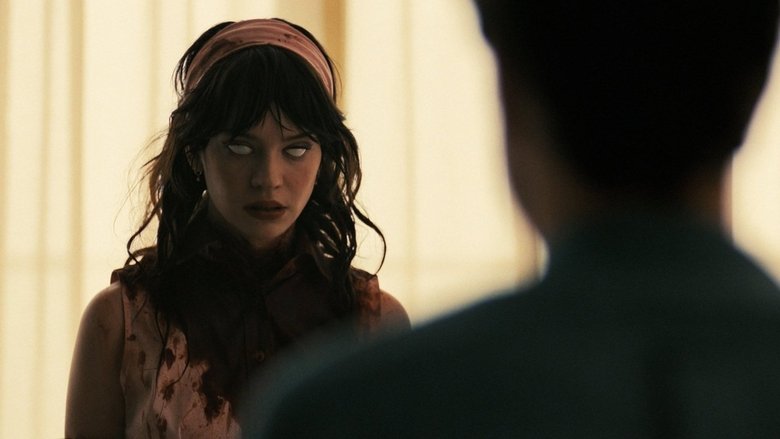
Companion
2025
-
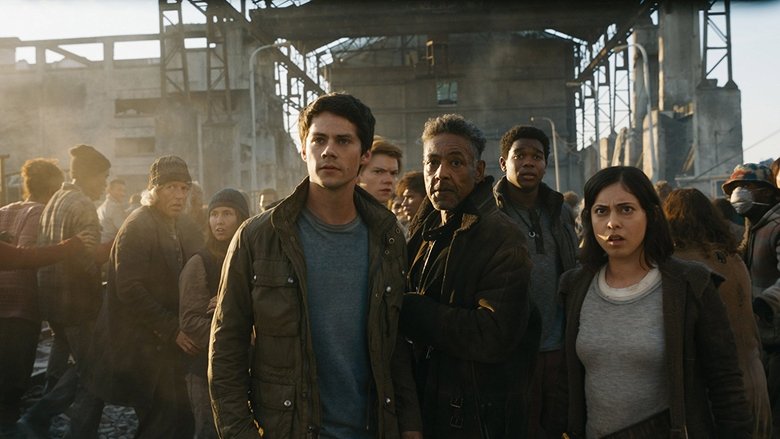
Maze Runner: The Death Cure
2018
-

Alien: Romulus
2024
-
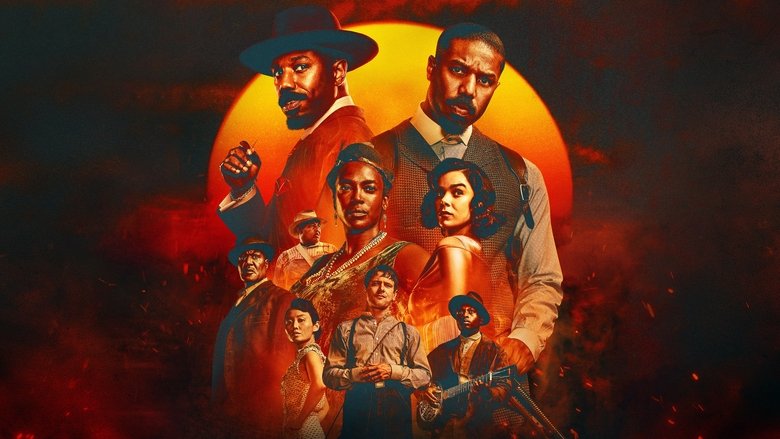
Sinners
2025
-
10 Cloverfield Lane
2016
-

The Substance
2024
-
Don't Breathe
2016
-
Get Out
2017
-
It
2017
-
Split
2017
-
The Conjuring: The Devil Made Me Do It
2021
-
M3GAN
2022
-
The Black Phone
2022
-
Five Nights at Freddy's
2023
-
Godzilla Minus One
2023
-
Speak No Evil
2024
-
Tenet
2020