Belfast
"The hardest choice is where you belong."
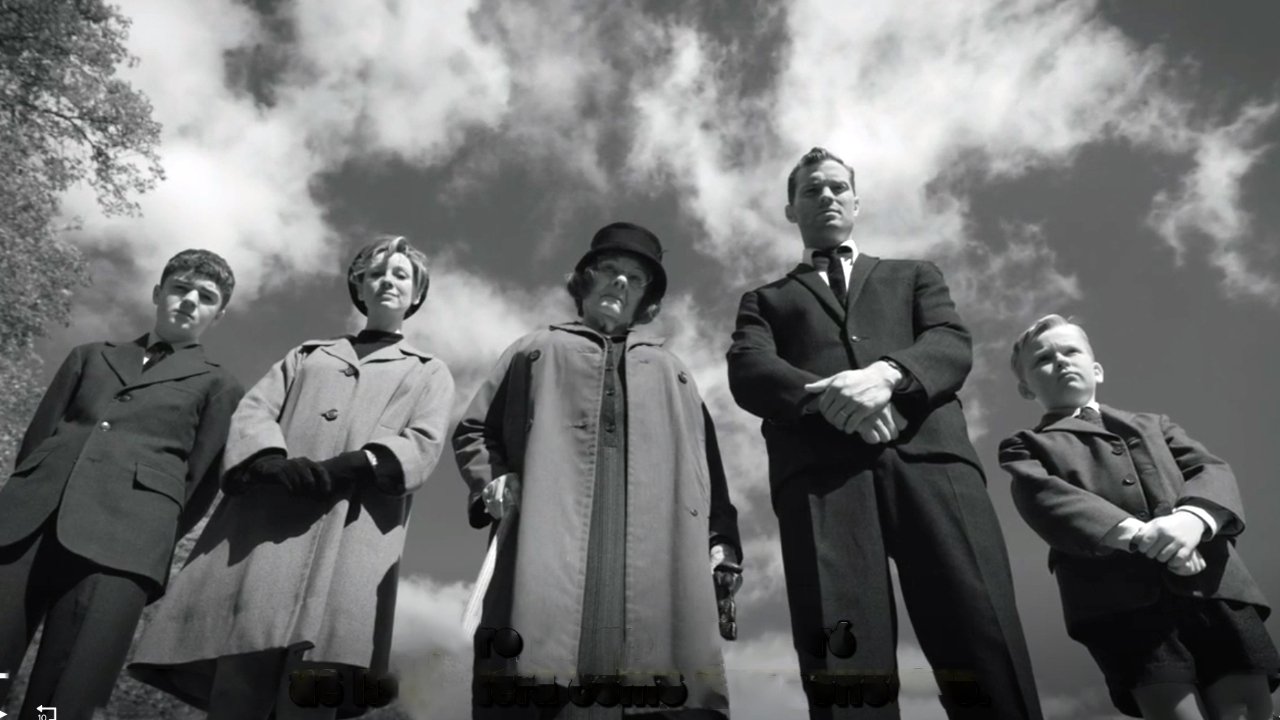
The movie starts with a bit of a cinematic bait-and-switch. We see modern-day Belfast in vibrant, drone-shot color—all glass buildings and peace walls—before the camera scales a fence and plunges us into the high-contrast, silvery black-and-white of 1969. It’s like The Wizard of Oz in reverse, and honestly, I was worried for a second that Kenneth Branagh (who directed Thor and Murder on the Orient Express) was going to give us something overly sanitized. I watched this on a Tuesday evening while nursing a lukewarm cup of peppermint tea that tasted faintly of cardboard, and that mundane domesticity actually turned out to be the perfect headspace for this film.
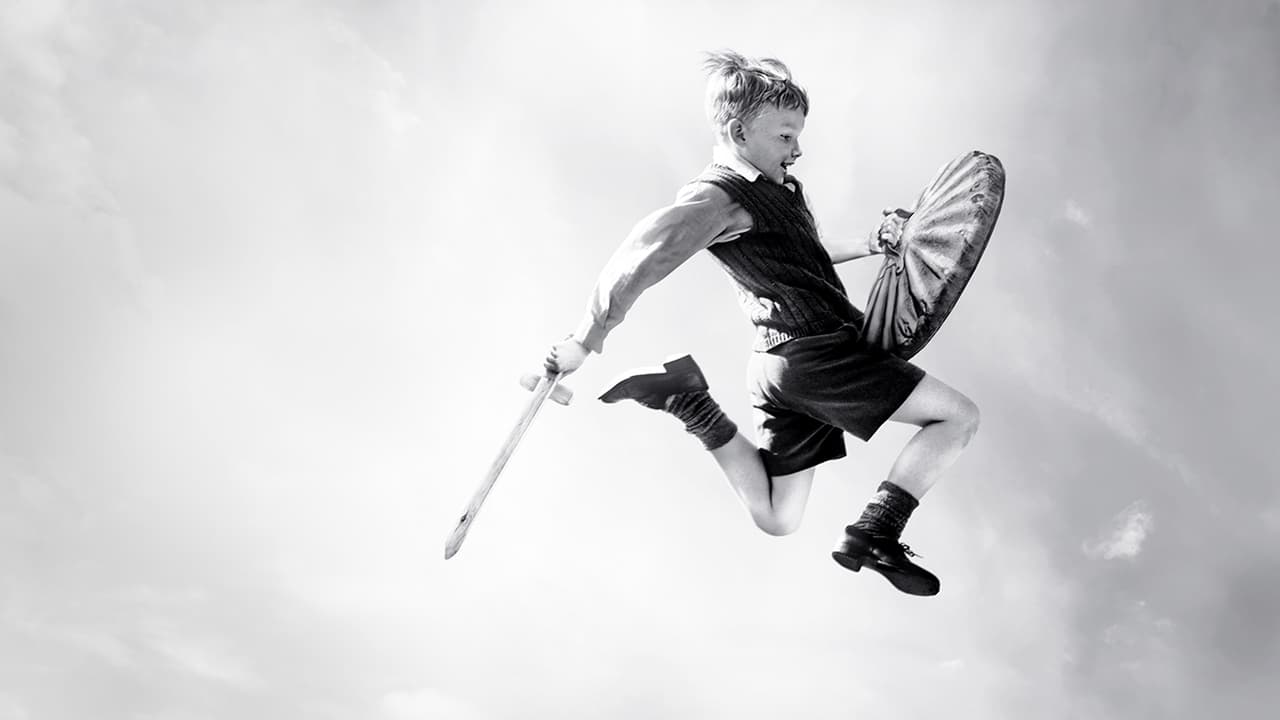
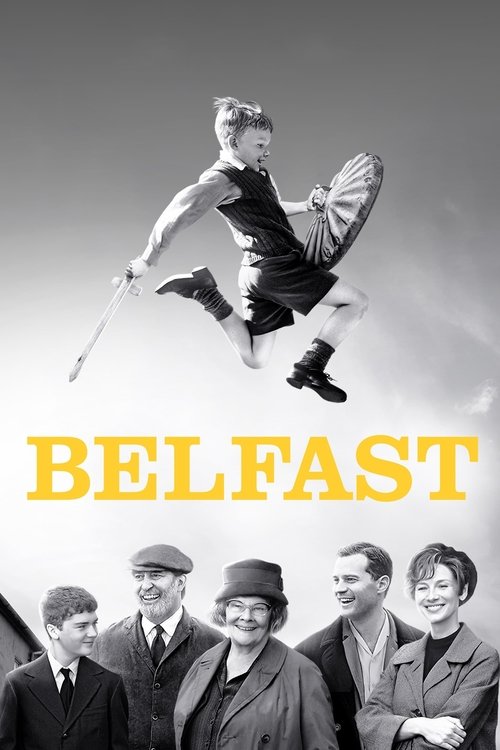
Belfast isn't a sprawling political epic about "The Troubles" with a capital T; it’s a kitchen-sink drama that just happens to have a riot happening at the end of the driveway. We see everything through the eyes of Buddy (Jude Hill), a ten-year-old whose primary concerns are a girl in his class who is better at math than him and whether he can nick a bar of chocolate from the local sweet shop without getting caught. It’s a perspective that makes the encroaching violence feel more like a confusing weather pattern than a geopolitical shift.
Movie Stars in a Terraced House
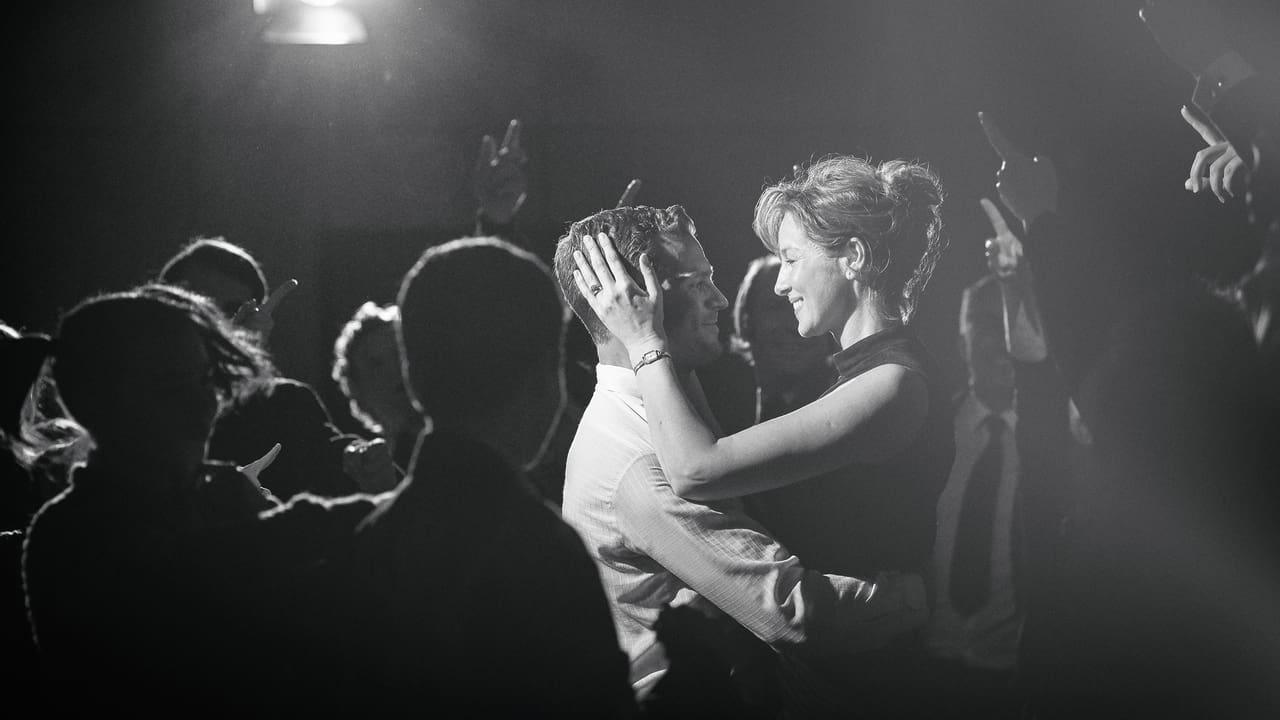
What struck me immediately was how distractingly attractive Buddy’s parents are. Jamie Dornan (Pa) and Caitríona Balfe (Ma) look less like working-class folks struggling with tax debt and more like they just stepped off a mid-century Vogue cover. Caitríona Balfe is particularly luminous here; she carries the emotional weight of the film, portraying a woman who is terrified of the world outside her street but even more terrified of leaving the only community she’s ever known. Jamie Dornan, stripped of his Fifty Shades baggage, proves he’s actually a very capable, soulful actor when he’s allowed to use his own accent and sing a bit of Love Affair’s "Everlasting Love."
Then you have the legends. Ciarán Hinds (Pop) and Judi Dench (Granny) provide the film’s heartbeat. Ciarán Hinds is magnificent as the grandfather who dispenses sage advice and questionable math tips, while Judi Dench does more with a subtle glance through a windowpane than most actors do with a ten-minute monologue. Their chemistry feels lived-in and ancient. When they’re on screen, the film moves away from being a "Branagh project" and starts feeling like a genuine memory.
The Sparkle of the Silver Screen

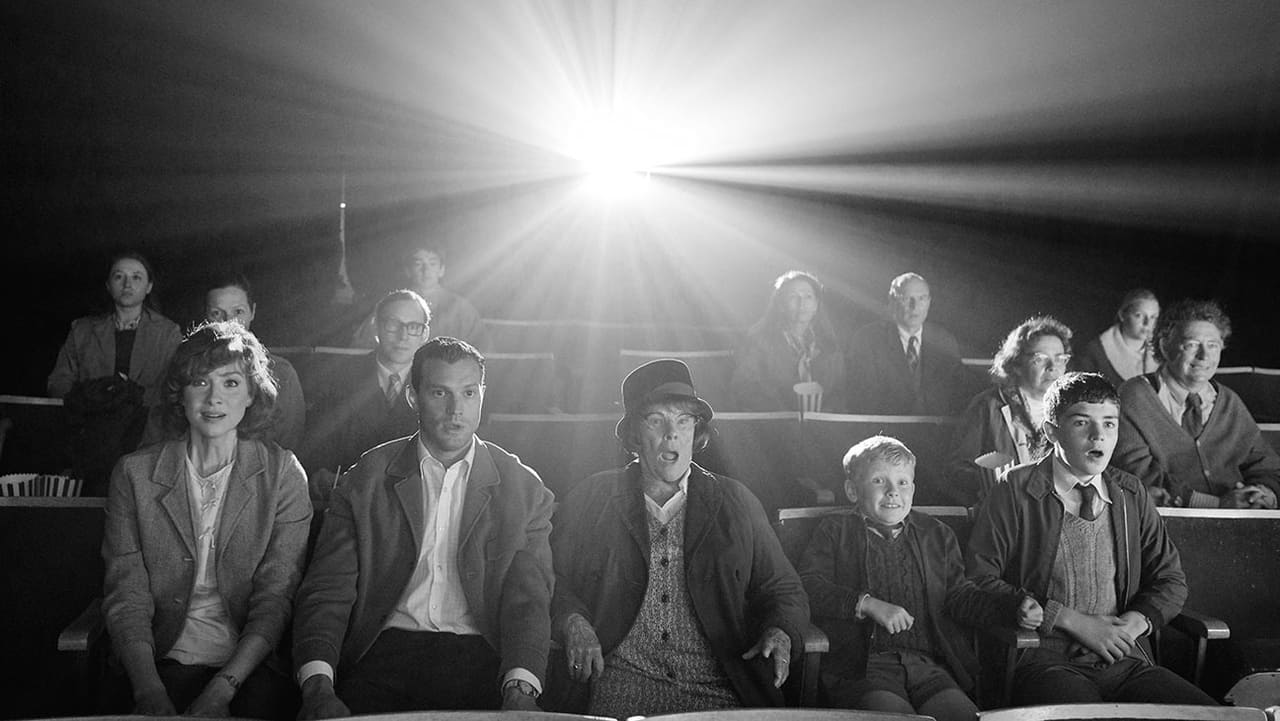
There is a recurring motif where Buddy’s family goes to the cinema to see movies like Chitty Chitty Bang Bang or One Million Years B.C. In these moments, the screen-within-a-screen is shown in full, glorious color. It’s a bit on the nose—the "movies are magic" trope is the ultimate catnip for Oscar voters—but it works because it highlights the drabness of Buddy’s reality.
Kenneth Branagh and his cinematographer, Haris Zambarloukos, use a lot of low-angle shots and wide lenses, making the small terraced street feel like a fortress or a stage. Sometimes it feels a bit too composed. There were moments where I felt the cinematography was so pristine it started to feel like a high-end perfume commercial for "Eau de Conflict." However, the staging of the initial riot, where a car explosion serves as the literal "bang" that ends Buddy’s childhood, is masterfully handled. It’s chaotic, scary, and localized.
Interestingly, this film was a product of the pandemic. Kenneth Branagh wrote it during the first UK lockdown, and you can feel that sense of confinement. The entire street was actually a set built on an airfield at Farnborough because they couldn't film on location due to COVID restrictions. Knowing that makes the film’s obsession with "home" feel even more relevant to our current cultural moment. We’ve all spent the last few years re-evaluating our relationship with the four walls around us.
A Soundtrack of Van Morrison and Vigilance
If you aren’t a fan of Van Morrison, you might find the soundtrack a bit punishing. The movie is practically a greatest-hits compilation for the "Belfast Cowboy." Personally, I think his raspy, soulful wailing fits the aesthetic, but using that many Van Morrison tracks is the musical equivalent of putting too much salt on a steak. It’s flavorful, but it eventually overwhelms the meat.
The film's ultimate strength lies in its refusal to take a side in the sectarian conflict. It’s not about the "why" of the bombs; it’s about the "what now" for the families caught in the middle. In an era where everything is polarized and every film feels the need to be a definitive statement on a social issue, there’s something refreshing about a movie that just wants to talk about how hard it is to say goodbye to your granny.
It’s a crowd-pleaser that manages to avoid being entirely saccharine. It deals with the reality of the diaspora—the millions of people who had to leave Ireland to find work or safety—without becoming a history lecture. It’s a film about the transition from the collective "we" of a neighborhood to the isolated "I" of a refugee.
Belfast is a beautifully shot, expertly acted piece of "memoir cinema" that manages to be deeply personal while hitting all the familiar beats of a coming-of-age story. While it occasionally flirts with being over-stylized, the genuine warmth of the performances—especially from Jude Hill and Caitríona Balfe—keeps it grounded. It’s the kind of movie that makes you want to call your parents, assuming they don't live in a riot zone. It’s a sharp, 98-minute reminder that while you can leave a place, the version of it that existed when you were ten years old stays exactly where you left it.
Keep Exploring...
-
Murder on the Orient Express
2017
-
Risen
2016
-
Battle of the Sexes
2017
-

Detroit
2017
-
The Zookeeper's Wife
2017
-
Victoria & Abdul
2017
-
Mary Queen of Scots
2018
-
On the Basis of Sex
2018
-
Operation Finale
2018
-
The Current War
2018
-
A Beautiful Day in the Neighborhood
2019
-
Harriet
2019
-
Hotel Mumbai
2019
-
Mank
2020
-
The Outpost
2020
-
Judas and the Black Messiah
2021
-
The Iron Claw
2023
-

The Apprentice
2024
-
The Brutalist
2024
-
Race
2016