Black Box
"Silence is the loudest evidence."
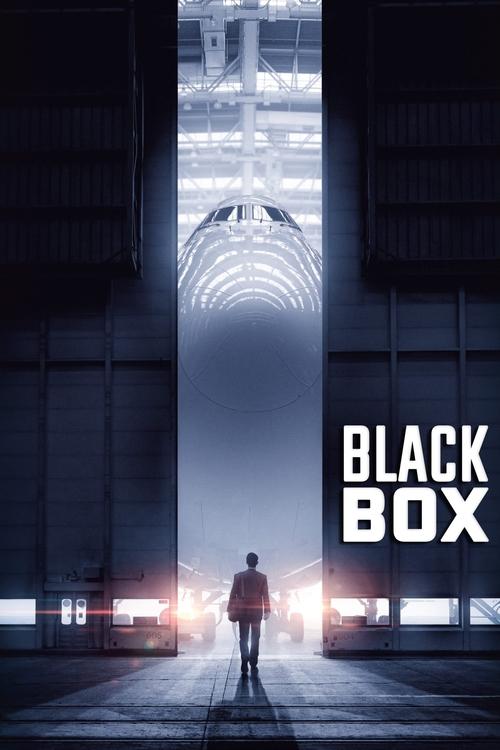
There is a specific, bone-chilling frequency that exists only in the seconds before a disaster. It’s not a scream, and it’s not the roar of an engine; it’s the sound of systems failing in unison, a mechanical realization of mortality. This is the world inhabited by Mathieu Vasseur, a man who doesn’t just listen to sounds—he dissects them until they bleed.

While most of us spent 2021 navigating the tail-end of a global lockdown, French director Yann Gozlan quietly released Black Box (Boîte Noire), a clinical, high-tension thriller that feels like a spiritual successor to the paranoid cinema of the 1970s. In an era where our theaters are choked with multiversal noise and digital spectacle, this film is a refreshing, albeit terrifying, reminder that the most gripping special effect is often just a man in a dark room wearing a pair of very expensive headphones.
The Architecture of a Scream
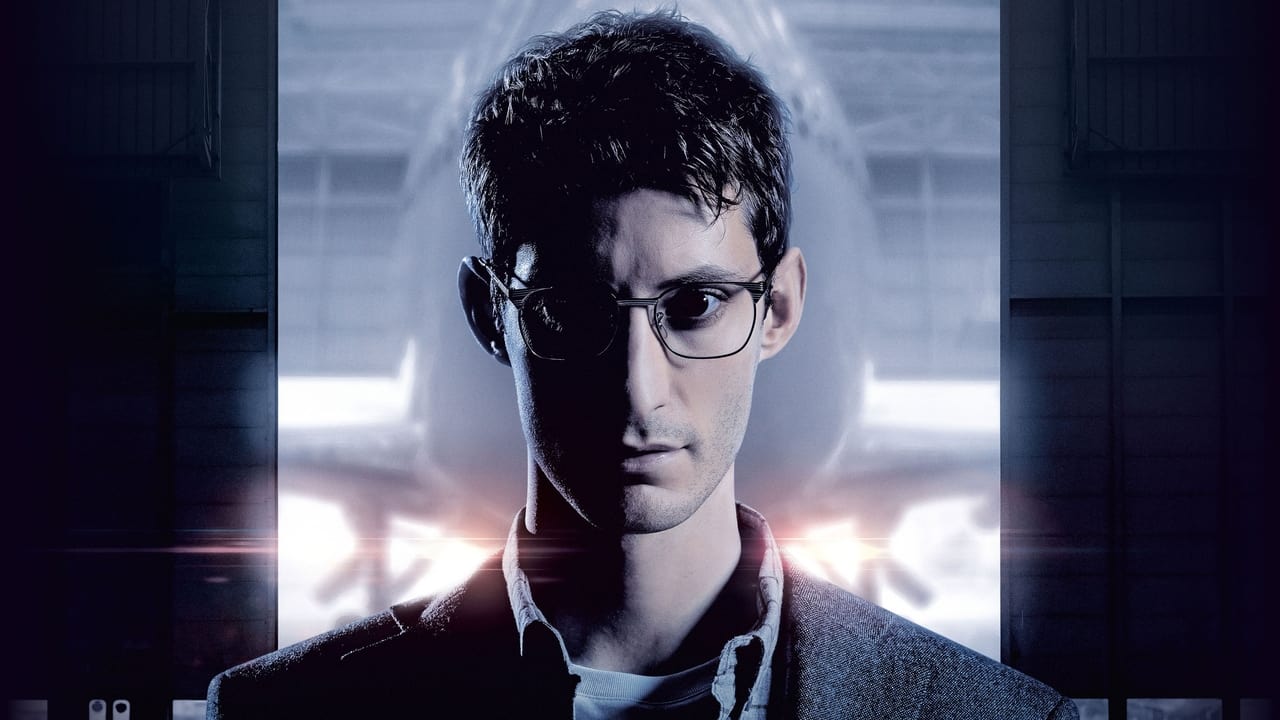
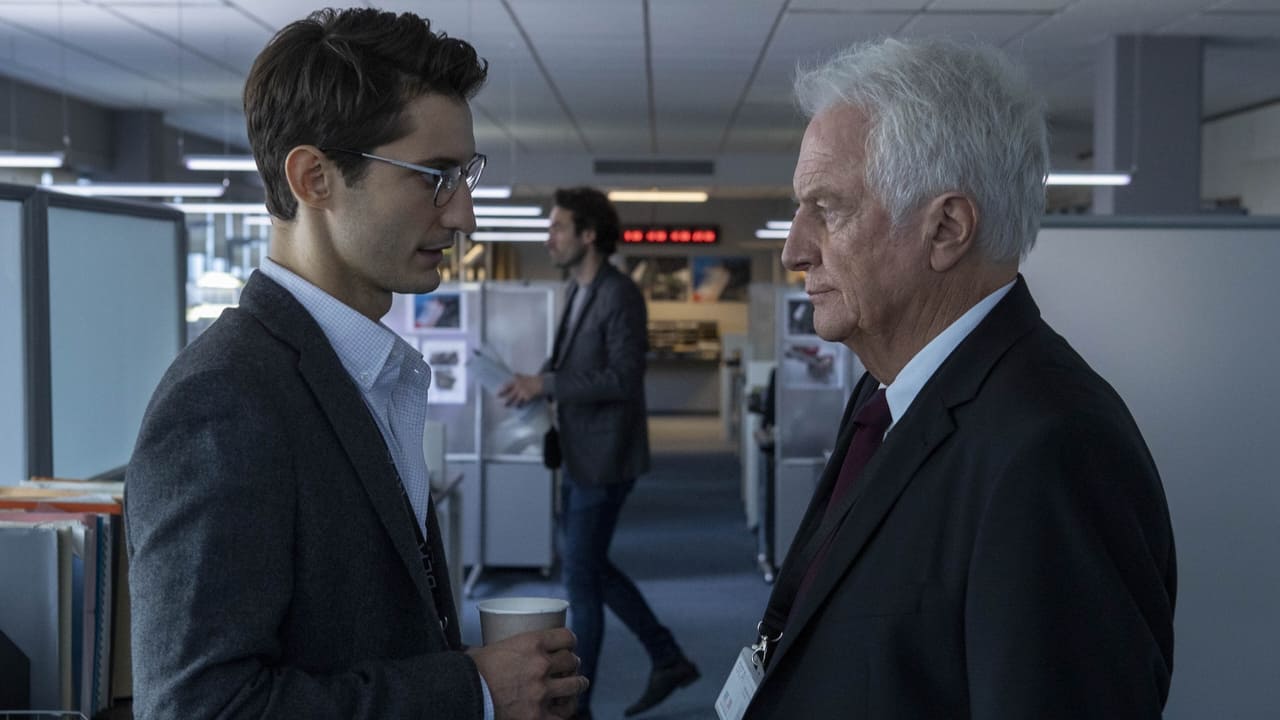
The plot kicks off with the crash of a brand-new Atrian 800, a state-of-the-art airliner that plunges into the Alps, killing 300 people. Enter Pierre Niney as Mathieu, an analyst for the BEA (the French version of the NTSB). Mathieu is gifted with "golden ears," an auditory sensitivity that borders on a disability. He is socially awkward, obsessive, and carries a temperament that makes him a nightmare for his superiors, particularly André Dussollier’s Philippe Rénier.
Pierre Niney—whom you might recognize from Yves Saint Laurent (2014) or Frantz (2016)—delivers a performance that is agonizingly precise. He plays Mathieu like a live wire, someone who is constantly vibrating at a different frequency than the rest of the world. Watching him work is fascinating; he scrubs through audio files, isolating the hum of a cockpit door or the click of a switch, convinced that the "official" version of the crash (Islamic terrorism) is a convenient lie covering up a deeper, more systemic rot.
I watched this film on a Tuesday evening while my neighbor was aggressively power-washing their driveway, and the constant, rhythmic drone of the water outside actually synchronized with the film’s sound design in a way that made me feel like I was losing my mind alongside Mathieu. It’s that kind of movie; it bleeds into your environment.
The Burden of the Golden Ear
What makes Black Box so relevant in our current moment is its deep-seated anxiety regarding automation and the "black box" of proprietary technology. We live in a world of Boeing 737 MAX headlines and "self-driving" cars where the software is a guarded secret. Mathieu’s quest isn't just about a crash; it’s about the terrifying realization that we have handed our lives over to algorithms that we are no longer allowed to inspect.
Gozlan’s direction is surgical. He avoids the shaky-cam tropes of modern thrillers, opting instead for a cold, wide-angle aesthetic that emphasizes the loneliness of the protagonist. The production design is all glass, steel, and shadows—a corporate labyrinth where the truth is buried under NDAs and "user errors." Lou de Laâge, playing Mathieu’s wife Noémie, provides the necessary emotional friction. Her character works in aircraft certification, creating a fascinating conflict of interest: he is the one who finds the flaws, and she is the one whose job depends on the planes being flawless.
It is worth noting that Pierre Niney actually spent weeks shadowing real BEA analysts to learn the technical movements of the job. It shows. There’s no "hacking" montage here; there’s just the grueling, frame-by-frame analysis of sound waves. It’s a film that makes a guy staring at an Excel spreadsheet feel like a ticking time bomb, and that is no small feat of editing.
A Modern Relic of Paranoia
So, why haven't you heard of it? Black Box suffered from the classic "festival-to-obscurity" pipeline that plagues many non-English language gems in the streaming age. Despite being a massive box office hit in France and receiving multiple César nominations, it vanished into the digital ether of international distribution. In a market dominated by franchise fatigue, a 130-minute French thriller about aviation acoustics is a hard sell for an algorithm, even if it’s more thrilling than the last five Marvel outings combined.
The film also avoids the "instant classic" trap by refusing to offer easy catharsis. It’s a dark, intense look at how easily the truth can be modulated and filtered until it fits a pre-approved narrative. The score by Philippe Rombi is minimalist and oppressive, echoing the heartbeat of a man who knows he’s being followed but can’t stop listening.
If you can find this—and it’s worth the hunt through the "International" sections of your streaming apps—watch it with the lights off and the volume up. Just be prepared to look at the flight deck a little differently the next time you board a plane.
Black Box is a masterclass in sustained tension that respects the viewer's intelligence. It’s a somber, meticulously crafted piece of contemporary noir that proves you don't need a massive budget or CGI monsters to create a sense of overwhelming dread. Pierre Niney cements his status as one of the finest actors of his generation, turning a technical investigation into a visceral descent into madness. It’s a haunting reminder that in the modern world, the truth isn't just out there—it's buried under layers of white noise.

Keep Exploring...
-

Burning
2018
-

The Professor and the Madman
2019
-
The Outfit
2022
-
Missing
2023
-
Mirage
2018
-
An Officer and a Spy
2019
-
November
2022
-
Thelma
2017
-
Sherlock: The Abominable Bride
2016
-

The Invisible Guest
2017
-
The Killing of a Sacred Deer
2017
-
Searching
2018
-

Brimstone
2016
-

Miss Sloane
2016
-

Detroit
2017
-
Marrowbone
2017
-
22 July
2018
-
Hotel Mumbai
2019
-
Tell No One
2006
-
Greta
2019