Black Widow
"Family is a battlefield."

Watching Black Widow in 2021 felt like receiving a heartfelt postcard from a friend who had already moved out of the country. By the time this solo outing finally hit screens—shuffled and delayed by a global pandemic—Natasha Romanoff had already made the ultimate sacrifice in Avengers: Endgame. We were mourning a character whose "origin" story was being told in the past tense. I watched this for the first time on a humid Tuesday night while struggling to eat a bowl of cereal without clinking the spoon against my chipped front tooth, and that weird sense of "too little, too late" hung over the opening credits.
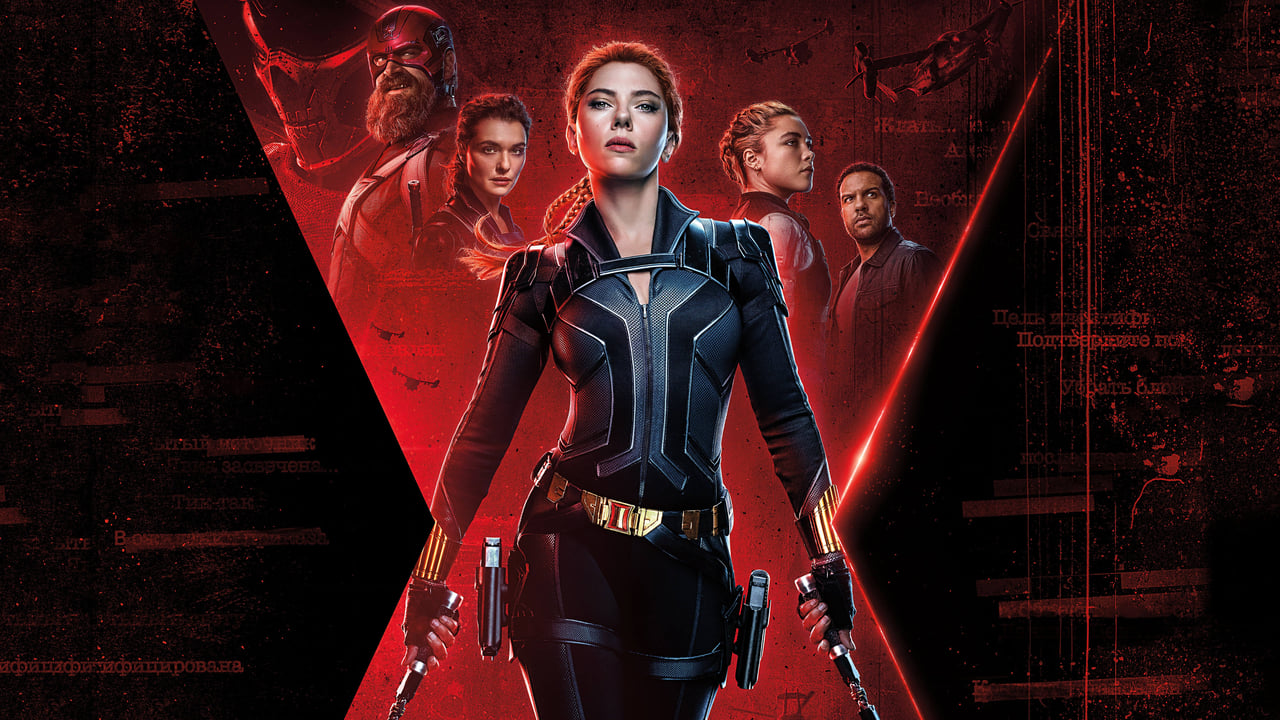
Yet, despite the awkward timing and the fractured release strategy that saw Scarlett Johansson (star of Lost in Translation) eventually sue Disney over streaming residuals, the movie manages to be something the MCU rarely is: a gritty, dysfunctional family drama wrapped in a Kevlar vest.
The Family Business
The film’s greatest strength isn't the globe-trotting espionage, but the kitchen-table chemistry. We meet Natasha’s "family"—an undercover Russian sleeper cell that posed as an American nuclear brood in the 90s. Florence Pugh (breakout star of Midsommar) plays Yelena Belova, Natasha’s "sister," and she effectively steals the entire movie with a performance that is equal parts lethal and hilariously cynical. Her constant mocking of Natasha’s "superhero landing" pose is the kind of meta-commentary the franchise desperately needed.
Then there’s David Harbour (the heart of Stranger Things) as Alexei, the Red Guardian. He’s a washed-up super-soldier clinging to past glories, stuffed into a suit that’s two sizes too small. Along with Rachel Weisz (The Mummy) as the pragmatic Melina, they form a unit that feels genuinely lived-in. When they argue over the dinner table about brainwashing and biological warfare, it feels more authentic than any CGI battle. Ray Winstone’s Dreykov has the menacing energy of a grumpy landlord disputing a security deposit, but he serves his purpose as the physical manifestation of the "Red Room" trauma Natasha has been running from for a decade.
Gritty Streets and Floating Fortresses
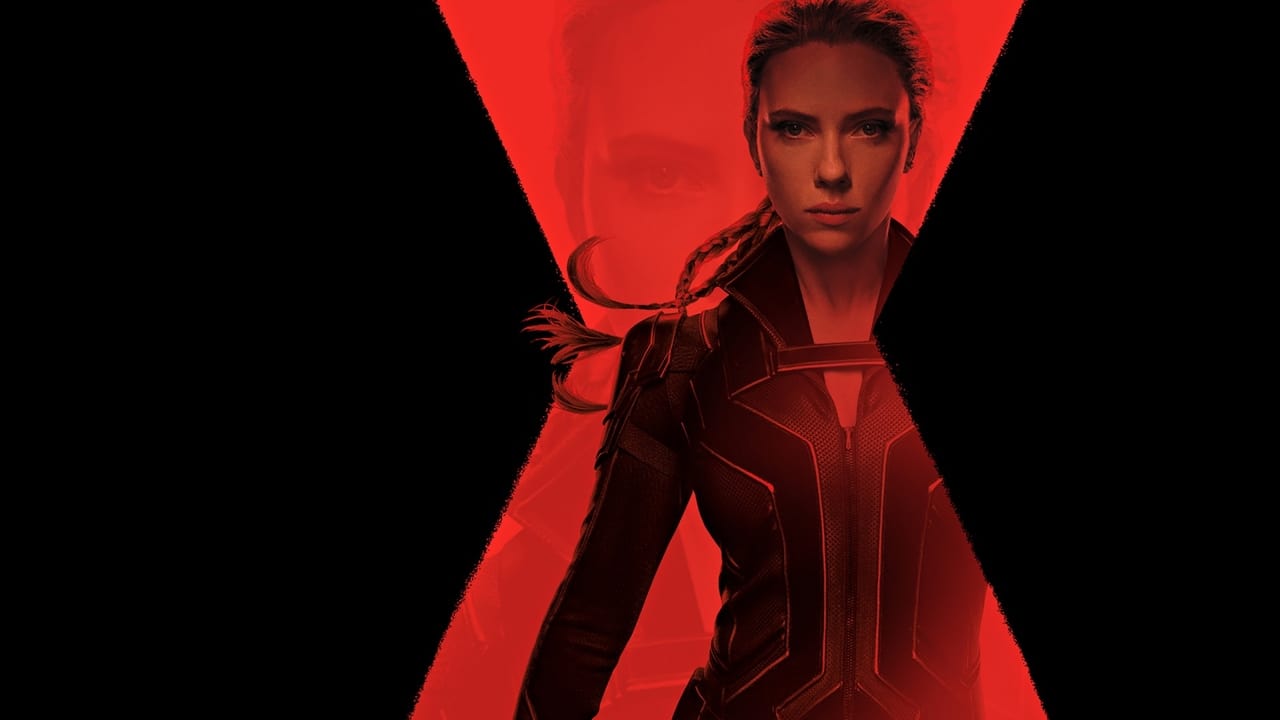
Director Cate Shortland, known for the intimate Lore, brings a tactile, bone-crunching weight to the first two acts. The fight between Natasha and Yelena in a cramped Budapest apartment is a highlight—it’s messy, desperate, and uses the environment in a way that reminds me of the Bourne films. You actually feel the impact of bodies hitting cabinets.
However, the "Contemporary Cinema" curse eventually catches up. As with many modern blockbusters, the third act dissolves into a chaotic mess of pixels. The CGI skydiving climax looks like it was rendered on a Nintendo 64 during a power outage, losing all the grounded tension the film worked so hard to build. It’s a frustrating pivot from a character-driven spy thriller to a generic "sky is falling" spectacle.
Stuff You Didn't Notice
The production of Black Widow was as dramatic as the film itself. Apparently, Scarlett Johansson personally lobbied for Cate Shortland to direct after seeing her work in smaller indie films, proving that even in a massive franchise, individual creative voices can still find a way in.

Pockets!: The multi-pocketed vest that Yelena wears wasn't just a costume choice; Florence Pugh actually became obsessed with the practicality of it, leading to the improvised dialogue about how many things she can fit in there. A Family Affair: The young Natasha seen in the 1995 prologue is played by Ever Anderson, the daughter of Milla Jovovich and director Paul W.S. Anderson. She captures Scarlett’s mannerisms with eerie precision. The Lawsuit: This film became a landmark for the "Streaming Era" when Johansson sued Disney for breach of contract, arguing that the day-and-date release on Disney+ cannibalized her box office bonuses. It settled for a reported $40 million, changing how stars negotiate in the post-pandemic world. Budapest: Fans waited eleven years to find out what happened in Budapest (first mentioned in 2012’s The Avengers). Turns out, it involved a lot of C4 and a very dark "ledger." * The Stunts: Florence Pugh performed a significant portion of her own stunts, including the harrowing chimney drop, surprising the stunt team with her physical commitment.
Ultimately, Black Widow is a bittersweet farewell. It’s a film that struggles to balance its desire to be a serious exploration of female trauma and human trafficking with the mandate to sell action figures and set up future sequels. It doesn't quite reach the heights of Captain America: The Winter Soldier, but it gives Natasha Romanoff the interiority she was denied for a decade.
It’s a movie about the families we’re given and the ones we choose, even if the chosen ones occasionally try to kick us through a window. If you can ignore the gravity-defying nonsense of the finale, you’re left with a sharp, surprisingly funny character study. It's a solid Saturday night watch, even if you aren't trying to protect your chipped teeth from a cereal spoon.
Keep Exploring...
-

Thunderbolts*
2025
-
Godzilla vs. Kong
2021
-

The Fantastic 4: First Steps
2025
-

Jurassic World Rebirth
2025
-

Star Trek Beyond
2016
-
Power Rangers
2017
-

Thor: Ragnarok
2017
-

Solo: A Star Wars Story
2018
-

Alita: Battle Angel
2019
-
Gemini Man
2019
-
Star Wars: The Rise of Skywalker
2019
-
Terminator: Dark Fate
2019
-
Underwater
2020
-
Eternals
2021
-
The Matrix Resurrections
2021
-
The Tomorrow War
2021
-
Black Adam
2022
-
Jurassic World Dominion
2022
-
Moonfall
2022
-
Ant-Man and the Wasp: Quantumania
2023