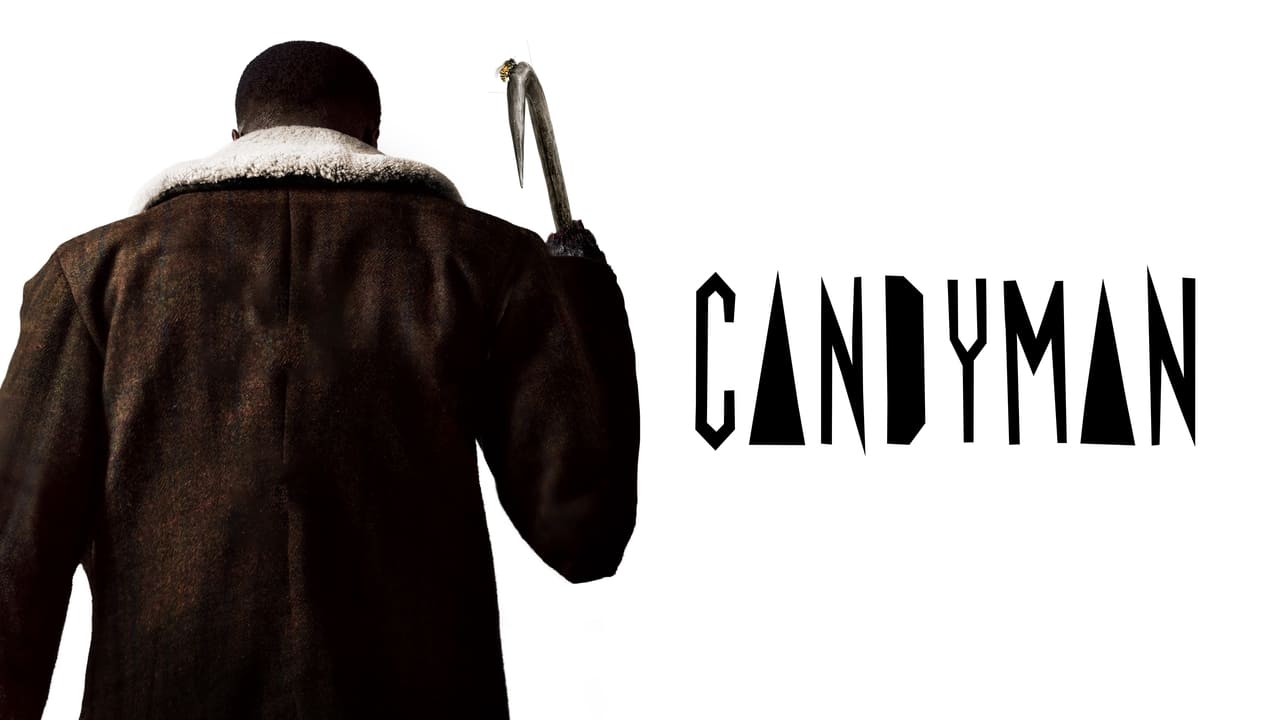
Candyman
"His story is our story. Tell everyone."
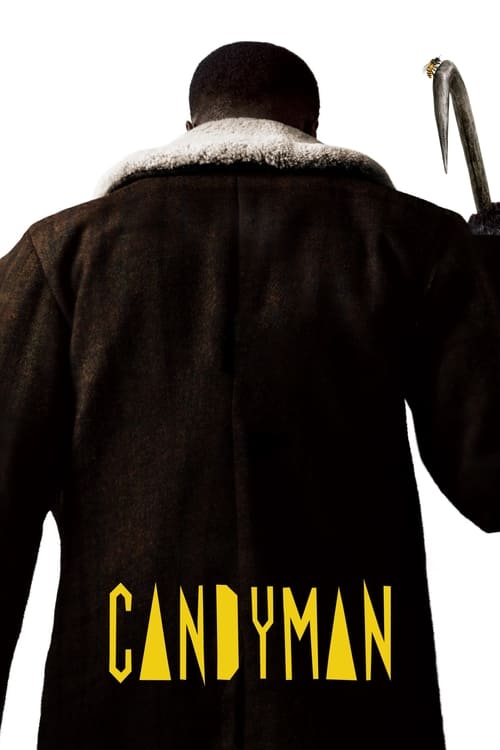
If you grew up anywhere near a school bathroom or a sleepover, you know the rules of the mirror. You stand in the dark, you say the name five times, and you pray your friends are the ones who blink first. But when Nia DaCosta revived the legend of Candyman in 2021, she wasn’t just looking for a way to make us jump at our own reflections. She was looking at what happens when the mirror is hanging in a luxury condo built right on top of a graveyard of Black trauma.
I watched this while trying to assemble a very frustrating IKEA bookshelf, and honestly, the physical pain of a hex key matched the body horror on screen perfectly. It’s a film that demands your attention because it refuses to be just one thing. It’s a "legacy sequel" that actually has something new to say, which, in an era of endless IP-recycling, feels like a minor miracle.
The Art of the Urban Legend
The story follows Anthony McCoy, played with a simmering, frantic energy by Yahya Abdul-Mateen II. He’s an artist living in a sleek, modern Chicago apartment with his partner, Brianna (Teyonah Parris), a high-end art curator. They are living the dream, but that dream is situated in the gentrified ruins of Cabrini-Green—the real-world housing project that served as the haunting grounds for the original 1992 film.
What I found so smart about this script, co-written by Jordan Peele and Nia DaCosta, is how it treats the original movie not as a distant memory, but as a misunderstood prologue. Anthony starts digging into the history of the "hook-handed man" for his art, but the deeper he goes, the more the film shifts from a standard slasher into a disturbing metamorphosis. As a bee sting on Anthony's hand begins to rot and spread, the body horror gets crunchy. It’s not just about blood; it’s about a man literally losing his skin to a legend.
Using a ghost story to explain why your rent is too high is a bold move, but the film pulls it off. It suggests that the "Candyman" isn’t just one guy who had a bad time in the 1800s; he’s a vessel for the recurring cycles of violence against Black bodies. It’s a heavy theme for a movie featuring a guy who kills people in elevators, but DaCosta balances the social weight with some of the most striking visuals I’ve seen in modern horror.
Reflections and Shadow Puppets

Visually, this film is a knockout. Nia DaCosta and cinematographer John Guleserian use Chicago’s architecture to create a sense of cold, clinical dread. There are these wide, inverted shots of the city skyline that make the skyscrapers look like teeth. But the real masterstroke is the use of shadow puppets.
Instead of traditional flashbacks with de-aged actors or grainy footage, the film tells the history of various "Candymen" through intricate, haunting paper-cutout animations by the design firm Manual Cinema. It gives the film a folkloric, storybook quality that felt far more unsettling than any CGI recreation could have managed. It reminded me that the most effective horror often happens in the silhouettes we create in our own minds.
Colman Domingo shows up as William Burke, a local who remembers the old days of Cabrini-Green, and he is, as always, the best thing on screen. He brings a grounded, weary gravitas to a role that could have been a simple "info-dump" character. Between him and a brief, haunting return by Vanessa Williams (reprising her role as Anne-Marie McCoy from the original), the film feels deeply rooted in the history of the franchise without feeling like it's pandering to nostalgia.
A Hive of Contemporary Concerns
Being a product of the early 2020s, Candyman is deeply entwined with the "elevated horror" movement—a term I usually find a bit pretentious, but it fits here. It was released during that strange post-pandemic theatrical window where we weren't sure if people would actually go back to cinemas. Seeing it on a big screen made the sound design—a mix of buzzing bees and Robert Aiki Aubrey Lowe’s oppressive, droning score—feel like it was vibrating in my teeth.
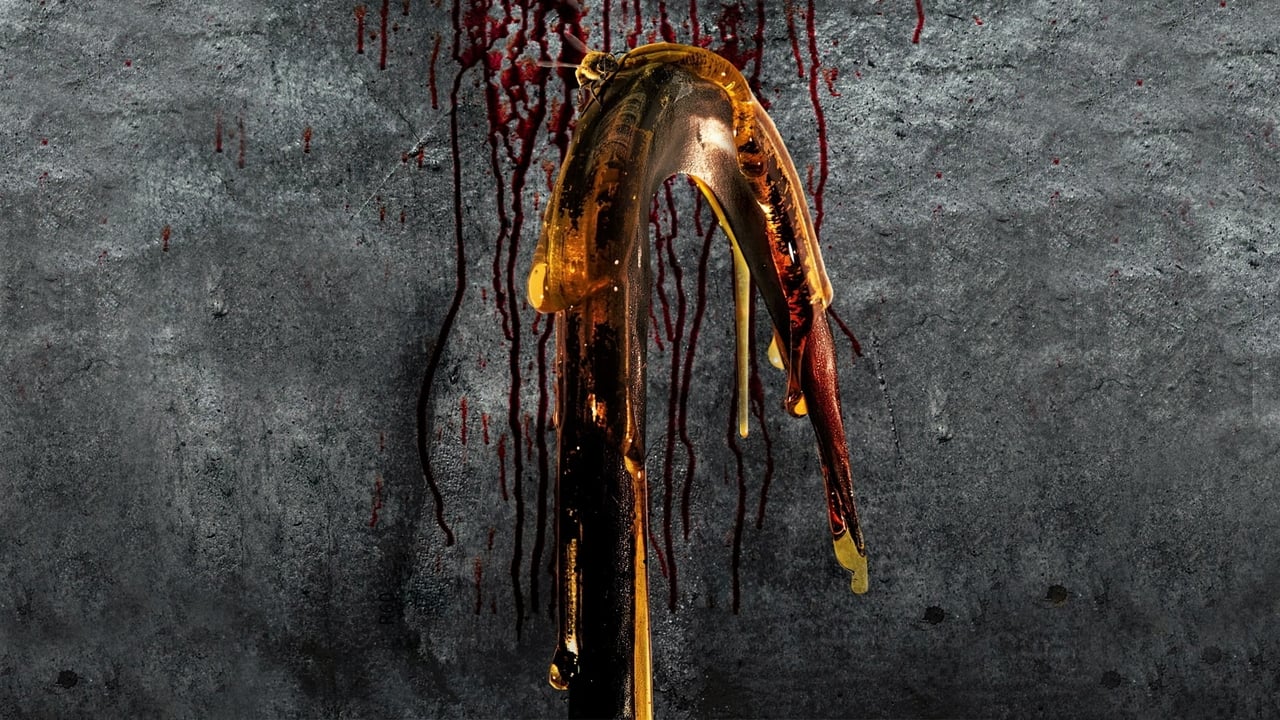
The film does stumble a bit in its final act. The transition from a psychological character study into a full-blown supernatural reckoning feels a little rushed, and some of the logic regarding how the "Candyman" functions in the digital age is a bit hand-wavy. I also think the movie's desire to be a definitive statement on police brutality occasionally clashes with its need to be a fun Friday night popcorn flick. The real horror isn't the hook; it's the artisanal coffee shops, but sometimes the movie forgets which one it wants us to be more afraid of.
Still, in a landscape of horror movies that often feel like they were written by an algorithm, Candyman has a pulse. It’s a film that understands that monsters aren’t just born; they are built by the societies that fear them.
Nia DaCosta's Candyman is a visually stunning, intellectually ambitious sequel that manages to honor the 1992 original while carving out its own identity. It trades the operatic gothic romance of the first film for a sharp-edged critique of gentrification and historical trauma. While the ending feels a bit cluttered, the performances and the atmosphere make it a stand-out entry in the modern horror revival. It’s a movie that stays with you, long after you’ve turned the lights on and checked the mirror one last time.
Keep Exploring...
-
Candyman
1992
-
Assassination Nation
2018
-
Crimes of the Future
2022
-
Friend Request
2016
-
Morgan
2016
-
The Other Side of the Door
2016
-
Cult of Chucky
2017
-

The Bar
2017
-
Hell Fest
2018
-
Look Away
2018
-
The Strangers: Prey at Night
2018
-

47 Meters Down: Uncaged
2019
-
Haunt
2019
-
The Prodigy
2019
-
Color Out of Space
2020
-
Gretel & Hansel
2020
-
Blood Red Sky
2021
-
Titane
2021
-
Willy's Wonderland
2021
-

Hellraiser
2022