Clifford the Big Red Dog
"Love grows. New York panics."
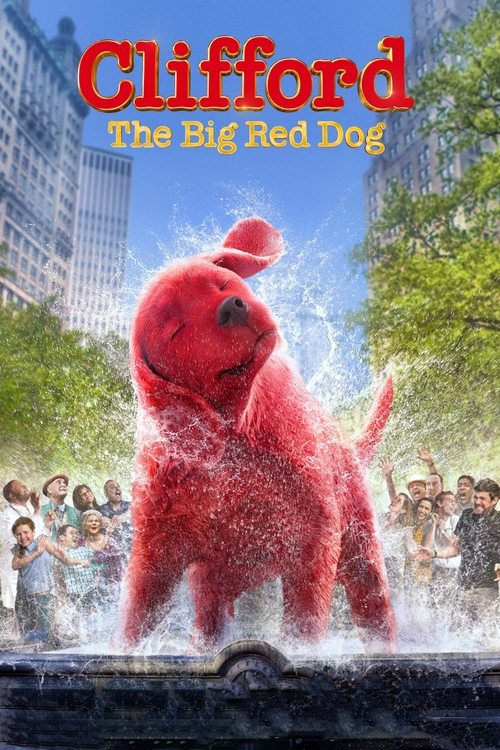
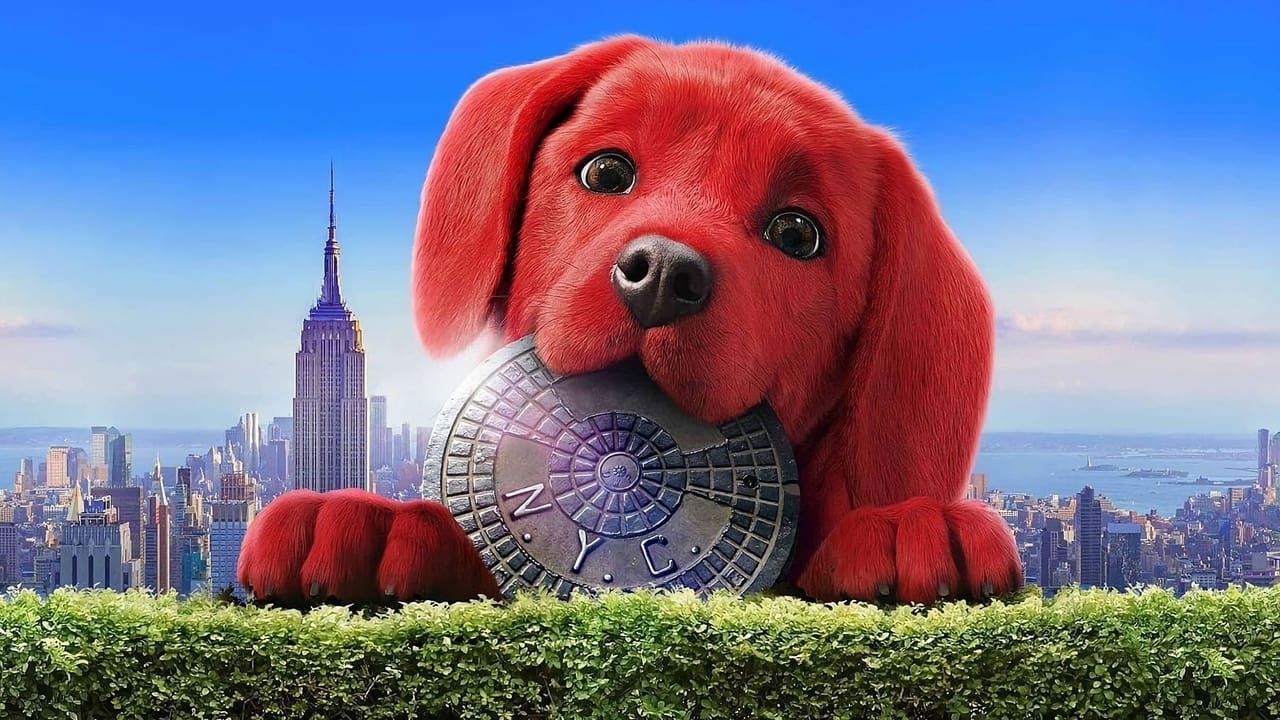
There is a specific kind of madness inherent in trying to hide a fifteen-foot-tall, cherry-red Labrador in a Harlem walk-up. It is the stuff of childhood daydreams and logistical nightmares, and somehow, Walt Becker’s 2021 adaptation of Clifford the Big Red Dog leans into both with a shrug and a smile. I watched this while nursing a slightly-too-hot mug of peppermint tea that eventually left a permanent ring on my coffee table—a small price to pay for 96 minutes of genuine, un-cynical distraction.
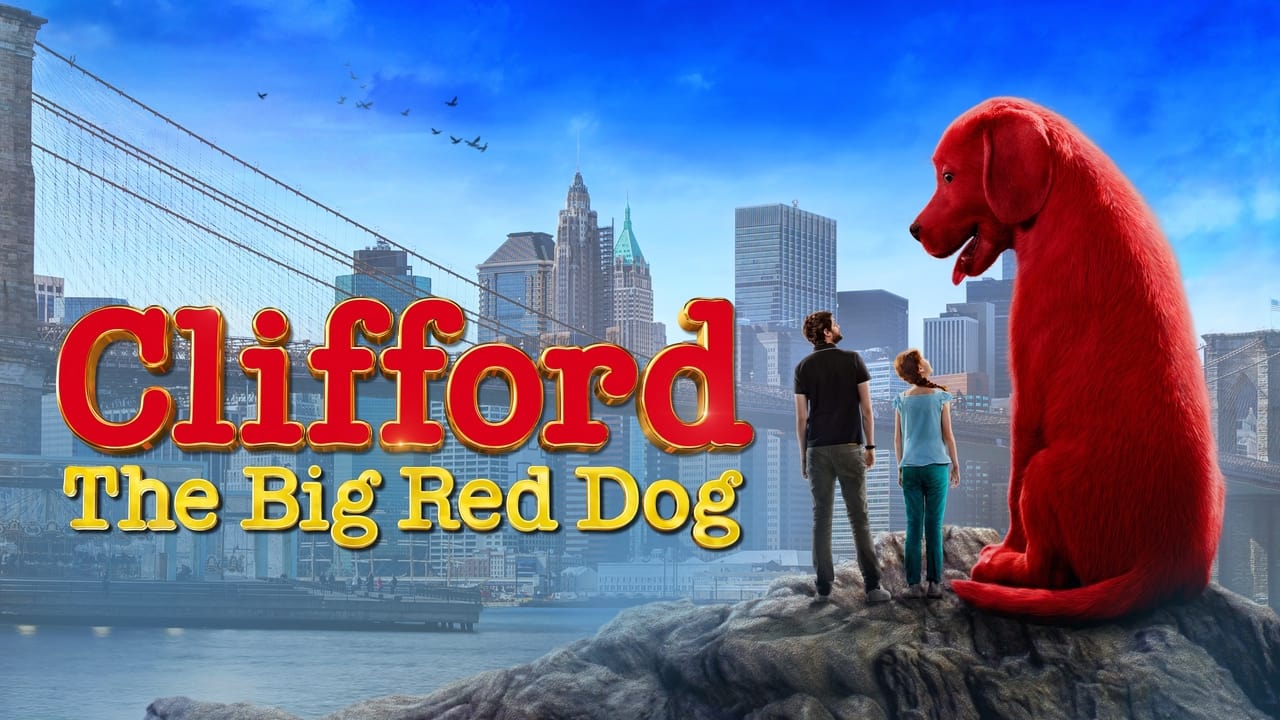
Released during that strange, transitional window of late 2021, Clifford was a casualty of the "hybrid release" era. It hit theaters and Paramount+ simultaneously, a strategy that often felt like a studio whispering, "We hope you find this, but we aren't holding our breath." Because of that, it’s already started to slip into the "obscure streaming relic" category, which is a shame. It’s a film that functions like a warm blanket—one that’s been slightly chewed on by a giant puppy, but warm nonetheless.
The Red Menace of Manhattan
The story follows Emily Elizabeth (Darby Camp, whom I first noticed being incredibly sharp in Big Little Lies), a middle-schooler struggling with the usual gauntlet of "mean girls" and scholarship-kid anxiety. When she meets the whimsical, bow-tied Mr. Bridwell—played by John Cleese with the kind of twinkle in his eye that suggests he knows exactly where the bodies are buried—she finds a tiny red puppy. Bridwell tells her the dog grows based on how much she loves him.
Naturally, she loves him a lot. By the next morning, the dog is the size of a delivery van.
What follows is a classic urban adventure. The "quest" isn't for a magical ring or a lost city, but simply for the right to exist in a world that wants to monetize miracles. Enter Zack Tieran (Tony Hale), the head of Lyfegrow, a genetics company that is the corporate equivalent of a lukewarm glass of soy milk. Tony Hale is excellent at playing "frazzled and slightly pathetic evil," and here he wants Clifford to solve his company’s failing efforts to grow giant food. It’s a low-stakes corporate villainy that feels very "90s family movie," updated for a world obsessed with biotech IPOs.
Slapstick, Uncle Casey, and CGI Dogs
The emotional heavy lifting actually falls to Jack Whitehall as Uncle Casey, the classic "man-child" archetype who is currently living out of a van and failing at adulting. I usually find the "bumbling uncle" trope a bit grating, but Jack Whitehall brings a frantic, self-deprecating energy that pairs well with Darby Camp’s grounded performance. Their chemistry is the engine of the film, especially when they’re trying to navigate the physical comedy of a dog that can accidentally headbutt a tree across a park.
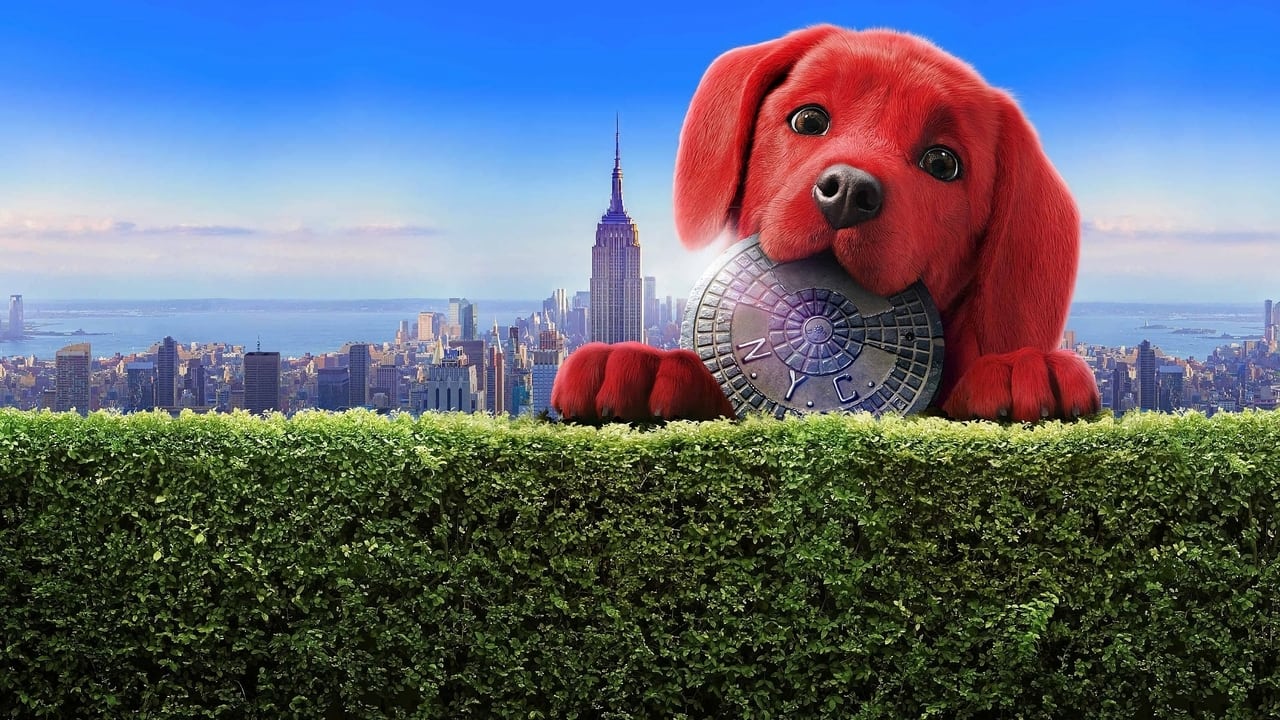
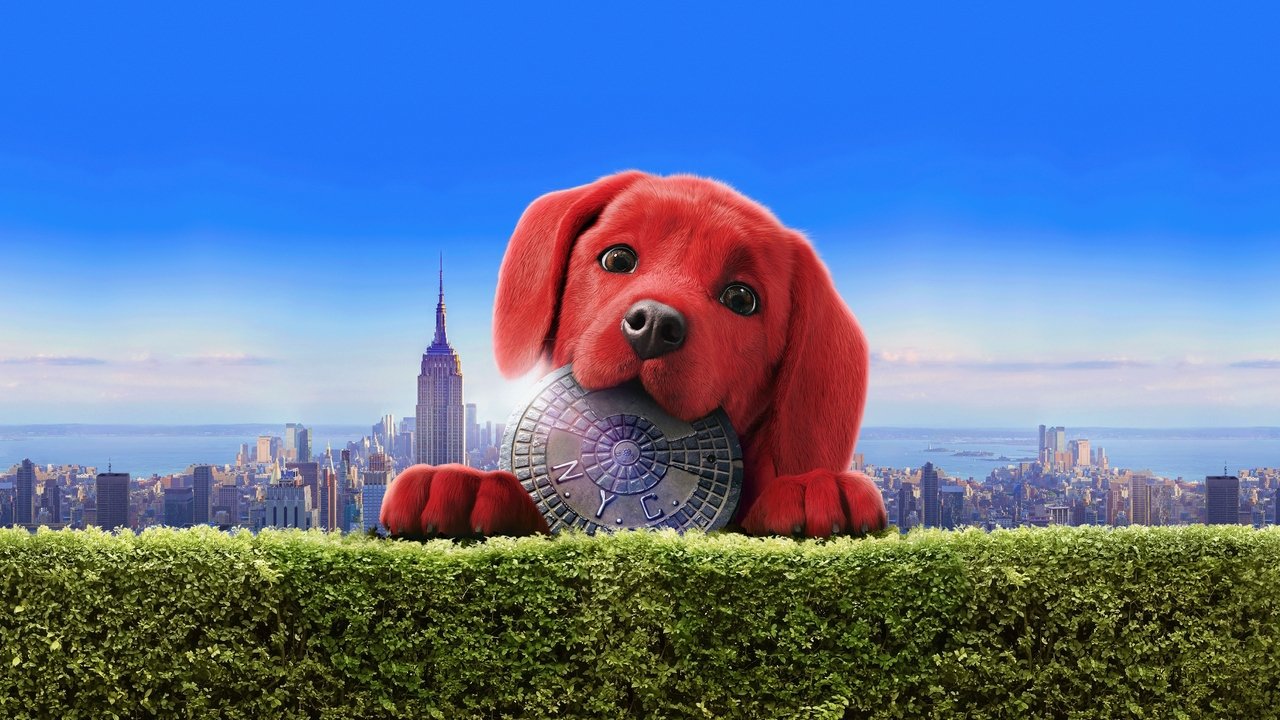
We have to talk about the dog itself. When the first trailer dropped, the internet went into a minor tailspin over the CGI. There was a fear of the "Sonic the Hedgehog" effect—that Clifford would look like a flayed, crimson monster. In the final product, the tech is actually quite impressive. The way Clifford’s fur interacts with the New York sunlight and the way he "hefts" his weight around feels tactile. There’s a scene in a park involving a giant plastic bubble ball that is pure, chaotic kinetic energy, and it’s arguably the moment the film finds its feet. It’s ridiculous, but the film knows it. It’s not trying to be Citizen Kane; it’s trying to be the best possible version of a movie about a dog that can eat a subway car.
A Pandemic-Era Time Capsule
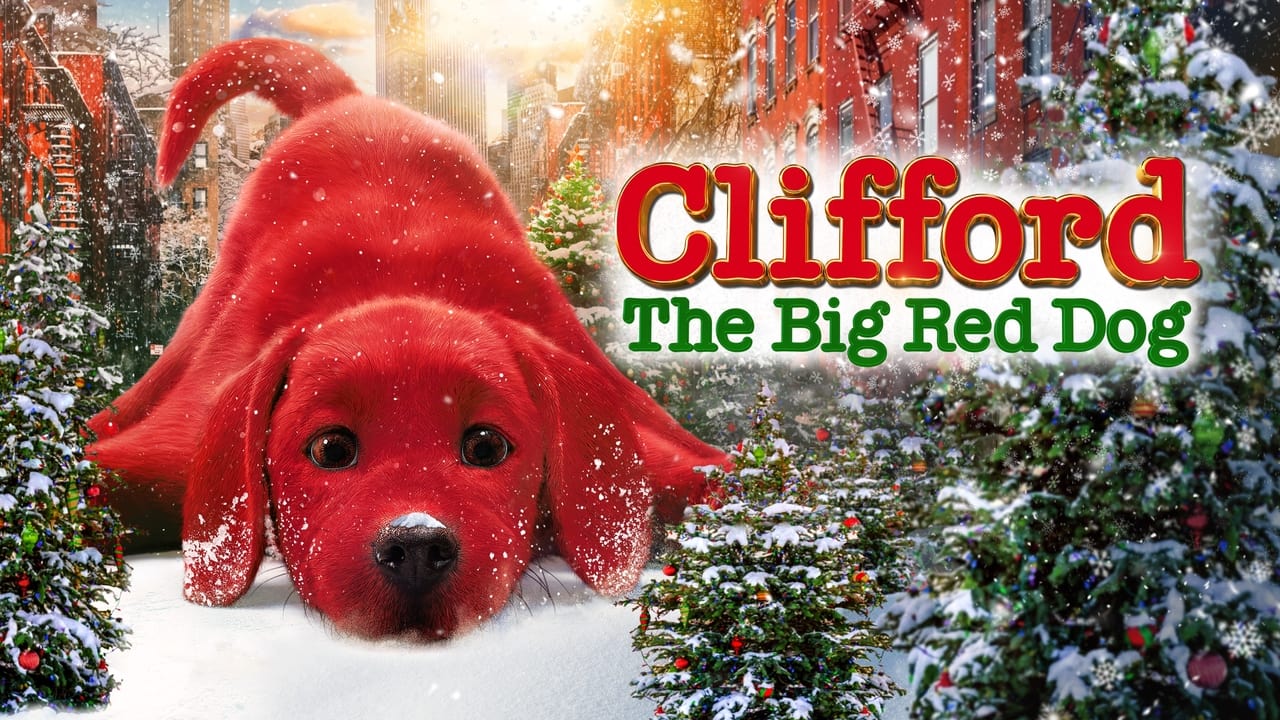
Looking at Clifford now, it feels like a bridge between the old world and the new. It was filmed pre-pandemic but released when we were all still a bit shaky about returning to cinemas. This "theatrical-to-streaming" pipeline changed how I perceived it. On a big screen, the scale of Clifford is the draw. On a laptop screen, it becomes a character study about a lonely kid and her weird uncle.
The film is also surprisingly stuffed with great character actors. Izaac Wang is charming as Emily’s friend Owen, and David Alan Grier shows up as the grumpy building super, Packard. Even Rosie Perez pops in for a bit. It’s a cast that feels overqualified for a "talking dog" movie (though Clifford doesn't talk, thank heavens), which adds a layer of professionalism to the absurdity.
Interestingly, the name "Bridwell" for John Cleese’s character is a direct nod to Norman Bridwell, the creator of the original book series. It’s a nice touch of legacy in a film that is otherwise very much about the "now"—smartphones, viral videos, and the crushing weight of NYC rent.
Ultimately, Clifford the Big Red Dog succeeds because it refuses to be cynical. In an era of "meta" humor and self-aware deconstructions, there is something profoundly refreshing about a movie that just says, "Here is a big dog, love is magic, and greedy corporations are bad." It’s an adventure that feels earned because it stays small-scale; it’s not about saving the universe, it’s about saving a friend. It might not be a "classic" in the traditional sense, but if you’re looking for a breezy, lighthearted journey through a slightly more magical version of Manhattan, it’s a trip worth taking. Just watch out for the tea rings on your furniture.
Keep Exploring...
-
Alvin and the Chipmunks: The Road Chip
2015
-
Olaf's Frozen Adventure
2017
-
Scooby-Doo! Return to Zombie Island
2019
-
The Christmas Chronicles: Part Two
2020
-
The Addams Family 2
2021
-

Jungle Cruise
2021
-
Red Shoes and the Seven Dwarfs
2019
-

Trolls
2016
-
Frozen II
2019
-
Dolittle
2020
-
Onward
2020
-
The Croods: A New Age
2020
-
Trolls World Tour
2020
-
Luca
2021
-

Hotel Transylvania: Transformania
2022
-

Minions: The Rise of Gru
2022
-
The Super Mario Bros. Movie
2023
-
Kung Fu Panda 4
2024
-

Moana 2
2024
-
A Minecraft Movie
2025