CODA
"The loudest love doesn't need a word."
I remember watching CODA for the first time during a mid-winter lockdown, curled up on a sofa while my apartment’s radiator hissed and clanked like a dying steam engine. Usually, that noise drives me up the wall, but halfway through Sian Heder’s film, I stopped hearing the radiator entirely. I was too busy trying to breathe through the lump in my throat. It’s rare for a movie to colonize your senses so completely that the physical world around you just... retreats.
Released in 2021, CODA (an acronym for Child of Deaf Adults) represents the absolute peak of the "Sundance-to-Streaming" pipeline. Apple TV+ dropped a record-shattering $25 million to acquire it after a virtual festival premiere, a move that felt like a massive gamble at the time. Could a small, heartfelt remake of a French film (La Famille Bélier) really justify a blockbuster price tag? As it turns out, yes. In an era where "representation" can sometimes feel like a corporate checklist, CODA arrived as a soulful, rowdy, and deeply funny correction.
The Language of Vibration
What strikes me most about Sian Heder’s direction isn’t just the inclusion of Deaf actors—it’s the way she translates the experience of deafness into cinematic grammar. This isn't a movie that treats being deaf as a tragedy to be pitied; it treats it as a culture, a language, and a specific way of moving through the world.
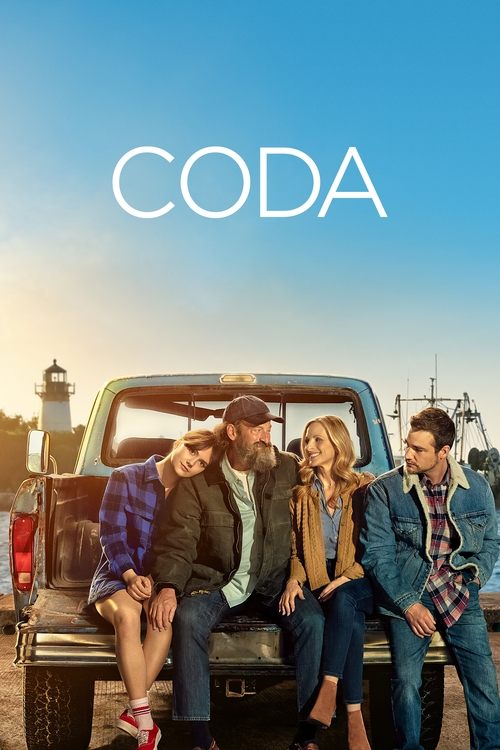
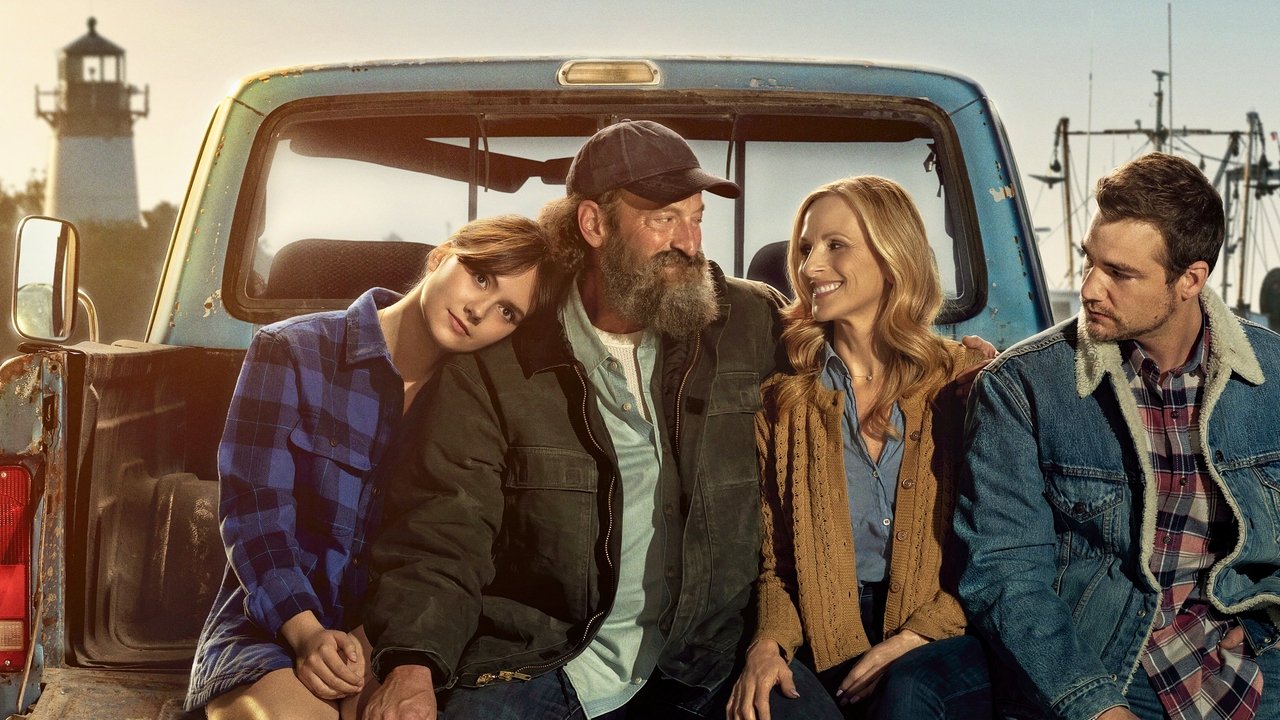
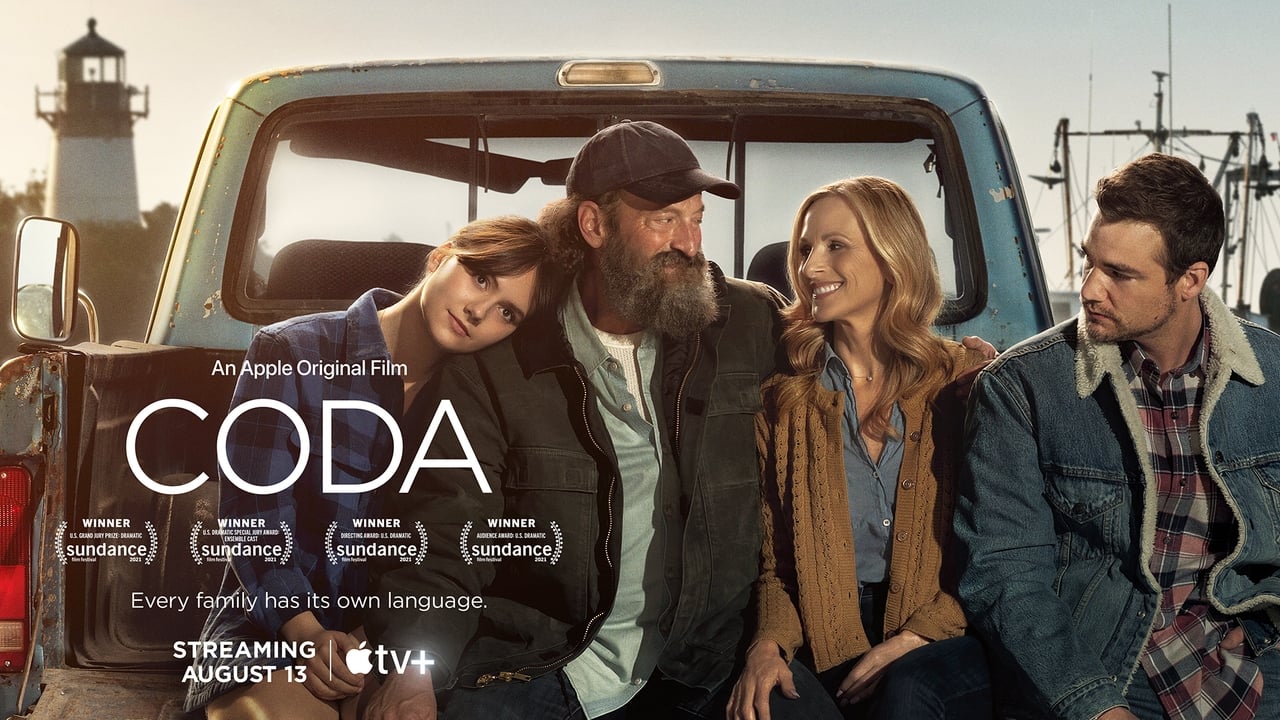
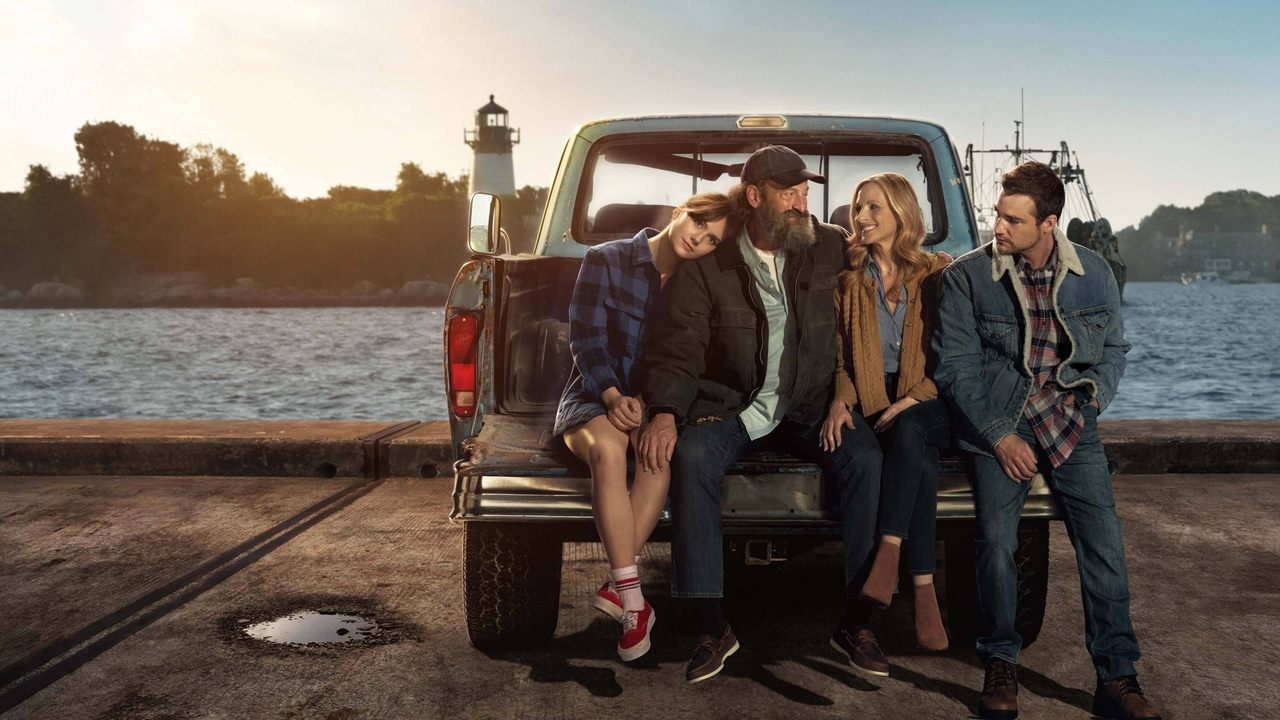
The Rossi family—played with incredible grit and humor by Troy Kotsur, Marlee Matlin (the GOAT of this genre, see Children of a Lesser God), and Daniel Durant—feels like a real, lived-in unit. They aren’t saintly. They’re loud, they’re occasionally inappropriate, and they’re struggling to keep their fishing business afloat in a Gloucester, Massachusetts, that feels increasingly indifferent to the working class.
When Emilia Jones (as Ruby) joins the school choir, the film sets up a classic "follow your dreams" trope, but it layers it with a complex philosophical question: How do you share your soul with the people you love when your soul speaks a language they literally cannot hear? The "Both Sides Now" performance is a weaponized tear-jerker that should be illegal, but it works because it isn't just about singing—it's about the desperate, beautiful attempt to bridge two incompatible realities.
The Physics of Silence
We often talk about "cerebral" films in terms of complex plots or sci-fi concepts, but CODA is cerebral in its exploration of sensory perception. There is a sequence during Ruby’s school concert where Heder makes a bold choice: she cuts the audio entirely. We see the audience’s reactions, the passion on the faces of the singers, and the frantic movement of the conductor, but we hear nothing.
For those few minutes, we aren't just observers; we are sitting in the skin of Frank and Jackie Rossi. It’s a profound bit of perspective-shifting that forces us to contemplate the nature of art. Is music purely auditory, or is it the emotion we see reflected in the person performing it? Troy Kotsur’s performance in the aftermath of that scene—where he asks Ruby to sing while he feels the vibrations of her throat—is some of the most intellectualized acting I’ve seen in years, precisely because it’s so physical. He’s trying to "read" the music through touch, a scene that makes you realize how narrow our standard definitions of "communication" really are.
A Modern Cult of Authenticity
While it eventually swept the Oscars, CODA has developed a "cult of the genuine" among fans. It’s the kind of movie people recommend to their parents, their friends, and their cynical coworkers alike. It’s a "streaming era" success story that actually prioritizes the human element over algorithmic polish.
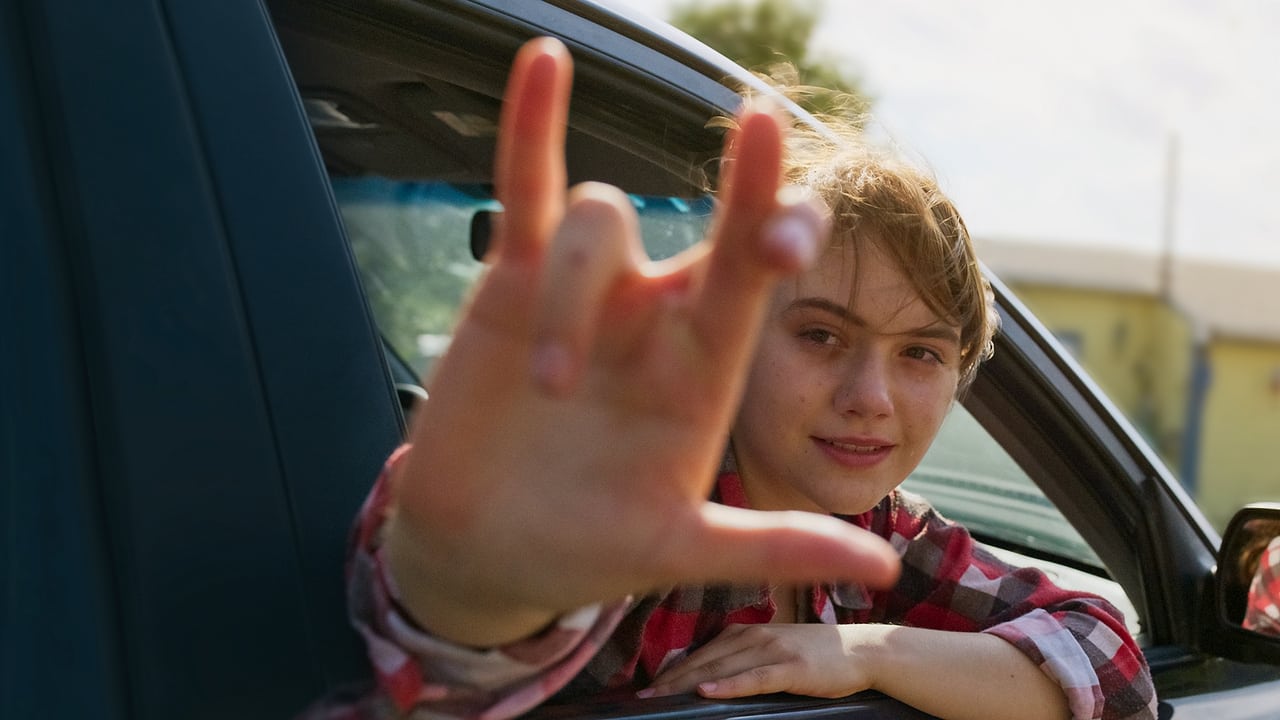
The trivia behind the scenes only cements this. Troy Kotsur didn't just show up and act; he worked with the production to ensure the ASL (American Sign Language) was regionally accurate for New England fishermen—which apparently involves a lot more creative swearing than you’d find in a textbook. Emilia Jones spent nine months learning ASL and how to operate a professional fishing trawler, all while training her voice. This level of commitment is why the film avoids the "inspiration porn" trap. It feels sweaty, salty, and honest.
It also captures the specific anxiety of the contemporary moment—the fear of the "middleman" disappearing. Ruby is the family’s bridge to the hearing world, their translator, and their advocate. Her desire to leave for Berklee College of Music isn't just a teenage whim; it’s a structural threat to her family’s survival. That’s a heavy burden for a drama to carry, yet the film handles it with a lightness that never feels dismissive.
Ultimately, CODA succeeds because it trusts its audience to handle the quiet. In a landscape dominated by franchise noise and "content" designed to be played in the background, this is a film that demands you look—really look—at the screen. It’s a reminder that sometimes the most radical thing a movie can do is show us a family that loves each other, flaws and all, and give them a voice that transcends sound.
I walked away from this movie wanting to learn sign language, wanting to hug my family, and strangely, wanting a very large plate of fried clams. If a movie can do all three of those things while making you forget about a clanking radiator, it’s doing something exactly right.
Keep Exploring...
-
Clouds
2020
-
Past Lives
2023
-
The Ballad of Buster Scruggs
2018
-
Portrait of a Lady on Fire
2019
-

All the Bright Places
2020
-
Sound of Metal
2020
-
tick, tick... BOOM!
2021
-
I Still Believe
2020
-
A Star Is Born
2018
-

Weathering with You
2019
-
Love, Simon
2018
-

Five Feet Apart
2019
-
Little Women
2019
-
The Big Sick
2017
-
Licorice Pizza
2021
-

Anora
2024
-

Gabriel's Inferno
2020
-

Purple Hearts
2022
-
Manchester by the Sea
2016
-
Sing Street
2016