Cry Macho
"True strength is knowing when to let go."
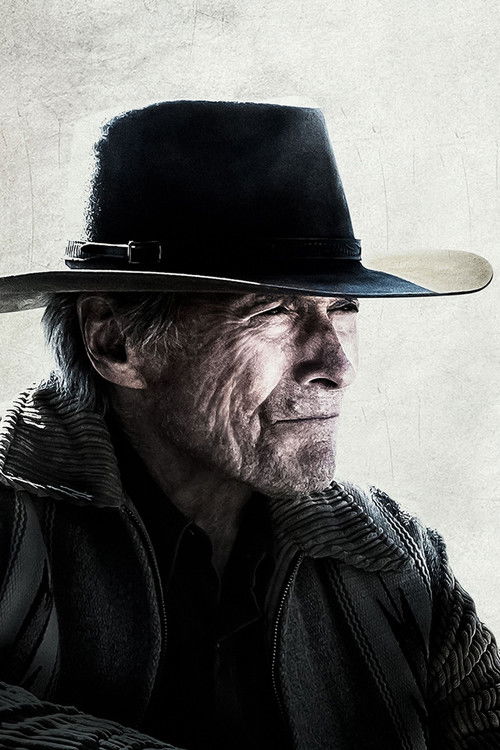
There is a moment in the first act of Cry Macho where Clint Eastwood attempts to mount a horse. He’s ninety-one years old. The camera lingers, almost cruelly, on the effort required for his lean, brittle frame to find its center of gravity. It’s a sequence that would have been a heroic beat in The Outlaw Josey Wales, but here, it feels like a quiet act of defiance against biology. I watched this while drinking a lukewarm seltzer that tasted vaguely of aluminum, and that metallic, unexciting fizz felt like the perfect accompaniment to a movie that refuses to be "cinematic" in the way we usually expect from a living legend.
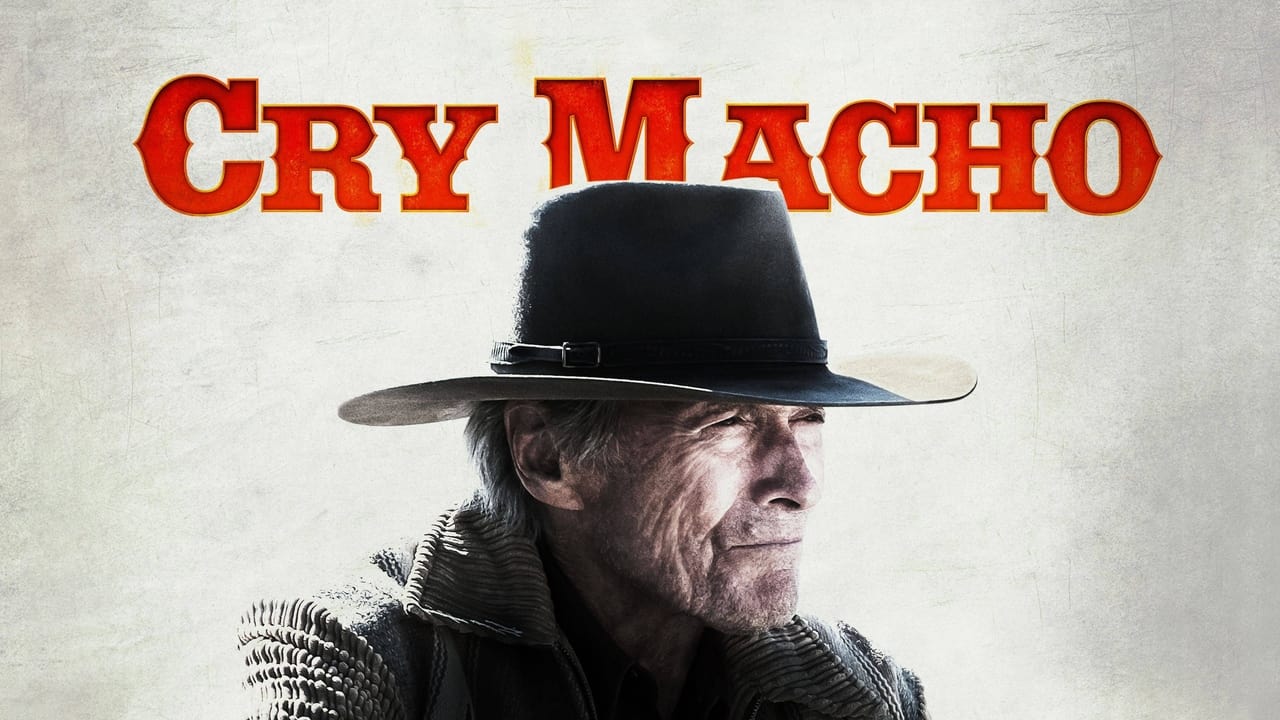
Cry Macho arrived in 2021 like a ghost from a different era. It was part of that strange, pandemic-era experiment where Warner Bros. dumped their entire slate onto HBO Max the same day they hit theaters. Because of that, and because it’s a quiet, ruminative drama about a man and a chicken, it vanished into the digital ether almost instantly. It’s the definition of a "forgotten" modern film—a project that spent nearly fifty years in development hell only to be released when the world was looking the other way.
The Long Road to the Border
The history of this script is arguably more dramatic than the film itself. Based on N. Richard Nash's 1975 novel, the role of Mike Milo has been passed around Hollywood like a cursed relic. Roy Scheider had it, Burt Lancaster wanted it, and Clint Eastwood actually turned it down in 1988 to make The Dead Pool. Even Arnold Schwarzenegger was attached to it before his gubernatorial stint. By the time it finally circled back to Clint, he wasn't just old; he was the oldest person to ever direct and star in a major studio film.
The premise is pure Western noir: Mike Milo, a broken-down ex-rodeo star, is hired by his former boss (Dwight Yoakam) to head into Mexico and kidnap/rescue the boss’s son, Rafo (Eduardo Minett), from an abusive mother. It’s a simple setup, but the film isn't interested in the mechanics of a thriller. It’s a road movie that moves at the pace of a slow walk, frequently stopping to admire the scenery or have a long lunch.
A Different Kind of Tough

The core of the movie—and the reason it’s worth your eighty minutes—is the chemistry between Clint and Eduardo Minett. I’ll be honest: Minett’s performance often feels like he’s reading off a teleprompter located just behind Clint’s left ear, but the sheer magnetism of Eastwood’s presence fills the gaps. Clint isn't really "acting" anymore; he's just being. He’s a monument that occasionally speaks.
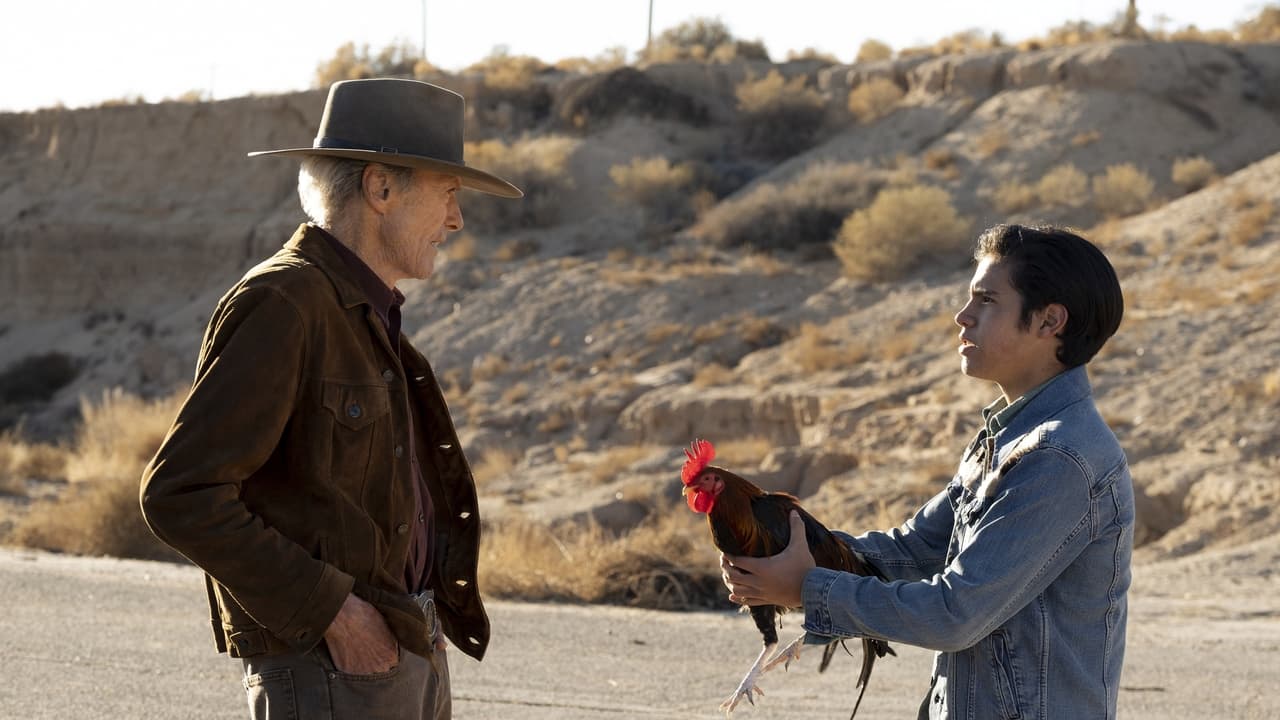
The title comes from Rafo’s fighting rooster, named Macho. It’s a heavy-handed metaphor, but it allows the film to tackle its most interesting theme: the deconstruction of the "Macho" archetype that Eastwood himself spent half a century building. There’s a scene where Mike tells the boy, "This macho thing is overrated... It's just people trying to be macho to show they've got grit." Hearing that from the man who played Dirty Harry and the Man with No Name feels like a public apology or a final confession. It’s the sound of a man who has outlived his own legend and realized that kindness is a lot harder than shooting a .44 Magnum.
The Quiet Casualty of the Streaming Era
I can see why people skipped this. It’s a very "thin" movie. The conflict with the boy's mother (Fernanda Urrejola) is cartoonish, and the "villain" chasing them through Mexico is about as threatening as a mall security guard. The middle section, where Mike and Rafo hide out in a small town and Mike begins a sweet, slow-burn romance with a cafe owner named Marta (Natalia Traven), is where the movie actually lives.
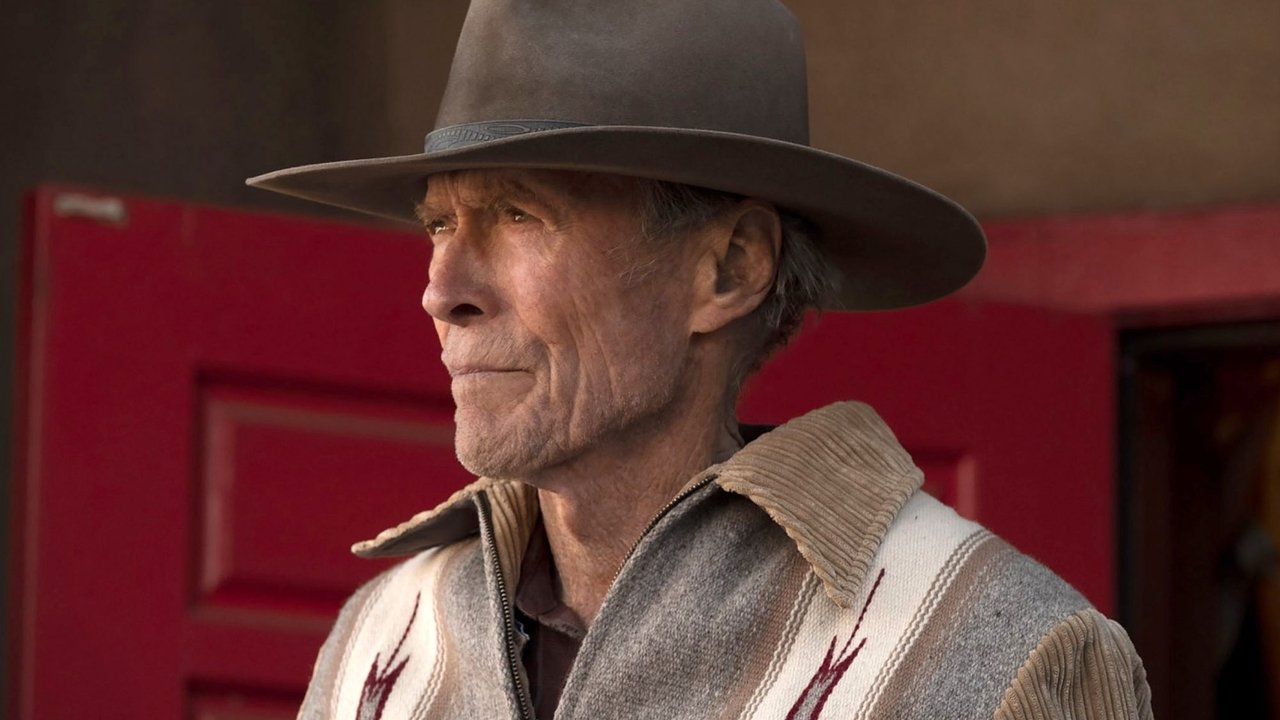
Natalia Traven is wonderful here. She brings a warmth and groundedness that makes you forget for a second that this 91-year-old man is somehow charming every woman he meets. These scenes feel like a "Grandpa Fantasy," but they’re played with such directorial restraint by Eastwood that they never feel gross. He’s not interested in being a hero; he’s interested in finding a place to take a nap where no one is screaming at him.
The cinematography by Ben Davis captures the dusty golds of the Mexican landscape with a digital crispness that occasionally feels too clean for a Western, but it suits the film's clarity of purpose. Cry Macho isn't a masterpiece, and it’s certainly not Unforgiven. It’s a minor work, a B-side in a career of hits. But in an era of franchise dominance and CGI sensory overload, there is something deeply soothing about watching an old man talk to a chicken in the desert.
It's a movie that asks for very little and gives back a sense of peace. It didn't need to be made, and it certainly didn't need to be a theatrical release in the middle of a global health crisis, but I'm glad it exists. It serves as a reminder that even when the body slows down and the box office fails, the urge to tell one last story remains. If you’re looking for a quiet Sunday afternoon watch, you could do much worse than riding along with Mike and Macho.

Keep Exploring...
-
The Mule
2018
-
News of the World
2020
-
Heartbreak Ridge
1986
-
Absolute Power
1997
-
High Plains Drifter
1973
-
Pale Rider
1985
-
Juror #2
2024
-
Gold
2016
-

Mother's Day
2016
-
Risen
2016
-
The Infiltrator
2016
-
Whiskey Tango Foxtrot
2016
-
All Eyez on Me
2017
-
Battle of the Sexes
2017
-

Home Again
2017
-
I Kill Giants
2017
-
Roman J. Israel, Esq.
2017
-
Suburbicon
2017
-
Table 19
2017
-
The Discovery
2017