Drive My Car
"The longest road leads back to yourself."
I remember exactly when the "click" happened. Not a metaphorical click of understanding, but the tactile, mechanical thwack of a cassette tape being pushed into a car stereo. I was sitting on my couch with a lukewarm cup of oolong tea that had gone bitter because I’d steeped it for twenty minutes, and I realized I hadn't looked at my phone once. For a movie that clocks in at three hours, that’s practically a miracle in our current era of "second-screen" viewing and TikTok-shredded attention spans.

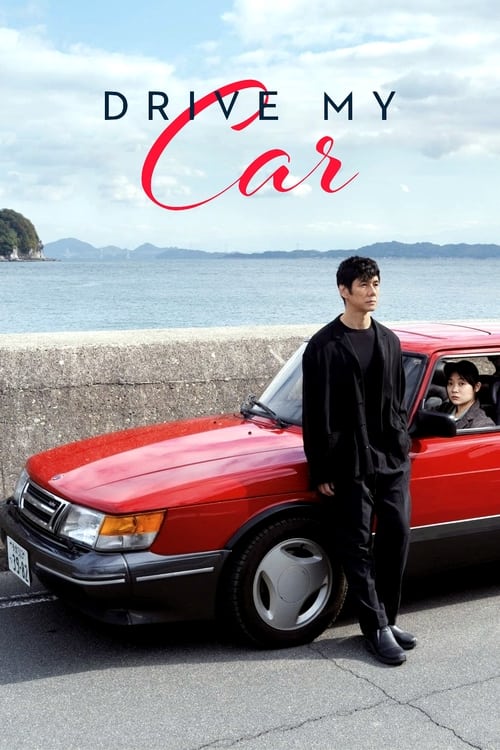
Drive My Car shouldn't have been a hit. In a 2021 landscape dominated by the desperate roar of streaming algorithms and franchise fatigue, a slow-burn Japanese drama about a theater director grieving his wife by staging a multilingual production of Chekhov’s Uncle Vanya sounds like a very expensive way to take a nap. But Ryūsuke Hamaguchi didn't just make a movie; he built a vehicle. And once you’re in the passenger seat of that pristine red Saab 900, you don't want to get out.
The Sanctuary of the Red Saab
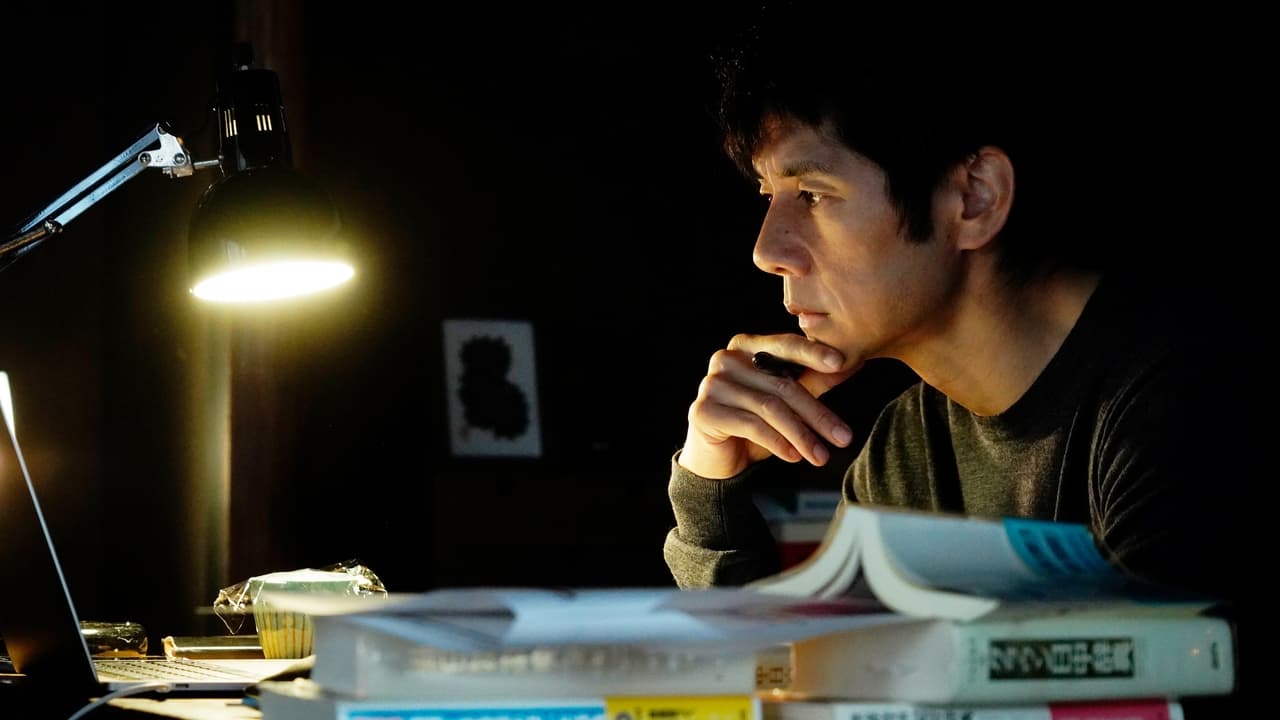
The film follows Yūsuke Kafuku, played with a haunting, repressed elegance by Hidetoshi Nishijima (who you might recognize from Shin Ultraman). Kafuku is a man who lives in his head and his car. His wife, Oto (Reika Kirishima), was his creative partner and his world, but their relationship was built on a foundation of strange, erotic storytelling and whispered secrets. Two years after her sudden death, Kafuku travels to Hiroshima to direct a play. Because of insurance reasons, the festival insists he cannot drive himself.
Enter Misaki Watari, played by Toko Miura with a stoicism that would make a marble statue look expressive. She’s young, she’s quiet, and she drives his car with a smoothness that Kafuku—a man who treats his Saab like a sacred temple—eventually finds undeniable. Watching two people sit in silence for twenty minutes of screentime shouldn't be this gripping, but it's a precision-engineered emotional heist. You’re waiting for the cracks to show, and when they do, they don't break; they leak.
Rehearsing the Unspeakable
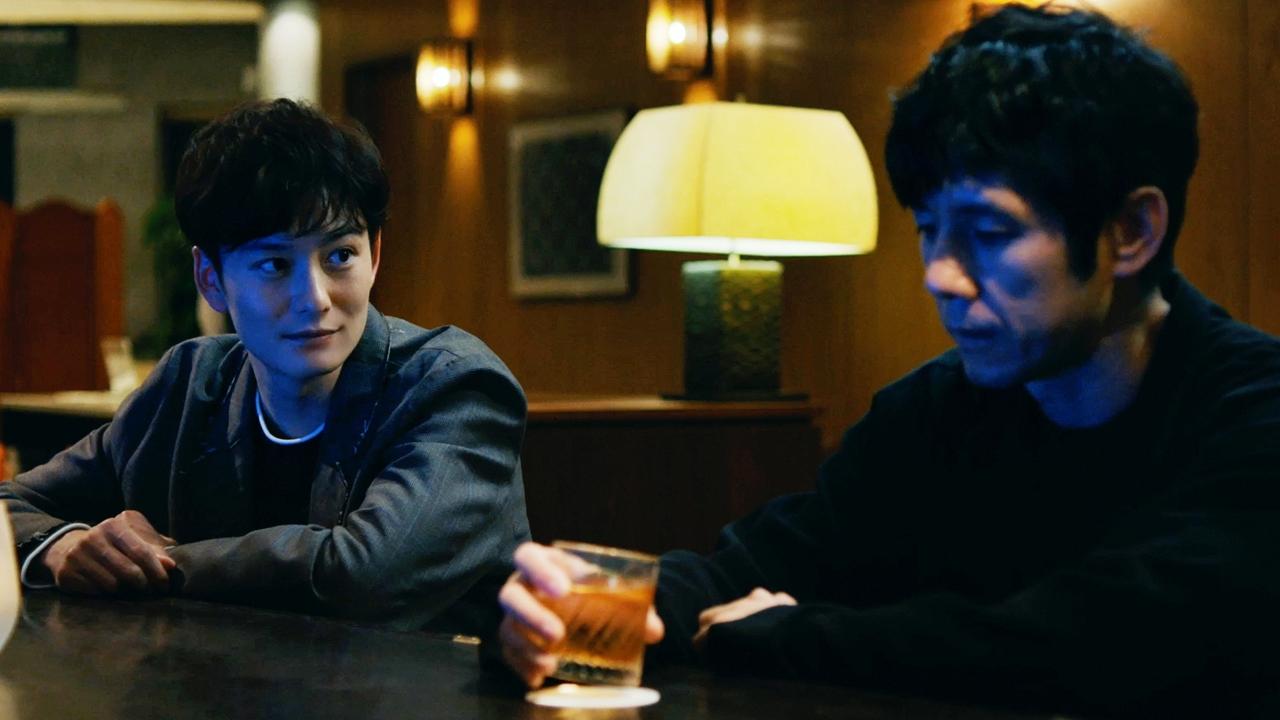
The middle hour of the film is dedicated to the rehearsal process of Uncle Vanya. This is where the "Contemporary Cinema" vibe really kicks in. We’re used to seeing art as a finished product on a streaming thumbnail, but Hamaguchi is obsessed with the labor of art. Kafuku casts actors who speak different languages—Japanese, Mandarin, Korean, and even Korean Sign Language—and makes them read the script together in a flat, emotionless monotone for weeks.
The standout here is Park Yu-rim as Lee Yoo-na, a mute actress who uses sign language. Her performance is a revelation; she proves that you don't need a voice to own a room. Then there’s Masaki Okada as the hot-headed young TV star Kōshi Takatsuki, who represents the messy, impulsive side of fame that contrasts with Kafuku’s rigid control. The way these characters eventually begin to "understand" each other without sharing a common tongue is a beautiful middle finger to our polarized, social-media-shouting-match reality. It suggests that if we just shut up and listen to the subtext, we might actually get somewhere.
Making a Million Look Like a Billion
What’s wild is that this was an "Indie Gem" in the truest sense. With a budget of only $1.3 million—roughly the cost of the catering budget on a Marvel sequel—Hamaguchi created something that feels massive. It’s a masterstroke of resourcefulness.
Here’s some of the cool stuff that happened behind the curtain:
The Car Color Swap: In Haruki Murakami’s original short story, the Saab 900 was yellow. Hamaguchi changed it to red because he realized a yellow car would disappear against the greenish hues of the Japanese landscape, whereas the red pops like a heart monitor against the grey asphalt of Hiroshima. The Credits Fake-Out: You know how most movies give you the credits in the first five minutes? Hamaguchi waits forty minutes. The "opening" of the film is actually a prologue, and when the title finally hits the screen, it feels like the movie is finally taking a deep breath and shifting into second gear. * The Pandemic Pivot: The film was originally supposed to be shot in South Korea (Busan), but COVID travel restrictions forced the production to move to Hiroshima. This ended up being a blessing; the architecture of the Hiroshima waste treatment plant (yes, really) provides some of the most stunning, sterile backdrops in modern cinema.
I’ll be honest: I went into this expecting to be bored. I thought I’d be checking my watch by the two-hour mark. Instead, I found myself wishing there was a fourth hour just so I could see where Misaki and Kafuku ended up next. It’s a film that respects your intelligence and your patience, which is a rare commodity in the 2020s.
It’s not just a "sad movie." It’s a movie about the mechanics of living after the worst thing that could happen has already happened. It’s about the fact that sometimes, the only way to process a tragedy is to keep your eyes on the road and keep driving until the sun comes up. If you have a rainy afternoon and a high-quality pair of headphones, give this one the time it deserves. Just make sure your tea doesn't go cold while you're mesmerized by the road.


Keep Exploring...
-
One Cut of the Dead
2017
-
American Honey
2016
-

Hunt for the Wilderpeople
2016
-
Julieta
2016
-
Moonlight
2016
-
Raw
2016
-
Sing Street
2016
-
Swiss Army Man
2016
-
The Witch
2016
-
They Call Me Jeeg
2016
-

A Ghost Story
2017
-
Good Time
2017
-

The Florida Project
2017
-
The Killing of a Sacred Deer
2017
-
American Animals
2018
-

Arctic
2018
-
Capernaum
2018
-
Climax
2018
-
Cold War
2018
-

Eighth Grade
2018