Dune
"Behold the scale of a dying empire."

I distinctly remember the first time the "Voice" was used in the theater. It wasn’t just a sound effect; it was a physical vibration that seemed to rattle the loose change in my pockets. I was sitting there, nursing a bag of pretzel sticks that had gone suspiciously soft in the humidity of the theater, wondering if Denis Villeneuve could actually pull off the "unfilmable" book. By the time the screen went black and the title card whispered Dune: Part One, I realized I hadn’t touched a single pretzel in forty minutes. I was too busy breathing in the dust.

The Grand Architect of Arrakis
Let’s be honest: contemporary sci-fi often feels like it’s been put through a communal blender. Between the quippy meta-humor of the MCU and the recycled nostalgia of Star Wars, everything was starting to look like the same neon-lit hallway. Then came Villeneuve, fresh off Arrival (2016) and Blade Runner 2049 (2017), deciding that what we really needed was a movie that felt like a series of brutalist paintings come to life.
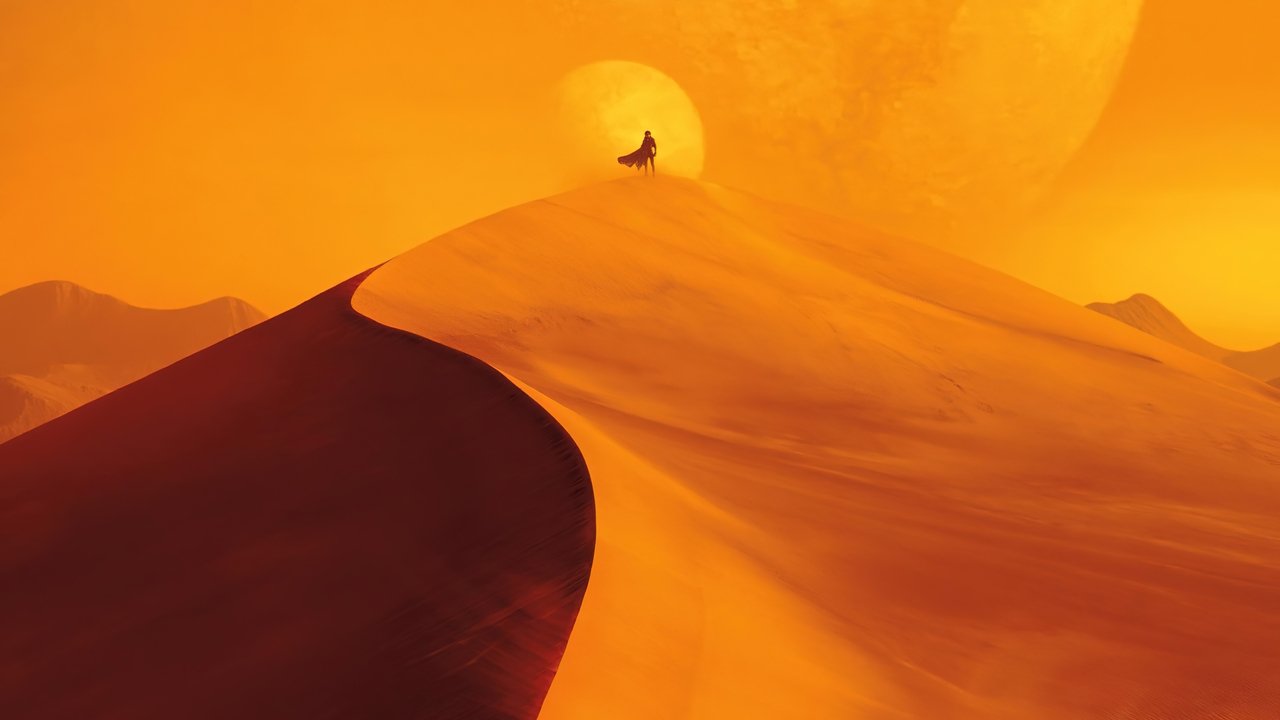
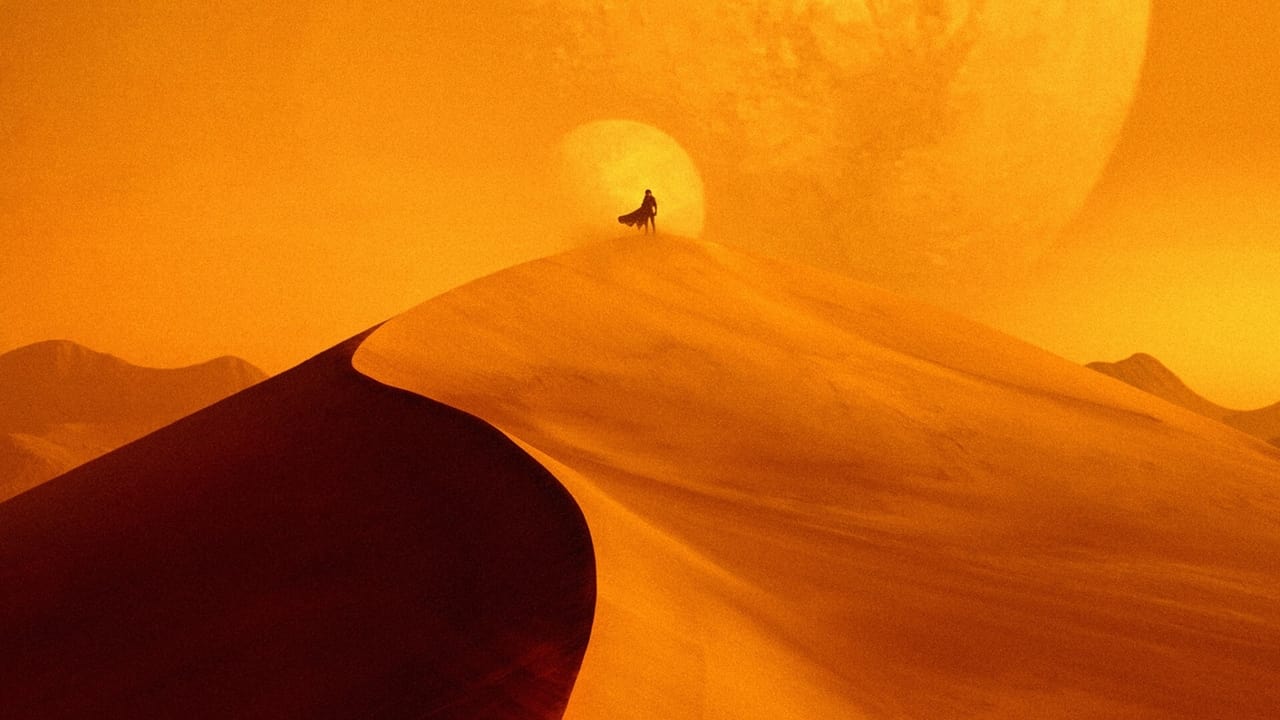
The scale of this thing is genuinely absurd. Most directors use CGI to make things look "big," but Villeneuve and cinematographer Greig Fraser (who also shot The Batman) use it to make things feel heavy. When a spice harvester descends from the sky, you don't just see it—you feel the displacement of air. It’s a film that demands to be seen on the biggest screen possible, which made its release during the tail end of the pandemic such a rollercoaster. Remember the HBO Max "day-and-date" drama? Villeneuve was rightfully livid, arguing that watching Dune on a television is like "driving a speedboat in your bathtub." Having re-watched it at home since, I can confirm the bathtub feels a bit cramped for a Shai-Hulud.
A Cast Built for the Sand
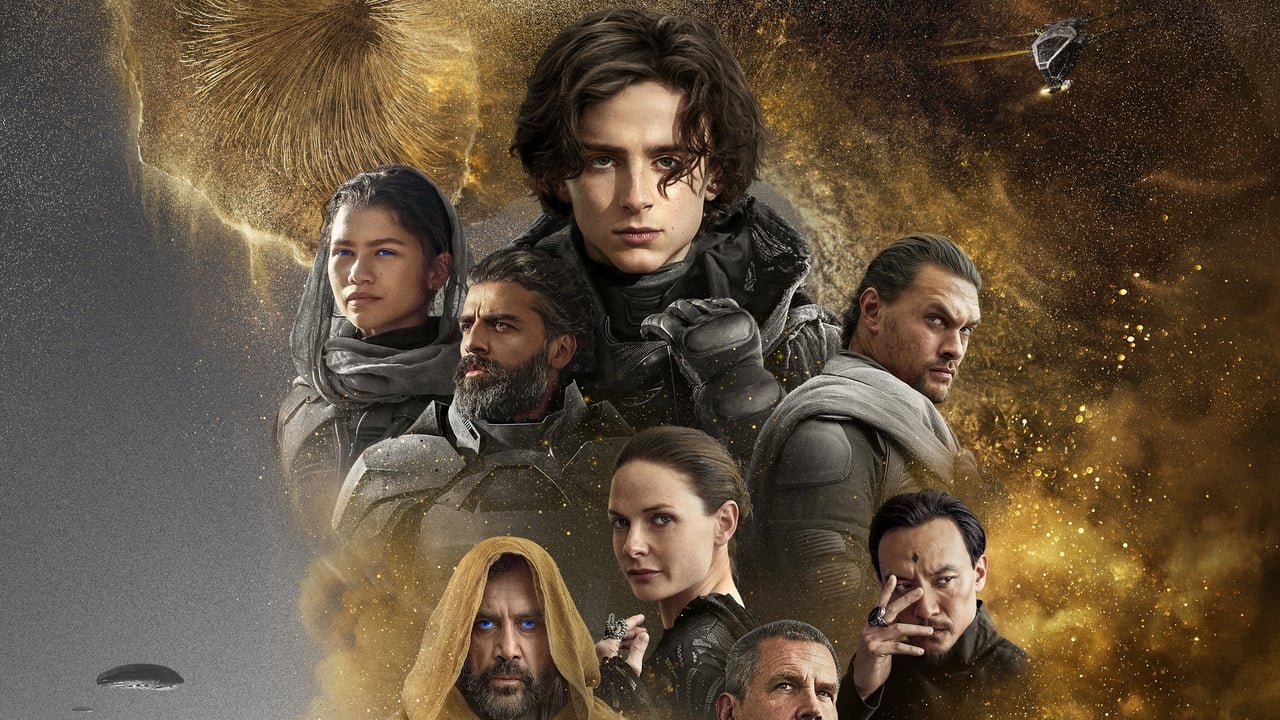
At the center of this massive, sand-blasted gears-and-politics machine is Timothée Chalamet as Paul Atreides. Now, I’ll admit I was skeptical. I wasn’t sure the "soft-boy" icon of Call Me by Your Name (2017) could carry the weight of a messianic figure. But he plays Paul with this perfect, fragile intensity—a kid who is clearly terrified of the crown he’s destined to wear. He is balanced beautifully by Rebecca Ferguson as Lady Jessica. Honestly, she’s the secret MVP here. Her performance is a masterclass in controlled panic; she’s a mother trying to protect her son while simultaneously molding him into a weapon.
The rest of the cast is a "who's who" of people you’d want on your side in a desert brawl. Oscar Isaac brings a tired, noble dignity to Duke Leto that makes his inevitable trajectory hurt all the more. Then you’ve got Jason Momoa as Duncan Idaho, who seems to be having the most fun of anyone on set, essentially playing "Space Han Solo" with a better haircut. On the flip side, Stellan Skarsgård as Baron Harkonnen is a literal nightmare. He’s encased in prosthetic fatsuits that make him look like a very angry, levitating thumb soaked in crude oil, and it is one of the most effective villain designs I’ve seen in a decade.
The Gamble of the Century
There’s a certain bravery in making a $165 million movie that is essentially "The First Half of a Book: The Movie." In an era where every studio wants a "cinematic universe" by the second act, Dune takes its sweet time. It’s slow, it’s dense, and it spends a lot of time talking about trade routes and water filtration. For some, Dune is essentially a very expensive brochure for a planet I would never visit, but for me, that’s the draw. It respects the audience’s intelligence enough to let the world-building happen through the environment rather than a five-minute PowerPoint presentation.
Speaking of environment, we have to talk about Hans Zimmer. He allegedly turned down working with Christopher Nolan on Tenet (2020) just to do this, and you can hear the obsession. He spent months inventing new instruments because he felt traditional orchestras sounded too "Western" for a planet like Arrakis. The result is this howling, percussive, bagpipe-heavy fever dream that makes the hair on your arms stand up. It turns the film from a standard space opera into something that feels ancient and religious.
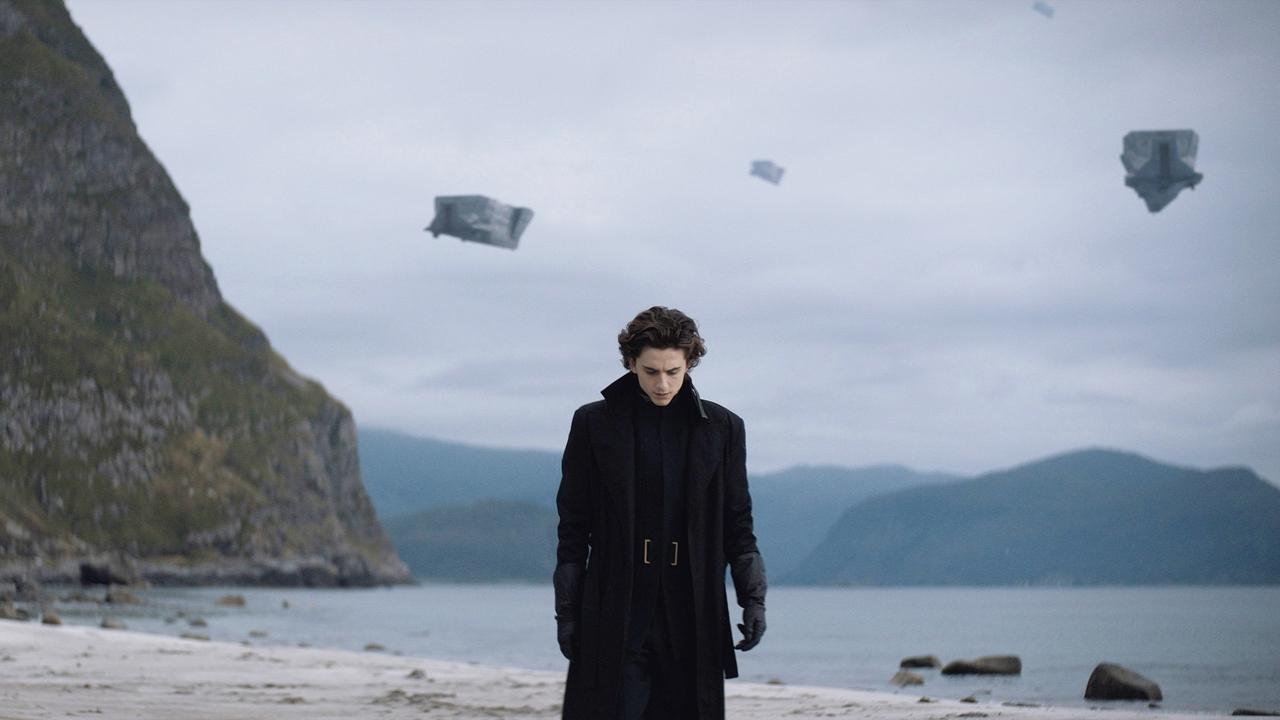
Apparently, the production was so committed to authenticity that they filmed in the deserts of Jordan and Abu Dhabi during the height of summer. Jason Momoa reportedly had to have a cooling suit under his armor because the heat was so oppressive. You can see that sweat on screen—it isn't sprayed on by a makeup artist; it’s the genuine "I might die out here" glow of a cast pushed to the limit.
The only real knock against Dune (2021) is its incompleteness. It doesn't have a traditional ending; it just... stops. If you aren't prepared for that "It begins" tagline to be literal, you might walk away feeling a bit cheated. But as a piece of transportive cinema, it’s unparalleled in the modern era. It’s a film that proves blockbusters can still be art, that "big" doesn't have to mean "dumb," and that sand—despite what Anakin Skywalker thinks—can be absolutely majestic if you have the right cinematographer.
Keep Exploring...
-
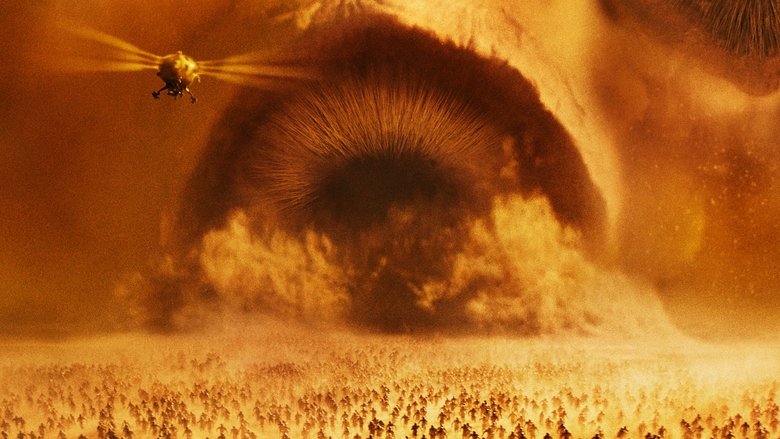
Dune: Part Two
2024
-
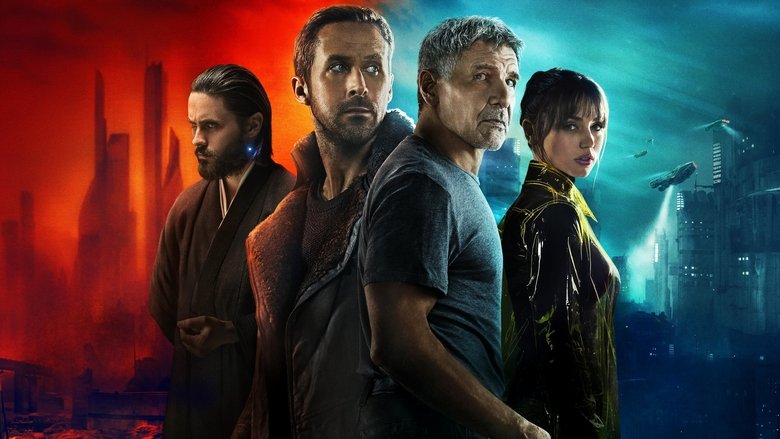
Blade Runner 2049
2017
-
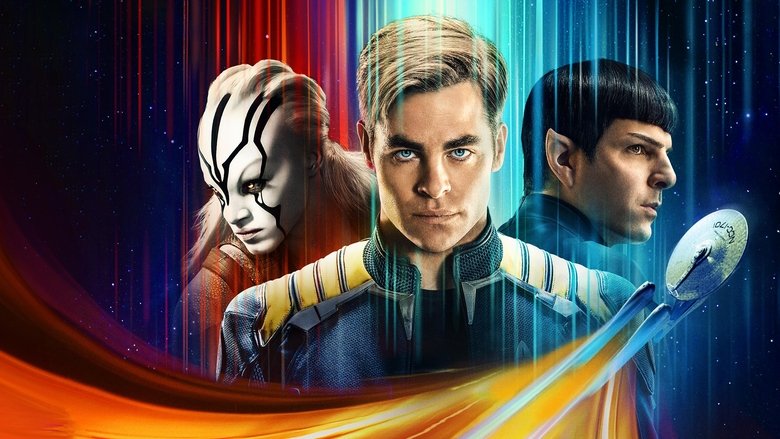
Star Trek Beyond
2016
-

Okja
2017
-

Alita: Battle Angel
2019
-
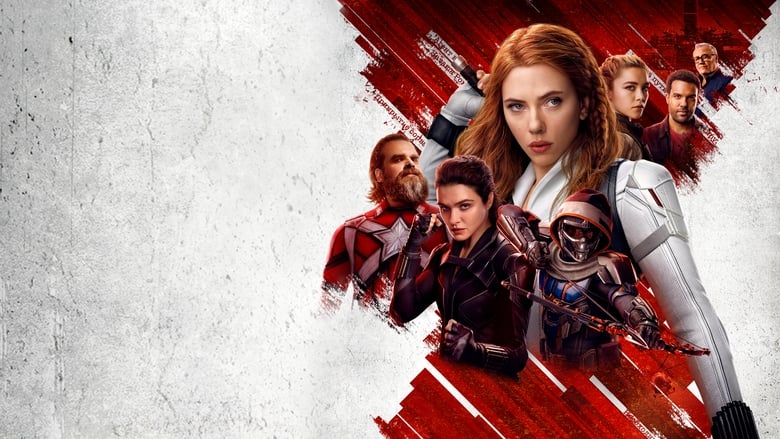
Black Widow
2021
-
Eternals
2021
-

Ghostbusters: Afterlife
2021
-
Godzilla vs. Kong
2021
-
The Tomorrow War
2021
-
Lightyear
2022
-
The Adam Project
2022
-
The Creator
2023
-

Transformers: Rise of the Beasts
2023
-
Kingdom of the Planet of the Apes
2024
-
Superman
2025
-

The Fantastic 4: First Steps
2025
-

Thunderbolts*
2025
-
Arrival
2016
-
Greenland
2020