Evangelion: 3.0+1.0 Thrice Upon a Time
"The boy finally gets out of the robot."

The title alone is a headache. Evangelion: 3.0+1.0 Thrice Upon a Time sounds like a corrupted spreadsheet file or a math equation designed by someone having a mid-life crisis. Yet, for those of us who have spent decades haunted by the image of a giant purple robot slumped in a lake of red LCL, this film wasn't just a release; it was an exorcism. After years of delays, production meltdowns, and the director essentially rewriting the laws of physics in Shin Godzilla (2016), the final chapter of the Rebuild series arrived on streaming screens with the weight of an entire generation’s expectations.

I watched the climax of this 155-minute behemoth while my neighbor was leaf-blowing his driveway at 7 AM, and the mechanical roar weirdly synced up with the Eva units' screams. It was a chaotic, noisy, and oddly perfect way to experience the end of the world.
The Long Walk to the Village
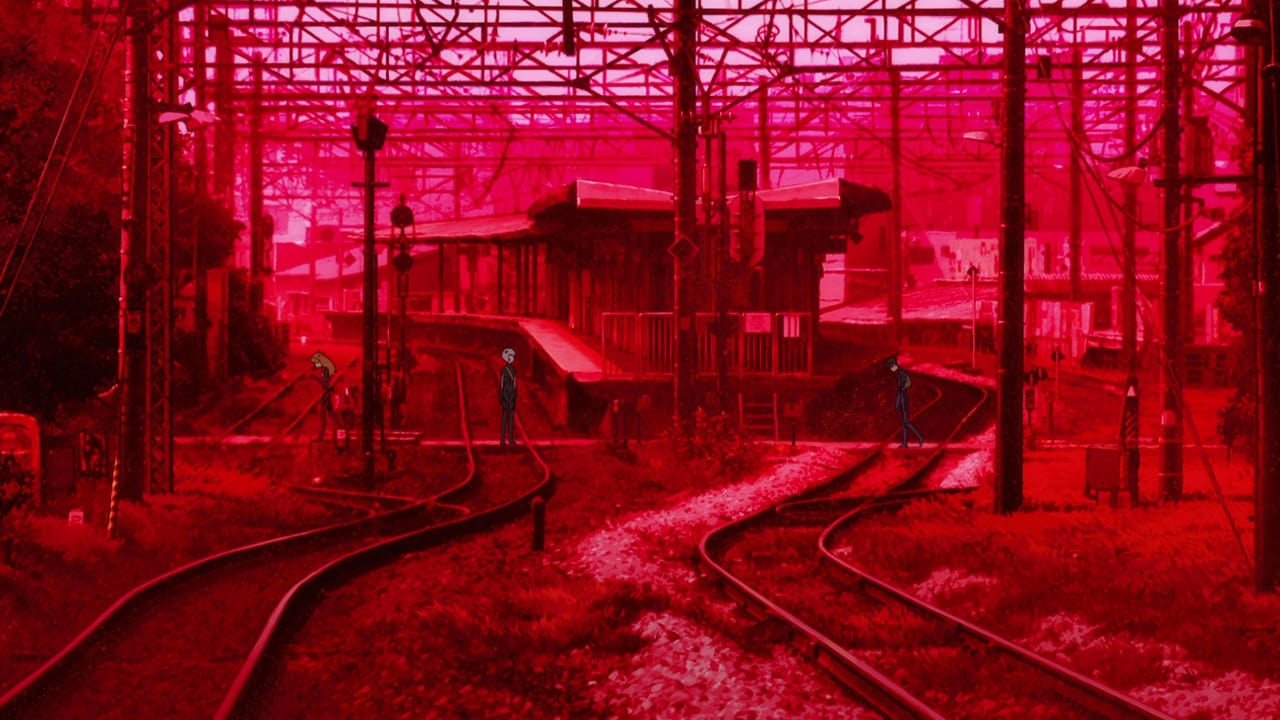
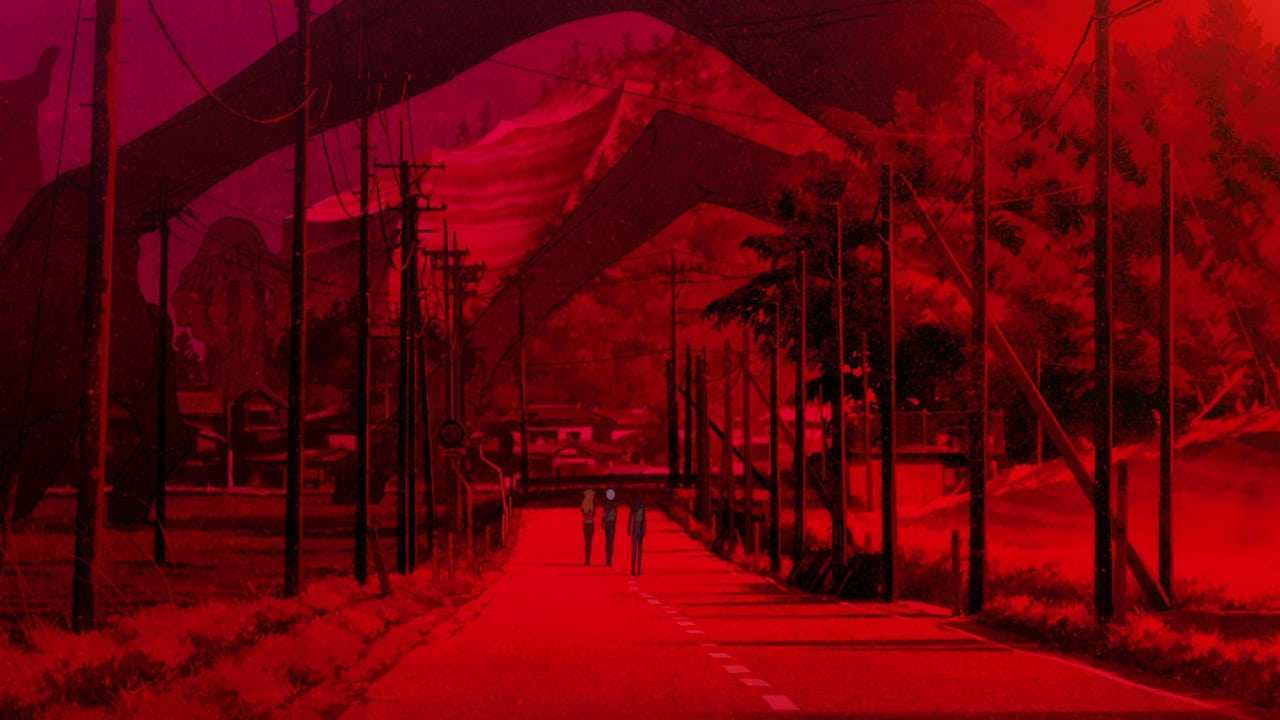
What struck me most about this finale isn't the cosmic warfare, but the silence of its first hour. After the frantic, confusing action of 3.0, we find our protagonists—a shell-shocked Megumi Ogata (Shinji), a fiercely defensive Yuko Miyamura (Asuka), and a "look-alike" Megumi Hayashibara (Rei)—wandering into "Village-3." It’s a pocket of agrarian humanity surviving amidst the red-tinted apocalypse.
In an era where most blockbusters are terrified of a slow pace, Hideaki Anno spends a massive chunk of his budget showing us characters planting rice and learning how to say "good morning." It’s radical. The first act is essentially a Ghibli movie that crashed into a graveyard of giant robots. Watching Megumi Hayashibara’s character discover the concept of a "work-life balance" while wearing a plugsuit is both heartbreaking and absurd. It grounds the stakes. We finally see what they are fighting for, beyond just "stopping the impact." This isn't just a legacy sequel checking boxes; it’s a director finally allowing his characters the space to breathe that he couldn't give them in the 90s.
The Geometry of the End
Once the action kicks in, it’s a sensory overload that makes the MCU look like a puppet show. The opening sequence in Paris—where Maaya Sakamoto (Mari) pilots an Eva while spinning like a deranged ballerina through the Eiffel Tower—is a masterclass in scale. The cinematography by Toru Fukushi uses "virtual camera" techniques that allow for impossible angles, making the machines feel like they have genuine weight and momentum.
However, the CG in the final act looks like a PlayStation 3 cinematic having a nervous breakdown, and I’m convinced that’s the point. As the film moves into the "Anti-Universe," the animation style shifts, becomes sketchy, and eventually breaks the fourth wall entirely. Hideaki Anno isn't interested in seamless realism; he’s interested in the truth of the medium. When two Evas fight in a miniature city that looks like a tokusatsu film set, it’s a brilliant nod to his roots and a reminder that this is all a construct. The score by Shiro Sagisu—who previously gave Bleach and Shin Godzilla their operatic souls—is at its peak here, blending choral dread with upbeat 60s pop in a way that shouldn't work but absolutely does.
Saying Goodbye to the Robot
This film is a fascinating artifact of the "post-pandemic" streaming era. Because it bypassed a global theatrical run for most of us, landing directly on Prime Video, it felt less like a communal event and more like a private conversation between Hideaki Anno and the viewer. It’s a deeply cerebral experience. The final third moves away from action choreography and into a series of psychological confrontations. Asuka’s entire character arc is essentially the world’s most violent coming-of-age story, and seeing her finally get closure—along with the rest of the veteran cast—felt like a heavy weight lifting off my chest.
It deals with the "Franchise Fatigue" we all feel today by literally dismantling the franchise. It’s an ending that tells the audience to stop looking back, to stop obsessing over lore, and to go outside. In a cinematic landscape of endless "multiverses" and sequels that refuse to die, 3.0+1.0 is the rare work of art that demands the right to be over. It’s messy, overlong, and occasionally disappears up its own philosophical backside, but it’s also the most honest thing I’ve seen in years.
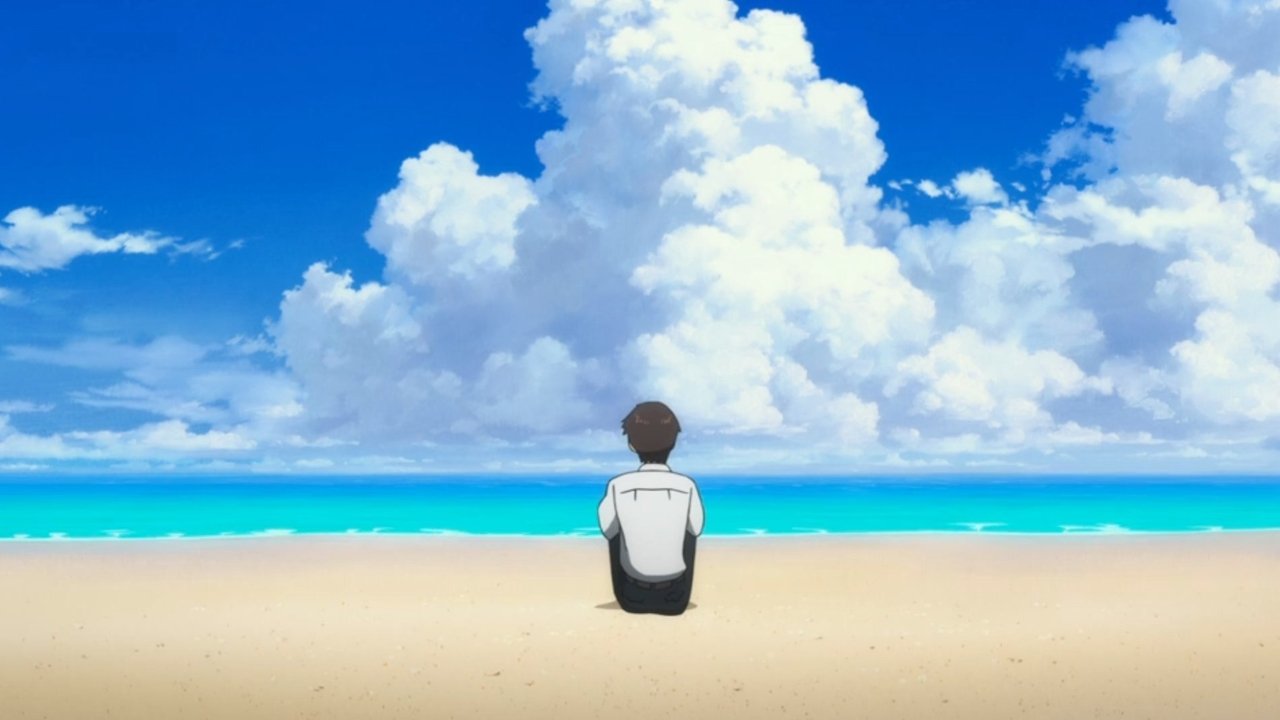
The final shot of the film is a simple transition to live-action footage of Ube, Japan. It’s a quiet, jarring moment that signals the end of a twenty-five-year journey. I sat there for a long time after the credits rolled, listening to the leaf blower outside, feeling a strange sense of relief. Shinji Ikari finally grew up, and maybe we did too. Bye-bye, all of Evangelion. Thanks for everything.
Keep Exploring...
-
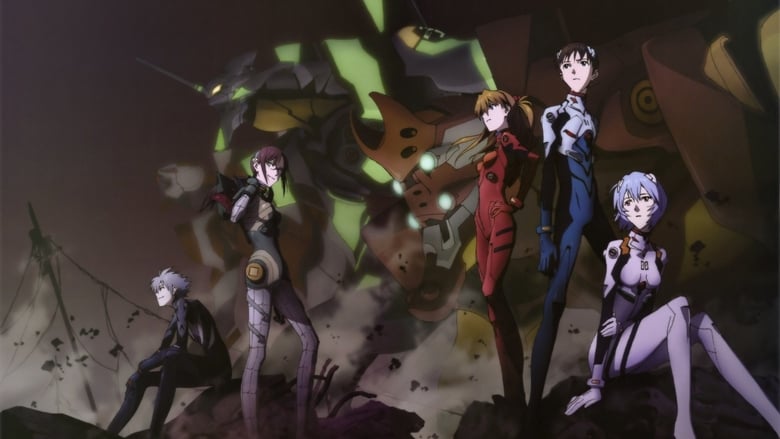
Evangelion: 2.0 You Can (Not) Advance
2009
-

Evangelion: 1.0 You Are (Not) Alone
2007
-

Evangelion: 3.0 You Can (Not) Redo
2012
-
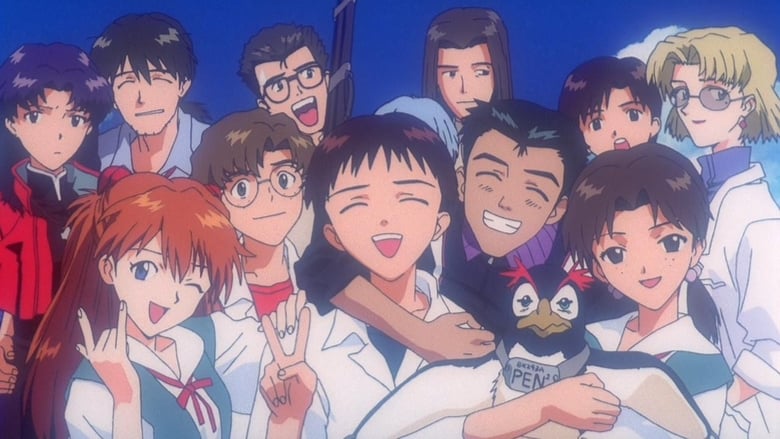
Neon Genesis Evangelion: The End of Evangelion
1997
-
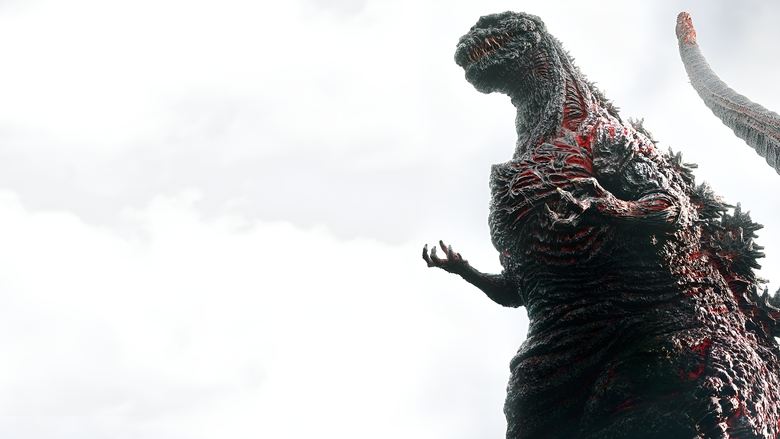
Shin Godzilla
2016
-
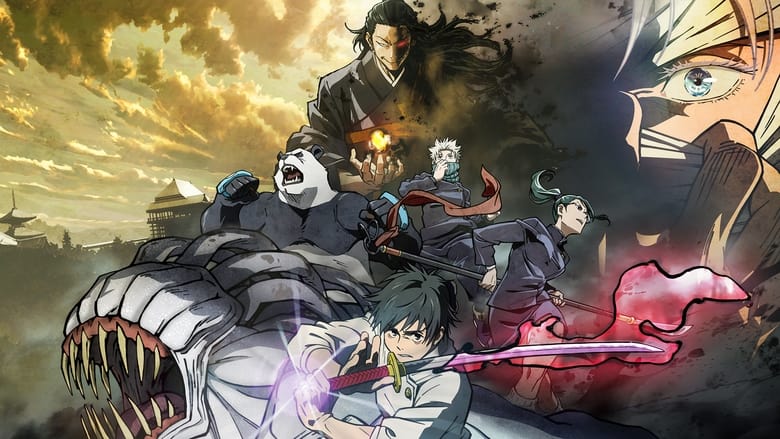
Jujutsu Kaisen 0
2021
-
The Boy and the Beast
2015
-
Batman vs. Robin
2015
-

Dragon Ball Super: Broly
2018
-
Dragon Ball Super: Super Hero
2022
-
Justice League vs. Teen Titans
2016
-
My Hero Academia: Two Heroes
2018
-

Spider-Man: Across the Spider-Verse
2023
-
The Wild Robot
2024
-

Cowboy Bebop: The Movie
2001
-

A Taxi Driver
2017
-

I Want to Eat Your Pancreas
2018
-

My Hero Academia: Heroes Rising
2019
-

A Whisker Away
2020
-

Suzume
2022