F9
"Blood burns hotter than gasoline."

I remember sitting in the theater for F9, squinting through the dim light at the person in front of me who kept checking their fitness tracker. Every time a car defied gravity or a building collapsed, their watch face glowed a bright, anxious green. It was a fitting metronome for a movie that feels like a two-hour-and-twenty-three-minute heart arrhythmia. We were all collectively holding our breath in 2021, emerging from the hushed isolation of the pandemic into the deafening, metallic embrace of Vin Diesel’s world.
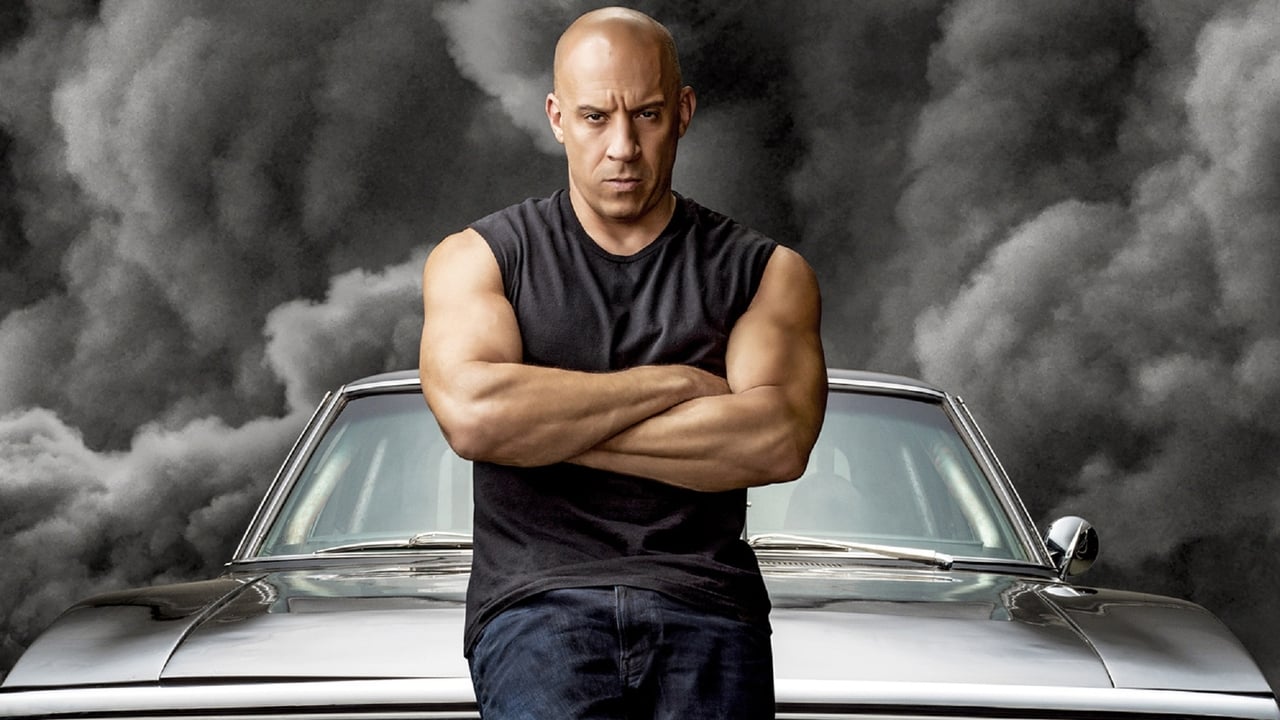
For a franchise that started with stealing DVD players, F9 represents the moment the series fully ascended into a modern mythos—one where the stakes are no longer just about the quarter-mile, but about the crushing weight of a past that refuses to stay buried in the rearview mirror.
The Shadow of the 1989 Racetrack
While the marketing screamed about magnets and space travel, the actual soul of F9 is surprisingly somber. Justin Lin, returning to the director's chair after a two-film hiatus, grounds the spectacle in a gritty, grease-stained flashback to 1989. These scenes, shot with a muted, grainy texture that feels worlds away from the neon-soaked streets of Tokyo Drift (2006), give us the origin of the Toretto fracture.
We see a young Dom (Vinnie Bennett) and a young Jakob (Finn Cole) witnessing their father’s death on the track. It’s a moment of unvarnished trauma that recontextualizes Dom’s obsession with "Family" as a desperate defensive mechanism rather than just a meme-worthy catchphrase. When the present-day Jakob Toretto emerges in the form of John Cena, he doesn’t feel like a standard-issue villain. He’s a ghost. Cena plays the role with a rigid, simmering resentment; he’s a man who has spent twenty years practicing a scowl in the mirror just to spite his older brother. The tension between him and Diesel is thick and heavy, lending a necessary gravity to a film that otherwise threatens to float away into the stratosphere.
Magnets, Malice, and Massive Logistics
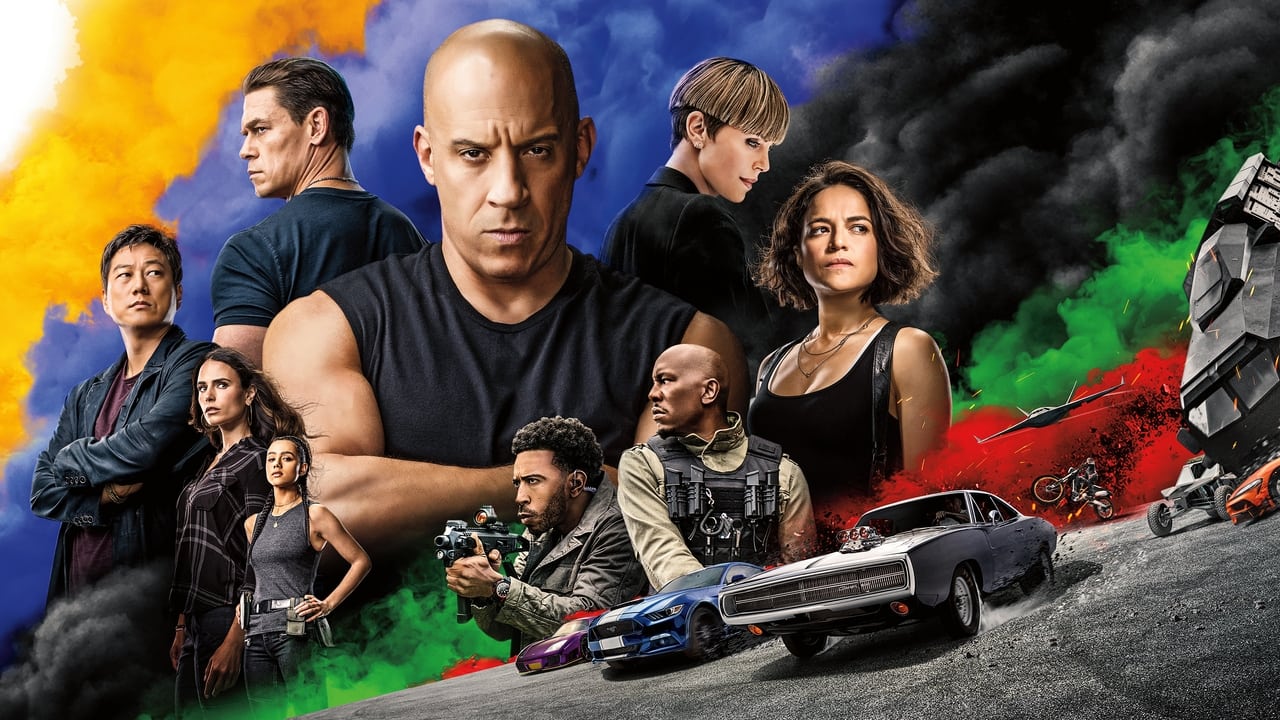
The action in F9 is an exercise in escalating absurdity, yet there is a tactile, physical cost to the chaos. Take the massive "Armadillo" truck sequence in Edinburgh. Justin Lin’s team reportedly spent eight months of prep and four days of shooting just to nail a four-second shot where a car is pulled through a building window by a high-powered magnet. That’s the kind of obsessive craft I appreciate—spending millions of dollars to make physics look like a suggestion rather than a law.
There’s a specific crunch to the sound design here—the groan of warping metal and the high-pitched whine of the electromagnets—that makes the CGI-heavy sequences feel grounded in a weird, hyper-real logic. I found myself particularly drawn to the way Michelle Rodriguez handles Letty in this outing. She brings a weary, battle-hardened edge to the stunts; you can see the exhaustion in her posture even when she’s jumping off a collapsing bridge. It’s a reminder that while the cars might be invincible, the people inside them are increasingly frayed.
Justice for Han and the Pandemic Pivot
One cannot discuss F9 without acknowledging the cultural heavy lifting it did for the "Justice for Han" movement. The return of Sung Kang was a direct response to a vocal, social-media-driven fanbase that felt the character was discarded too easily in Furious 7 (2015). His reintroduction is handled with a quiet, almost melancholic grace that contrasts sharply with the "Etsy-built" rocket car piloted by Tyrese Gibson and Ludacris.
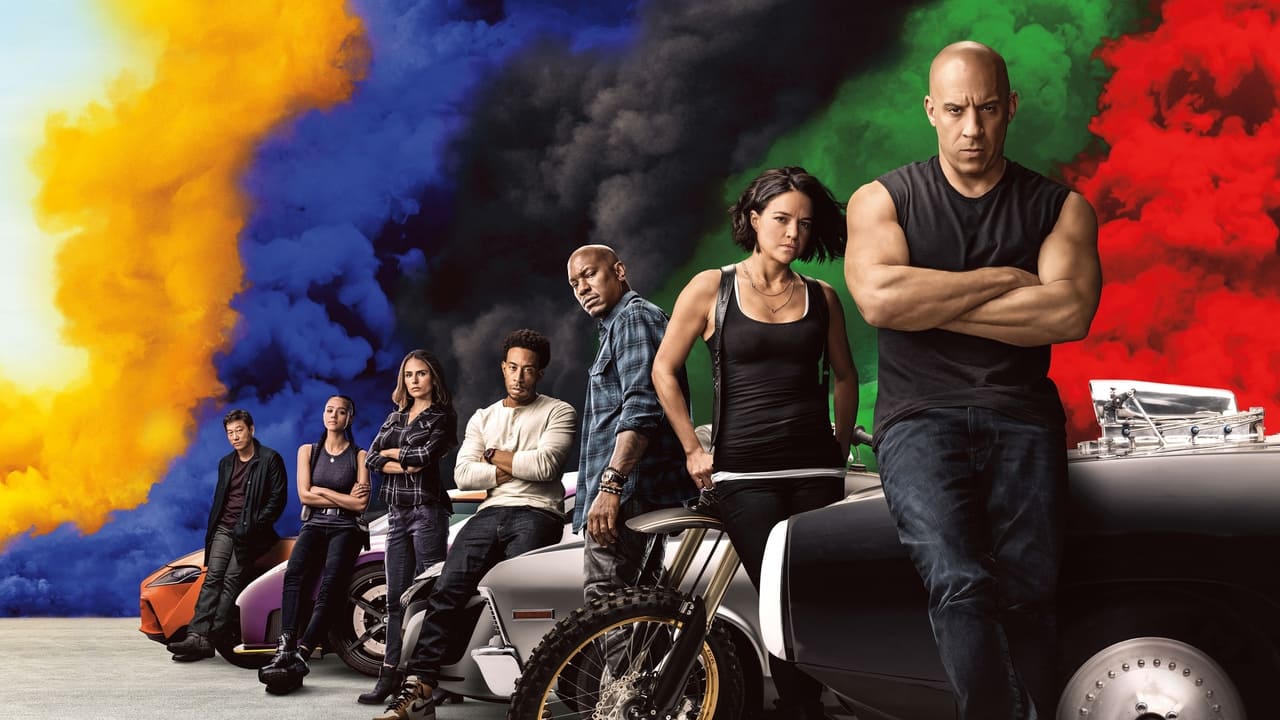
Released at a time when the theatrical experience felt fragile, F9 served as a $726 million proof-of-concept that audiences still wanted the communal gasp of a big-screen stunt. It didn't care about the "prestige" of the streaming-first models that were dominating the 2021 conversation; it wanted to be loud, it wanted to be seen in IMAX, and it wanted to remind us that some movies are meant to be felt in our chest cavities. The film leans into the franchise saturation by bringing back the Tokyo Drift crew (Lucas Black, Bow Wow, and Jason Tobin), effectively turning the movie into a high-speed family reunion where everyone is packing heat.
The film struggles under its own gargantuan weight at times, with a plot that requires a PhD in Toretto-genealogy to fully track, and an ending that feels more like a placeholder for the next chapter than a true resolution. Yet, there’s an undeniable sincerity in its madness. It’s a film that asks you to believe a Pontiac Fiero can survive the vacuum of space while simultaneously asking you to care about the fractured bond between two brothers. I don't think it quite reaches the emotional heights of Furious 7, but as a testament to the sheer, stubborn endurance of the blockbuster era, it’s a fascinating, metal-twisting ride. If you can stomach the logic leaps, the view from the top is spectacular.
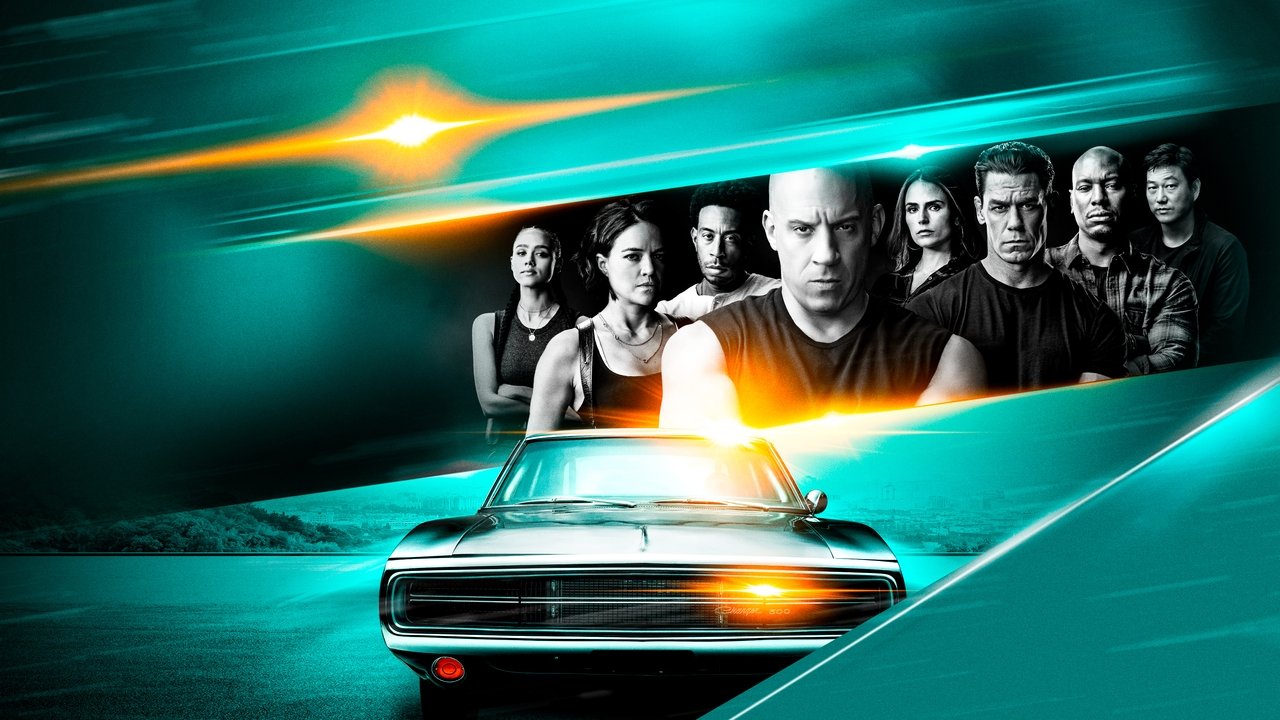
Keep Exploring...
-
Fast X
2023
-
Fast Five
2011
-
Furious 7
2015
-
Fast & Furious 6
2013
-
The Fate of the Furious
2017
-
Fast & Furious
2009
-

The Fast and the Furious: Tokyo Drift
2006
-
The Fast and the Furious
2001
-
2 Fast 2 Furious
2003
-
xXx: Return of Xander Cage
2017
-
Star Trek Beyond
2016
-
Kingsman: The Golden Circle
2017
-
The Bad Guys
2022
-

Bad Boys: Ride or Die
2024
-
Maze Runner: The Death Cure
2018
-
John Wick: Chapter 3 - Parabellum
2019
-
Bad Boys for Life
2020
-
No Time to Die
2021
-

The Beekeeper
2024
-
Batman vs. Robin
2015