Fear Street: 1666
"The past never stays buried; it just rots."
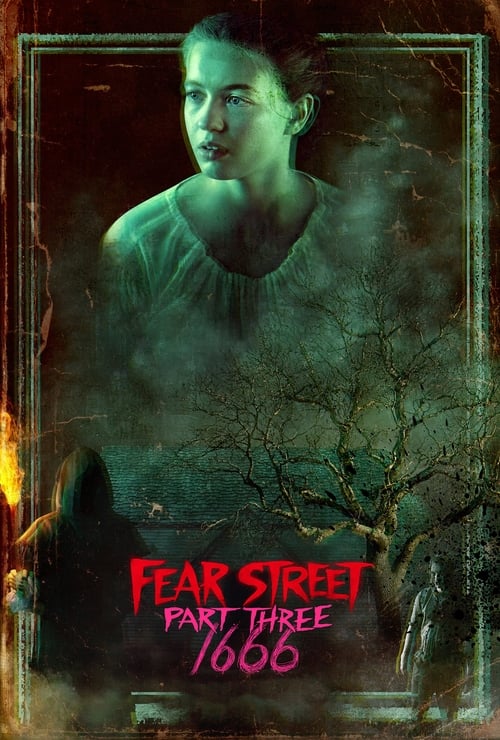
The air in the settlement of Union smells like damp earth, unwashed wool, and the creeping rot of a collective psyche pushed to the brink. When I sat down to finish the Fear Street trilogy, I wasn’t expecting a full-blown folk horror immersion that felt more like Robert Eggers’ The Witch than the neon-soaked slasher homages of the first two installments. I actually watched this final chapter on a Tuesday night while my roommate’s cat, Barnaby, spent the entire 1666 sequence trying to bat at the CGI flies buzzing around the colonial filth on my screen—an annoying but strangely immersive 4D experience.
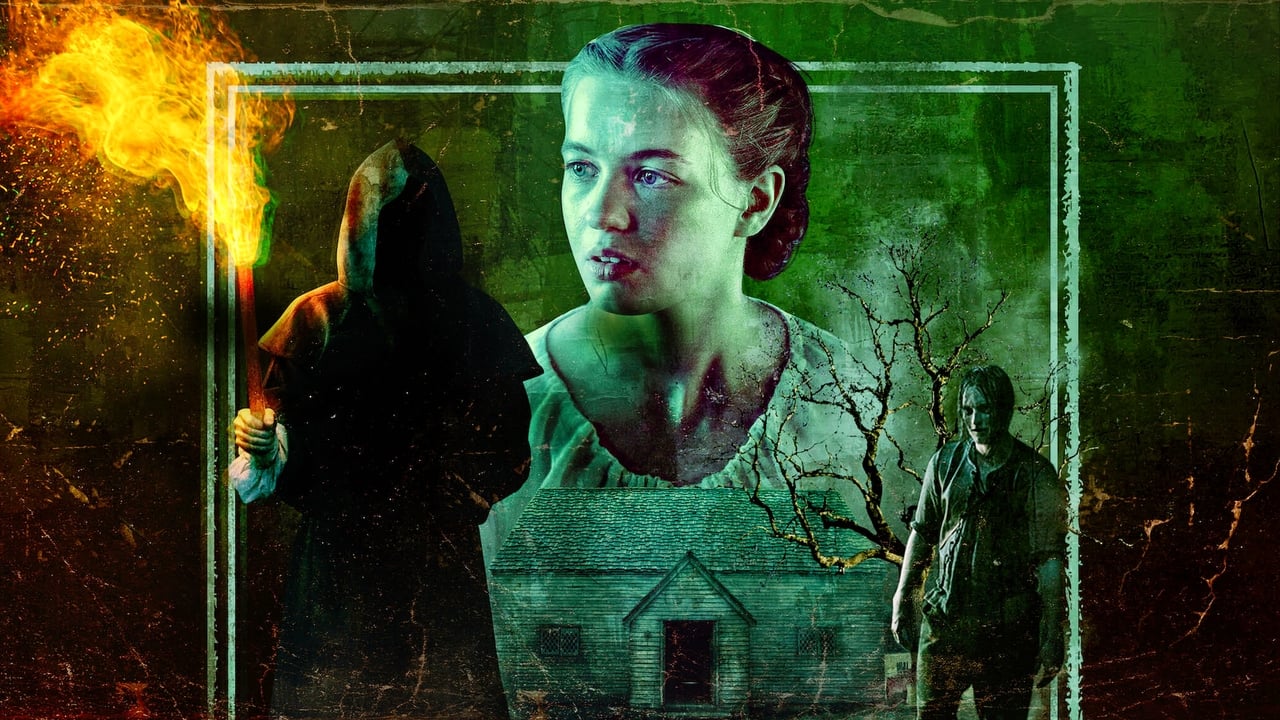
Fear Street: 1666 is the ambitious, grim, and surprisingly moving conclusion to Leigh Janiak’s trilogy. While 1994 was a riff on Scream and 1978 channeled Friday the 13th, this third act pulls a daring bait-and-switch. It spends its first hour in the mid-17th century, using the same ensemble cast from the previous films to play their own ancestors. It’s a clever bit of "streaming era" storytelling—using familiar faces to build immediate empathy in a setting that usually feels distant and academic.
A Pivot into Folk Horror
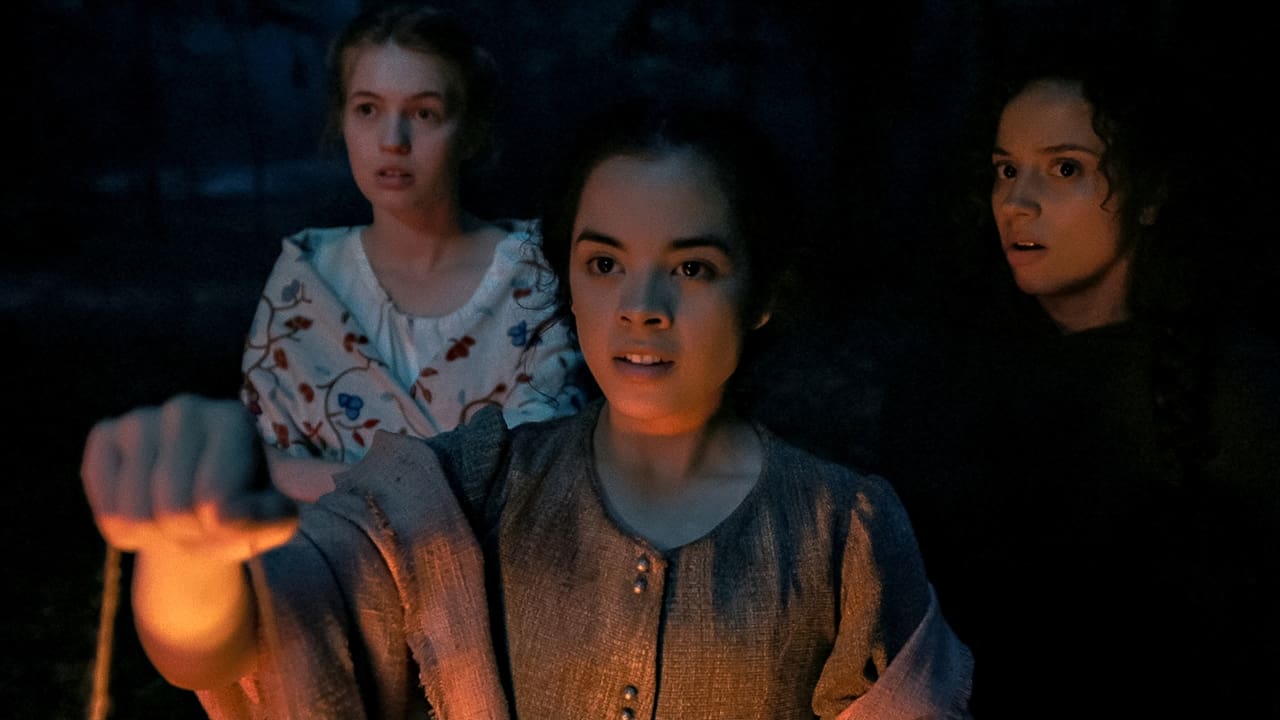
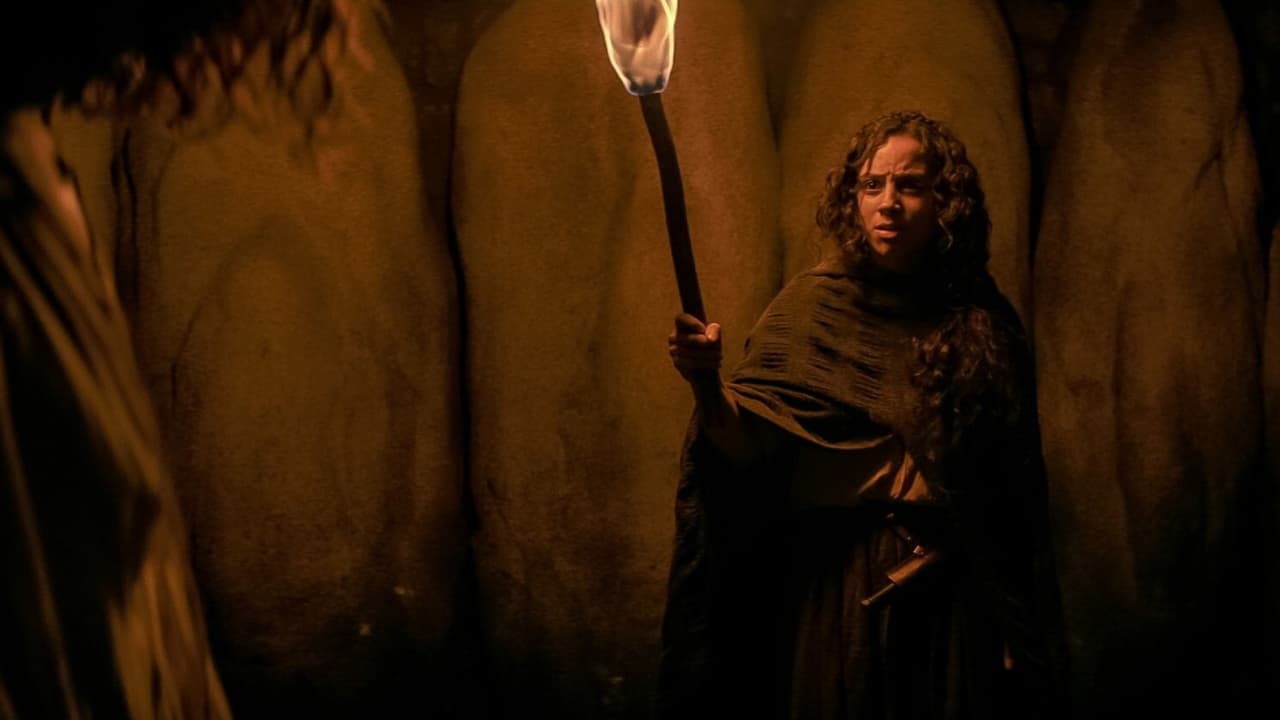
The shift in tone is jarring in the best way possible. Gone are the needle drops of Alice Cooper or Nine Inch Nails; in their place is a brooding, discordant score by Marco Beltrami (Scream, A Quiet Place) that feels like a serrated knife against the throat. Kiana Madeira takes center stage as Sarah Fier, and she carries the weight of a woman who isn't a witch, but rather a victim of a town that needs a monster to explain its own failures.
The horror here isn't found in a masked killer behind a tree, but in the frantic, wide-eyed hysteria of a "godly" community turning on its own children. The cinematography by Caleb Heymann trades the vibrant mall lights of the first film for a palette of muddy browns and oppressive charcoal grays. When the violence finally erupts, it’s unglamorous and deeply upsetting. There is a scene in a darkened meeting house that features some of the most genuinely disturbing practical gore of the last decade, proving that Leigh Janiak wasn't just playing with genre tropes—she was waiting for the right moment to actually hurt us.
The Ghost of Systemic Injustice
What makes 1666 resonate in our current cultural moment is how it reframes the entire trilogy’s mythology. For two movies, we were told Sarah Fier was a vengeful witch. This film reveals that the "curse" of Shadyside wasn't born from a woman’s malice, but from a man’s deal for power. Ashley Zukerman (who some might recognize from Succession) delivers a chilling performance as Solomon Goode. His transition from a grieving widower to the architect of a century-spanning atrocity is handled with a cold, corporate-like pragmatism that feels terrifyingly modern.
The film acts as a sharp critique of historical revisionism. It suggests that the monsters we fear are often fabrications designed to protect those in power. By having Kiana Madeira and Olivia Scott Welch play out a forbidden queer romance in 1666 that mirrors their struggle in 1994, the screenplay by Leigh Janiak and Kate Trefry argues that the "bad luck" of certain neighborhoods or groups isn't accidental—it's engineered. It’s a heavy theme for a movie that also features a scene where a guy gets his head shoved into a bread slicer (technically in 1994, but the resonance holds).
Ending the Cycle
Once the truth is revealed in the past, the film catapults back to the 90s for a neon-drenched finale. This is where the franchise’s "all-in" streaming strategy pays off. We’ve spent nearly six hours with these characters, and the final showdown in the Shadyside Mall feels earned. Benjamin Flores Jr. as Josh provides a much-needed grounded energy, while Darrell Britt-Gibson brings a weary, cynical charm to the role of Martin.
The practical effects in the finale are a delight for horror purists. We see the return of the various killers from the previous films—the Milkman, the Nightwing Killer, Ruby Lane—and their designs remain iconic. Seeing them all converge in a brightly lit mall creates a surreal, nightmare-logic atmosphere that feels like a fever dream. The movie manages to stick the landing, which is no small feat for a trilogy shot back-to-back during a period of massive industry upheaval and pandemic delays.
While some might find the Irish-adjacent accents of the 1666 segment a bit "high school play," I found they added to the fable-like quality of the story. It isn't trying to be a historical document; it’s a dark fairy tale about the blood that soaked the foundation of the American dream. This trilogy was a bold experiment for Netflix, and while it occasionally gets lost in its own lore, 1666 provides a climax that is as emotionally satisfying as it is gruesome. It’s a rare horror finale that cares as much about the survivors' trauma as it does about the killers' body count.
Fear Street: 1666 is the rare franchise closer that actually makes the preceding chapters better. It’s a grim, unflinching look at how the powerful exploit the marginalized, wrapped in the skin of a high-octane slasher. If you’ve been avoiding this because it looks like "teen horror," you’re missing out on some of the most cohesive and socially conscious genre filmmaking of the streaming age. Just keep an eye out for flies—both the digital ones and the ones your cat might try to hunt.
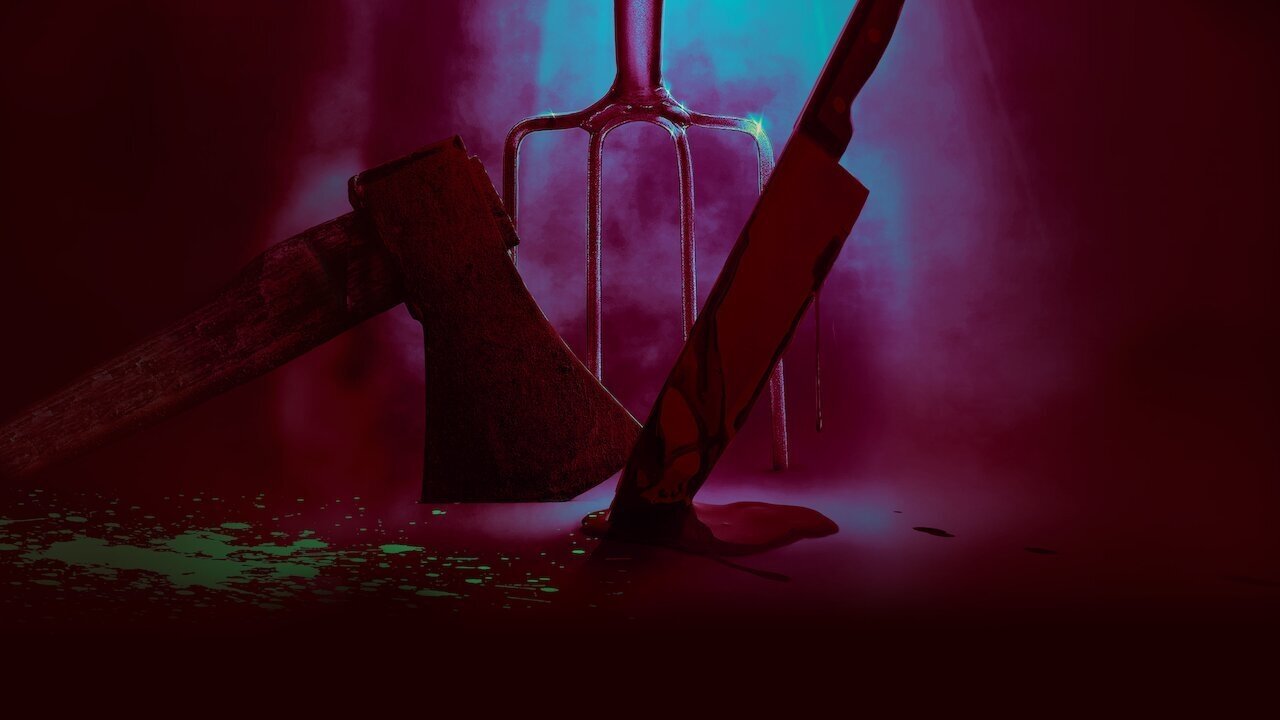
Keep Exploring...
-
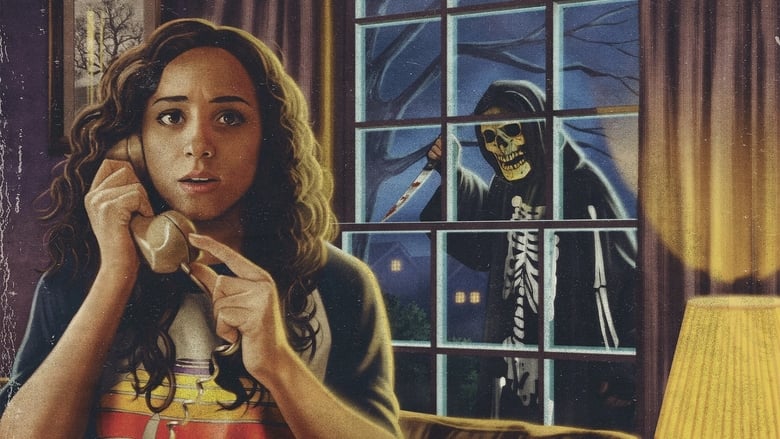
Fear Street: 1994
2021
-
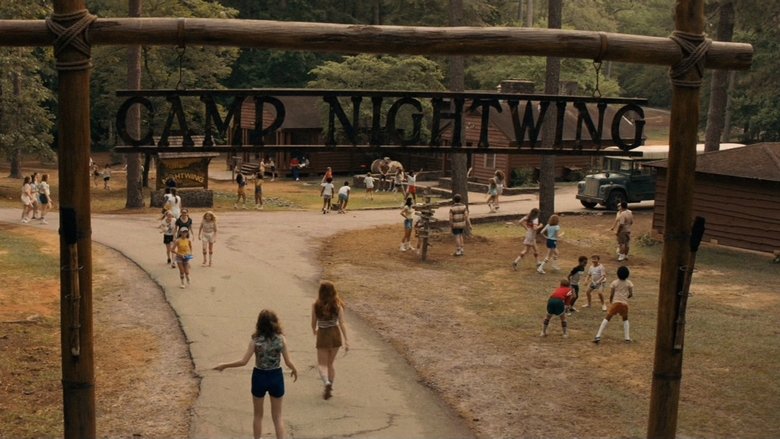
Fear Street: 1978
2021
-
The Wailing
2016
-
Marrowbone
2017
-
Gonjiam: Haunted Asylum
2018
-
Get Out
2017
-
Hereditary
2018
-
Midsommar
2019
-
The Conjuring: The Devil Made Me Do It
2021
-
Saw X
2023
-

Final Destination Bloodlines
2025
-

Weapons
2025
-
Color Out of Space
2020
-
The Empty Man
2020
-

The Lodge
2020
-
Mr. Harrigan's Phone
2022
-
Watcher
2022
-
Thanksgiving
2023
-
Immaculate
2024
-
Until Dawn
2025