Fear Street: 1978
"At Camp Nightwing, the only tradition is dying."
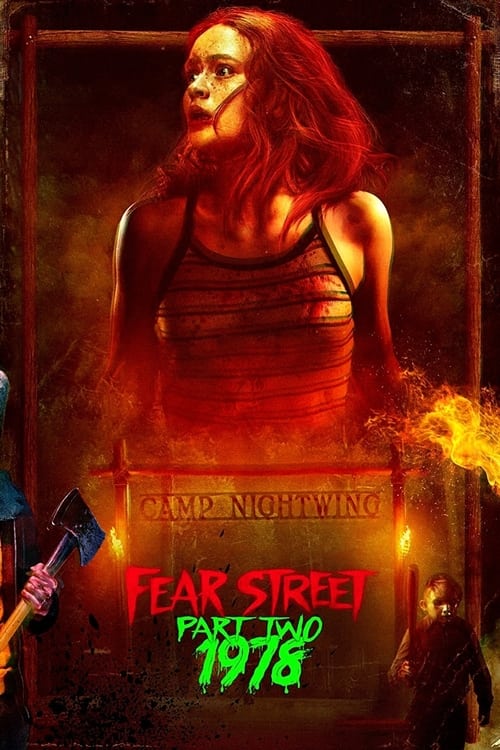
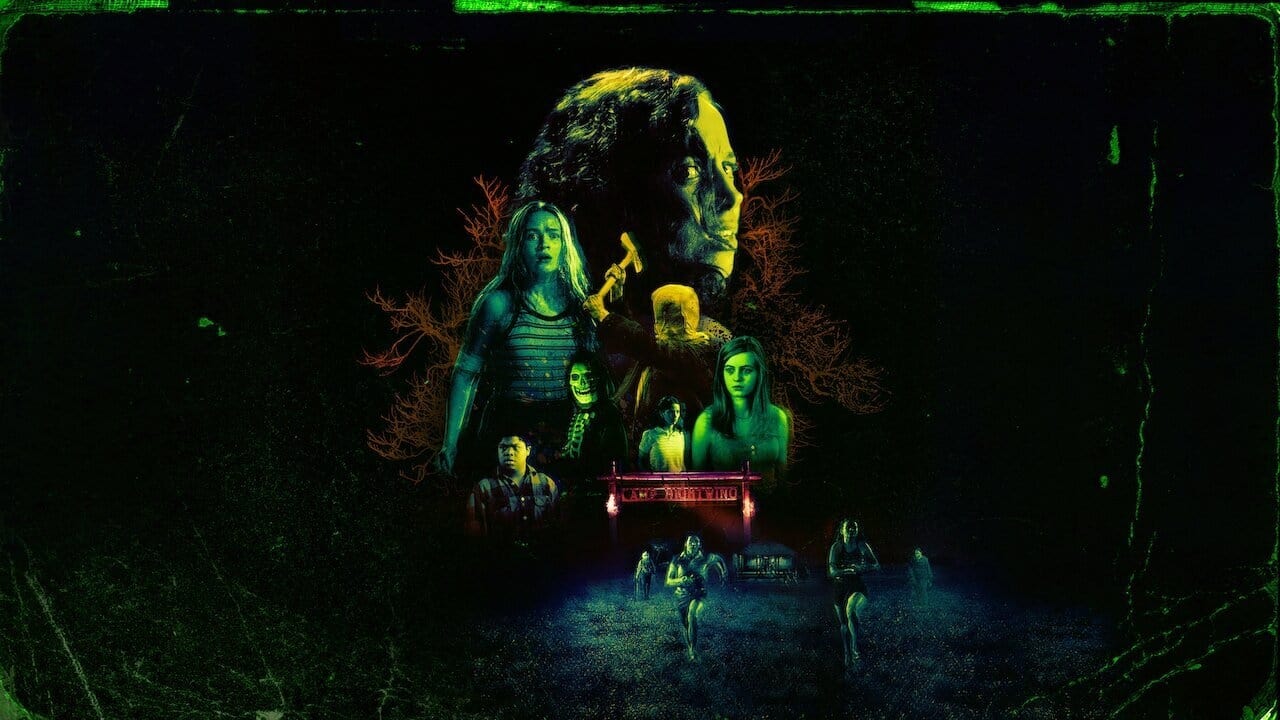
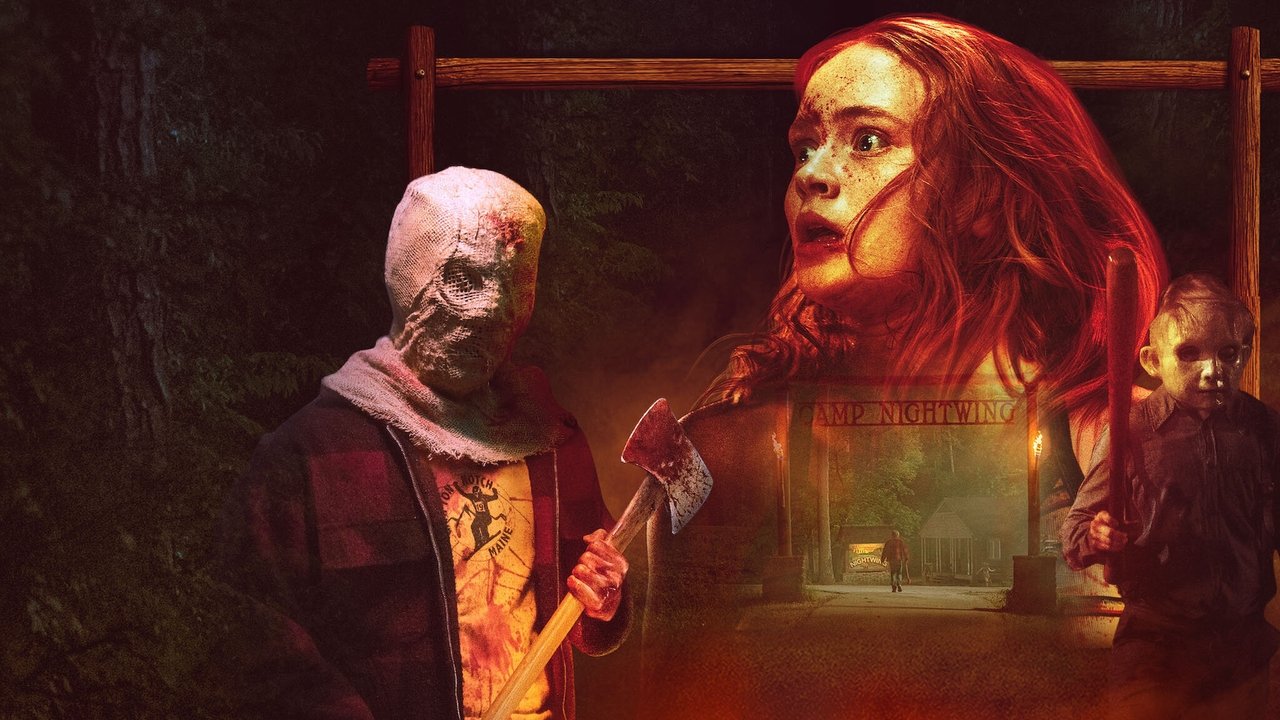
I watched Fear Street: Part Two: 1978 on a humid Tuesday night while my apartment’s radiator was making a rhythmic, metallic clanking sound. Normally, that would drive me up the wall, but in the context of a 70s-set slasher, it felt like an accidental 4D experience—as if the camp’s boiler was about to blow or a psycho was tapping on the pipes. It’s a testament to the film’s oppressive atmosphere that I didn't even try to fix it; I just let the dread sink in.
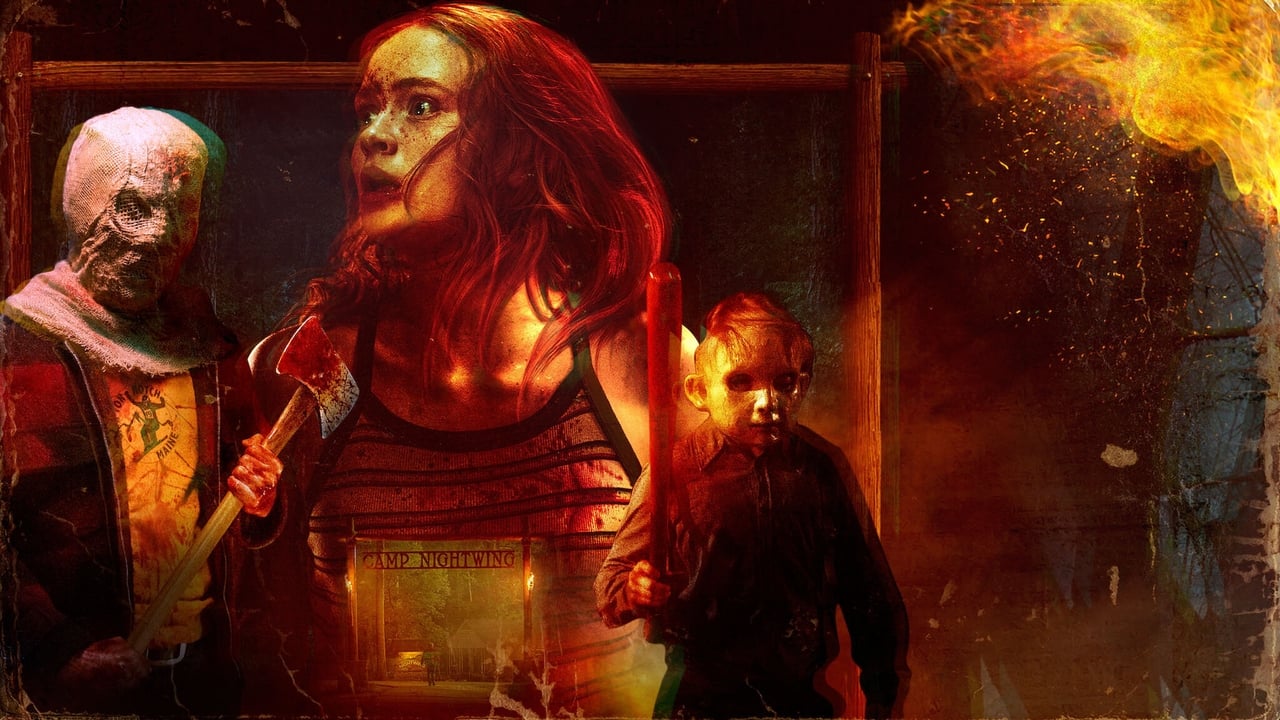
When Netflix announced they were dropping a trilogy of horror films over three consecutive weeks in 2021, I was skeptical. We’re living in an era of franchise bloat and "content" being churned out like fast food. But Leigh Janiak (who showed her chops with the claustrophobic Honeymoon) pulled off something rare: she made the middle chapter of a trilogy the undisputed peak of the mountain. While the first installment was a neon-soaked 90s nostalgia trip, 1978 is a much meaner, grittier beast that understands exactly why we’re still obsessed with the slashers of the Carter era.
A Streaming Experiment That Actually Bled
In the current landscape of streaming cinema, where movies often feel like they were shot on a gray-filtered soundstage with the lighting set to "unseen," 1978 feels refreshingly physical. It’s an unapologetic homage to Friday the 13th and Sleepaway Camp, but it refuses to just play the hits. It leans into the cultural context of the "Shadyside vs. Sunnyvale" rivalry, turning a camp color war into a bitter metaphor for class struggle and generational trauma.
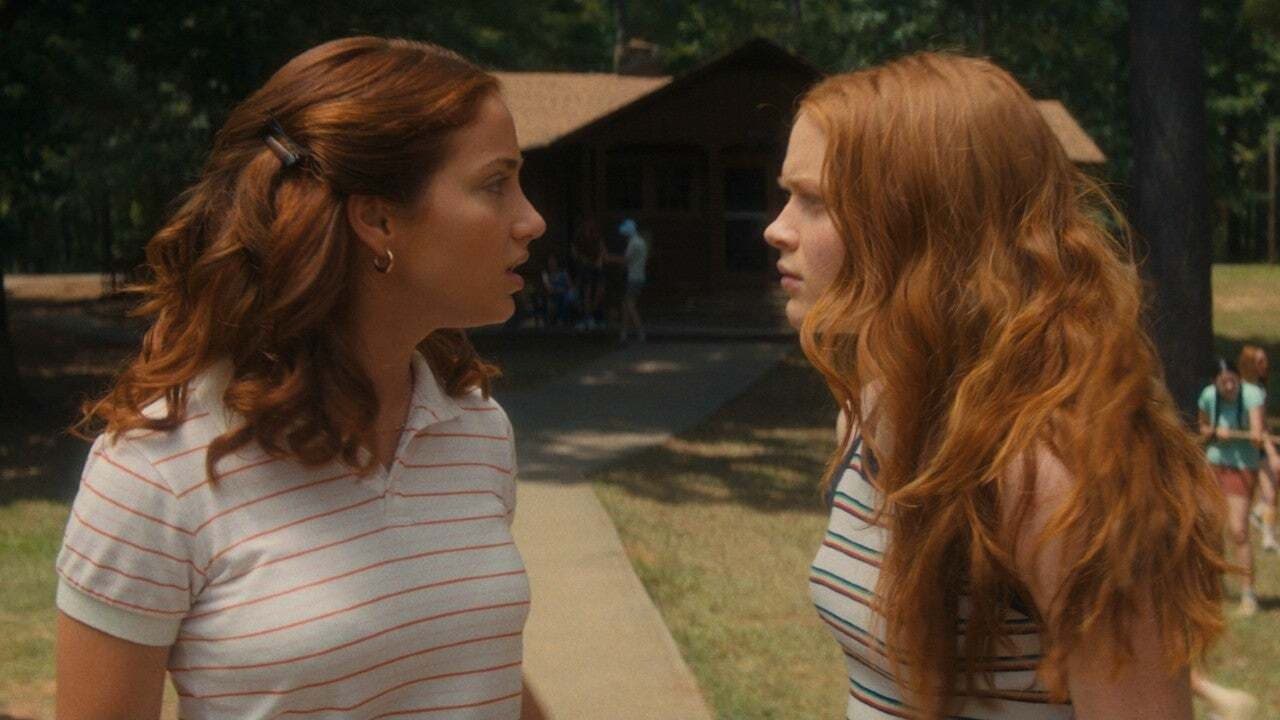
The story follows the Berman sisters—the rebellious Ziggy, played by a fierce Sadie Sink, and the "perfect" Cindy, played by Emily Rudd. They’re stuck at Camp Nightwing when the local curse decides to turn the local golden boy, Tommy Slater (McCabe Slye), into an axe-wielding engine of destruction. Sadie Sink is the absolute MVP here. Before she was escaping Vecna in Stranger Things, she was proving that she could carry a horror film with a raw, jagged vulnerability that makes you actually care if she survives. Most modern slashers are too afraid to kill characters we actually like, but Leigh Janiak isn't, and that’s what gives the film its stakes.
The Practicality of the Kill
One of the standout elements is the refusal to lean on cheap CGI. Horror fans are a fickle bunch—we can smell a digital blood splatter from a mile away and it immediately pulls us out of the tension. The effects team here went for practical ingenuity, using the kind of thick, corn-syrup gore that feels heavy and wet. When the axe falls, you feel the weight of it. The cinematography by Caleb Heymann (who also lensed Stranger Things) uses the natural shadows of the Georgia woods to create a sense of sprawling, inescapable darkness. It’s not just "dark" to hide a low budget; it’s dark because that’s where the monsters live.
The score by Marco Beltrami (the man behind the iconic Scream music) and Brandon Roberts does a lot of heavy lifting here. It avoids the temptation to just play a "Greatest Hits of 1978" jukebox and instead builds a discordant, pulsing dread. Of course, there are the mandatory needle drops—Nirvana (a cover), Kansas, and Blue Öyster Cult—but they’re used to punctuate the tragedy rather than just fill silence.
A Cult Found in the Gaps
What makes the Fear Street collection feel like a burgeoning cult classic is the way it was consumed. During that three-week release window, social media was a frenzy of theories. Because the trilogy was filmed back-to-back (a massive logistical undertaking by Chernin Entertainment), the clues were buried deep. Fans were pausing frames to read the names on the mall floor or the dates on gravestones. It turned the viewing experience into a collective mystery-solving event, something that feels rare in an age where we usually binge a whole season in a Saturday afternoon and forget it by Monday.
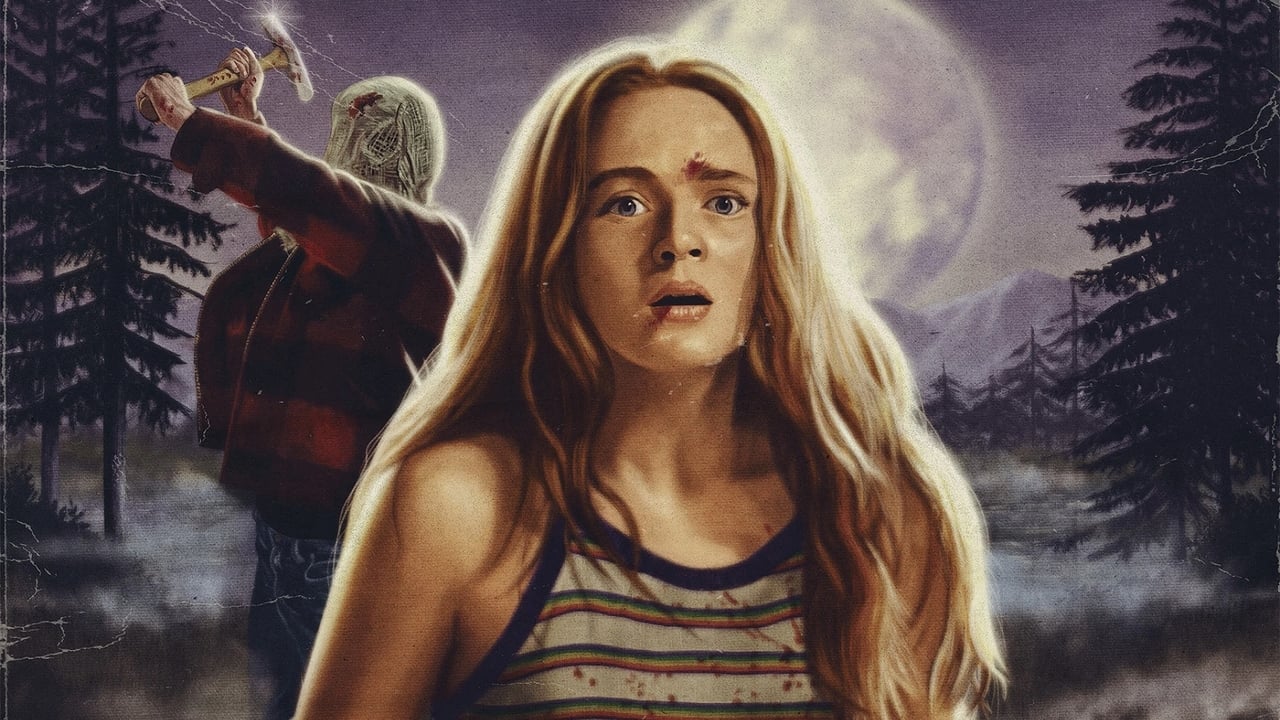
The film does occasionally stumble into the "legacy sequel" trap of over-explaining its own mythology. We spend a lot of time in a subterranean tunnel system that feels a bit more like a theme park attraction than a real place, but it’s a small price to pay for the character work. The relationship between Ziggy and Ryan Simpkins’ Alice—a drug-dealing, cynical Shadysider—is surprisingly poignant. It’s these human moments that make the inevitable body count feel like a tragedy rather than a punchline.
Ultimately, Fear Street: 1978 succeeds because it respects its roots without being a slave to them. It’s a brutal, high-stakes slasher that understands that horror works best when you’re terrified for the person holding the flashlight. It’s a standout in the 2020s horror boom, proving that even in the age of streaming "content," you can still find a movie with a soul and a sharp, bloody edge. Turn the lights off, ignore your radiator, and enjoy the carnage.
Keep Exploring...
-
Fear Street: 1666
2021
-
Fear Street: 1994
2021
-
Hereditary
2018
-
Midsommar
2019
-
Last Night in Soho
2021
-
Ghostland
2018
-
The Conjuring: The Devil Made Me Do It
2021
-
Saw X
2023
-

Weapons
2025
-
A Cure for Wellness
2017
-
Suspiria
2018
-
Escape Room: Tournament of Champions
2021
-
Malignant
2021
-

Old
2021
-
Knock at the Cabin
2023
-
The Wailing
2016
-
Get Out
2017
-
Marrowbone
2017
-

Final Destination Bloodlines
2025
-
Nerve
2016