Finch
"Building a future for a very good boy."
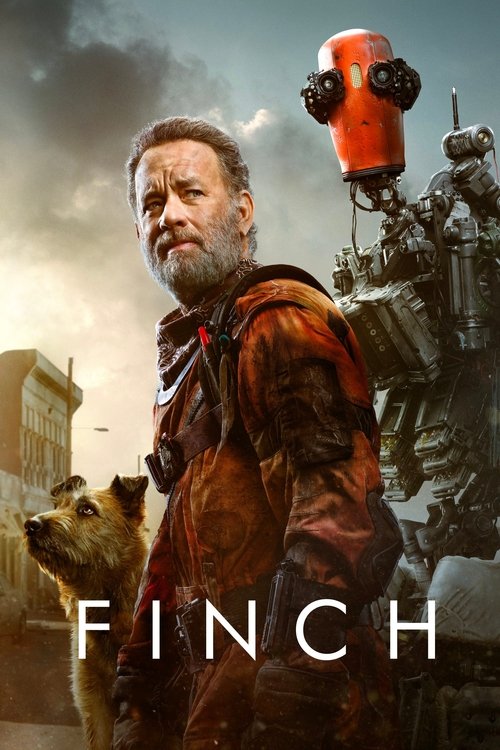
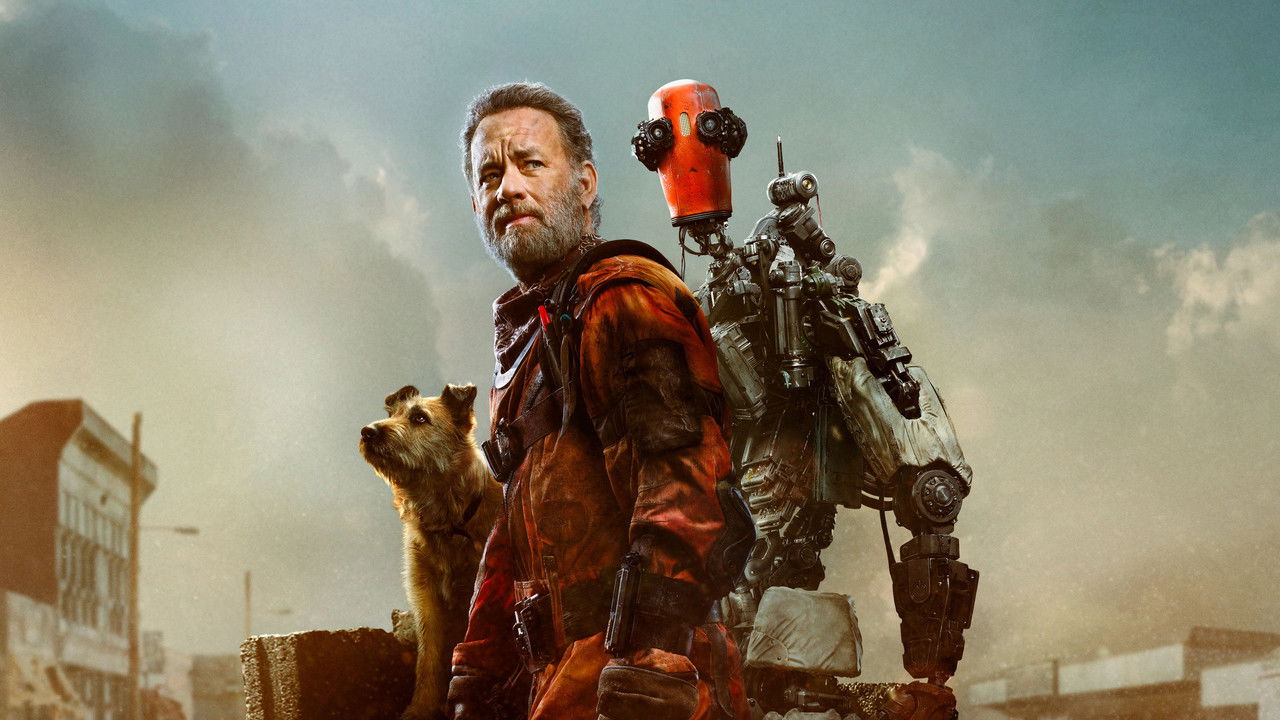
The sun is no longer a friend in Miguel Sapochnik’s Finch. It is a localized, ultraviolet executioner. In the opening minutes, we see Tom Hanks—the patron saint of the cinematic everyman—scavenging through a dusty, skeletal supermarket while wearing a suit that looks like a cross between a NASA prototype and a high-end hazmat kit. The world hasn't just ended; it’s been bleached.
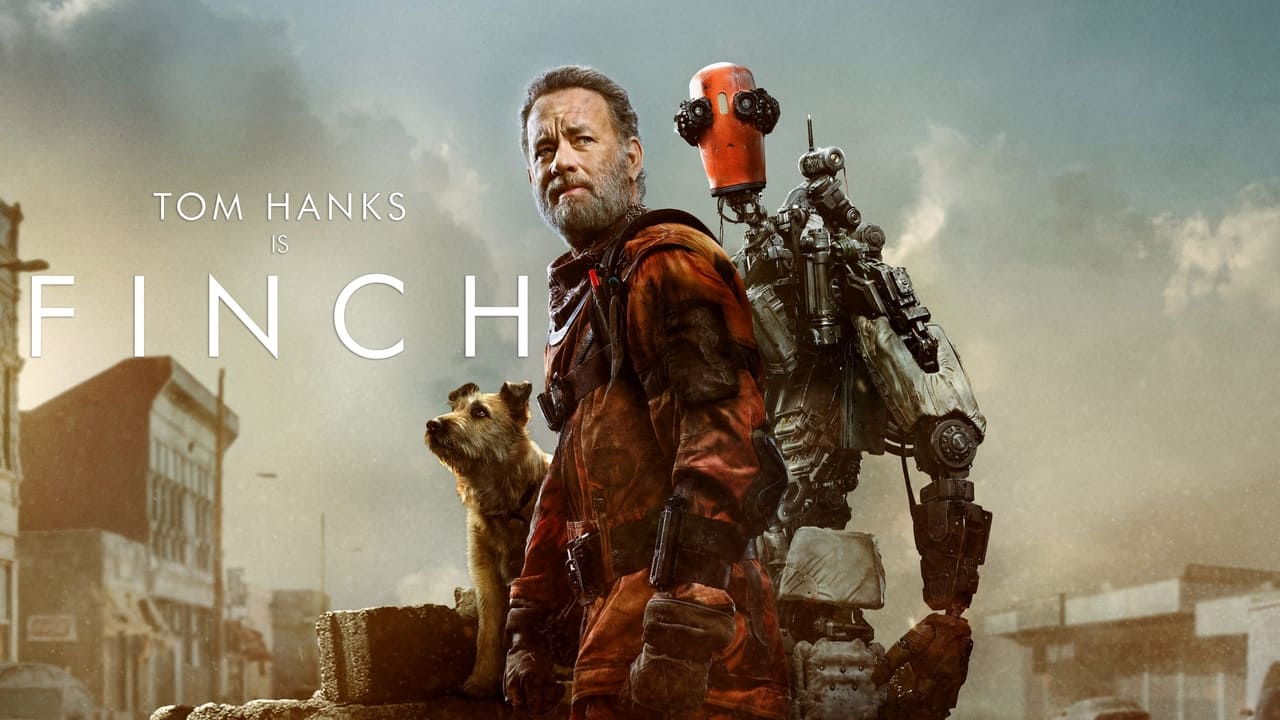
Released in 2021 as an Apple TV+ exclusive, Finch arrived at a moment when we were all a bit allergic to the idea of isolation. We’d spent a year staring at our own four walls, and here was a movie about a man doing the same, albeit with a much higher stakes "don't go outside" rule. I watched this on a Tuesday night while my radiator was clanking in a rhythmic, metallic wheeze that made me feel like I had a third robot protagonist in the room with me. That strange, domestic claustrophobia actually helped; Finch is a massive sci-fi spectacle that chooses to live in the small, quiet spaces of the heart.
The Last Dad on Earth
Finch Weinberg is an engineer who survived the solar flare that turned the Earth into a rotisserie oven, but his clock is ticking. He’s dying of radiation poisoning, and his primary concern isn't his own legacy or the fate of the species—it's who will feed his dog, Goodyear. It is the ultimate "Dad" motivation. To solve this, he builds Jeff (Caleb Landry Jones), a robot designed not just to function, but to care.
Tom Hanks is, predictably, the soul of the film. We’ve seen him survive a deserted island with a volleyball in Castaway (2000), so we know he can carry a narrative with zero human costars. Here, he’s grittier and more cynical, but he still possesses that innate warmth that makes you believe he’d spend his final days teaching a pile of circuitry how to tell a joke. Tom Hanks could have a chemistry-filled conversation with a damp sponge, and Finch relies entirely on that magic. He treats the dog and the robot with equal parts frustration and tenderness, anchoring a story that could have easily drifted into sentimental mush.
A Masterclass in Metallic Puberty
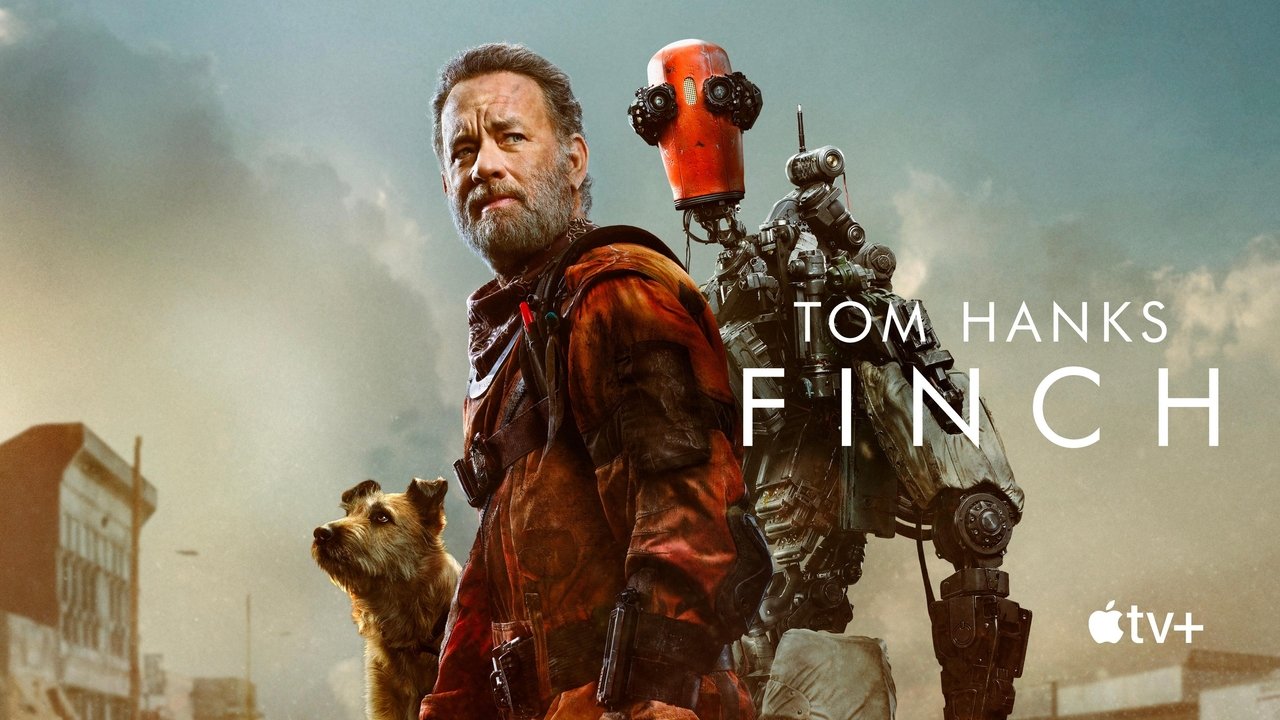
While Tom Hanks is the anchor, Caleb Landry Jones is the revelation. Jeff isn't your standard movie robot. He doesn't have the sleek, dead-eyed perfection of an android or the beeping utility of a droid. Through motion capture and a voice that sounds like a GPS unit going through a mid-life crisis, Caleb Landry Jones creates a character that feels like a gangly teenager.
Jeff starts as a literal "born yesterday" entity, stumbling over his own mechanical limbs and processing the world through a hilarious, literal-minded lens. The "cerebral" part of the film kicks in as Jeff evolves. He doesn't just learn data; he learns the nuance of human failure. There’s a beautiful, quiet tension in watching Finch try to download the concept of "trust" into a machine. You realize that Finch isn't just building a caretaker; he’s trying to condense the entirety of human experience into a few lines of code before his breath runs out.
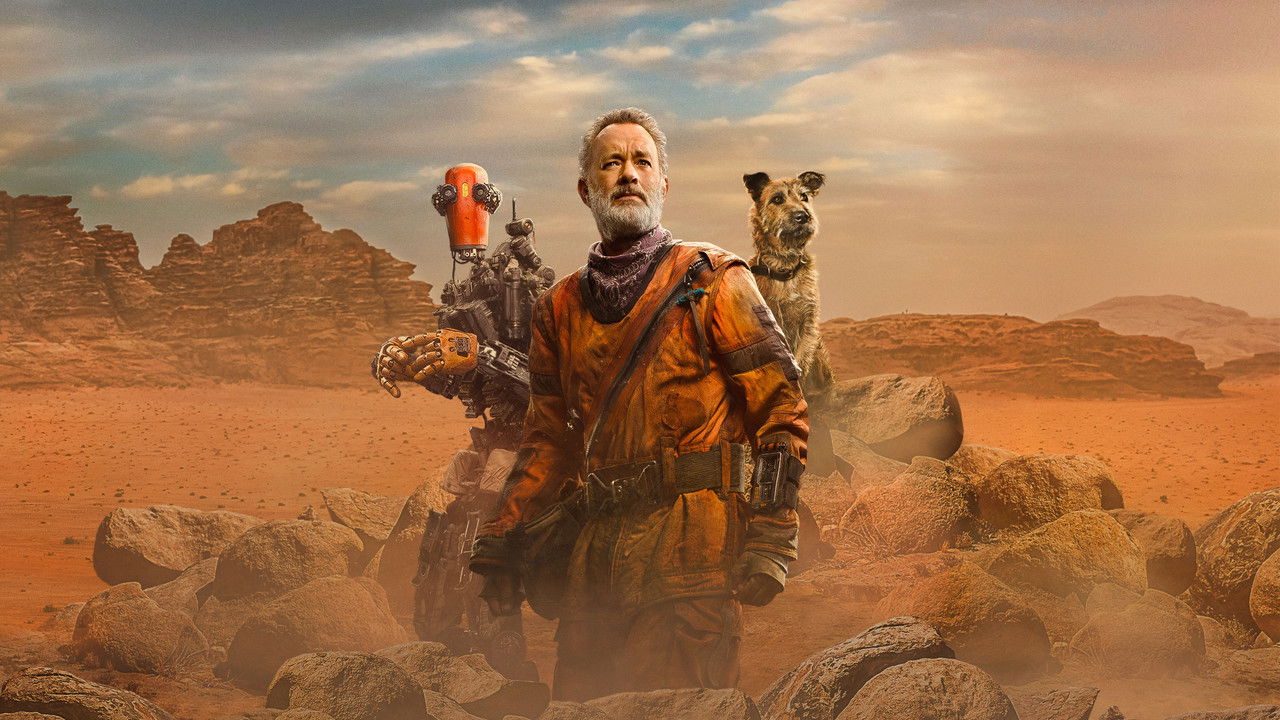
The cinematography by Jo Willems (The Hunger Games: Catching Fire) captures the scorched American West with a terrifying beauty. The dust storms feel heavy, and the lens flares are a constant reminder of the celestial threat above. It’s a "prestige" look that justifies its streaming-budget pedigree, even if the narrative beats feel familiar to anyone who’s seen a road-trip movie.
The Survival of the Kindest
In the current era of "franchise fatigue" and "multiverse madness," Finch feels like a bit of a throwback. It’s a standalone, mid-budget (though the prompt lists it at a suspiciously lean $2.5 million, the screen tells a much richer story) character study. It doesn't set up a sequel. It doesn't have a post-credits scene. It just asks: What do we leave behind?
The film was originally titled BIOS and slated for a theatrical release by Universal before the pandemic prompted the move to Apple. You can feel that "big screen" ambition in the set pieces—particularly a harrowing escape from a storm—but the film’s true strength is its intimacy. It’s a movie about the "streaming era" in the sense that it’s perfectly suited for a home environment where you can hug your own pet a little tighter as the credits roll.
It’s not a perfect film. The "scary" humans who remain in the shadows of the wasteland feel like a generic trope that the movie doesn't quite know what to do with. But when the focus stays on the trio in the RV—the dying man, the growing machine, and the very good dog—the film hits a frequency of genuine emotional authenticity.
Finch doesn't reinvent the post-apocalyptic wheel, but it polishes it until it shines. It’s a gentle, thoughtful piece of science fiction that prioritizes "being" over "doing." By the time the RV reaches the California coast, you aren't thinking about the CGI or the solar flares; you’re thinking about the stories we tell the people (and robots) we love. It’s a bittersweet journey that proves even at the end of the world, there’s still room for a little more growth.
Keep Exploring...
-
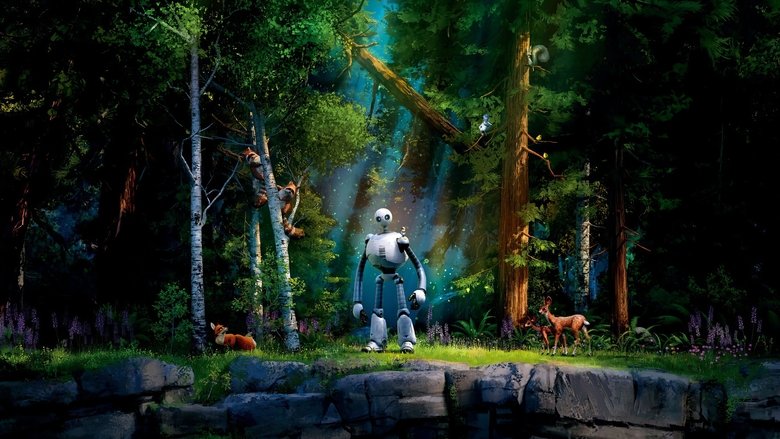
The Wild Robot
2024
-

Captain Fantastic
2016
-
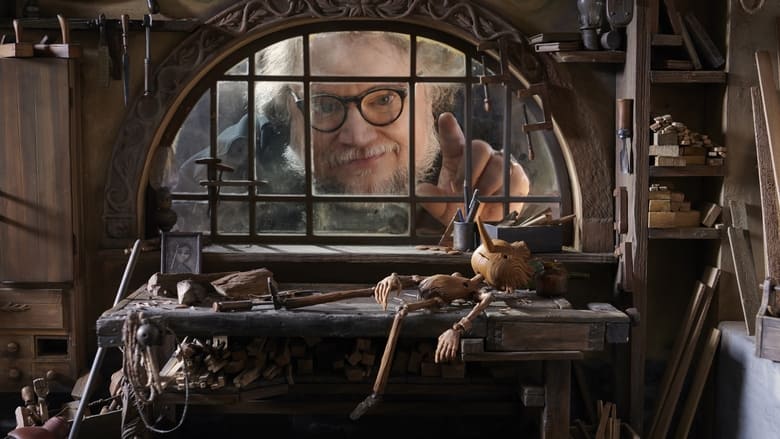
Guillermo del Toro's Pinocchio
2022
-
Justice League vs. Teen Titans
2016
-

Okja
2017
-
The Space Between Us
2017
-

A Dog's Journey
2019
-
News of the World
2020
-
The Call of the Wild
2020
-
Everything Everywhere All at Once
2022
-

Gran Turismo
2023
-

Guardians of the Galaxy Vol. 3
2023
-

Spider-Man: Across the Spider-Verse
2023
-
Arthur the King
2024
-
Dune: Part Two
2024
-
Transformers One
2024
-
Predator: Badlands
2025
-

Midnight Sun
2018
-
The Animal Kingdom
2023
-

Logan
2017