Friends: The Reunion
"The fountain of youth is just a reconstructed soundstage."
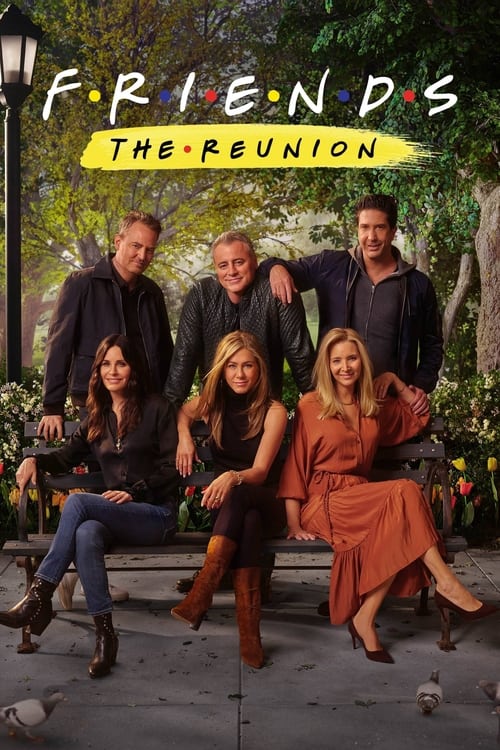
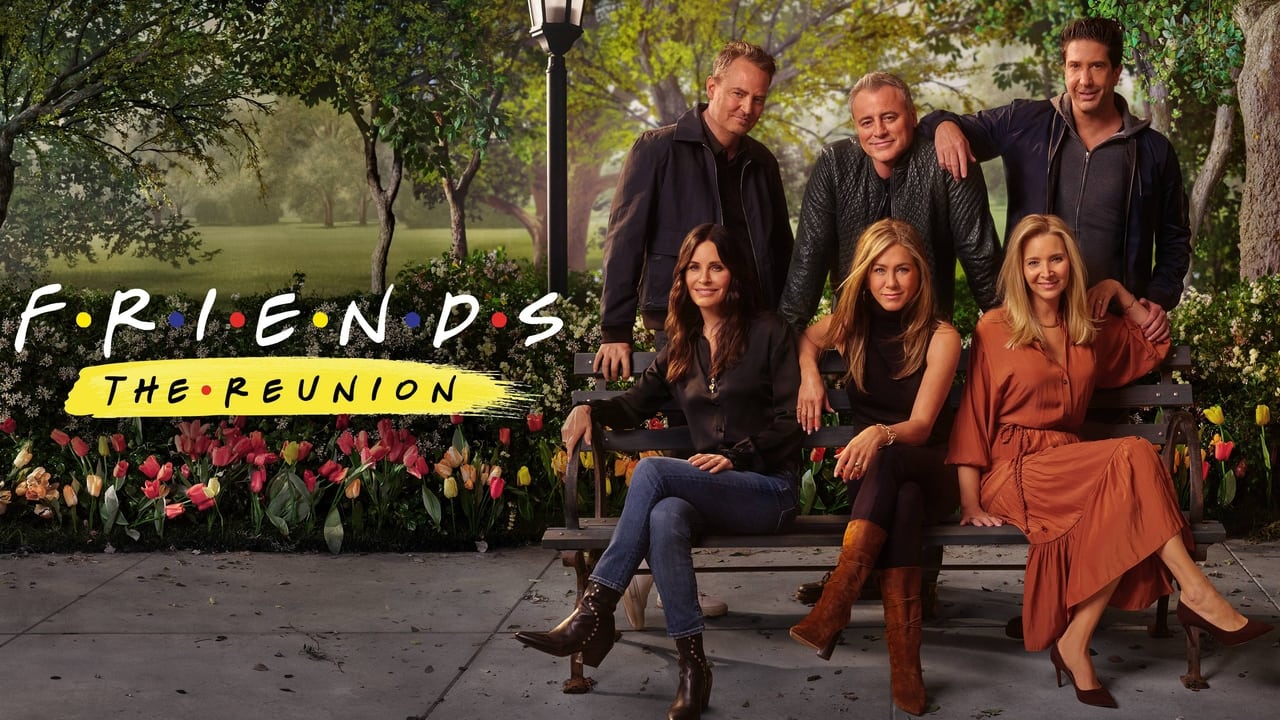
Walking onto Stage 24 at Warner Bros. is, for six specific people, the closest thing to time travel physically possible in this dimension. When the camera follows Jennifer Aniston as she pushes through the door of the reconstructed apartment, there’s a micro-expression of genuine, unscripted vertigo. It isn’t just nostalgia; it’s a confrontation with a ghost. I watched this special on a Tuesday morning while wearing a pair of socks with a hole in the big toe, and that minor domestic decay felt oddly appropriate. Here was a billion-dollar legacy sequel to a sitcom, designed to launch a streaming service, yet it couldn't escape the very human reality of saggy knees and raspy voices.

The Ghosts of Burbank
Released in the mid-2021 slipstream—a moment when the world was tentatively reopening and HBO Max was desperate for a "killer app"—Friends: The Reunion is an fascinating artifact of the streaming era. It’s a documentary that functions as a high-budget seance. In our current era of "franchise fatigue," where every IP is milked until the udders are dry, there was something surprisingly dignified about the central premise: they weren't filming a new episode. They were just... there.
Director Ben Winston makes the savvy choice to let the cast interact with the set before the "show" actually begins. Watching Matt LeBlanc and Matthew Perry sink into the black leather recliners isn't just a gimmick; it’s a study in muscle memory. This is where the "Contemporary Cinema" lens gets interesting. In a world of de-aging technology and AI-generated content, there is something stubbornly, beautifully analog about seeing these six actors age together. They haven't been "fixed" by Marvel-grade CGI. They are just people who became the most famous faces on the planet and then had to figure out what to do with the next twenty years.
The One With the Existential Crisis
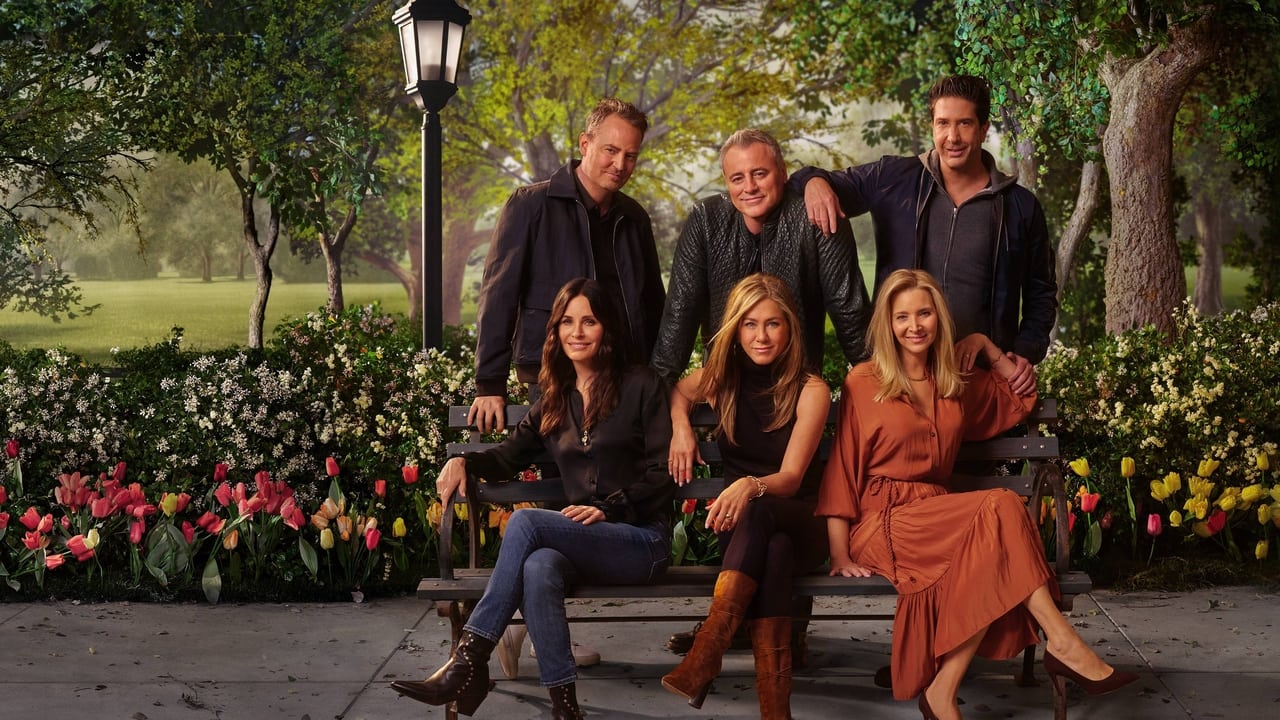
The special leans heavily into the "Drama" of the passage of time. While the marketing promised "uncontrollable laughter," the real meat of the film is in the quiet, slightly heavy silences. Matthew Perry, in particular, provides a heartbreaking anchor. His vulnerability and his admission of the soul-crushing pressure he felt to get laughs adds a layer of retroactive complexity to the show itself. It turns the "funny man" archetype into a survival mechanism. I’ve always maintained that David Schwimmer was the only one who looked like he was still auditioning for the role of a lifetime, even twenty years later, and his technical precision during the table reads proves he was the show's secret engine.
We get the "cerebral" treatment of the show’s impact—how it became a global shorthand for companionship—but the documentary is at its best when it treats the actors like survivors of a shared psychological experiment. They talk about "the only other people who understand," a sentiment that echoes through the "Me Too" and "Oscars So White" era conversations about the isolation and responsibility of the industry. They weren't just actors; they were a corporate asset that moved the needle on international trade.
Corden, Cameos, and Corporate Glitz
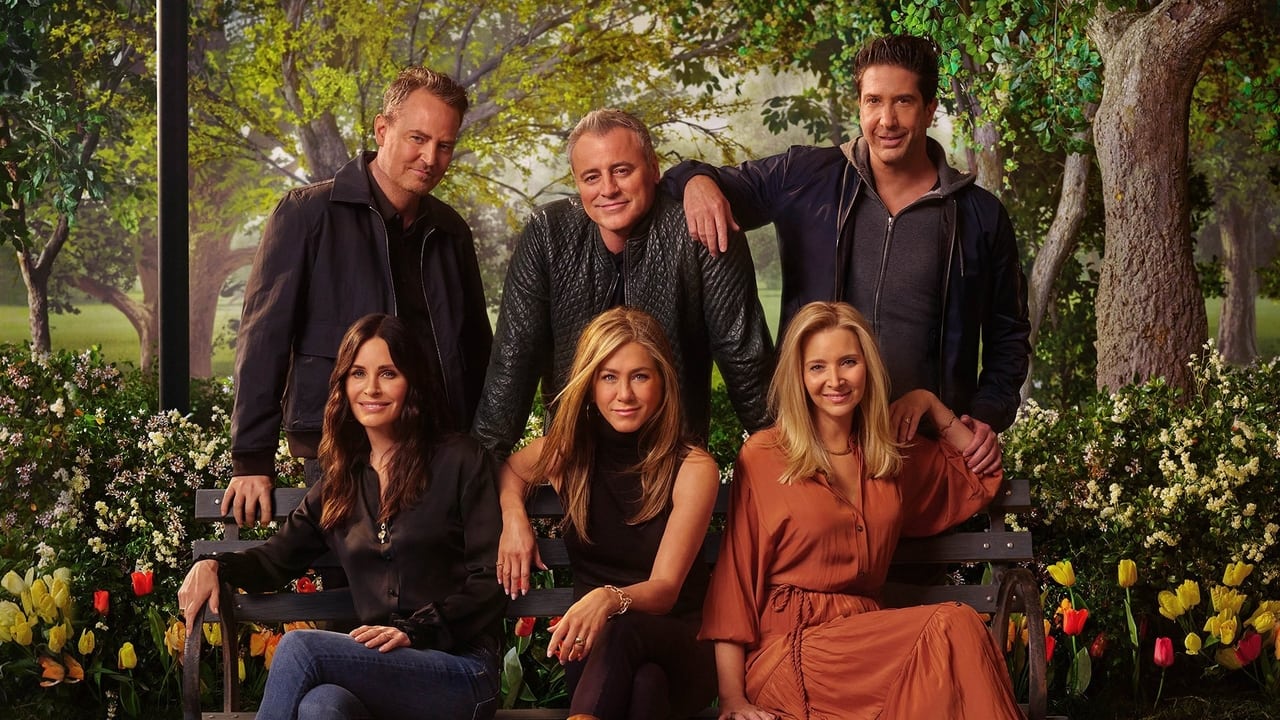
Of course, this being a 2021 production, we can't just have six people talking in a room. We have to have the "Streaming Era" spectacle. Enter James Corden. His inclusion as a moderator is the most "contemporary" part of the special—a safe, recognizable face meant to bridge the gap for a global audience. The fashion show segment, featuring Justin Bieber in a Spudnik costume, was a fever dream of corporate synergy that should have been left on the cutting room floor. It’s these moments where the special feels like it’s checking boxes for a social media algorithm rather than serving the documentary’s emotional core.
The behind-the-scenes trivia we get is a mix of the well-known and the genuinely shocking. The revelation that Jennifer Aniston and David Schwimmer were "crushing hard" on each other during the first season changes how you view those early Ross-and-Rachel scenes. It wasn't just acting; it was a televised sublimation of real-life tension. That’s the kind of production insight that earns your five minutes of attention. It reminds us that behind the multi-cam artifice and the "Friends" brand, there were twenty-somethings trying to navigate fame while their hormones were screaming.
Ultimately, Friends: The Reunion succeeds because it acknowledges that you can’t go home again. It resists the urge to do a "reunion episode"—which would have been a disaster of mismatched timing and desperate writing—and instead offers a philosophical meditation on the end of an era. It’s a film about the transition from being the center of the world to being a beloved memory. In the age of endless reboots, there is something quietly revolutionary about six people standing on a set and agreeing that some things are better left in the past. It’s not a masterpiece of cinema, but as a document of a specific cultural phenomenon coming to terms with its own mortality, it’s surprisingly moving.
Keep Exploring...
-
Free Solo
2018
-

My Octopus Teacher
2020
-
Amy
2015
-

Fyre
2019
-
The Social Dilemma
2020
-

Piper
2016
-
Bao
2018
-

A Dog's Journey
2019
-
Breakthrough
2019
-
Descendants 3
2019
-

How to Train Your Dragon: Homecoming
2019
-
The Art of Racing in the Rain
2019
-

Clouds
2020
-
Gabriel's Inferno: Part II
2020
-
Gabriel's Inferno: Part III
2020
-

I Still Believe
2020
-
If Anything Happens I Love You
2020
-

Justice League Dark: Apokolips War
2020
-
Life in a Year
2020
-

Mortal Kombat Legends: Scorpion's Revenge
2020