Ghostbusters: Afterlife
"The family business is back in spirit."
The whine of a proton pack powering up is one of the most specific, evocative sounds in cinema history. It’s a mechanical groan that suggests both immense power and the distinct possibility that the whole thing might explode in your hands. When I sat down to watch Ghostbusters: Afterlife, I was nursing a box of Raisinets that had melted into a single, tectonic chocolate brick, but the moment that familiar hum vibrated through the theater speakers, the snack struggle didn't matter. I was ten years old again, staring at my parent's wood-paneled television.
That is the high-wire act Jason Reitman attempts here. He isn't just making a sequel; he’s performing a public exorcism of the franchise’s baggage while trying to honor the towering legacy of his father, Ivan Reitman. In an era of "legacy sequels" that often feel like they were assembled by a boardroom of algorithms, Afterlife manages to feel surprisingly, stubbornly personal.
A Family Business in the Dust
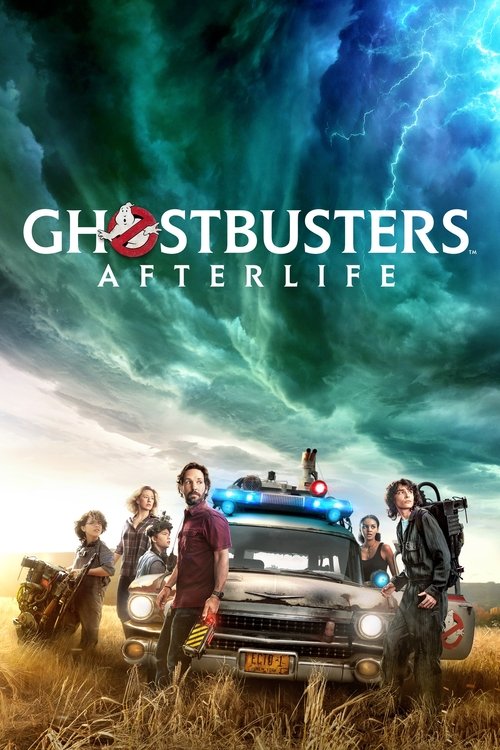
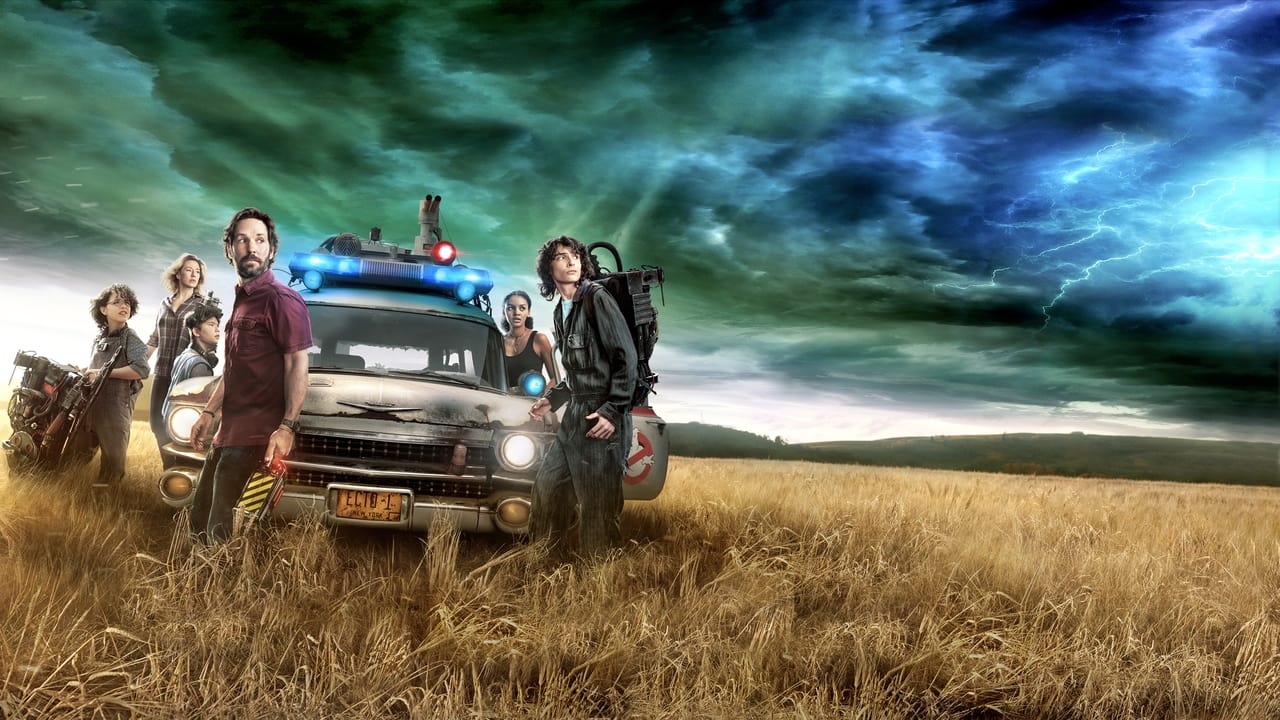
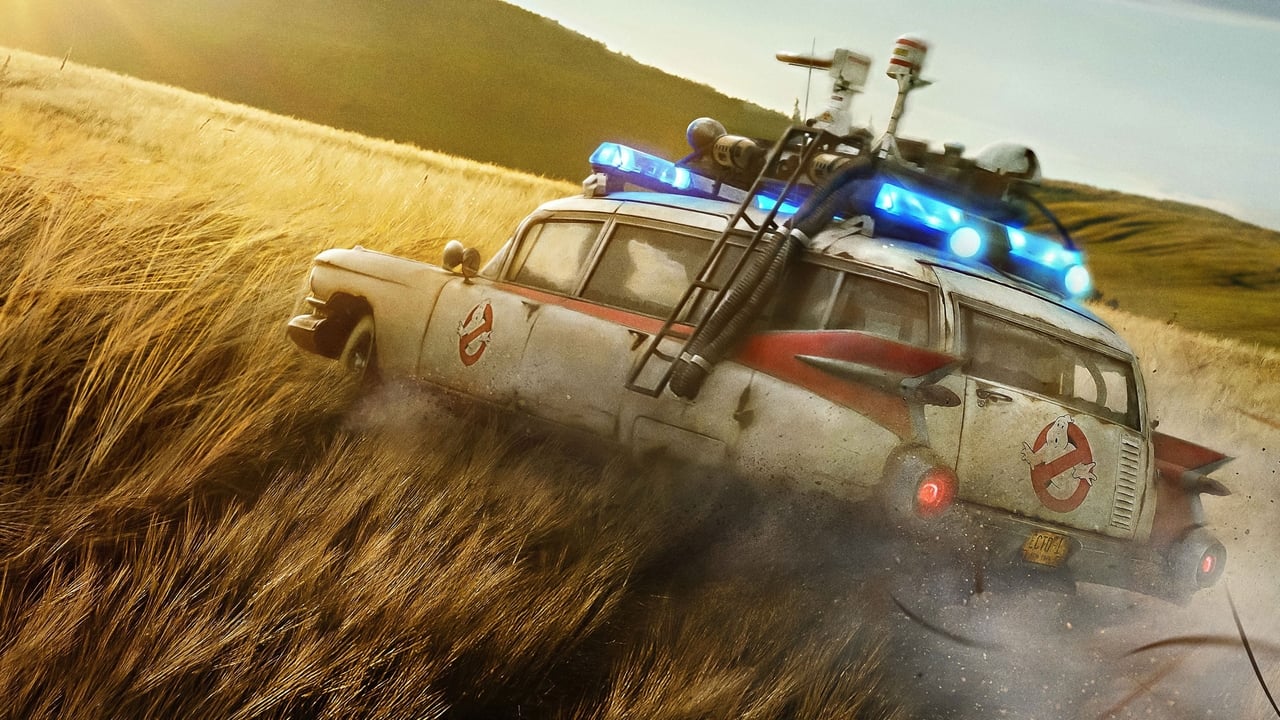
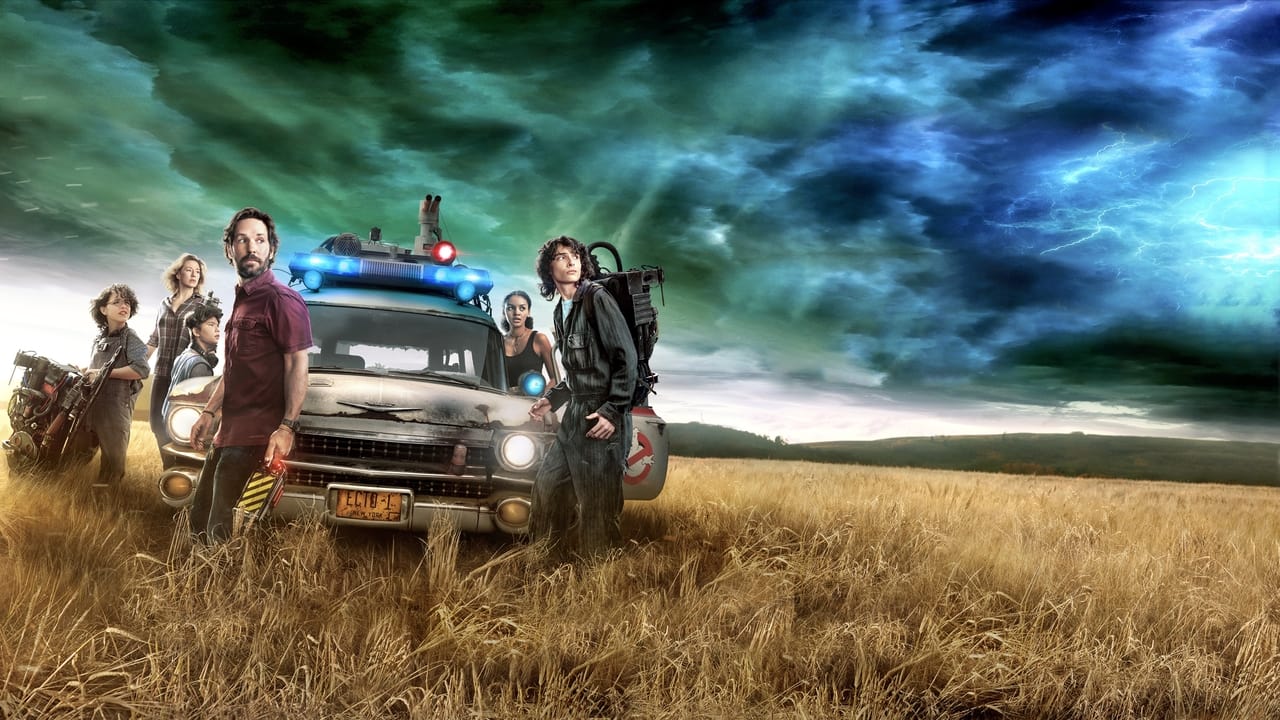
The shift from the frantic, neon-lit grime of Manhattan to the expansive, dusty cornfields of Summerville, Oklahoma, is the film's smartest move. It pulls the franchise away from the shadow of the 1984 original by leaning into a completely different aesthetic: the "Amblin" vibe. We follow Callie (Carrie Coon), a broke single mom who moves her kids to a rotting farmhouse left behind by her estranged father—who just happens to be the late Egon Spengler.
The heart of the movie isn't the returning veterans, but the new blood. Mckenna Grace is an absolute revelation as Phoebe, Egon’s granddaughter. She plays the role with a dry, awkward brilliance that perfectly mirrors Harold Ramis’s original performance without ever feeling like a cheap Saturday Night Live impression. Watching her navigate a world she doesn't fit into by using science as a shield is genuinely moving. She’s joined by Logan Kim as "Podcast," a kid who serves as the audience surrogate and brings a level of comedic timing that suggests he's been studying Rick Moranis in secret.
Then there’s Paul Rudd as Mr. Grooberson, a seismologist-turned-summer-school-teacher who represents all of us: a guy who just wants to see a ghost trap work and is probably too charming for his own biological safety. Finn Wolfhard rounds out the family as Trevor, though he’s given slightly less to do than his sister, mostly serving as the designated driver for the Ecto-1.
Rust, Dust, and Radioactive Particle Beams
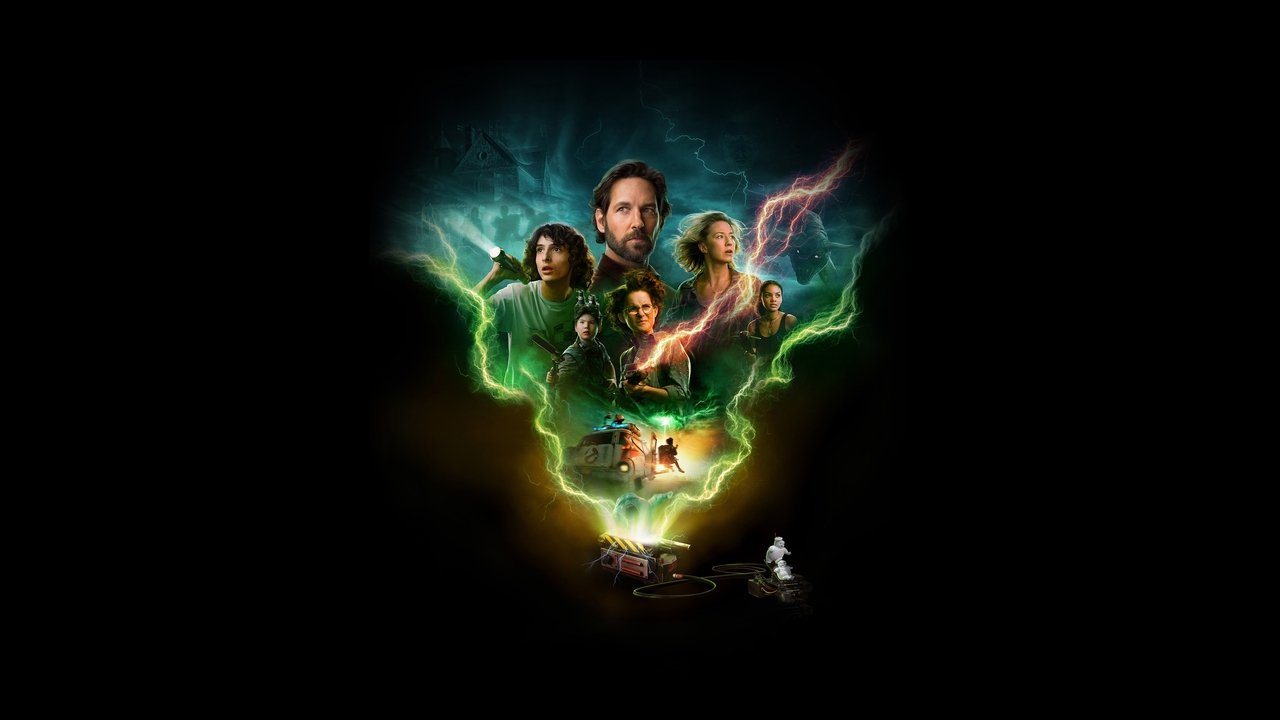
From a science fiction standpoint, Afterlife treats its technology like sacred relics. In the original films, the gear was work-a-day equipment, the supernatural equivalent of a plumber's wrench. Here, the proton packs and the Ecto-1 are treated like Excalibur found in a junk pile. I loved the "tactile" feel of the sci-fi elements. When Trevor finds the Ecto-1 under a tarp and tries to jump-start it, the car feels heavy, oily, and real.
The visual effects team did a magnificent job blending modern CGI with a reverence for the practical-look creatures of the 80s. Muncher, the blue, metal-eating blob that replaces Slimer, feels like it has actual mass and texture. The "Mini-Pufts"—while clearly designed to be shameless, marshmallow-flavored Minions meant to move units at Target—provide some of the film’s funniest, most chaotic visual gags. They are the personification of the film’s comedic tone: slightly dark, very silly, and deeply self-aware.
The film excels when it focuses on the "What if?" of it all. What if the world forgot about the events of 1984? What if the apocalypse was brewing under a small-town mine instead of a Manhattan skyscraper? It builds its world with a slow-burn mystery that feels more like Stranger Things than a standard blockbuster.
The Ghost in the Franchise Machine
However, we have to talk about the third act. It’s where the "contemporary cinema" problem rears its head. As much as Jason Reitman and co-writer Gil Kenan try to forge a new path, the film eventually caves to the pressure of the "Legacy Sequel" checklist. We get a retread of the original’s climax that feels a bit too much like a greatest-hits compilation.
The inclusion of the original cast—Bill Murray, Dan Aykroyd, and Ernie Hudson—is handled with as much grace as possible, but it still slows the momentum of the new characters we’ve grown to love. And then there’s the digital resurrection of Harold Ramis. It’s a sequence that walks a very thin line between a touching tribute and a creepy digital seance. I found myself tearing up even as my brain screamed about the uncanny valley. It's a moment that could only happen in this specific era of filmmaking, where death is no longer a barrier to a curtain call.
Despite the heavy-handed nostalgia of the finale, the film works because it has a soul. It’s a movie about grief, about the things we leave unsaid to our parents, and about the joy of finding your people—even if those people are weirdos with nuclear accelerators on their backs.
Cool Details You Might Have Missed
A Family Affair: Look closely at the "birthday boy" in the beginning of Ghostbusters II (1989)—that’s actually a young Jason Reitman. The Egon Connection: The glasses Mckenna Grace wears in the film are the actual frames worn by Harold Ramis in the original movies. Sound Logic: The sound designers went back to the original 1984 master tapes to ensure the proton pack’s "startup" sound was identical to the original. Walmart Chaos: The scene where the Mini-Pufts wreak havoc in the grocery store was filmed in a real Walmart in Alberta, Canada, under heavy secrecy. The Tall Man: Bokeem Woodbine, who plays Sheriff Domingo, actually auditioned for a role in the 2016 Ghostbusters* reboot before landing this part.
Ghostbusters: Afterlife is a warm, slightly messy, and deeply sincere apology for years of franchise mismanagement. While it leans a bit too hard on the "remember this?" button in its final twenty minutes, the performances by the younger cast keep it grounded. It’s a film that understands that Ghostbusters was never just about the ghosts—it was about the science, the snark, and the family you choose. If you can handle a heavy dose of sentimentality with your spectral entities, this is a ride worth taking.
Keep Exploring...
-
Ghostbusters: Frozen Empire
2024
-

Minions: The Rise of Gru
2022
-
Justice League vs. Teen Titans
2016
-

Trolls
2016
-
Onward
2020
-
Trolls World Tour
2020
-
Jungle Cruise
2021
-
Luca
2021
-

Hotel Transylvania: Transformania
2022
-
The Adam Project
2022
-
Dungeons & Dragons: Honor Among Thieves
2023
-
Christopher Robin
2018
-

Mickey 17
2025
-
Ghostbusters
1984
-

Ghostbusters II
1989
-
Home
2015
-

Klaus
2019
-
Jumanji: Welcome to the Jungle
2017
-
Thor: Ragnarok
2017
-

Isle of Dogs
2018