Halloween Kills
"The town becomes the monster."
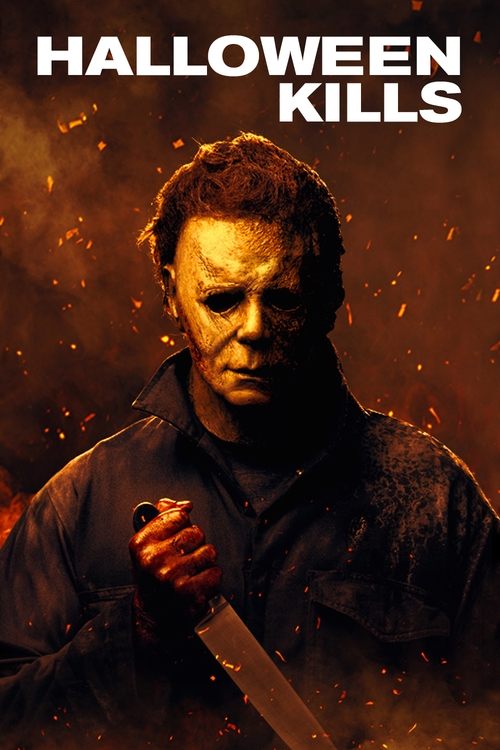
I watched Halloween Kills while sitting on a couch that was missing one leg, propped up by a stack of old National Geographic magazines, and honestly, that precarious lean felt like the perfect physical metaphor for the movie. It’s a film that constantly feels like it’s about to tip over into brilliance or absurdity, often landing somewhere in the messy middle.
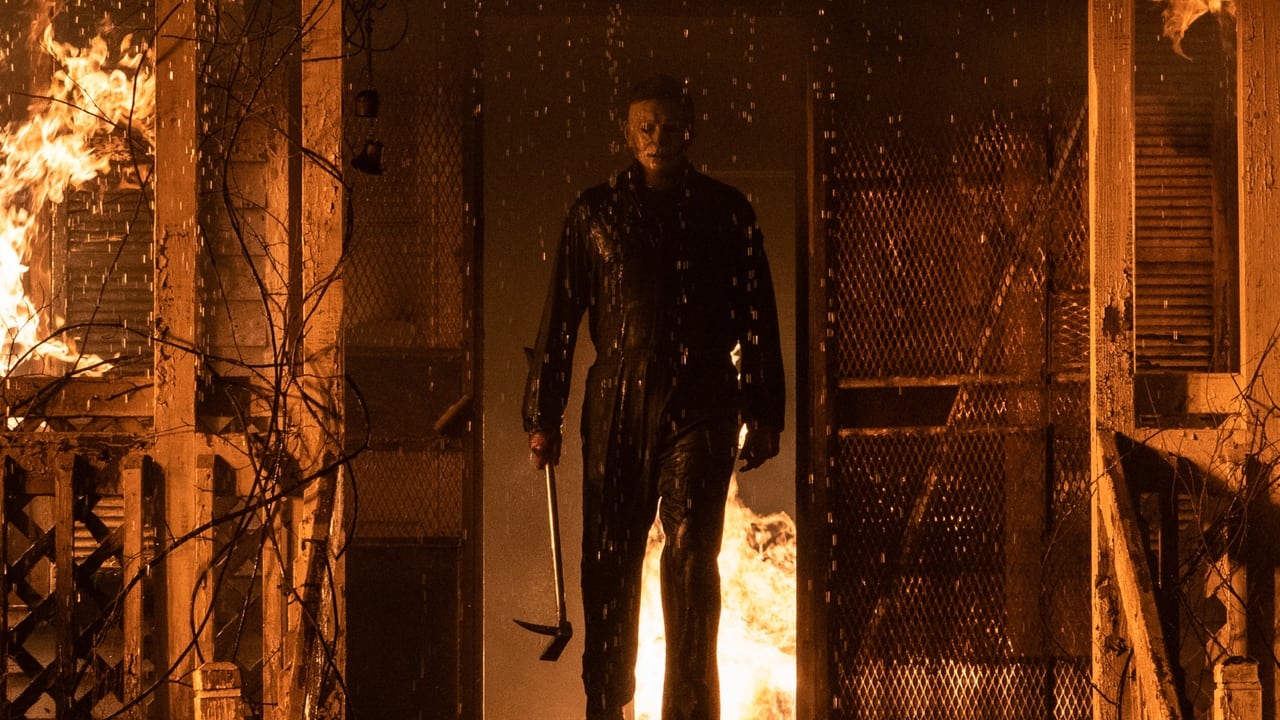
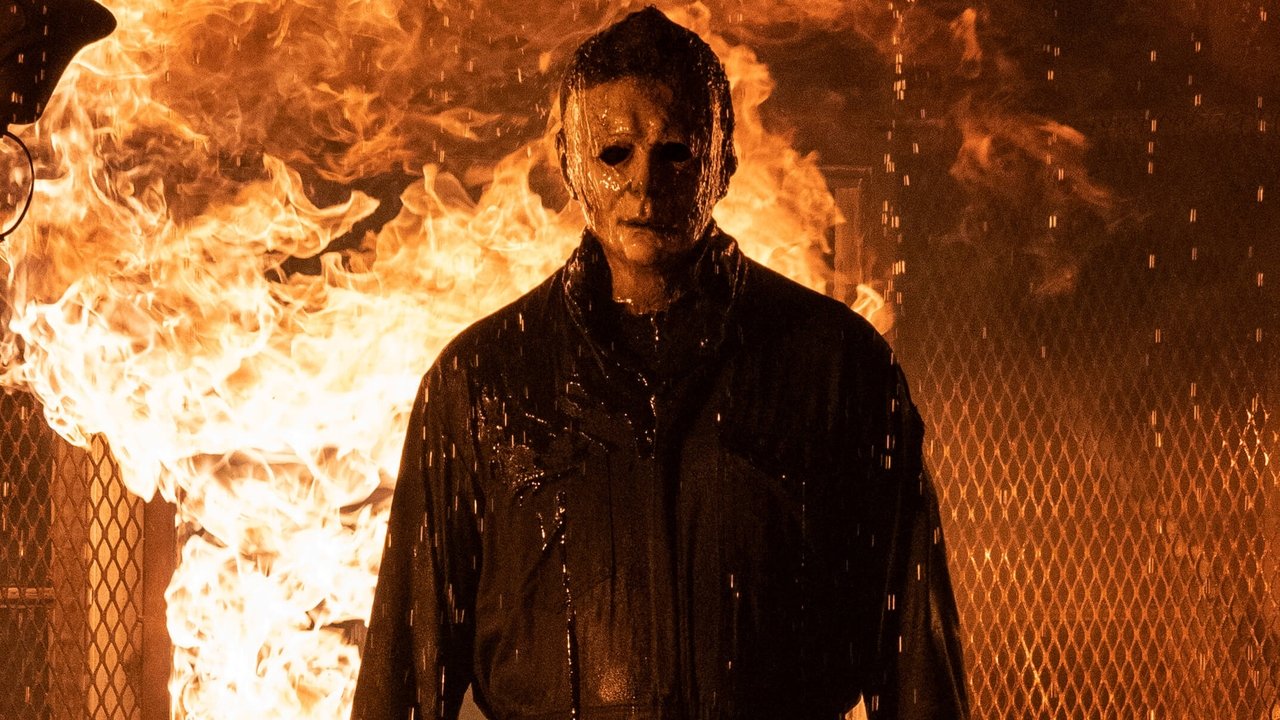
Picking up literally seconds after the 2018 reboot/sequel, David Gordon Green takes us back to the burning basement where we thought Michael Myers had finally met his maker. Spoiler alert: he didn’t. Instead, he emerges from the flames like a charcoal-grilled slasher god and proceeds to turn Haddonfield into a literal slaughterhouse. But where the previous film was a tight, character-driven look at trauma, this one decides to zoom out, attempting to diagnose the collective psychosis of an entire town.
The Shape of Mob Rule
The most striking thing about Halloween Kills isn't the body count—though James Jude Courtney delivers a version of The Shape that is terrifyingly efficient and genuinely mean—it’s the shift in perspective. For the first time in the franchise's long, convoluted history, the focus isn't solely on the Strode women. Jamie Lee Curtis spends almost the entire runtime sidelined in a hospital bed, leaving her daughter Karen (Judy Greer) and granddaughter Allyson (Andi Matichak) to navigate the chaos.
This choice is polarizing. On one hand, it allows the film to explore "legacy" characters like Tommy Doyle (Anthony Michael Hall) and Lonnie Elam (Robert Longstreet), bringing back the kids from the 1978 original to show how a single night of horror stunted their entire lives. On the other hand, it leads to the infamous "Evil dies tonight!" chant. Haddonfield’s residents have the collective IQ of a bag of hammers, and watching them run through the hospital corridors like an angry Twitter thread come to life is as frustrating as it is fascinating. It’s a clear reflection of our current era of social contagion and mob mentality, though the film delivers this message with the subtlety of a kitchen knife to the throat.
A Masterclass in Practical Grime

If you’re here for the "kills" promised in the title, you’re going to get your money's worth. This is easily the most brutal entry in the series. David Gordon Green and his team, including effects wiz Christopher Nelson, lean heavily into the wet, crunching reality of a slasher on a rampage. There is a sequence involving a fluorescent light tube that made me physically recoil, which is a high compliment for a horror film in 2021.
The flashback sequence to 1978 is the film’s technical crown jewel. Using a mix of clever lighting, prosthetic work to recreate a young Nick Castle, and even the involvement of Airon Armstrong to mimic the original's movements, they managed to capture the grainy, autumnal dread of John Carpenter’s masterpiece. It doesn’t feel like a cheap CGI recreation; it feels like a lost reel. Speaking of Carpenter, his score (co-written with Cody Carpenter and Daniel Davies) remains the MVPs of the production. Those synth stabs are the heartbeat of the franchise, and here they are more aggressive and distorted than ever.
The Pandemic Paradigm and the Middle-Child Blues
Watching Halloween Kills now, it’s hard to separate it from its "day-and-date" release on Peacock. It was a movie caught between the theatrical experience and the streaming sofa, a victim of a shifting industry landscape. This "middle-child" energy defines the script too. Because it’s the second part of a planned trilogy, it lacks a traditional beginning or end. It’s all connective tissue—mostly muscle and blood, but very little bone.
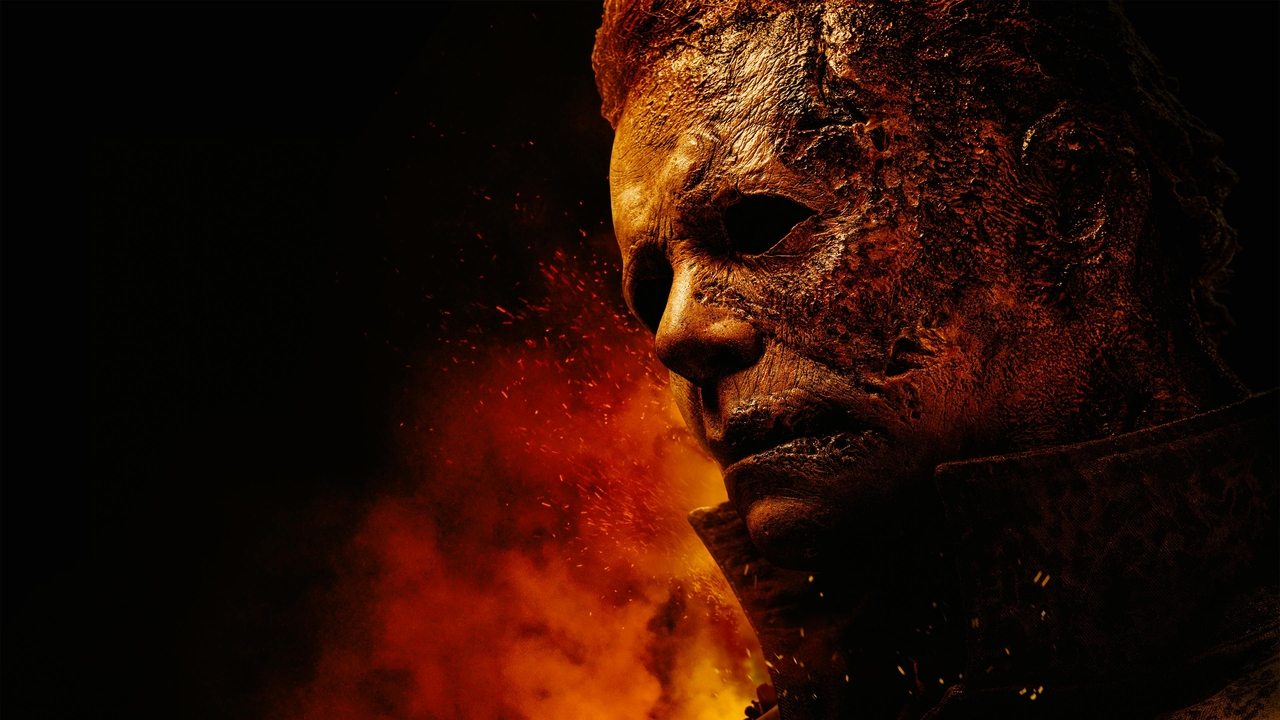
Budgeted at a modest $20 million, it pulled in over $130 million, proving that the hunger for Michael Myers is immune to franchise fatigue. Yet, the discourse around it was white-hot. Some fans loved the unapologetic slasher-flick vibes, while others felt the social commentary was too ham-fisted for a movie about a guy in a Captain Kirk mask. Personally, I think Michael Myers has basically become a supernatural Terminator who hates interior design, and watching him dismantle a suburban home while a mob fumbles its way through the streets is exactly the kind of cynical, nihilistic horror that feels appropriate for the 2020s.
Ultimately, Halloween Kills is a fascinating failure of ambition. It tries to say something profound about how fear infects a community, but it keeps getting interrupted by its own need to be a high-octane gore-fest. It’s loud, it’s messy, and it’s occasionally very stupid, but it’s never boring. If you can stomach the repetitive dialogue and the lack of a real ending, there’s a dark, mean-spirited joy to be found in the carnage.
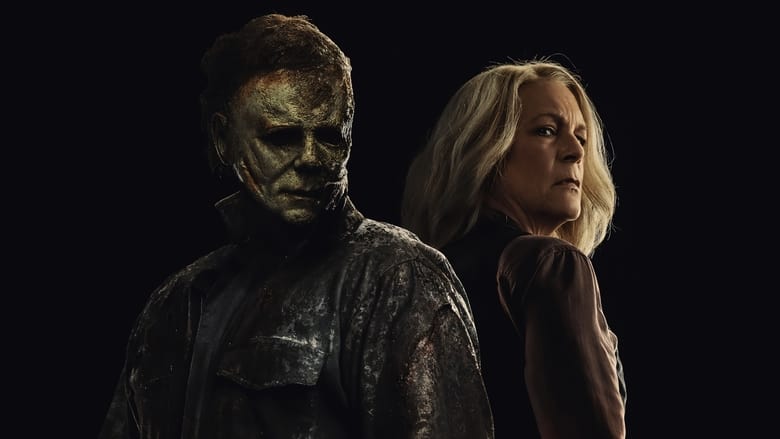
Keep Exploring...
-

Halloween
2018
-
Halloween Ends
2022
-
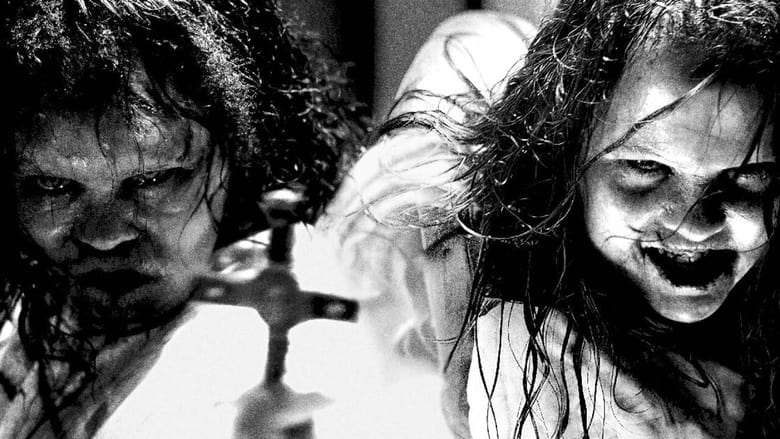
The Exorcist: Believer
2023
-
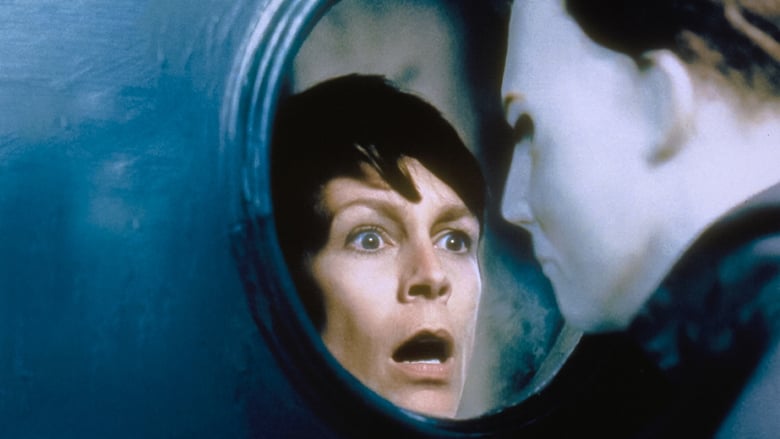
Halloween H20: 20 Years Later
1998
-
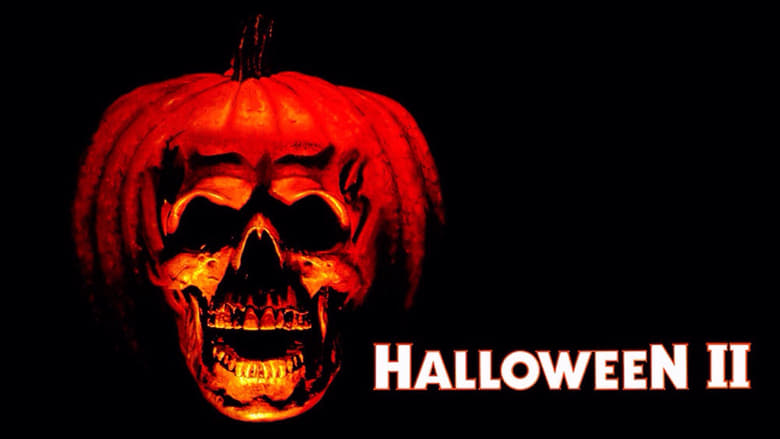
Halloween II
1981
-

Halloween 4: The Return of Michael Myers
1988
-
Insidious: The Red Door
2023
-
The Purge: Election Year
2016
-

The Shallows
2016
-

Insidious: The Last Key
2018
-
The First Purge
2018
-
Escape Room
2019
-
The Conjuring: The Devil Made Me Do It
2021
-
Five Nights at Freddy's
2023
-
Scream VI
2023
-

Smile 2
2024
-
The Mummy
2017
-
It Chapter Two
2019
-
A Quiet Place: Day One
2024
-
The Forever Purge
2021