House of Gucci
"High fashion, higher stakes, and questionable Italian accents."
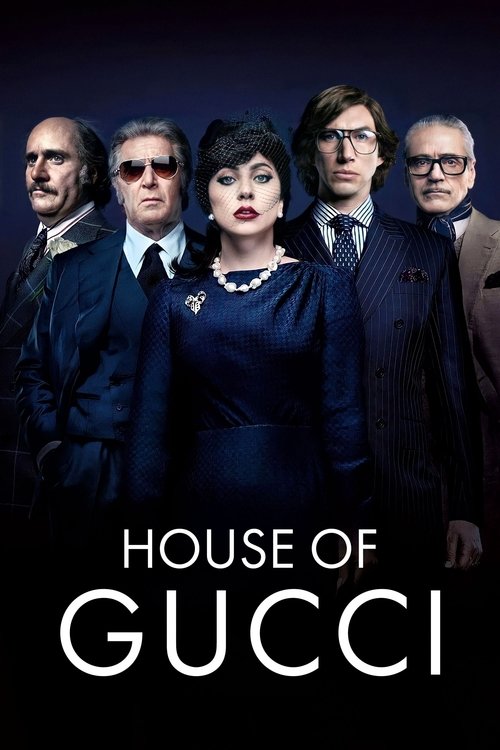
If you walked into a theater in late 2021 expecting a somber, meticulously paced historical drama about the fall of a fashion empire, you likely walked out feeling like you’d been hit over the head with a gold-plated handbag. Watching Ridley Scott’s House of Gucci is a bit like attending a very expensive dinner party where half the guests are performing Shakespeare and the other half are doing a high-octane table read for The Super Mario Bros. Movie. It is chaotic, overlong, and frequently ridiculous, yet I found myself completely unable to look away from the screen.
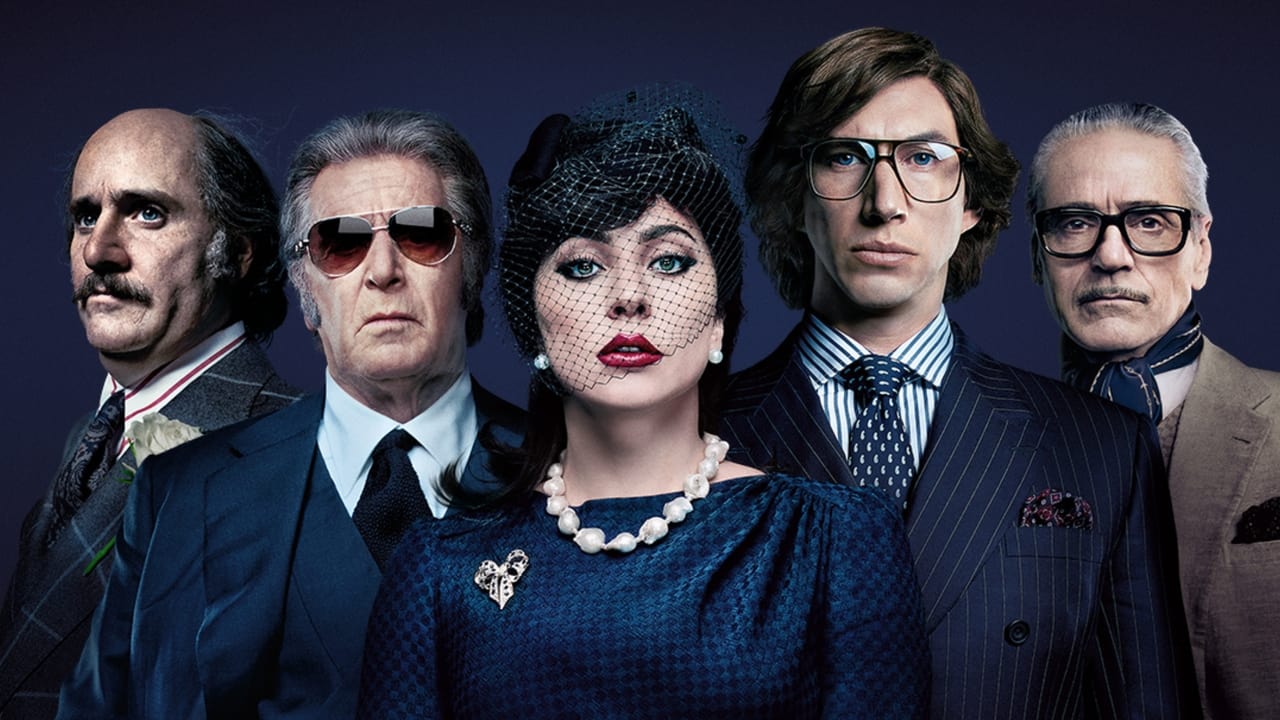
I watched this film while wearing a pair of knock-off sunglasses I bought at a gas station for eight dollars, and honestly, that felt like the most authentic way to experience a story about the intersection of high-end luxury and low-rent greed. It’s a movie that exists in the strange, shimmering space between a prestige Oscar contender and a campy Saturday Night Live sketch, and depending on your mood, that’s either its greatest strength or its fatal flaw.
The Gaga Glow and the Driver Drift
At the center of this hurricane is Lady Gaga as Patrizia Reggiani. Following her success in A Star Is Born, there was massive pressure to see if she could carry a heavyweight drama. She doesn’t just carry it; she hijacks it, puts it in a Ferrari, and drives it off a cliff while laughing. Her performance is a masterclass in "more is more." Whether she’s aggressively stirring an espresso or crossing herself while whispering, "Father, Son, and House of Gucci," she is the undisputed engine of the film.
Opposite her, Adam Driver provides a much-needed grounding wire as Maurizio Gucci. While Gaga is playing at 11, Driver—who previously worked with Scott on the far more serious The Last Duel—starts the film at a 2. His transformation from a shy law student who doesn't want anything to do with the family business into a cold, calculating corporate shark is the most "real" thing in the movie. The chemistry between the two is palpable, especially in the early, sun-drenched scenes in Italy where the film feels like a genuine romance before the rot sets in.
Then, there’s the rest of the family. Al Pacino (bringing The Godfather energy) and Jeremy Irons (bringing "I’m too elegant to even be in this movie" energy) represent the old guard. They are fantastic, providing a sense of history to a brand that was rapidly becoming a shopping mall staple. However, the real conversation starter is Jared Leto as Paolo Gucci. Covered in prosthetics and sporting an accent that can only be described as Nintendo-fied method acting, Leto is essentially in a different movie. It’s a polarizing performance, but I’ll admit: he’s the only one who seems to realize he's in a comedy.
A World of Gold Leaf and Cold Shoulders

The film arrived at a fascinating time for cinema. Released as theaters were still struggling to find their footing post-pandemic, it became a bit of a lightning rod for the "movies for adults" debate. Ridley Scott famously blamed millennials and their "f***ing cell phones" for the lukewarm box office of his other 2021 release, but House of Gucci actually found an audience. It’s a "social media movie"—perfectly calibrated for memes, GIF-able reactions, and heated Twitter debates about whether the accents were offensive or just hilarious.
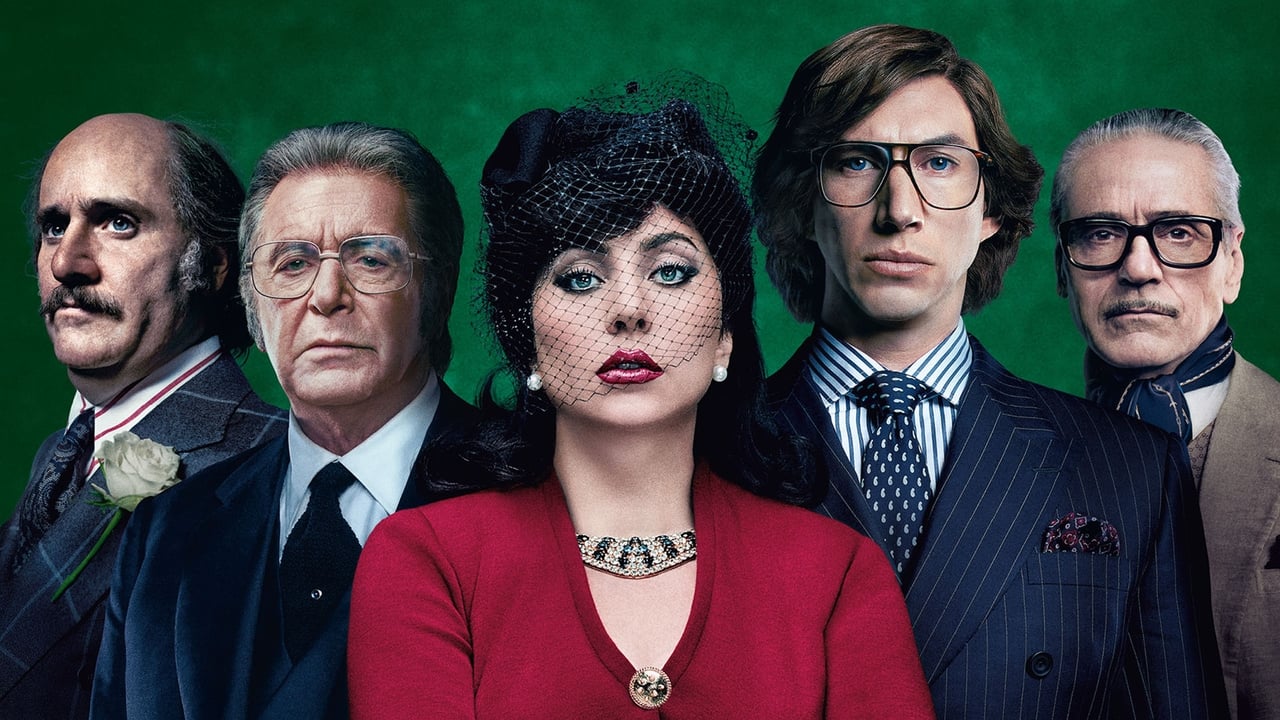
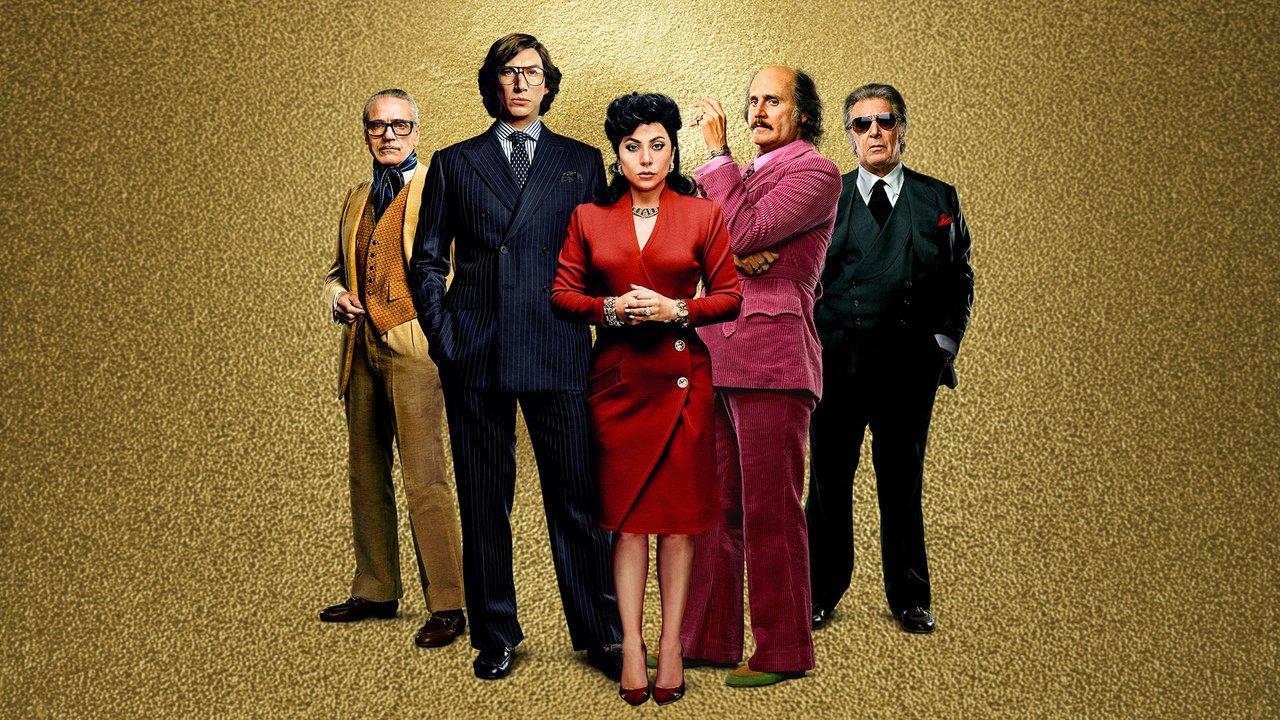
Visually, the film is stunning, thanks to cinematographer Dariusz Wolski. He captures the transition from the vibrant, warm 1970s to the cold, sterile, slate-grey 1990s with clinical precision. It mirrors the story: as the Guccis lose control of their company to external investors like Jack Huston’s Domenico De Sole, the world loses its color. The fashion is, as expected, a character of its own. The costume design doesn't just show wealth; it shows the evolution of wealth, moving from handmade Italian suits to the logos-on-everything era of the late 20th century.
Despite its 158-minute runtime, the pacing is surprisingly brisk until the final act. There’s a certain thrill in watching these people destroy one another over leather loafers. However, the film does suffer from the "Contemporary Cinema" trap of feeling like it could have been a four-part limited series on a streaming service. Some subplots, particularly the legal maneuvers toward the end, feel a bit rushed compared to the operatic buildup of Patrizia’s descent into madness.
Behind the Silk Scarf
One of the most entertaining aspects of the House of Gucci release wasn't even on screen—it was the press tour. Lady Gaga famously claimed she stayed in character for 18 months, even speaking with the accent while off-camera, and at one point suggested she "called forth" a swarm of flies to help her find the character's darkness. It’s the kind of high-stakes actor talk that adds to the film’s cult-like mystique.

The real Gucci family was less than thrilled, issuing a statement that the film portrayed them as "thugs, ignorant and insensitive to the world around them." While that might be true, it’s also what makes the movie fun. We don't want to see a "balanced" look at billionaire fashion dynasties; we want to see them fight over who gets the biggest slice of the proverbial panettone.
Behind the scenes, the production had to navigate the height of COVID-19 protocols in Italy, which might explain some of the more isolated, stagelike qualities of certain scenes. Yet, Scott's efficiency—he is known for shooting fast and under budget—shines through. He doesn't over-intellectualize the drama. He lets the actors chew the scenery, ensures the lighting looks like a million bucks, and keeps the plot moving toward its inevitable, bloody conclusion.
Ultimately, House of Gucci is a fascinating mess that I suspect will only grow in "cult" status as the years go by. It’s too weird to be a standard biopic and too polished to be a total disaster. It’s a movie that asks you to enjoy the spectacle of a family imploding in the most stylish way possible. If you can get past the jarring shifts in tone and the wild vocal choices, you’ll find a darkly funny tragedy about what happens when "The Brand" becomes more important than the people who built it. It’s a legacy worth killing for, or at the very least, worth spending two and a half hours with.
Keep Exploring...
-
The Last Duel
2021
-
All the Money in the World
2017
-
BlacKkKlansman
2018
-
Killers of the Flower Moon
2023
-

The Irishman
2019
-
Hail, Caesar!
2016
-

Patriots Day
2016
-

Snowden
2016
-
Napoleon
2023
-

Gladiator II
2024
-
Black Mass
2015
-
Kingdom of Heaven
2005
-

True Story
2015
-
Silence
2016
-

Logan Lucky
2017
-
Can You Ever Forgive Me?
2018
-
The Little Things
2021
-
13 Hours: The Secret Soldiers of Benghazi
2016
-
Jack Reacher: Never Go Back
2016
-
War Dogs
2016