Lamb
"Nature doesn't do returns or exchanges."
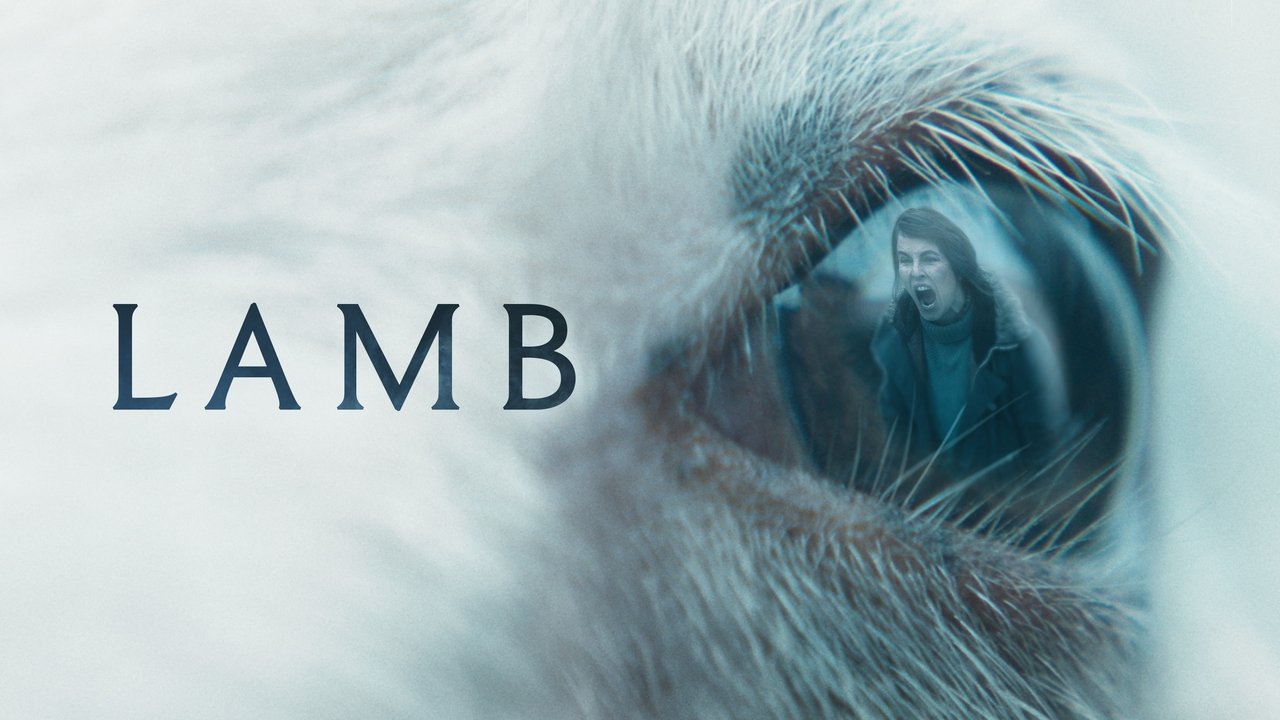
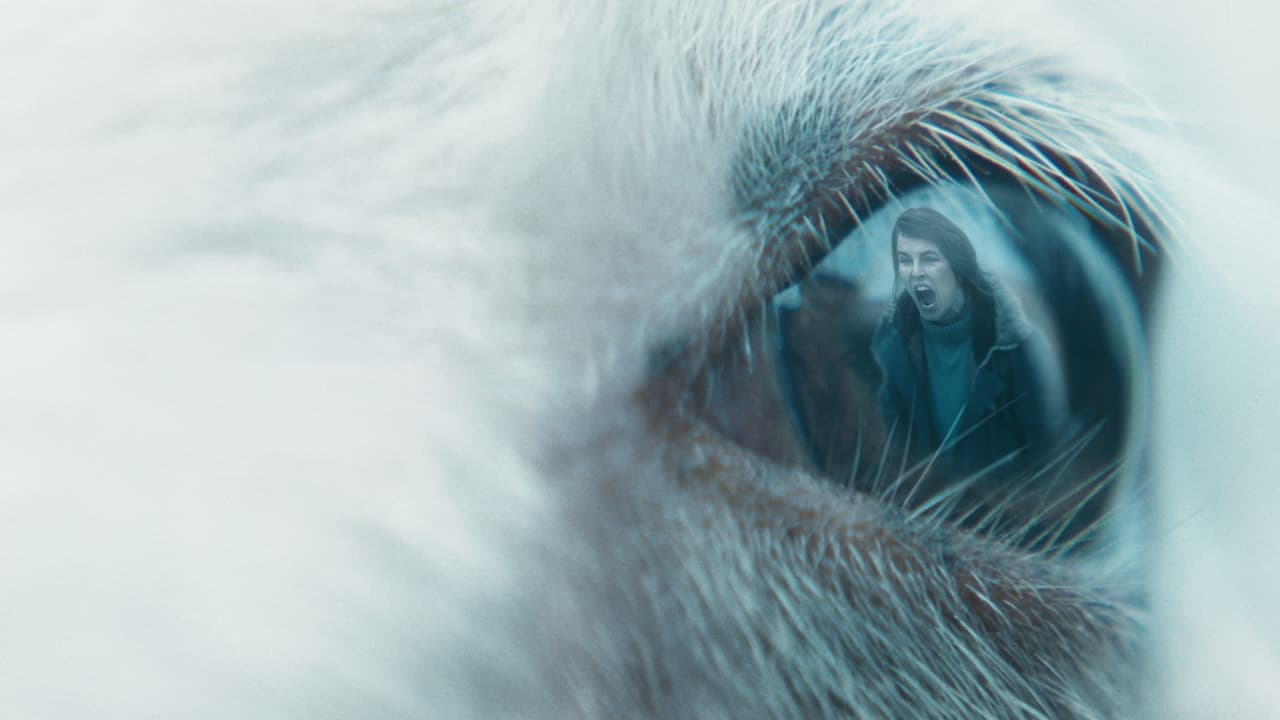
I’ll never forget the first time I saw the rectangular pupil of a sheep’s eye in a close-up. It’s a minor anatomical detail, but in the opening minutes of Lamb, it feels like a threat. There’s something inherently "other" about it—a horizontal slit that suggests a perspective we can’t possibly understand. I watched this film while wearing a particularly itchy wool sweater my aunt gave me for Christmas, and about forty minutes in, I started feeling like the sweater was trying to reclaim my torso. That’s the kind of skin-crawling, quiet intensity Valdimar Jóhannsson’s debut feature operates on.
The Silence of the Lamb (Literally)
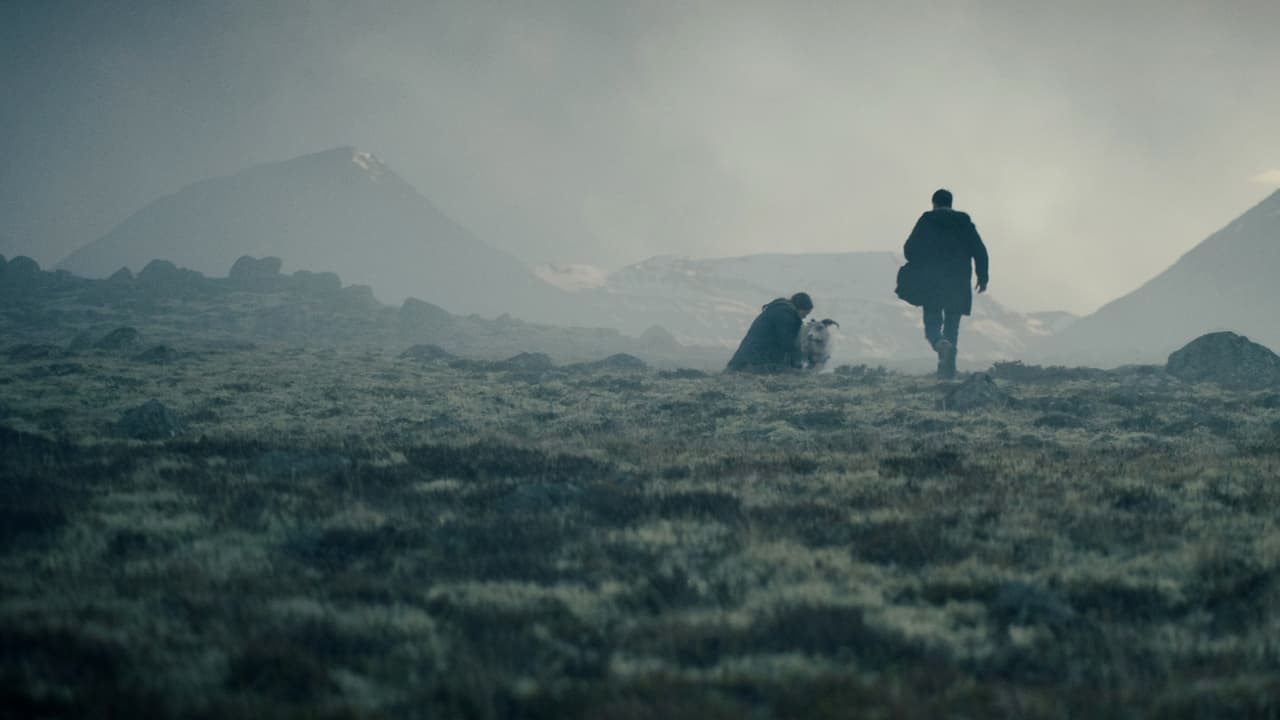
Set against the kind of Icelandic backdrop that makes you want to either write a moody folk album or move into a cave, Lamb is a masterclass in saying a lot by saying almost nothing at all. We meet María (Noomi Rapace) and Ingvar (Hilmir Snær Guðnason), a couple whose lives are defined by the rhythmic, exhausting labor of a remote sheep farm. They move around each other with the practiced grace of people who have run out of things to talk about, or perhaps people who are sharing a grief too heavy for words.
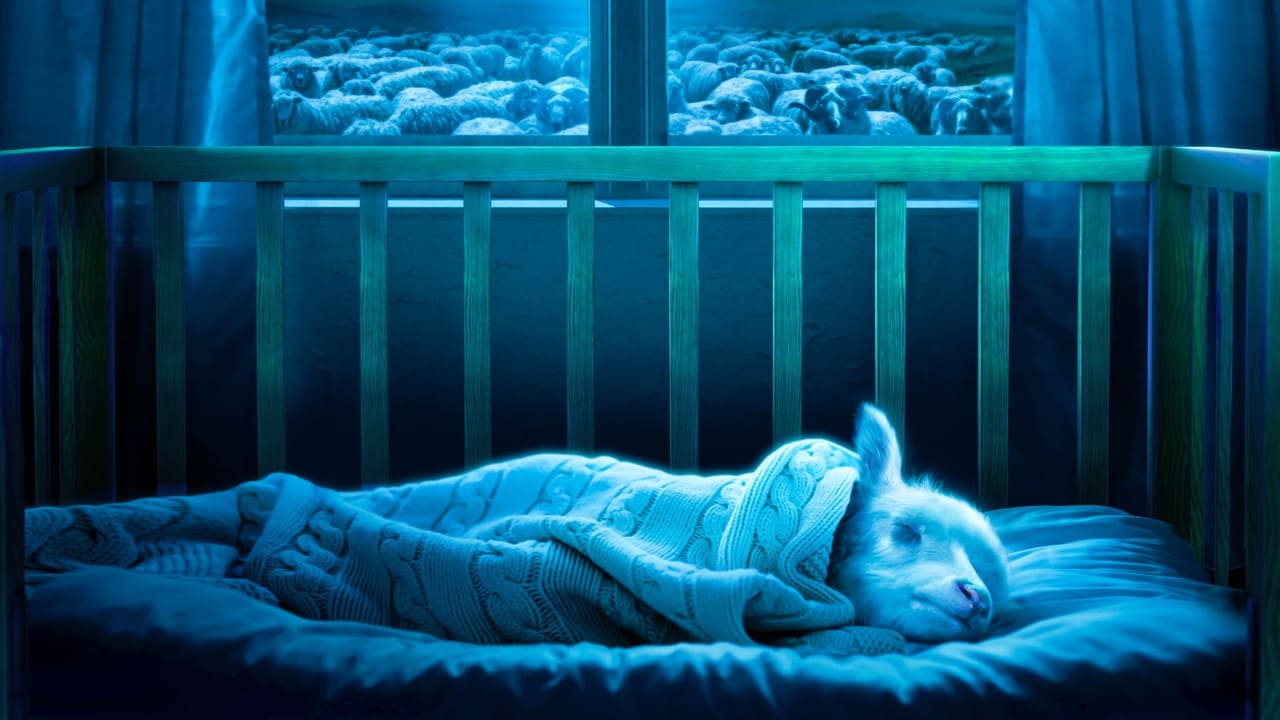
When a ewe gives birth to a... let’s call it a "special" newborn, the couple doesn't scream. They don't call the authorities. They simply wrap it in a blanket and bring it to the dinner table. It is the most casual descent into madness I’ve seen in modern cinema. It’s essentially the most expensive "Adopt, Don’t Shop" PSA ever filmed, and the fact that it treats its central, absurd conceit with the gravity of a Shakespearean tragedy is exactly why it works. If you’re coming into this expecting a jump-scare-heavy Blumhouse romp, you’re in the wrong barn. This is a slow-burn "A24-style" folk tale that asks you to sit in the discomfort of a family dynamic that is clearly, catastrophically wrong.
A Very Uncomfortable Family Portrait
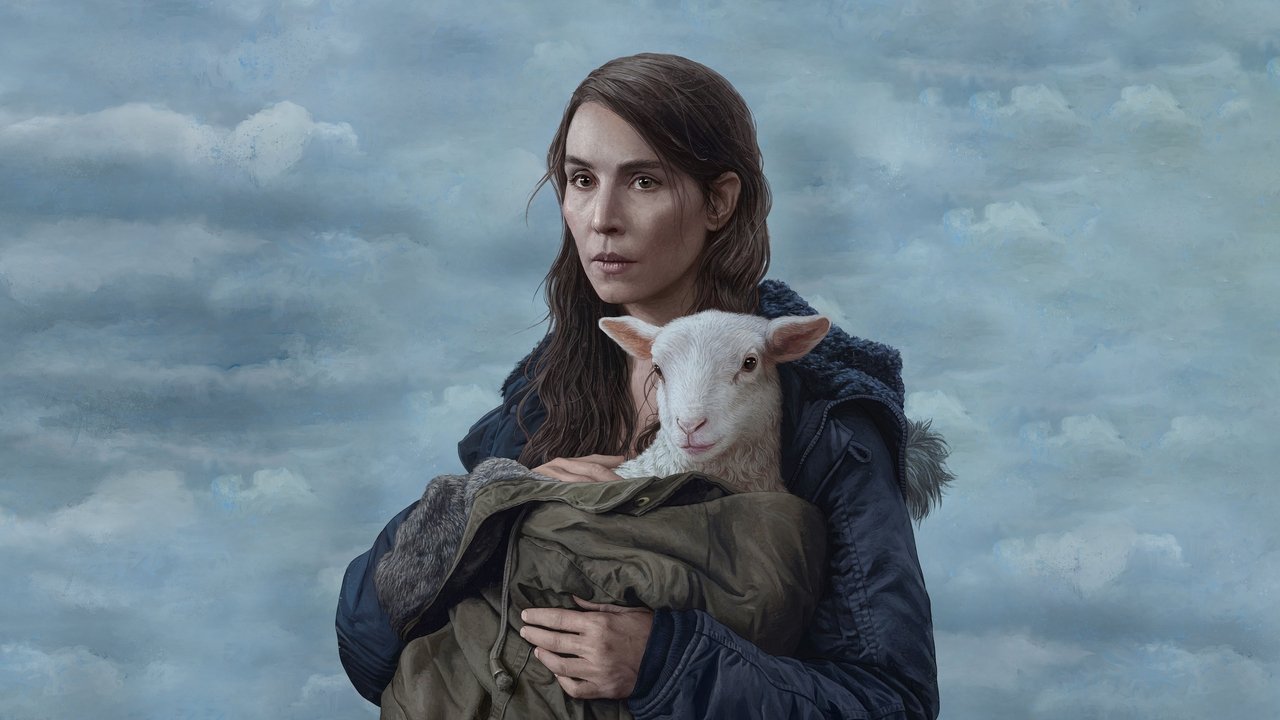
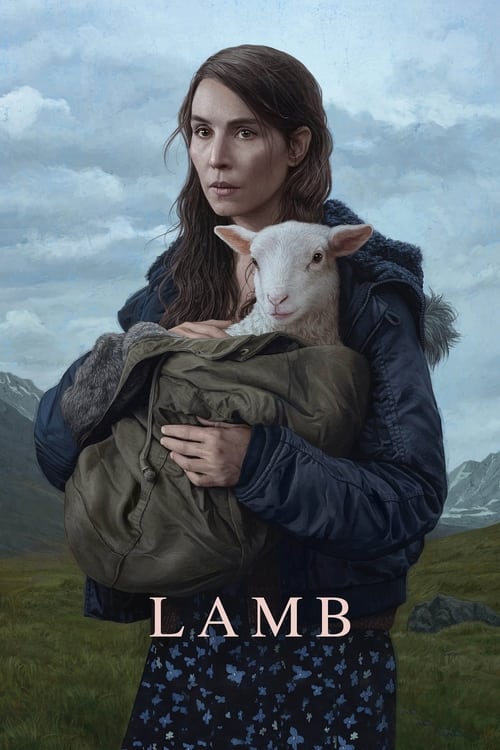
The arrival of Ingvar’s brother, Pétur (Björn Hlynur Haraldsson), acts as the necessary audience surrogate. When he first sees the "child" (named Ada), his reaction is exactly what ours is: "What the hell is this?" But the film’s brilliance lies in how quickly his skepticism is eroded by the sheer, desperate domesticity of the household. Noomi Rapace gives one of the most grounded performances of her career here. We’ve seen her play tough in The Girl with the Dragon Tattoo (2009) and survive space-squids in Ridley Scott’s Prometheus (2012), but here she is terrifyingly maternal. Her María is a woman who has decided that reality is whatever she needs it to be to keep her heart from breaking.
The technical craft on display is what keeps the "creature" from looking like a cheap meme. Through a combination of practical puppetry, real lambs, and some incredibly subtle CGI, Ada becomes a tangible, breathing part of the scenery. The way the camera lingers on her—showing just enough to keep you uneasy but not so much that the illusion breaks—is a testament to Jóhannsson’s restraint. The sound design is equally vital; the constant, low-frequency hum of the wind and the unsettling bleats of the mother sheep (who is, quite frankly, the most menacing presence in the movie) create a sense of impending doom that doesn't need a musical sting to tell you when to be scared.
The Folk-Horror Renaissance
In our current era of "elevated horror" (a term I mostly find annoying but useful for categorization), Lamb sits comfortably next to films like Robert Eggers' The Witch or Ari Aster's Midsommar. These films aren't interested in the "what" so much as the "why." Lamb tapped into a specific contemporary anxiety about our relationship with nature and the arrogance of human ownership. It arrived during the tail end of the pandemic, a time when many of us were feeling isolated and perhaps a little too introspective, making the remote, claustrophobic life of María and Ingvar feel strangely relatable, even if our "children" don't have cloven hooves.
The screenplay, co-written by the poet and novelist Sjón (who also penned the brutal The Northman and has a long history of collaborating with Björk), feels like a grim fairy tale that was unearthed from a glacier. It doesn't over-explain. It doesn't give you a "Rules of the Monster" handbook. It just presents a world where the land gives, and the land takes, and the middleman is usually a very unhappy ewe. While the ending has proven divisive—some call it a "What the...?" moment while others see it as the only logical conclusion—I found it to be a hauntingly beautiful punctuation mark on a story about the debt we owe to the earth.
Lamb isn't a movie for everyone, and it’s certainly not one for a lighthearted Friday night. It’s a strange, somber, and visually stunning piece of Icelandic folklore that manages to be both heartwarming and deeply disturbing in the same breath. It’s a film that stays with you, much like the smell of wet wool or the memory of a dream you can’t quite shake. If you’re willing to commit to its slow pace and silent stretches, you’ll find a story that explores the lengths we go to for a second chance at happiness—and the heavy price tag that comes with it. Just don’t be surprised if you find yourself looking at the local petting zoo a little differently afterward.
Keep Exploring...
-
The Craft: Legacy
2020
-
Before I Wake
2016
-
The Silence
2019
-
The House
2022
-
The Witch
2016
-

The Exorcism of God
2022
-
I Kill Giants
2017
-
Goosebumps 2: Haunted Halloween
2018
-
The Possession of Hannah Grace
2018
-
Pinocchio
2019
-
Gretel & Hansel
2020
-
Antlers
2021
-
Freaks Out
2021
-

Space Sweepers
2021
-
Titane
2021
-
Bones and All
2022
-
Crimes of the Future
2022
-
Men
2022
-
All of Us Strangers
2023
-

The Last Voyage of the Demeter
2023