Last Night in Soho
"Neon dreams are paved with velvet nightmares."
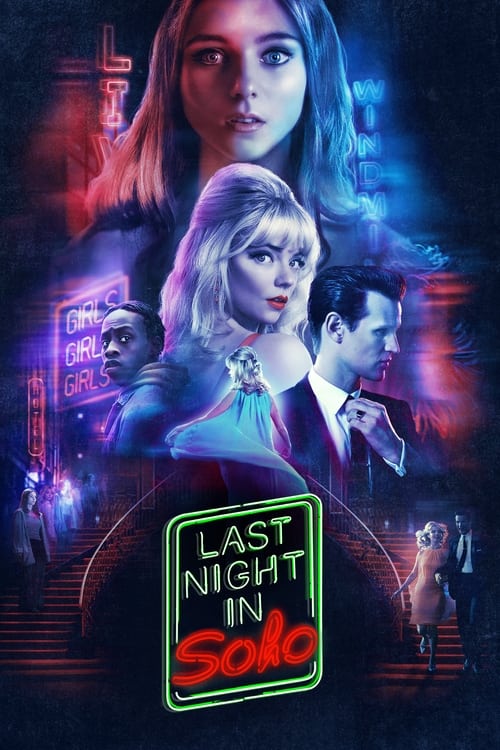
London isn't just a city; it’s a graveyard with a neon pulse and a very long memory. In the autumn of 2021, while the world was still squinting at the sun after a year of lockdowns, Edgar Wright decided to remind us that nostalgia is a dangerous drug. I settled into this movie while wearing a pair of vintage wool trousers that were so incredibly itchy I nearly had to pause it three times, but within twenty minutes, the discomfort of the fabric was replaced by the cold prickle of Chung Chung-hoon’s (the lens master behind Oldboy) shadowy cinematography.
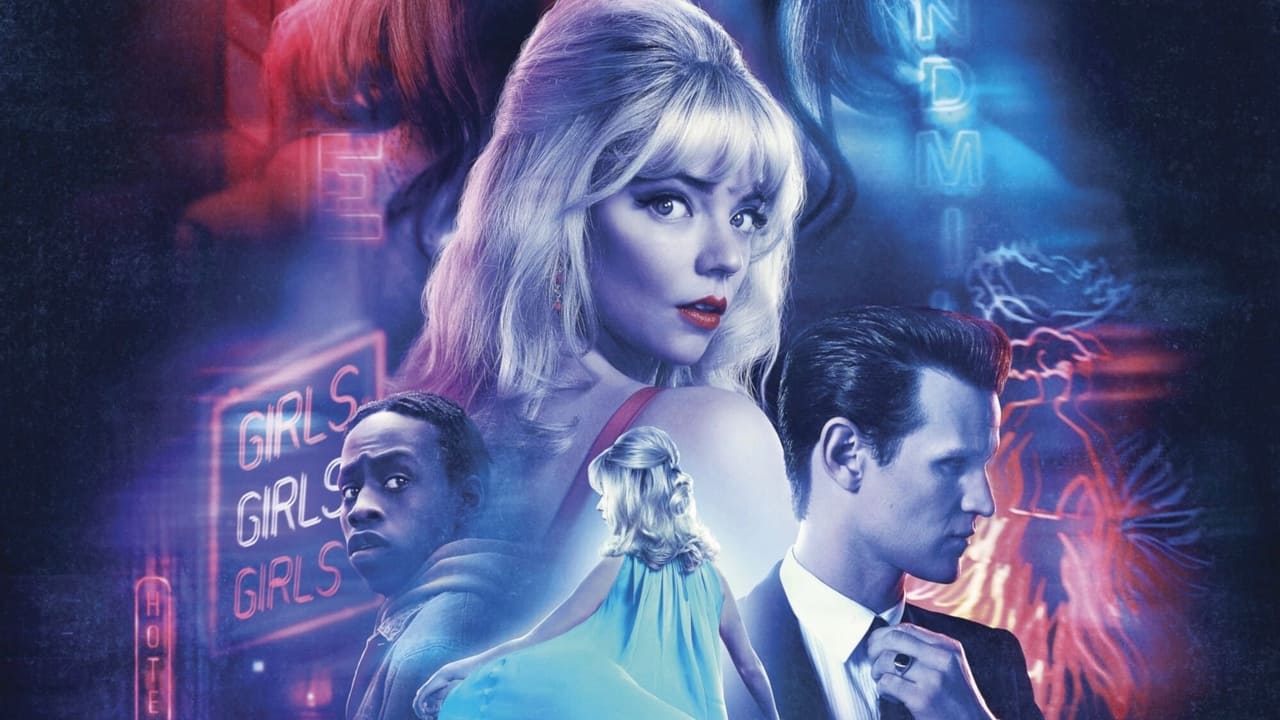
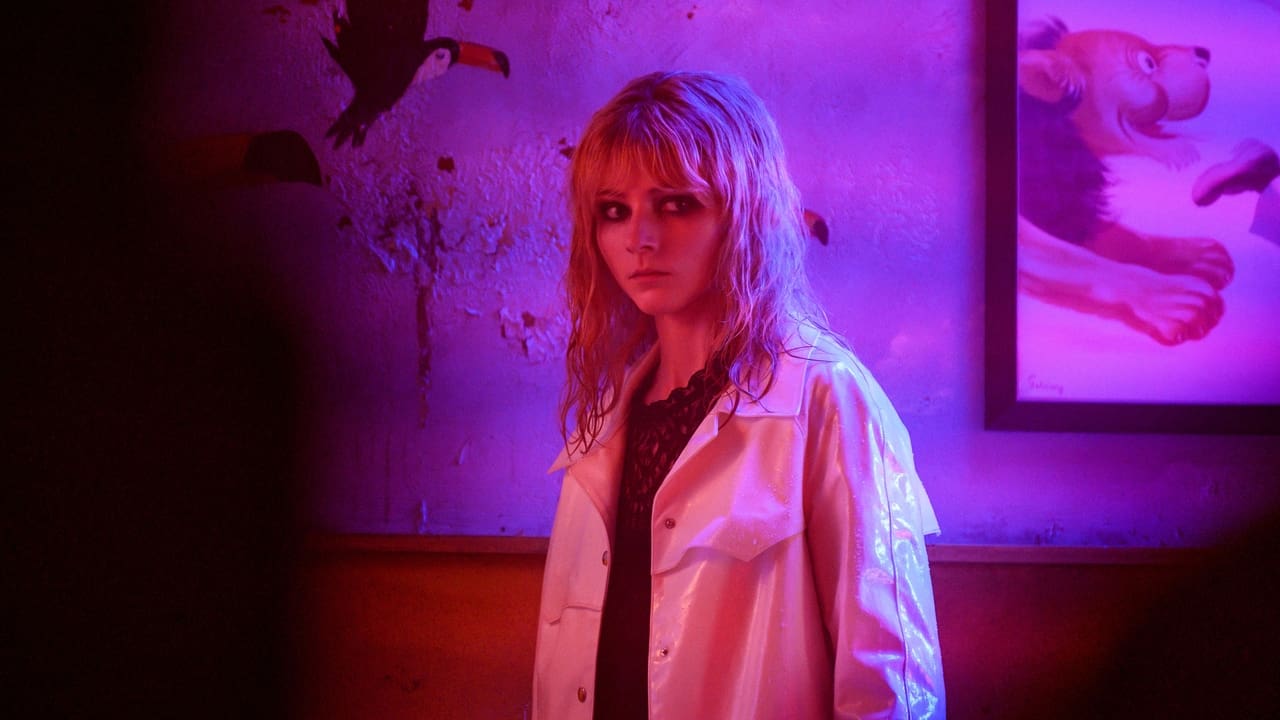
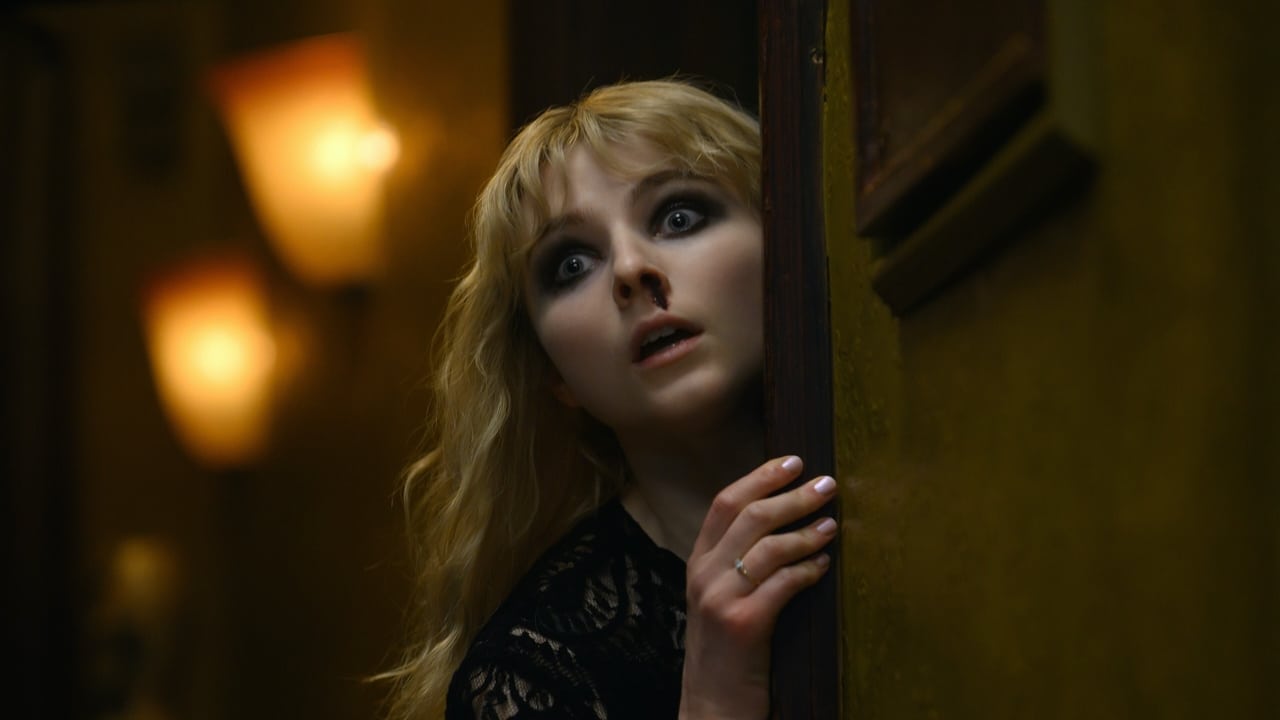
Last Night in Soho is a jagged, beautiful, and deeply uncomfortable experience. It follows Eloise (Thomasin McKenzie), a wide-eyed fashion student with a 1960s obsession and a psychic sensitivity she inherited from her late mother. When she moves into a creaky bedsit in Soho owned by the formidable Ms. Collins (Diana Rigg in her final, towering performance), she finds herself slipping through time. Every night, she becomes a passenger in the life of Sandie (Anya Taylor-Joy), an aspiring singer navigating the glittering, shark-infested waters of 1965 London.
Through the Looking Glass
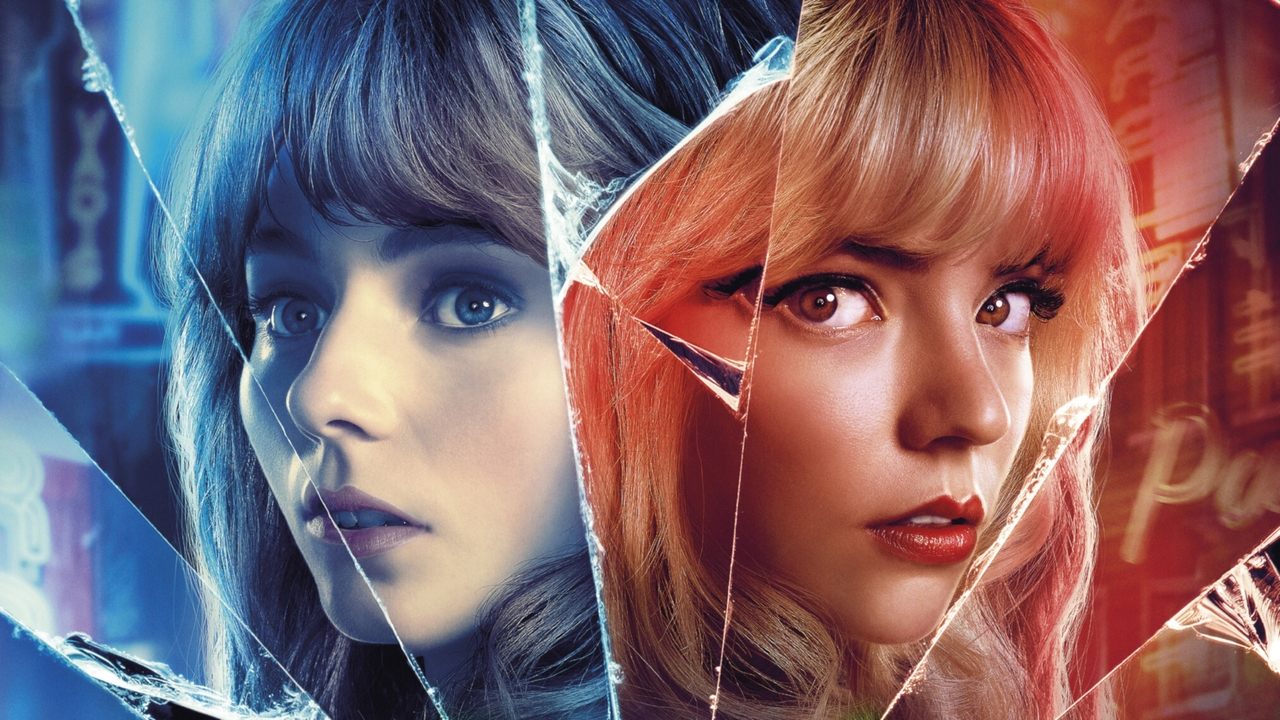
The first half of this film is pure, unadulterated cinematic bliss. The way Thomasin McKenzie mimics Anya Taylor-Joy’s movements behind mirrors and glass is a technical marvel. Most of those "mirror dances" were actually performed live on set with complex choreography rather than digital trickery. It’s a feat of practical ingenuity that reminds me why I love movies—there’s a tangible weight to the transitions that CGI just can't replicate.
Thomasin McKenzie plays the "final girl" trope with a fragile intensity that makes you want to reach into the screen and pull her out of harm's way. Meanwhile, Anya Taylor-Joy owns the screen with the kind of ethereal, untouchable charisma that explains exactly why a lonely girl like Eloise would want to be her. But the film isn't content with just being a "best of" compilation of the swinging sixties. It’s here to deconstruct the myth.
The Rotten Heart of the Sixties
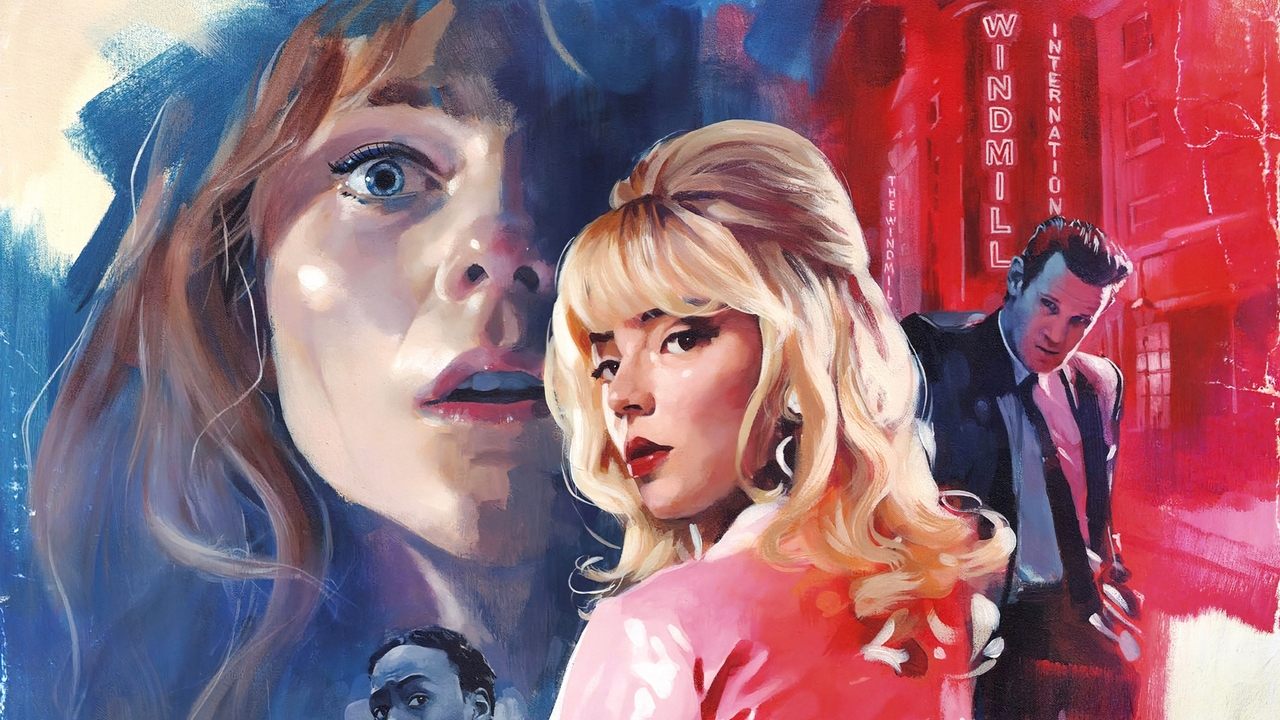
As Eloise’s visions turn from champagne-soaked dreams into blood-drenched nightmares, the tone shifts into something far grimmer. We see the 1960s not as a playground of liberation, but as a meat grinder for young women. Matt Smith is chilling as Jack, the charming talent scout who slowly reveals himself to be a predatory monster. His performance is a sharp reminder that the "good old days" were often built on the silence of the exploited.
The horror here is suffocating. It’s not just about jump scares—though there are a few—it’s about the crushing weight of the past. The ghosts in this film aren't just translucent figures; they are the literal manifestations of historical trauma. I’ve heard critics argue that the third act descends into a chaotic ghost train, but the sheer audacity of the tonal whiplash is exactly why this film feels like a future cult classic. It refuses to be polite. It gets loud, messy, and frantic, mirroring Eloise’s own crumbling sanity.
A Neon Ghost Story for the Misunderstood
It’s fascinating to look at Last Night in Soho in the context of the 2020s. Released during the tail end of the pandemic, it struggled at the box office, earning back less than half its budget. It was a film caught between worlds—too weird for the mainstream blockbuster crowd and perhaps too stylized for the "elevated horror" purists. But like many of the films Edgar Wright champions, its life really began on home media and streaming. It speaks to a specific kind of modern anxiety: the fear that we are living in the ruins of a better era, only to realize that the "better era" was just as broken as our own.
Cool Details You Might Have Missed:
The film’s title was actually suggested by Quentin Tarantino, who heard the song "Last Night in Soho" by Dave Dee, Dozy, Beaky, Mick & Tich and told Wright it was the best title for a movie that didn't exist yet. Anya Taylor-Joy originally auditioned for the role of Eloise, but Wright felt her "otherworldly" presence was better suited for the 1960s siren, Sandie. The production features two icons of the 1960s: Diana Rigg (The Avengers) and Margaret Nolan (the gold-painted woman from Goldfinger). Sadly, both passed away shortly after filming. The soundtrack by Steven Price is a character in itself, particularly the slowed-down, haunting rendition of "Downtown" performed by Taylor-Joy. If you look closely at the fashion show near the end, the designs are inspired by the actual 1960s horror films Wright used as touchstones, like Repulsion and Suspiria*.
This isn't a "safe" movie. It deals with heavy themes of sexual violence and the psychological toll of urban isolation with a hand that is anything but subtle. Some might find the ending's shift into supernatural slasher territory a bit much, but I found it a refreshing change of pace from the often too-restrained horror of the current era. It’s a film that wears its heart, its trauma, and its impeccably tailored coat on its sleeve. If you’re looking for a mystery that feels like a fever dream and leaves you looking over your shoulder in every dark hallway, Soho is waiting for you.
Keep Exploring...
-
Hereditary
2018
-
Midsommar
2019
-
Fear Street: 1978
2021
-
Baby Driver
2017
-
Ghostland
2018
-
Marrowbone
2017
-
The Wailing
2016
-
The Conjuring: The Devil Made Me Do It
2021
-
Saw X
2023
-

Weapons
2025
-

The Substance
2024
-
A Cure for Wellness
2017
-
Black Mirror: Bandersnatch
2018
-
Suspiria
2018
-
Escape Room: Tournament of Champions
2021
-
Malignant
2021
-
Old
2021
-
Shaun of the Dead
2004
-
Get Out
2017
-
Gonjiam: Haunted Asylum
2018