Malignant
"It’s time to cut out the cancer."
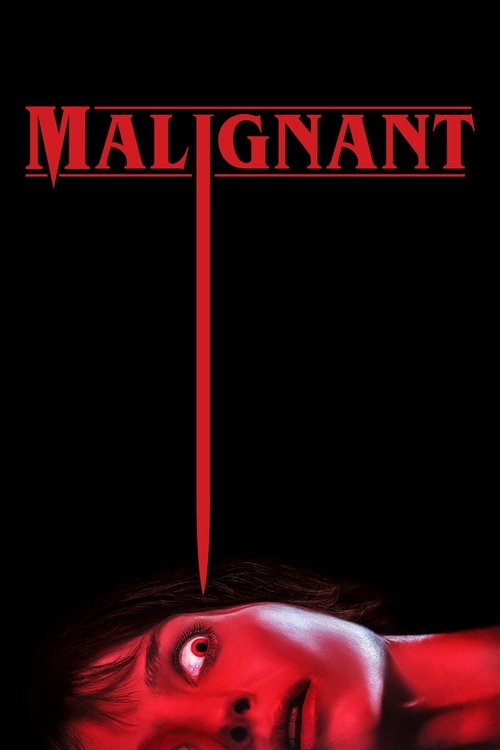
In the current landscape of horror, where "elevated" ghost stories and metaphor-heavy grief dramas often dominate the conversation, James Wan decided to throw a brick through the window of subtlety. When Malignant dropped in 2021—simultaneously in theaters and on HBO Max as part of Warner Bros.' pandemic-era release strategy—it felt like a glitch in the Matrix. After spending a decade building the ultra-lucrative Conjuring universe and directing billion-dollar blockbusters like Aquaman, Wan used his "blank check" status to make the most unhinged, high-budget B-movie of the 21st century. It is a film that starts as a moody supernatural thriller and ends as a heavy-metal action sequence that makes John Wick look like a Sunday school picnic.
The Giallo-Soaked Fever Dream
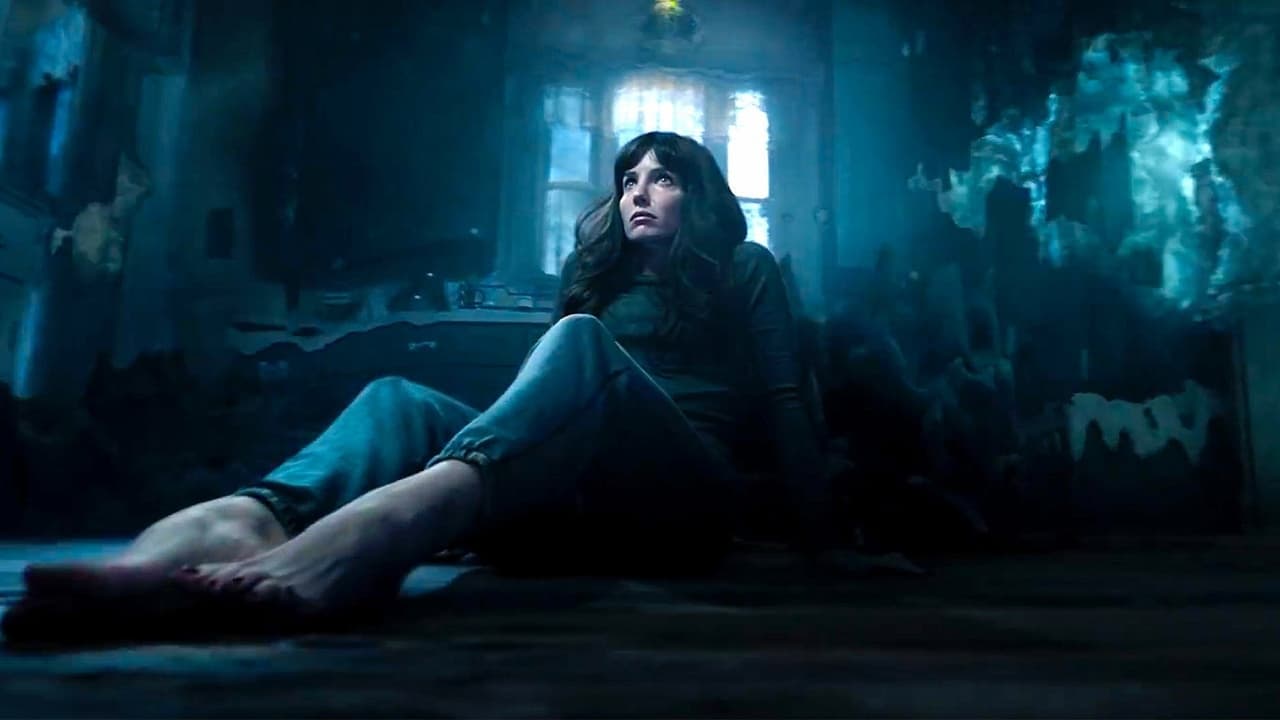
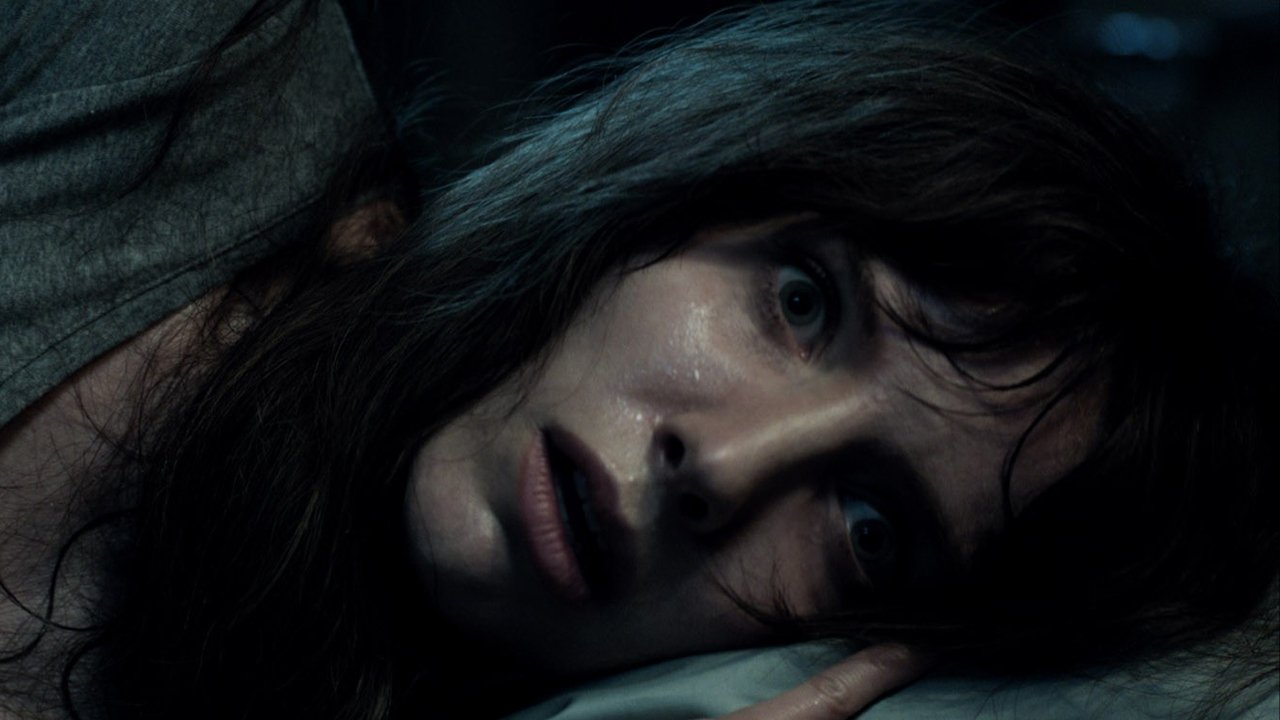
The story follows Madison, played with a permanent expression of terrified exhaustion by Annabelle Wallis. She’s trapped in a cycle of domestic trauma and mysterious miscarriages until a violent home invasion triggers a strange psychic connection. Suddenly, Madison is "seeing" grisly murders as they happen, paralyzed in place while a shadowy, trench-coated figure named Gabriel hacks his way through Seattle’s medical elite.
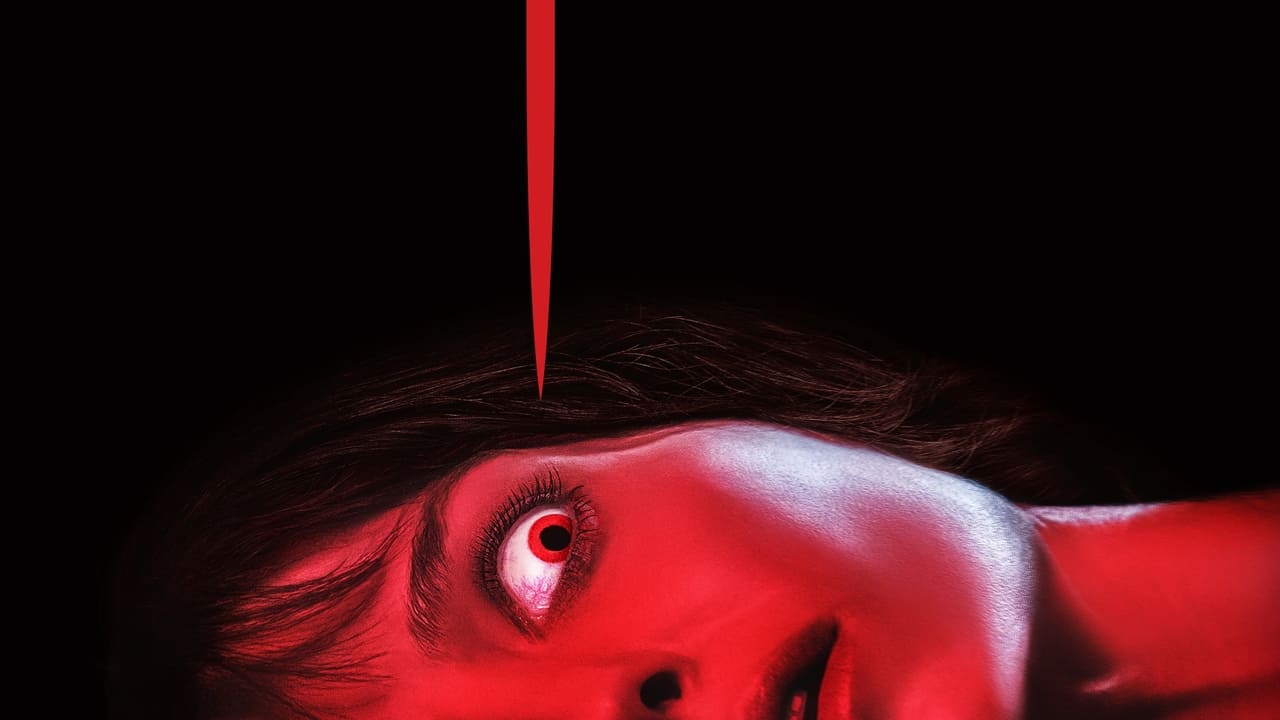
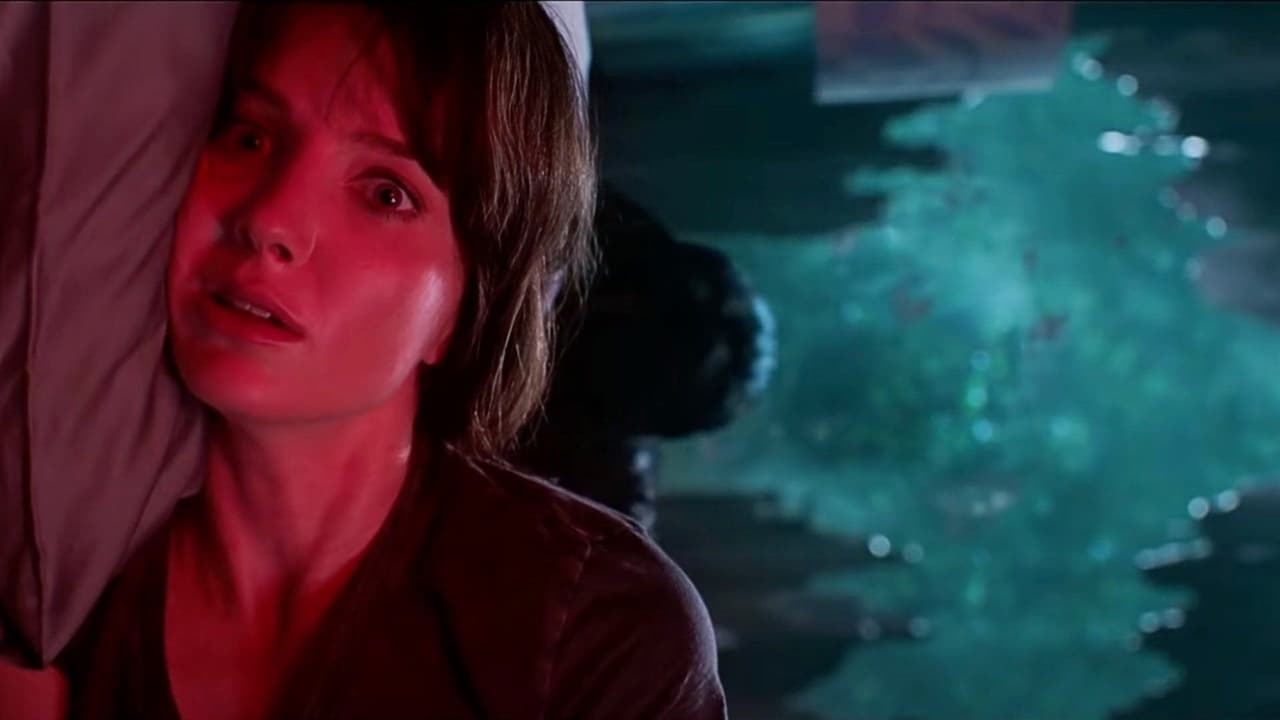
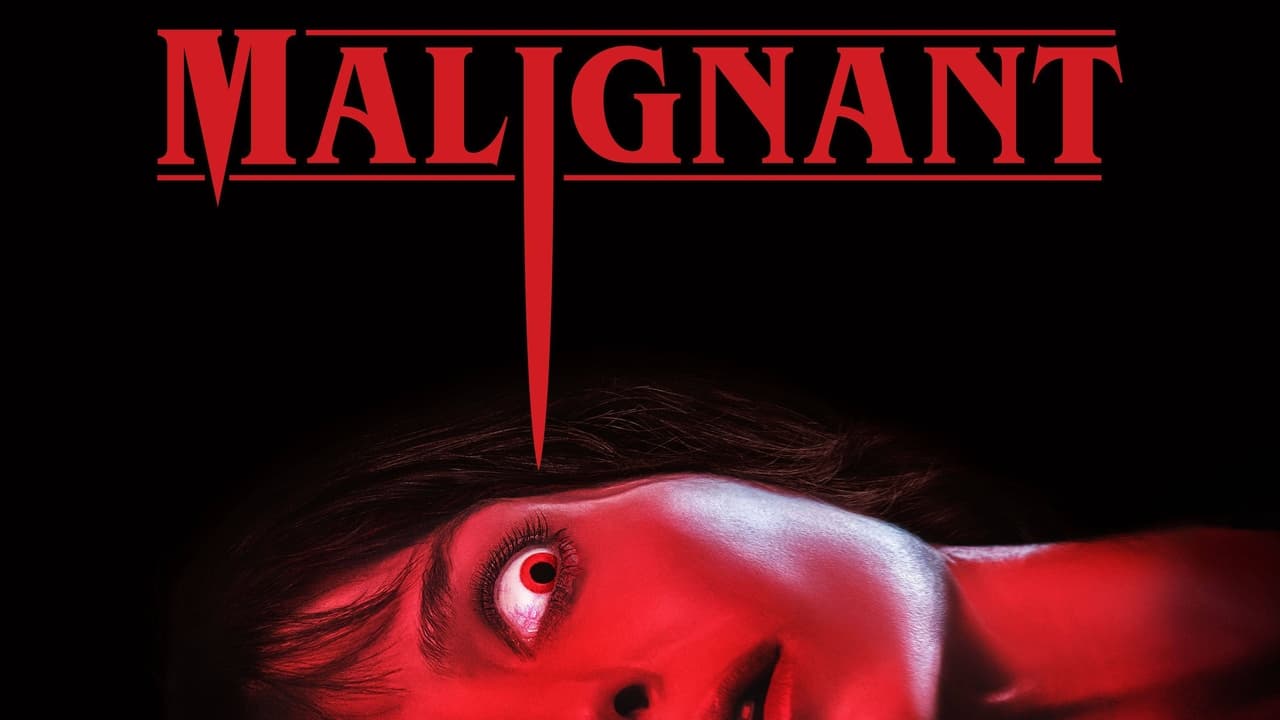
For the first hour, Malignant plays it relatively straight. It leans heavily into the Giallo aesthetic—that specific subgenre of Italian slasher films from the 70s defined by vibrant red lighting, leather gloves, and convoluted mysteries. Wan and cinematographer Michael Burgess fill the screen with saturated blues and crimson, making Madison’s house feel less like a home and more like a stage set for a nightmare. I watched this while drinking a lukewarm seltzer that tasted vaguely of "aluminum-flavored lime," and somehow, that mediocre beverage made the high-octane weirdness of the final thirty minutes feel even more like a fever dream.
A Masterclass in Audacity
The contemporary horror scene often rewards films for being "about" something—trauma, social injustice, or environmental collapse. Malignant is refreshingly, aggressively about itself. While it touches on themes of sisterhood (shoutout to Maddie Hasson as the incredibly supportive sister Sydney), it’s mostly a showcase for Wan’s technical prowess. The way the camera glides through walls or looks straight down at Madison as she sprints through her house is pure cinematic flex.
However, we have to talk about the "pivot." If you haven't seen the film, you’ve likely heard there’s a twist. Without spoiling the mechanics, I’ll say that the reveal of who (or what) Gabriel is represents a level of creative bravery we rarely see in studio filmmaking anymore. When the explanation finally arrived, I sat there with my mouth open, wondering how on earth a room full of executives looked at the concept art and said, "Yes, spend forty million dollars on this." It is grotesque, hilarious, and genuinely innovative. It’s basically a $40 million Troma movie with an Oscar-winning budget.
Behind the Chaos: The "Gabriel" Secret
The film’s secret weapon isn't just the CGI; it’s the physical performance. To achieve Gabriel’s uncanny, stuttering movement, Wan hired Marina Mazepa, a world-class contortionist. While Annabelle Wallis provides the emotional core, Mazepa provides the physical impossibility. Most of those "impossible" movements in the final act—the way Gabriel walks, fights, and climbs—were done practically by Mazepa moving backward.
A few more bits of trivia for the cult-classic-in-the-making crowd:
The film’s working title was Silvercup, a decoy to keep the plot details from leaking during the 2019 shoot. The "Where Is My Mind?" cover that plays during the climax was a polarizing choice, but it perfectly encapsulates the film’s "go for broke" attitude. The screenplay by Akela Cooper (who also penned the equally wild M3GAN) was inspired by real-life medical anomalies, though obviously turned up to eleven. Detective Shaw, played by George Young, actually did many of his own stunts during the chase scenes, adding to the film’s surprisingly high action quotient. * Ingrid Bisu, who plays Winnie (and co-wrote the story with Wan), intentionally channeled the "quirky forensic assistant" trope common in 90s procedurals.
The Social Media Cult Effect
Malignant is perhaps the ultimate "Post-Pandemic Social Media Movie." Because so many people watched it at home on the day of release, the discourse was instantaneous and electric. It wasn't a slow burn; it was an explosion. Half of my Twitter feed was calling it a "disaster," while the other half was declaring James Wan a visionary madman. This divide is exactly why it has already achieved cult status.
It’s a film that demands to be seen with a group of friends who are willing to scream at the TV. It’s loud, it’s messy, and it’s unapologetically weird. In an era where many franchise films feel like they were assembled by a committee in a boardroom, Malignant feels like it was conjured during a 3:00 AM brainstorm session where no one was allowed to say "no." It’s a reminder that horror is at its best when it’s willing to be a little bit stupid in the pursuit of something truly original.
James Wan’s Malignant is a middle finger to the "boring" horror movement, trading subtle creeps for a third act that defies physics and logic. It’s a polarizing, neon-soaked gift to genre fans who miss the days of practical effects and wild, swing-for-the-fences storytelling. Whether you love it or hate it, you will absolutely never forget the moment Gabriel finally takes center stage.
Keep Exploring...
-
The Boy
2016
-

The Conjuring 2
2016
-
A Cure for Wellness
2017
-
It Comes at Night
2017
-
Hereditary
2018
-

Suspiria
2018
-

Midsommar
2019
-
Escape Room: Tournament of Champions
2021
-
Fear Street: 1978
2021
-

Old
2021
-
Knock at the Cabin
2023
-
Life
2017
-

I'm Thinking of Ending Things
2020
-
Fear Street: 1994
2021
-

Last Night in Soho
2021
-
The Pale Blue Eye
2022
-
Black Mirror: Bandersnatch
2018
-

Ghostland
2018
-
Crimson Peak
2015
-
Escape Room
2019