Minari
"Home is wherever you can make things grow."
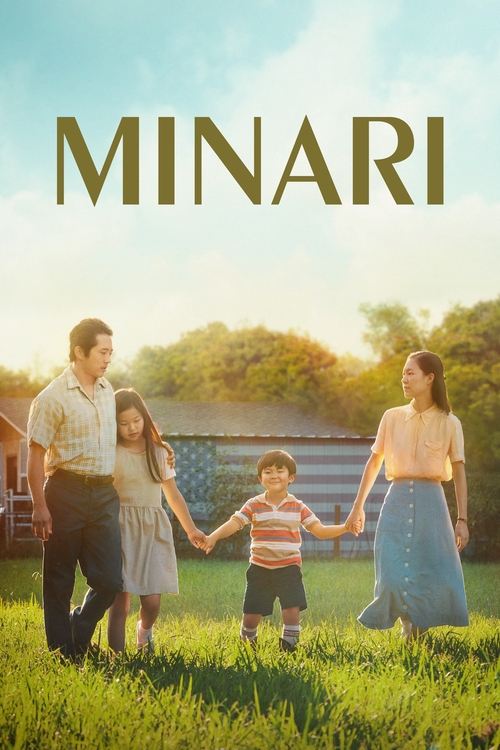
There’s a specific kind of dirt you only find in the American South—red, stubborn, and completely indifferent to your dreams. In the opening frames of Minari, we see Steven Yeun (of The Walking Dead and Burning fame) staring at a plot of Arkansas land with the wild, terrifying eyes of a man who has bet his family’s entire future on a trailer home and a prayer. It’s a 2021 film that feels like it belongs to the 1980s, yet it arrived exactly when our modern culture needed a reminder that "The American Dream" is usually just a polite way to describe back-breaking labor and a lot of domestic arguments.
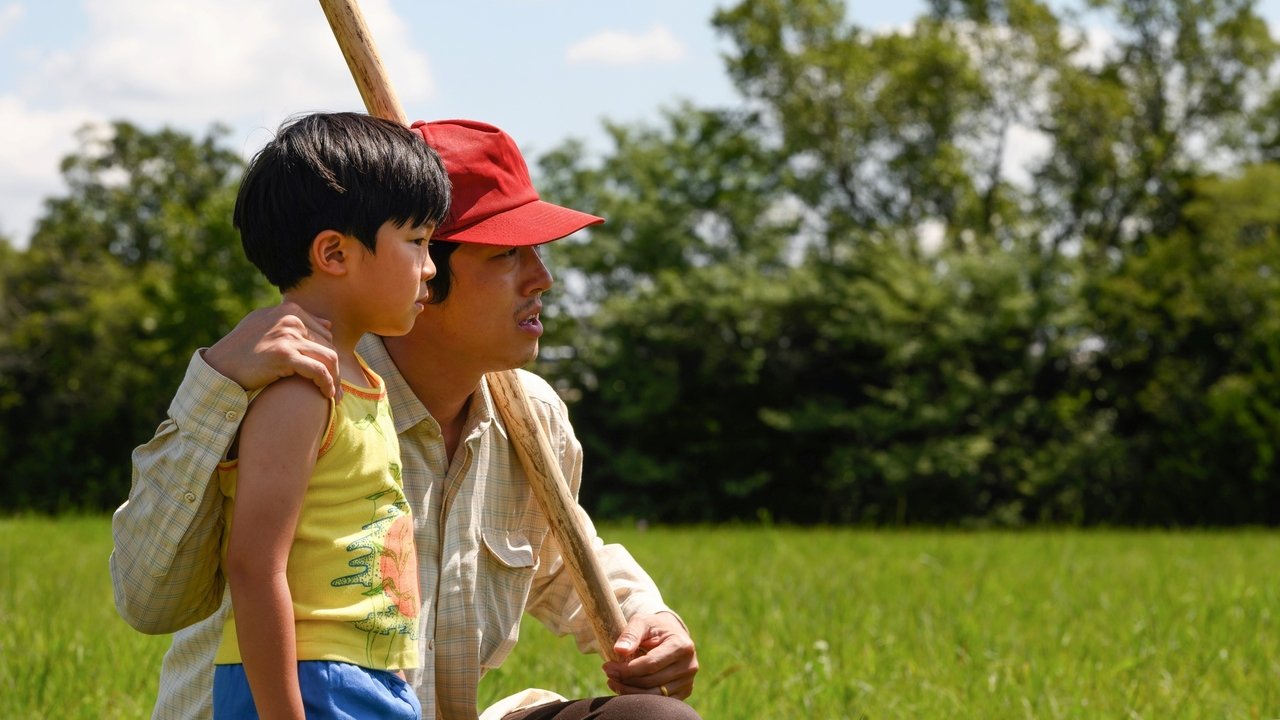
I watched this film on my laptop while eating a bowl of slightly burnt popcorn, and honestly, the smell of charred kernels felt like the perfect sensory companion to a movie about a family trying to keep their lives from going up in smoke.
Dirt, Dreams, and a Double-Wide
Released during the tail end of the pandemic’s grip on cinema, Minari felt like a breath of fresh, rural air. While the big studios were busy delaying their billion-dollar franchises for the fifth time, director Lee Isaac Chung delivered a story that was undeniably intimate. This isn’t a "Representative Film" in the way some modern PR departments check boxes; it’s a specific, lived-in memory. It follows Jacob (Steven Yeun), who moves his wife Monica (Han Yeri) and their two children from California to the Ozarks. Jacob wants to grow Korean vegetables; Monica just wants a floor that doesn't shake when the wind blows.
Steven Yeun is phenomenal here because he plays Jacob as someone who is essentially a gambling addict whose only currency is soil. He’s not a hero; he’s a man obsessed. Opposite him, Han Yeri provides the film’s emotional anchor. Her performance is a masterclass in the "silent scream"—you can see the toll of her husband's ambition in every weary sigh and the way she handles a chicken sexing job just to keep the lights on. The tension between them is the engine of the movie, and it feels uncomfortably real for anyone who has ever watched their parents argue about money over a laminate kitchen table.
The Grandma We Didn't Know We Needed
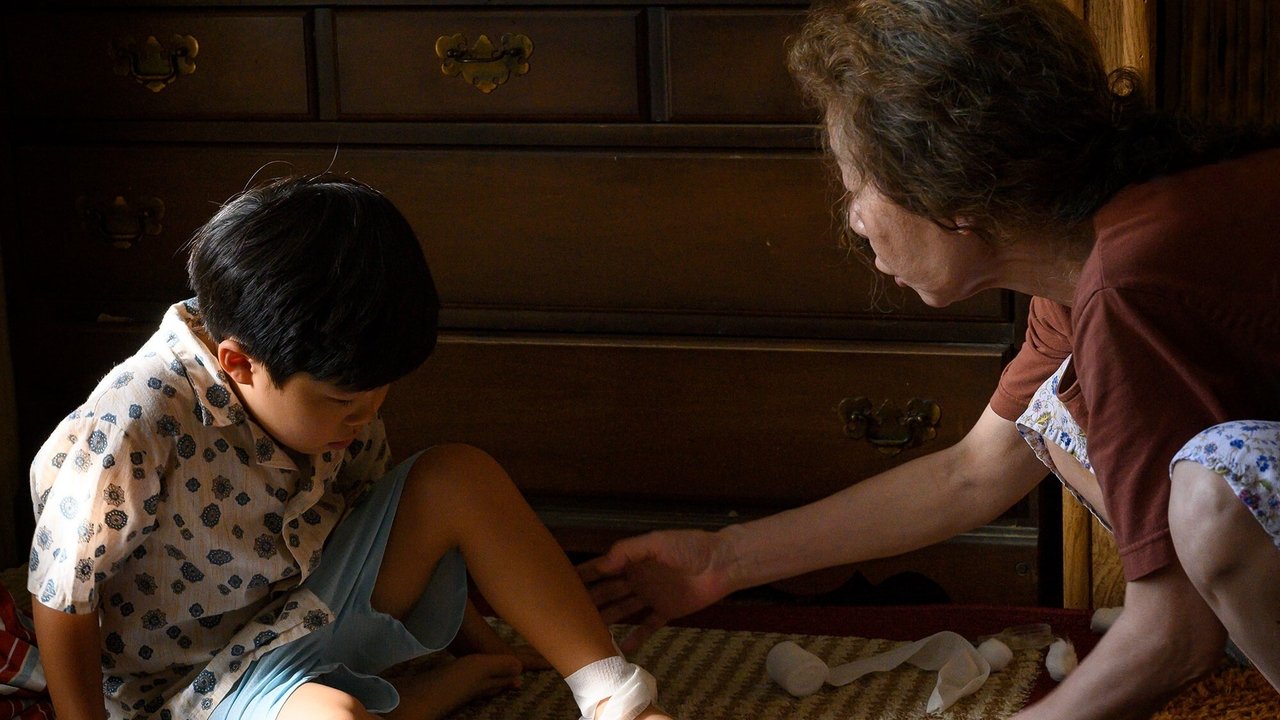
The movie shifts gears entirely when Grandma Soonja arrives, played by the legendary Youn Yuh-jung. If you’re expecting a cookie-bake-and-hug type of grandmother, you’re in the wrong zip code. Soonja drinks Mountain Dew, swears, and refuses to cook. Youn Yuh-jung became the first Korean actor to win an Oscar for this role, and she earned it by being the most chaotic element in a story that was otherwise drifting toward tragedy.
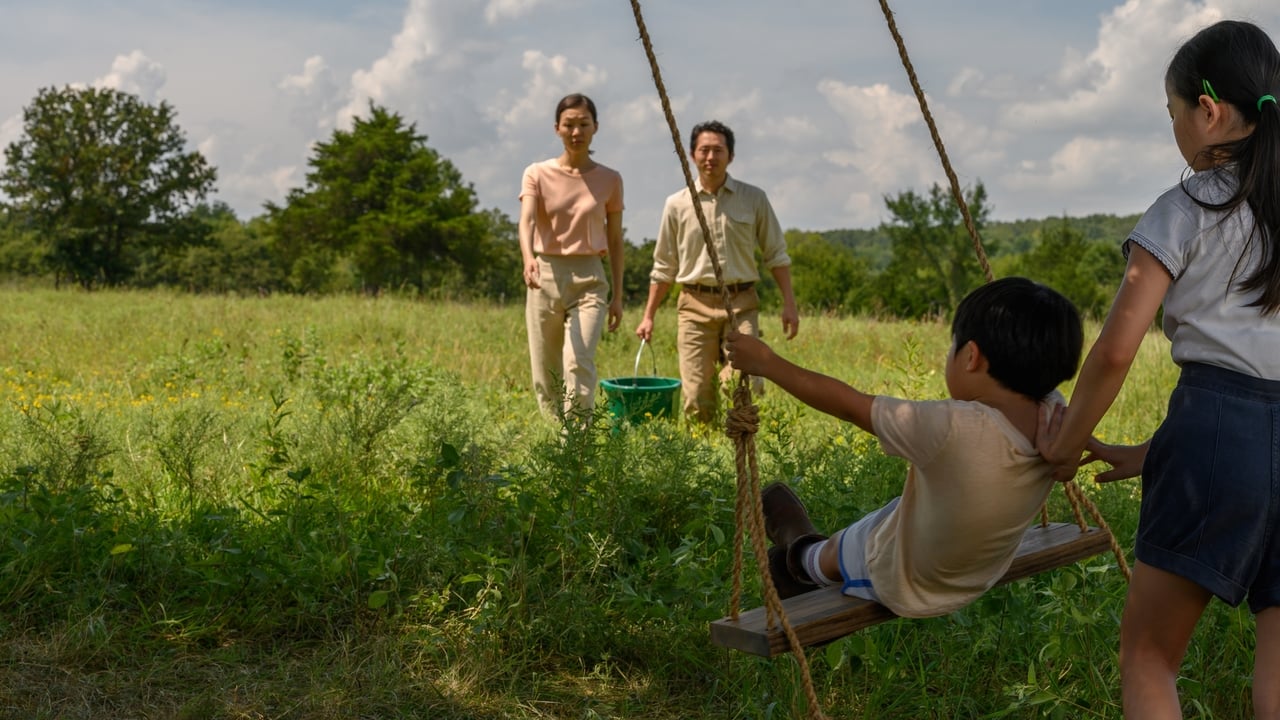
Her relationship with young David (Alan Kim) is the heart of the film. David is convinced she isn't a "real" grandma because she doesn't make cookies. Their war of attrition—involving some questionable "medicinal" tea and a lot of side-eye—is where the film finds its humor. It’s a reminder that family isn't something you choose or even necessarily like all the time; it’s just the group of people who happen to be standing in the mud with you.
High Stakes on a Shoestring
From a production standpoint, Minari is a triumph of the "Indie Hustle." It was produced by Dede Gardner and the folks at Plan B Entertainment for a measly $2 million. In an era where Disney spends that much on the digital fur of a background character, Lee Isaac Chung managed to make Arkansas (actually filmed in Oklahoma) look like a lush, terrifying Eden.
The film was shot in just 25 days. Think about that: 25 days to capture the lightning-in-a-bottle chemistry between a legendary Korean actress and a seven-year-old boy who had never been on a film set. They didn't have the budget for massive sets, so they used a real double-wide trailer that reportedly became a literal oven in the Oklahoma heat. You can see the real sweat on the actors' faces—that’s not a spray bottle, that’s the genuine misery of a non-union climate.
The "Minari" of the title refers to a Korean water celery that grows best in "foul" water. It’s a metaphor so obvious it should be cheesy, but in the hands of cinematographer Lachlan Milne, who gives the film a golden, hazy glow, it feels profound. The score by Emile Mosseri also deserves a shout-out; it’s ethereal and strange, sounding less like a traditional drama and more like a dream you’re struggling to remember.
Why It Matters Now
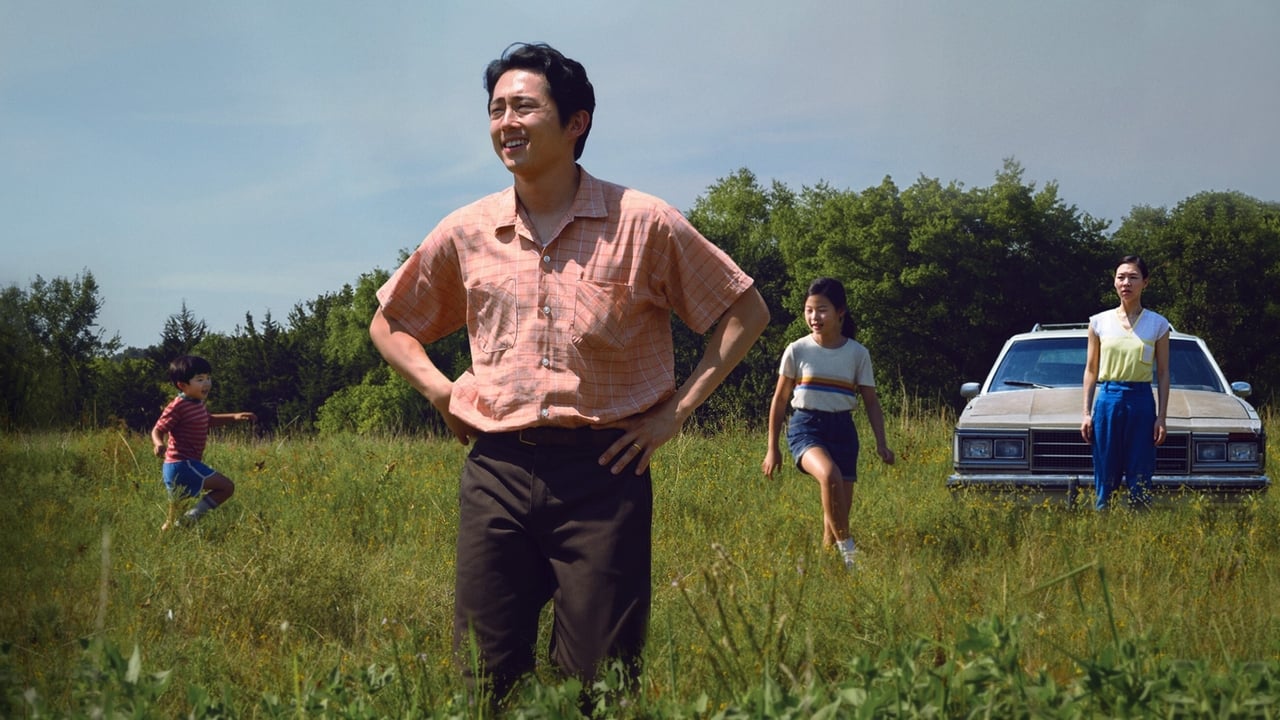
In our current era of franchise fatigue, Minari stands out because it doesn't care about "building a universe." It cares about whether Jacob’s well is going to run dry. It’s a film that succeeded because it leaned into its specificity. It didn't try to be "The Korean-American Experience"; it tried to be this family’s experience.
It’s also a perfect example of the "Sundance-to-Mainstream" pipeline that still works when the material is this strong. After winning both the Grand Jury Prize and the Audience Award at Sundance, it bypassed the usual indie "death by obscurity" and became a genuine cultural touchstone. It challenged the industry's narrow definitions of what an "American" story looks like, proving that a film largely in Korean is as domestic as a slice of apple pie.
If you haven't seen it yet, don't go in expecting a high-octane plot. Go in for the atmosphere. Go in for the way Will Patton—playing a local eccentric named Paul—carries a cross down a dirt road on Sundays. Paul is basically a fever dream in a flannel shirt, and he provides a strange, religious texture to the film that makes the Ozarks feel haunted and holy all at once.
Minari is a quiet film that leaves a loud echo. It avoids the easy traps of melodrama, opting instead for a grounded, sometimes painful look at what happens when our ambitions outpace our resources. It’s a story about the resilience of things that shouldn't survive but do anyway. Whether you’re a fan of A24’s indie aesthetic or just someone who appreciates a damn good performance, this is a modern landmark that deserves every bit of the praise it’s harvested.

Keep Exploring...
-

Hunt for the Wilderpeople
2016
-

Moonlight
2016
-

Swiss Army Man
2016
-

The Witch
2016
-

A Ghost Story
2017
-

Good Time
2017
-

The Florida Project
2017
-

The Wall
2017
-
American Animals
2018
-
Arctic
2018
-
Eighth Grade
2018
-
First Reformed
2018
-
mid90s
2018
-

Searching
2018
-
The Miseducation of Cameron Post
2018
-

Late Night
2019
-

The Farewell
2019
-
Run
2020
-
Malcolm & Marie
2021
-
Pig
2021