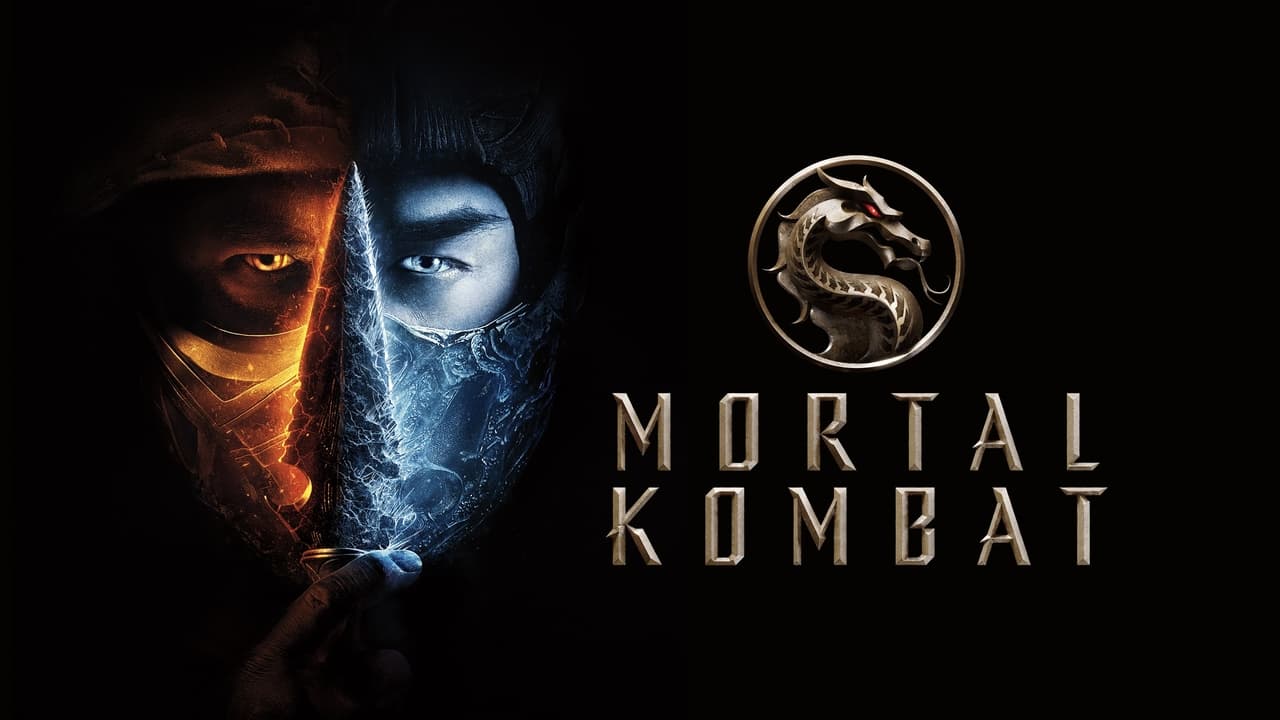
Mortal Kombat
"Choose your fighter, embrace the gore."
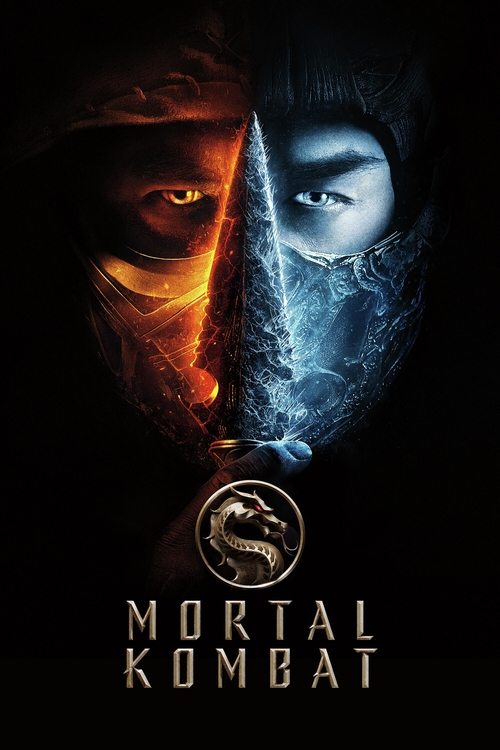
The first seven minutes of 2021’s Mortal Kombat are legitimately incredible. We’re in 17th-century Japan, the atmosphere is thick with dread, and Hiroyuki Sanada (who you’ve seen being a total badass in John Wick: Chapter 4) is engaging in a desperate, hardware-store-meets-ninja-magic brawl against Joe Taslim. It’s quiet, it’s brutal, and it promises a prestige martial arts epic that the rest of the movie has absolutely no intention of delivering. I watched this opening sequence while eating a bowl of Life cereal that had gone slightly soggy because I was too mesmerized by the way Joe Taslim moved to look down at my spoon, and for a moment, I thought we were getting a masterpiece.
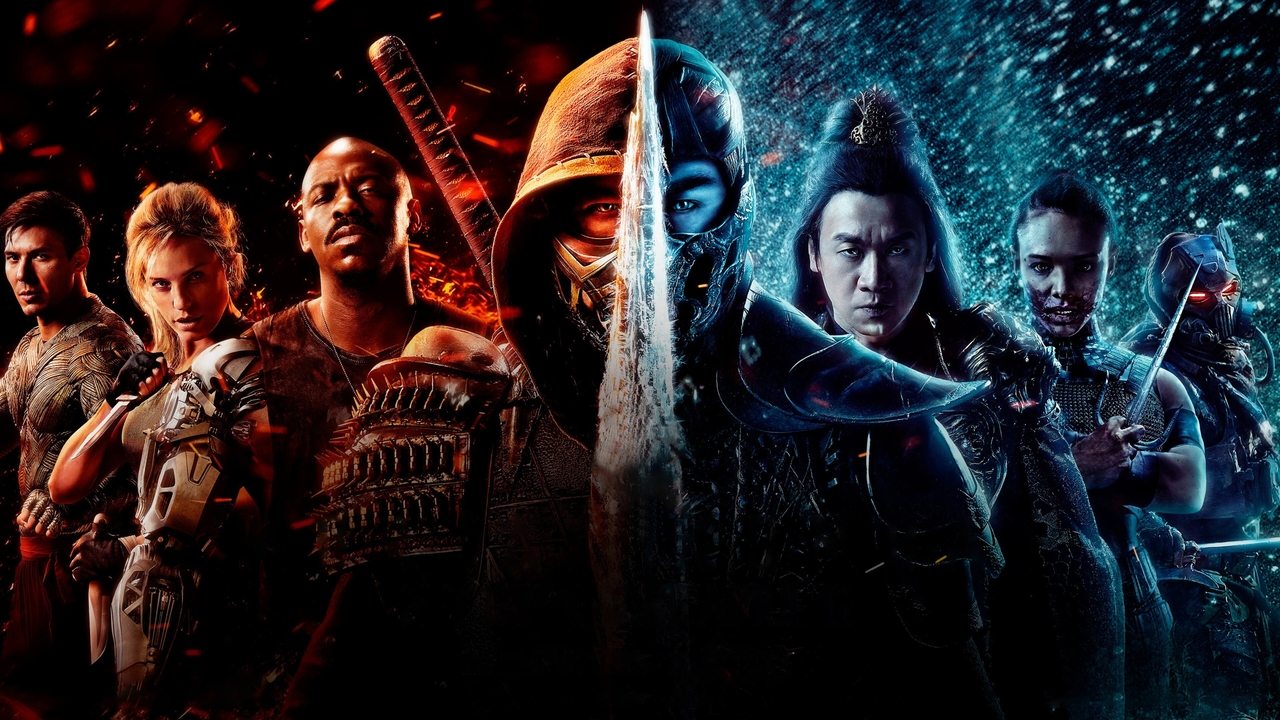
Instead, we got a "Contemporary Franchise Starter"—a film born in the strange, flickering light of the pandemic era where HBO Max was hungry for "day-and-date" content to keep us from losing our minds in lockdown. It’s a movie that knows exactly what its fans want (blood, catchphrases, and more blood) but struggles with the fact that it also has to explain its convoluted lore to my mom.
The Kano Carrying Service
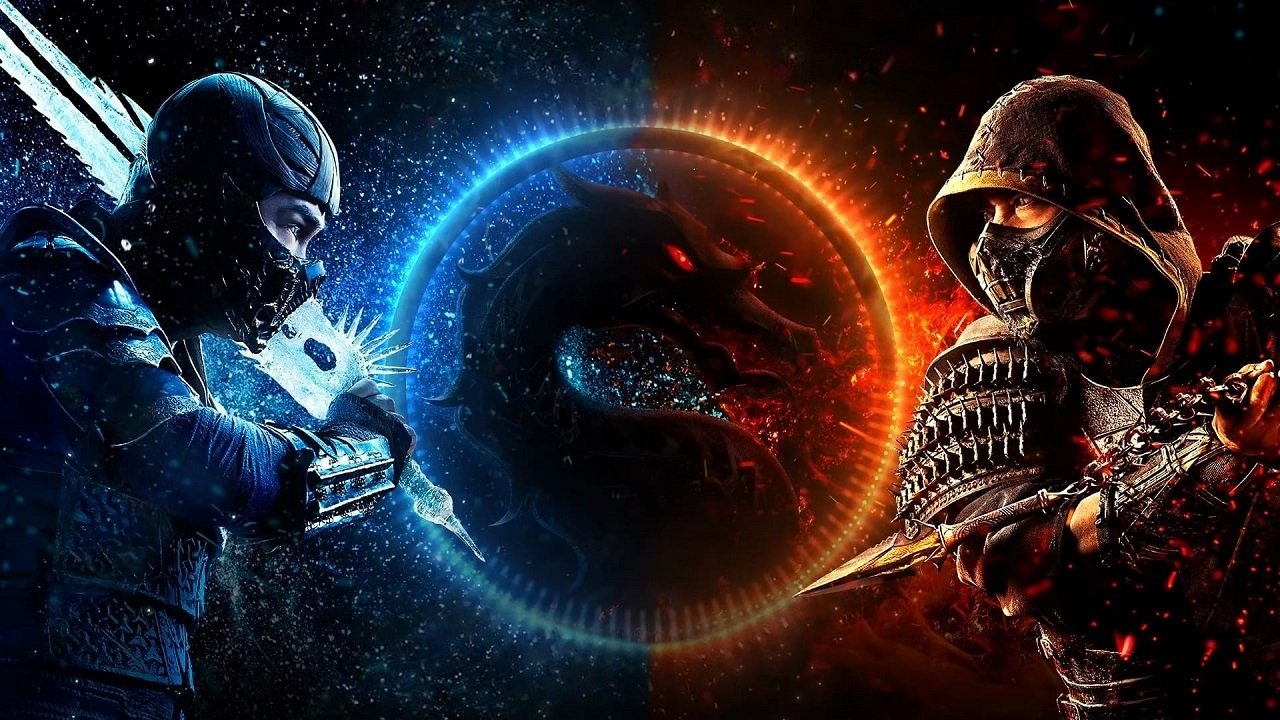
Once we leave feudal Japan, we’re introduced to Cole Young, played by Lewis Tan (Wu Assassins). Cole is a brand-new character created for the film, and if I’m being honest, Cole Young has the personality of a room-temperature glass of water. He’s the "audience surrogate," which is Hollywood speak for "the guy who stands around asking questions so the other characters can explain the plot." He’s an MMA fighter who discovers he has a literal birthmark in the shape of the Mortal Kombat logo—which the movie calls "Arcana"—which apparently grants you superpowers if you train hard enough or get beaten up sufficiently.
Thankfully, the movie is rescued from its own earnestness by Josh Lawson as Kano. Usually, in these big IP reboots, everyone is terrified of offending the source material, but Lawson decided to play Kano as a foul-mouthed, chaotic Brisbane tourist who wandered onto the wrong set. He is hilarious, obnoxious, and utterly essential. Every time the movie threatens to get too bogged down in "Earthrealm" prophecies, Lawson lets out a localized insult that reminded me why I actually enjoy these movies. He balances out the stoicism of Jessica McNamee’s Sonya Blade and the sheer "just happy to be here" energy of Mehcad Brooks as Jax.
Fatalities and Franchise Fatigue
Director Simon McQuoid comes from a background in high-end commercials, and you can see that in the visual polish. The film doesn't look cheap, even if the budget was a relatively modest $20 million (a pittance compared to the MCU juggernauts of the same year). The production design leans into a gritty, tactile reality—until the magic starts.
This is where the "Action" genre requirements get interesting. The choreography is a mixed bag. When you have world-class martial artists like Joe Taslim (who was so fast on set that McQuoid reportedly had to ask him to slow down so the camera could actually track his movements), the fights are crisp and readable. However, the film occasionally falls into the modern trap of "rapid-fire editing" to hide the fact that not everyone in the cast spent twenty years in a dojo.
The real star, of course, is the gore. After the 1995 version played it safe with a PG-13 rating, fans spent decades screaming for an R-rated adaptation that honored the games' "Fatalities." This movie delivers. There is a sequence involving a hat and a buzzsaw that made me audibly yelp. It’s gratuitous, it’s silly, and it’s exactly what the "Cult Classic" DNA of this series demands. The movie treats internal organs like confetti, and in a weird way, that honesty is refreshing in a landscape of sanitized superhero brawls.
Stuff You Didn't Notice
One of the more charming things about this reboot is how it wears its heart on its sleeve regarding its origins. The "Arcana" system—where characters manifest their powers—was a bit of a controversial choice among purists, but it was a creative solution to the "why does that guy have ice hands?" question.
Behind the scenes, the production was a massive undertaking in South Australia. Interestingly, the film features no actual "Tournament." It’s all the preamble to the tournament, which is a bold, possibly stupid move for a movie literally titled Mortal Kombat. It’s a symptom of "Franchise Fever"—the desperate need to save the best stuff for a sequel that isn't guaranteed.
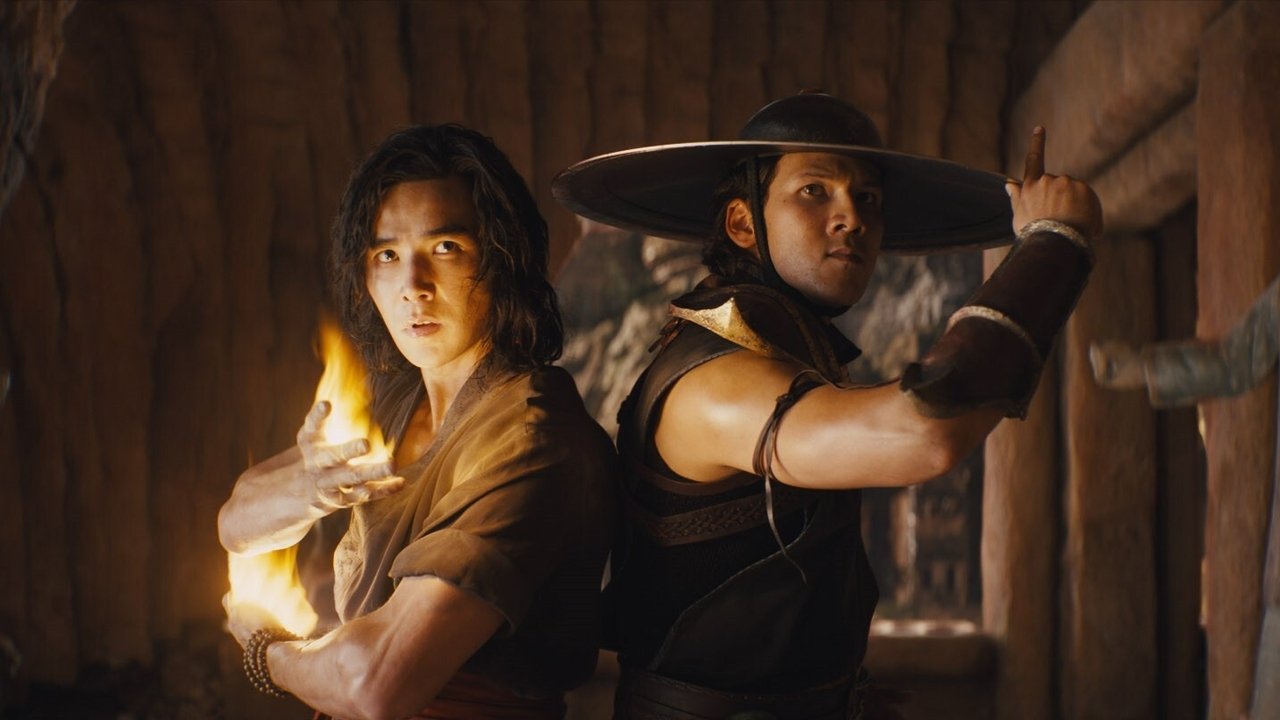
Also, a fun bit of trivia for the sound nerds: the iconic "Get Over Here!" line wasn't just a soundbite pulled from the game. Hiroyuki Sanada recorded it himself, insisting on bringing his own gravelly, vengeful weight to the phrase. And if you listen closely to the score by Benjamin Wallfisch (Blade Runner 2049), he sneaks in snippets of the techno-thumping 1995 theme song, because he knows that’s the only way to truly summon the spirit of the 90s.
Ultimately, Mortal Kombat (2021) is a very loud, very red bridge between two eras of cinema. It’s got the digital sheen and "universe-building" obsession of the 2020s, but the soul of a midnight B-movie from 1994. It doesn't quite stick the landing—the ending feels like a TV pilot abruptly stopping—but the journey there is filled with enough bone-crunching impact to satisfy anyone who grew up wasting quarters in a smoky arcade. It’s not a flawless victory, but it’s a win nonetheless.
If you're looking for deep character arcs or a meditation on the human condition, you've wandered into the wrong arena. But if you want to see a guy with four arms get punched in the face by a man with bionic limbs, I can’t think of a better way to spend 110 minutes. Just make sure your cereal hasn't gone soggy by the time the credits roll.
Keep Exploring...
-
Wonder Woman 1984
2020
-

Shang-Chi and the Legend of the Ten Rings
2021
-
The Great Wall
2016
-
Warcraft
2016
-
Pacific Rim: Uprising
2018
-
Tomb Raider
2018
-
Pokémon Detective Pikachu
2019
-
Mulan
2020
-
Jungle Cruise
2021
-
Raya and the Last Dragon
2021
-
The Northman
2022
-
Aquaman and the Lost Kingdom
2023
-
Damsel
2024
-
Monster Hunter
2020
-
Aquaman
2018
-
The Last Witch Hunter
2015
-
Doctor Strange
2016
-
Justice League vs. Teen Titans
2016
-
Star Trek Beyond
2016
-
X-Men: Apocalypse
2016