No Time to Die
"Bond takes a final, bloody bow."
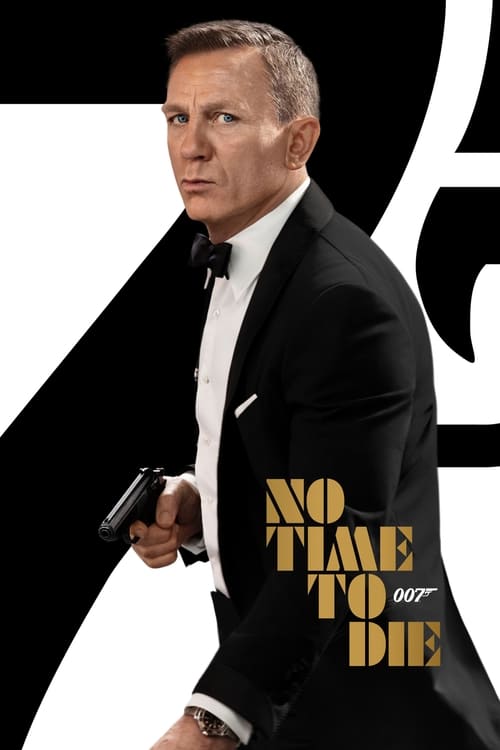
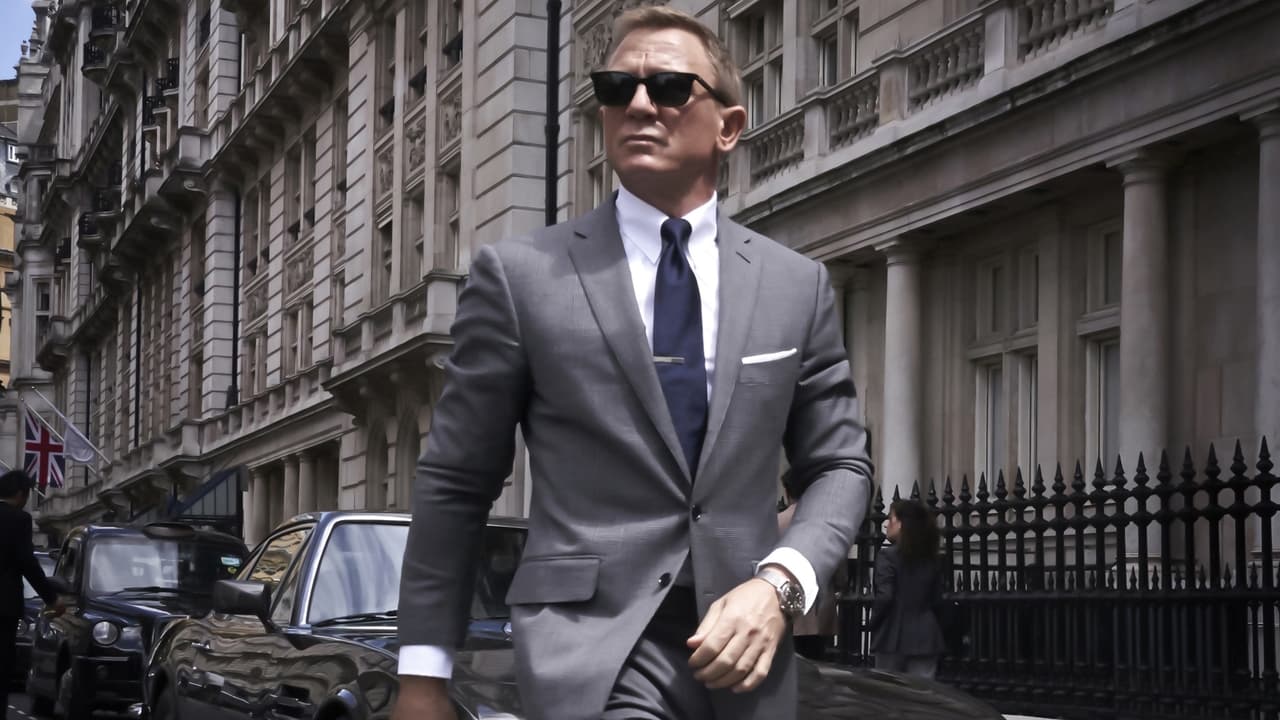
The image of Daniel Craig’s James Bond standing alone on a concrete island, watching the horizon turn into a terminal firestorm, isn't just a movie ending; it’s the closing of a fifteen-year chapter of British cultural history. I watched this film in a theater where the person behind me kept whispering, "Is that the guy from Bohemian Rhapsody?" every time the villain appeared, and honestly, the sheer tension in the room was enough to drown out even the loudest popcorn muncher. No Time to Die arrived with the weight of the world on its shoulders, delayed by a global pandemic and burdened with the impossible task of giving the grittiest Bond ever a proper goodbye.
The Weight of the Suit
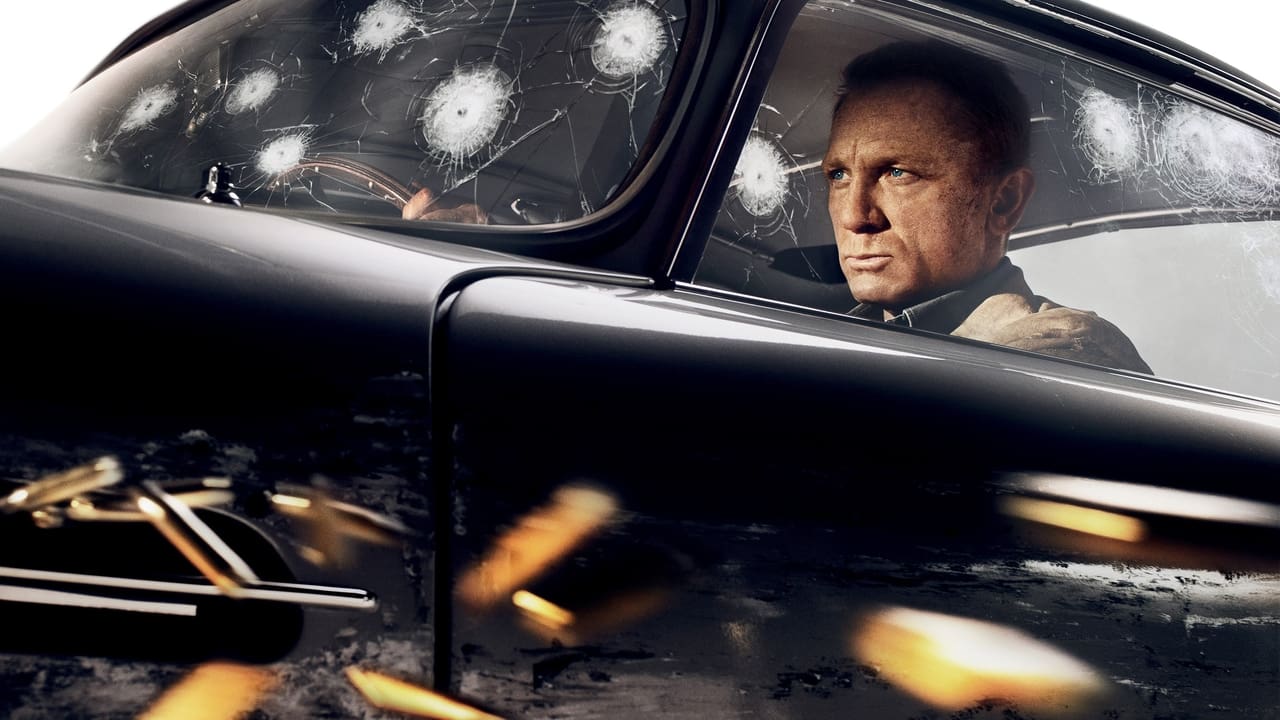
When Daniel Craig first emerged from the ocean in Casino Royale (2006), he looked like he’d rather punch the camera than flirt with it. He brought a bruising, existential weariness to a role that had spent the previous decade sliding into invisible cars and cartoonish gadgetry. In this final outing, that weariness is no longer a character choice—it’s the soul of the film. This Bond is retired, slightly out of step with the modern world, and nursing a broken heart that even a Vesper martini can’t fix.
The contemporary landscape of 2021 demanded a different kind of hero. In an era of franchise dominance where every character is an indestructible brand asset, No Time to Die dares to treat 007 as a mortal man. The stakes aren't just about a "Heracles" virus—though the biological warfare plot felt eerily, uncomfortably relevant during its post-lockdown release—they’re about Bond’s legacy. The addition of Lashana Lynch as Nomi, the new 007, was a brilliant move that played directly into our modern conversations about representation and tradition. She isn't a replacement; she’s a reminder that the world moves on, even if the legends don't want it to.
Stunts, Silencers, and One Hell of a Stairwell
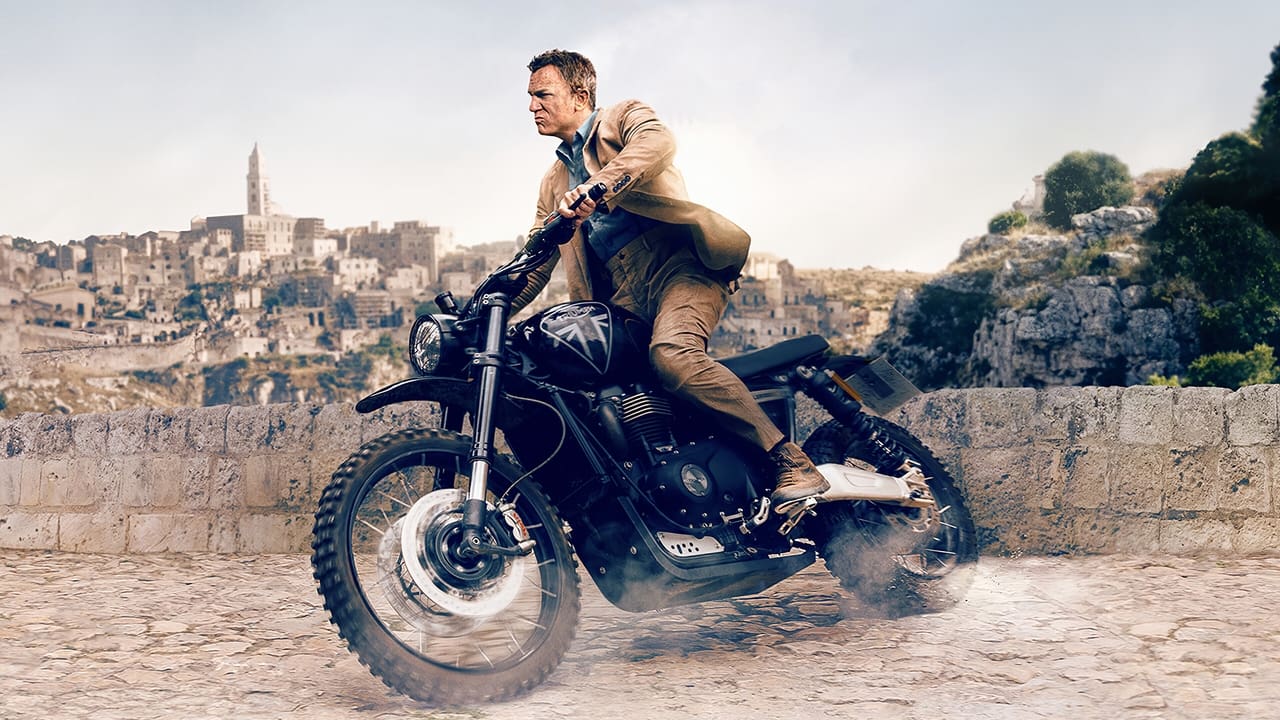
Director Cary Joji Fukunaga (famous for that staggering long take in True Detective) brings a visual elegance to the action that we haven't seen since Sam Mendes’ Skyfall (2012). The opening sequence in Matera, Italy, is a masterclass in practical execution. Seeing the Aston Martin DB5 do "donuts" while spitting lead from its headlights isn't just fan service—it’s a reminder of why we still go to the cinema. The stunt team reportedly sprayed 8,400 gallons of Coca-Cola on the streets of Matera to make them sticky enough for the motorcycle jumps. That's the kind of tactile, physical filmmaking that CGI-heavy blockbusters usually ignore.
The middle act in Cuba introduces Ana de Armas as Paloma, and frankly, she is the only person in the film who looks like she’s actually having fun. Her three-week training for a ten-minute sequence paid off in a fight scene that is arguably the highlight of the movie. It’s light, fast, and rhythmic—a stark contrast to the grueling, claustrophobic stairwell shootout near the film’s climax. That stairwell scene, filmed in a seemingly continuous take, captures the brutal exhaustion of Bond’s life. Every punch feels like it hurts; every breath sounds like a struggle.
The Pandemic-Era Titan
We can’t talk about No Time to Die without acknowledging its status as the "Savior of Cinema." It was the first major blockbuster to blink when COVID-19 hit, and its multiple delays reportedly cost MGM nearly $1 million a month in interest alone. When it finally arrived, it felt like a communal sigh of relief. The $774 million box office wasn't just a win for EON Productions; it was a signal that the theatrical experience could survive the streaming era's surge.
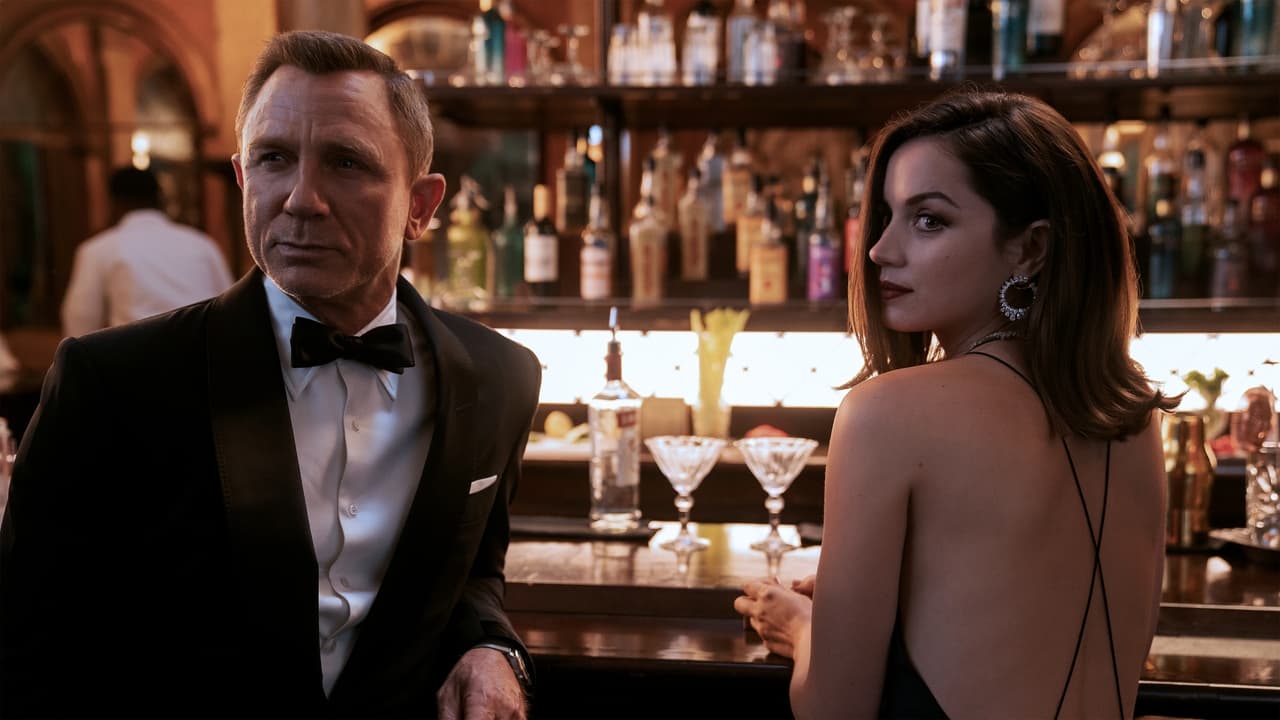
Behind the scenes, the production was as dramatic as the plot. Daniel Craig famously broke his ankle during filming in Jamaica, requiring surgery and a very specific rehabilitation schedule. Then there was the "Phoebe Waller-Bridge" factor. The Fleabag creator was brought in to polish the script, and you can feel her touch in the sharper, more human interactions between Bond and Léa Seydoux’s Madeleine. The dialogue actually breathes, moving away from the stiff, staccato "Bond-speak" of the past.
However, the film isn't without its stumbles. Rami Malek’s Safin looks like he’s auditioning for a Phantom of the Opera reboot that never happened. While Malek is a gifted actor, the villain feels like a relic of an older Bond era—vague motivations, a secret lair on a private island, and a face of prosthetics that feels a bit "box-checking" in terms of tropes. He’s a functional threat, but he lacks the terrifying intimacy of Mads Mikkelsen’s Le Chiffre or the grandiosity of Javier Bardem’s Silva.
Ultimately, No Time to Die succeeds because it refuses to play it safe. It’s a long, sprawling, occasionally messy epic that cares more about its characters’ endings than its villain's plan. It’s an intense, dark, and beautifully shot farewell to the man who redefined what it means to be a "blunt instrument." Whether you loved the controversial ending or hated it, you can't deny that it left a mark. James Bond will return, of course, but for me, this was the perfect, bruised sunset for the best 007 we’ve ever had.

Keep Exploring...
-
Spectre
2015
-

Skyfall
2012
-
Casino Royale
2006
-

Goldfinger
1964
-
Quantum of Solace
2008
-
GoldenEye
1995
-
Tomorrow Never Dies
1997
-
From Russia with Love
1963
-
Thunderball
1965
-
You Only Live Twice
1967
-
Live and Let Die
1973
-
The Spy Who Loved Me
1977
-
For Your Eyes Only
1981
-
Octopussy
1983
-
The Living Daylights
1987
-
Licence to Kill
1989
-
Die Another Day
2002
-
Dr. No
1962
-
On Her Majesty's Secret Service
1969
-
Moonraker
1979