Parallel Mothers
"The truth will out, but it usually hurts."
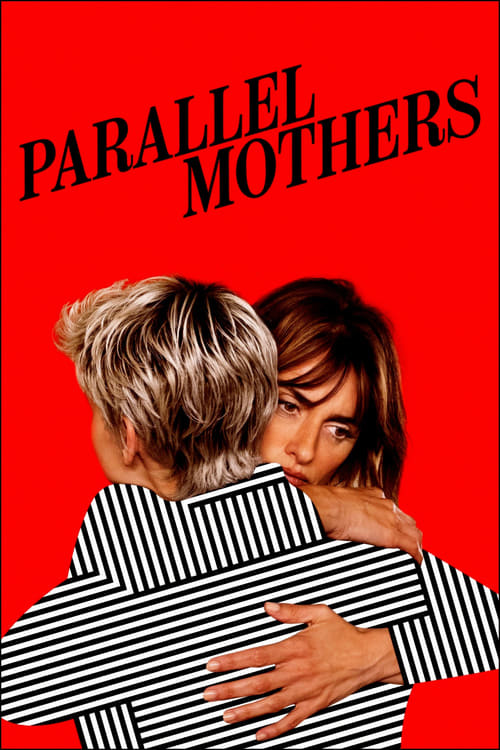
If you ever find yourself in a room where every kitchen towel perfectly matches the wallpaper and the espresso machine looks like it was designed by a mid-century Italian deity, you’ve likely wandered into the world of Pedro Almodóvar. For decades, the Spanish maestro has been the patron saint of vibrant, primary-colored melodramas, but with Parallel Mothers (2021), he decided to stop simply painting the walls and started digging up the floorboards. I watched this while my neighbor was outside power-washing their driveway, and that relentless, buzzing pressure felt oddly appropriate for a film that is constantly vibrating with secrets.

Released during that weird, stuttering period when theaters were tentatively reopening their doors post-lockdown, Parallel Mothers arrived like a bolt of lightning. It’s a movie that feels quintessentially "now," engaging with the contemporary obsession with DNA, heritage, and the long-overdue reckoning with national trauma, all while draped in the chicest cardigans imaginable.
The Swap, The Secret, and The Scrutiny
The setup is classic Almodóvar, leaning into the kind of high-stakes coincidence that would make a soap opera writer blush. Two women, Janis (Penélope Cruz) and Ana (Milena Smit), share a hospital room while waiting to give birth. Janis is a middle-aged photographer who is ecstatic about her accidental pregnancy; Ana is a terrified teenager whose mother is more interested in her own acting career than her daughter’s transition into parenthood. They bond, they deliver, and they go their separate ways—but, as the title suggests, their lives aren't done intersecting.
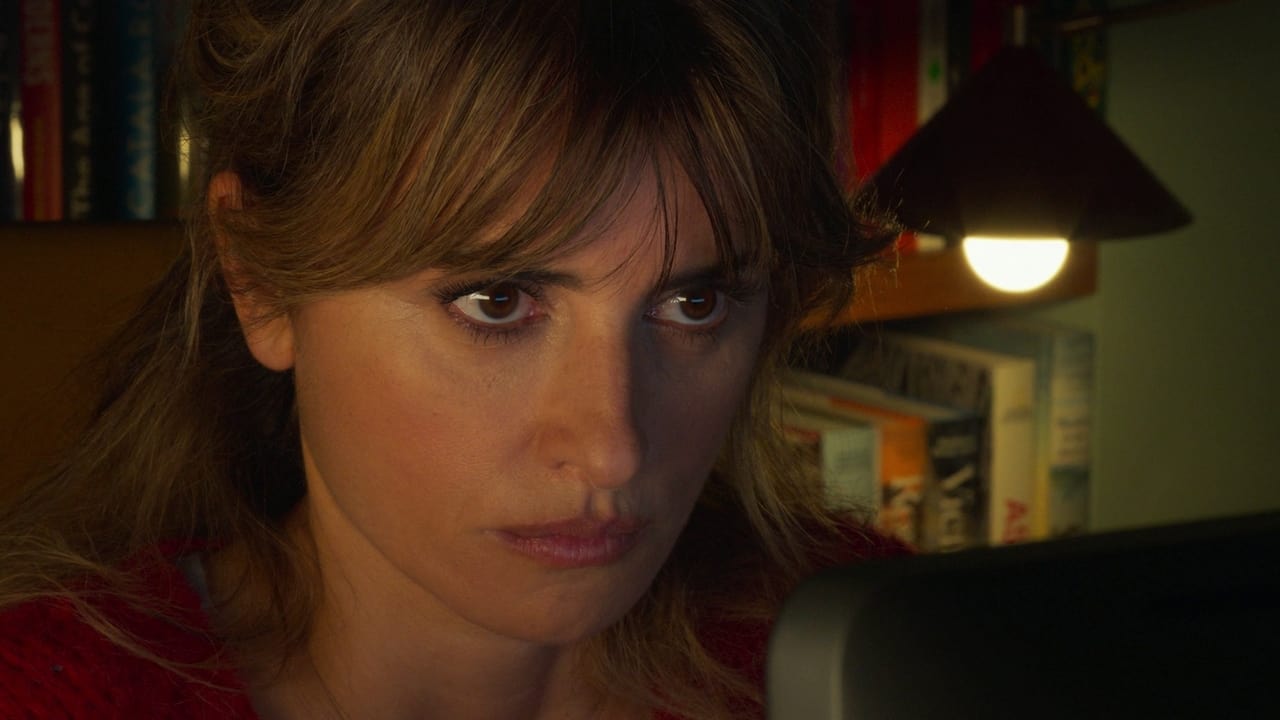
Penélope Cruz is, quite frankly, operating on a level of celestial brilliance here. This is her seventh collaboration with Almodóvar (following the likes of Volver and Pain and Glory), and the shorthand between them is palpable. She plays Janis with a frantic, internalised guilt that makes her skin seem to hum. When the plot takes a sharp turn into "did the hospital mix up the babies?" territory, Cruz doesn't play the melodrama; she plays the terror. Watching Penélope Cruz look at a baby she suspects isn’t hers is more stressful than any horror movie I’ve seen in the last five years.
Opposite her, Milena Smit is a revelation. In an era where we’re seeing a massive influx of "fresh faces" thanks to streaming-driven casting, Smit stands out as someone with genuine, old-school gravity. She’s got this ethereal, haunted quality that balances Cruz’s grounded warmth.
Digging Up the Ghost of Franco
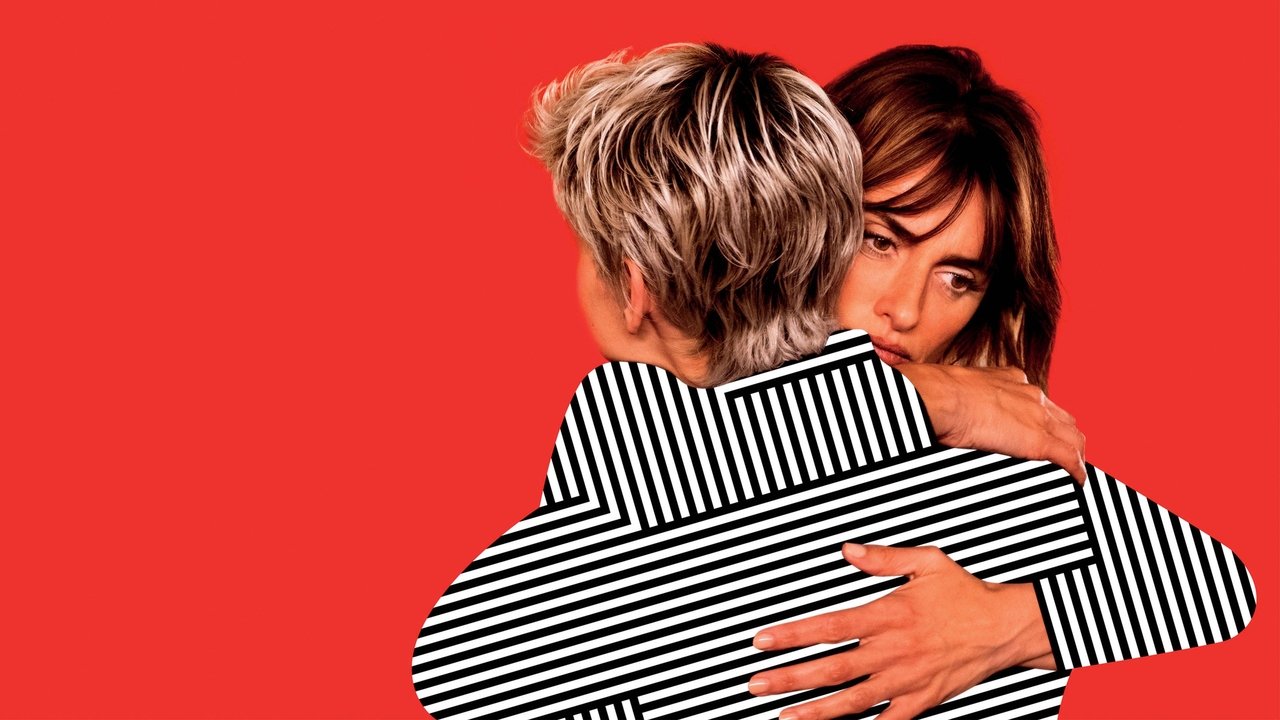
While the "baby swap" plot provides the engine, the fuel is something much more somber. Janis is obsessed with opening a mass grave in her home village, where her grandfather and several other men were executed by Franco’s falangists during the Spanish Civil War. This is where Parallel Mothers transcends its genre.
Almodóvar has spent most of his career avoiding the literal politics of the Spanish Civil War, focusing instead on the hedonistic freedom of post-Franco Spain. By tackling it now, he’s engaging with a very contemporary Spanish conversation: the Law of Historical Memory. He basically took a Douglas Sirk melodrama and crashed it headfirst into a forensic documentary. It shouldn't work. On paper, it sounds like two different movies fighting for space. But somehow, the link between "who is this child’s mother?" and "where is my grandfather’s body?" becomes a profound meditation on the necessity of truth.
The film serves as a sharp reminder that in our current "post-truth" era, the facts—whether they are in our blood or buried under the dirt—eventually demand to be heard. Almodóvar isn’t interested in "cancel culture" or modern social media squabbles; he’s interested in the biological and historical debt we owe to the past.
Style as Substance
We have to talk about the look. Cinematographer José Luis Alcaine (who worked on the stunning The Skin I Live In) saturates the screen with reds so deep you could drown in them. In a contemporary cinema landscape that often feels washed out by muddy "digital" color grading, Almodóvar’s films feel like a defiant stand for the power of the palette. Every frame is a composition you’d want to hang on your wall.

The production design by Antxón Gómez is equally meticulous. Janis’s apartment is a masterclass in "aspirational adulting." But look closer, and the clutter tells a story of a woman trying to curate a life to hide a hole in her heart. Even the trivia behind the scenes reflects this attention to detail: Penélope Cruz reportedly spent hours practicing how to make a proper Spanish omelet on camera because Almodóvar insisted the character’s domesticity feel lived-in.
Then there’s the score by Alberto Iglesias. It’s Hitchcockian—full of nervous strings and sudden swells. It tells you that even when the characters are just standing in a sunlit kitchen, something is terribly, terribly wrong.
Parallel Mothers is a film that demands you pay attention to the silence between the words. It’s a movie that understands that we are all walking over the graves of people we never knew, carrying secrets we’re afraid to tell. It’s a "now" movie that understands "now" is nothing without "then." If you think you know Almodóvar, or if you think you’re tired of family dramas, this is the one to change your mind. It’s vibrant, it’s heartbreaking, and it’s arguably the most important thing the director has ever put to film. Just don't expect to look at a Spanish omelet the same way again.

Keep Exploring...
-
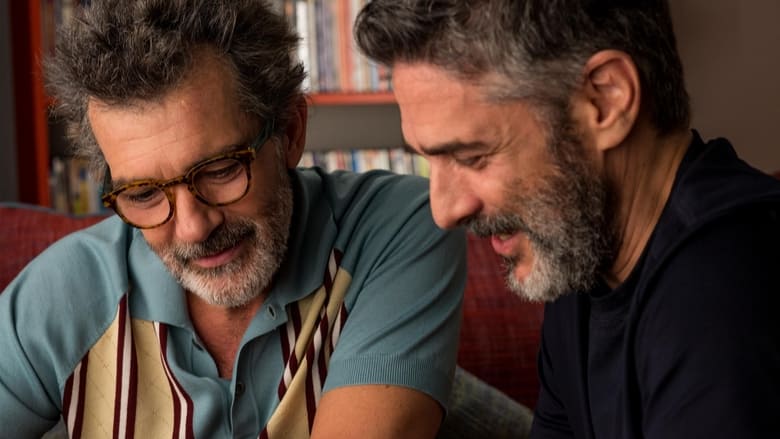
Pain and Glory
2019
-
Volver
2006
-
Julieta
2016
-
Talk to Her
2002
-
Bad Education
2004
-
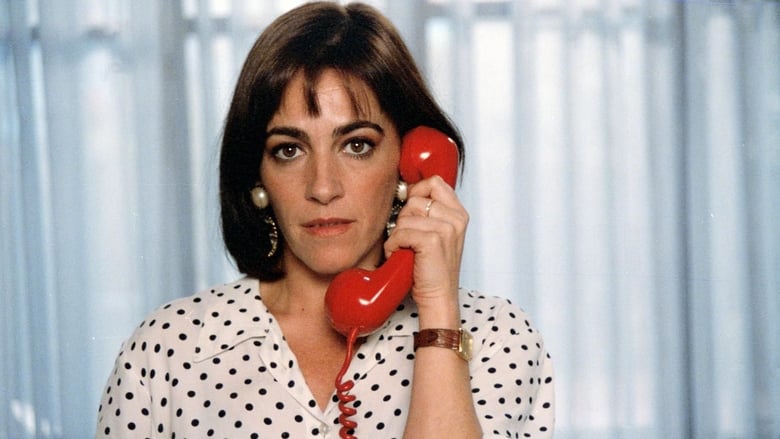
Women on the Verge of a Nervous Breakdown
1988
-
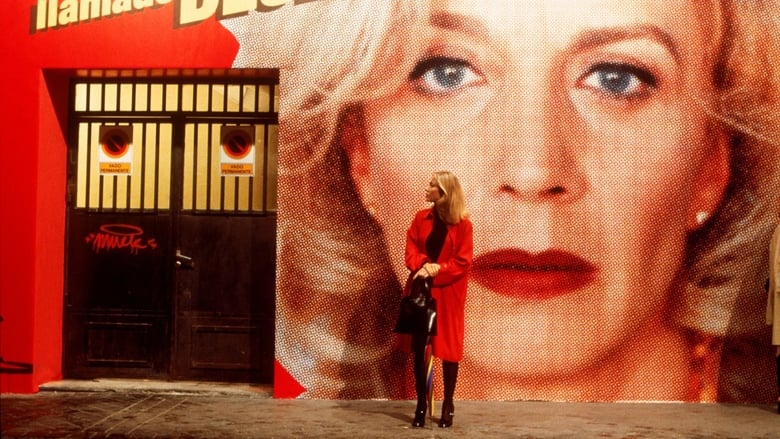
All About My Mother
1999
-
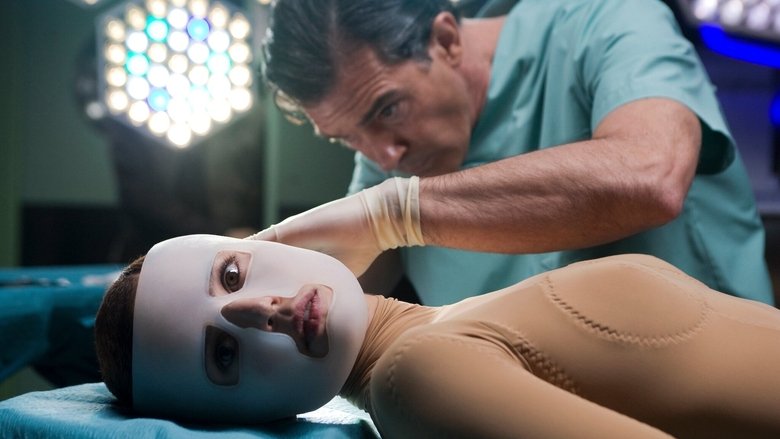
The Skin I Live In
2011
-
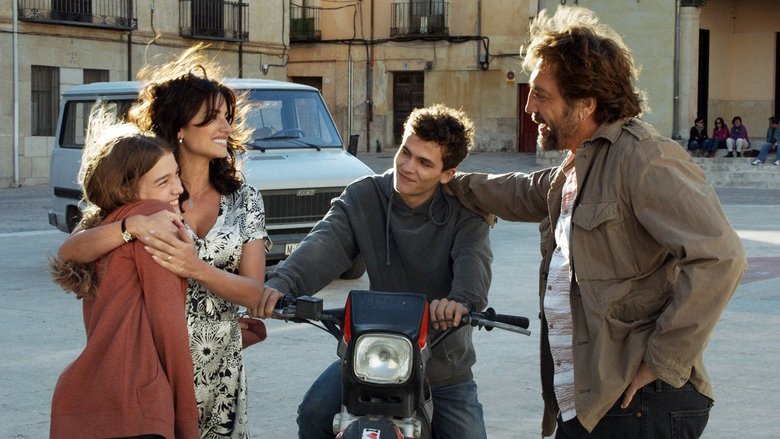
Everybody Knows
2018
-
20th Century Women
2016
-
Blood Father
2016
-

Brimstone
2016
-
Elle
2016
-
Florence Foster Jenkins
2016
-
It's Only the End of the World
2016
-
Loving
2016
-

Midnight Special
2016
-
Miss Sloane
2016
-
My Life as a Zucchini
2016
-

Personal Shopper
2016