PAW Patrol: The Movie
"Big city, bigger gadgets, and surprisingly high-stakes puppy therapy."
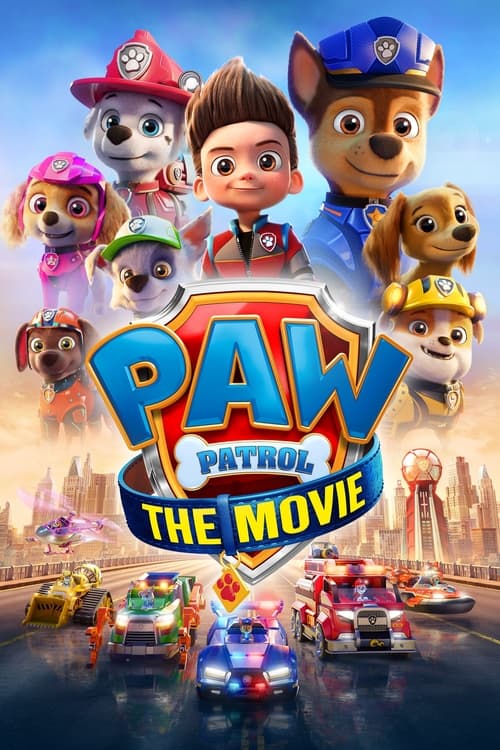
I used to think of the PAW Patrol television show as a sort of colorful, low-frequency white noise designed to keep toddlers from vibrating out of existence. It’s been a staple of the "Nick Jr." ecosystem for a decade, operating with a repetitive, soothing logic: a problem arises, a pup is selected, a catchphrase is barked, and the day is saved. But when I sat down to watch PAW Patrol: The Movie on a rainy Tuesday afternoon—while unsuccessfully trying to scrape a fossilized piece of chewed gum off my shoe with a plastic fork—I realized I wasn’t just watching a long episode of a cartoon. This was a full-blown cinematic glow-up.
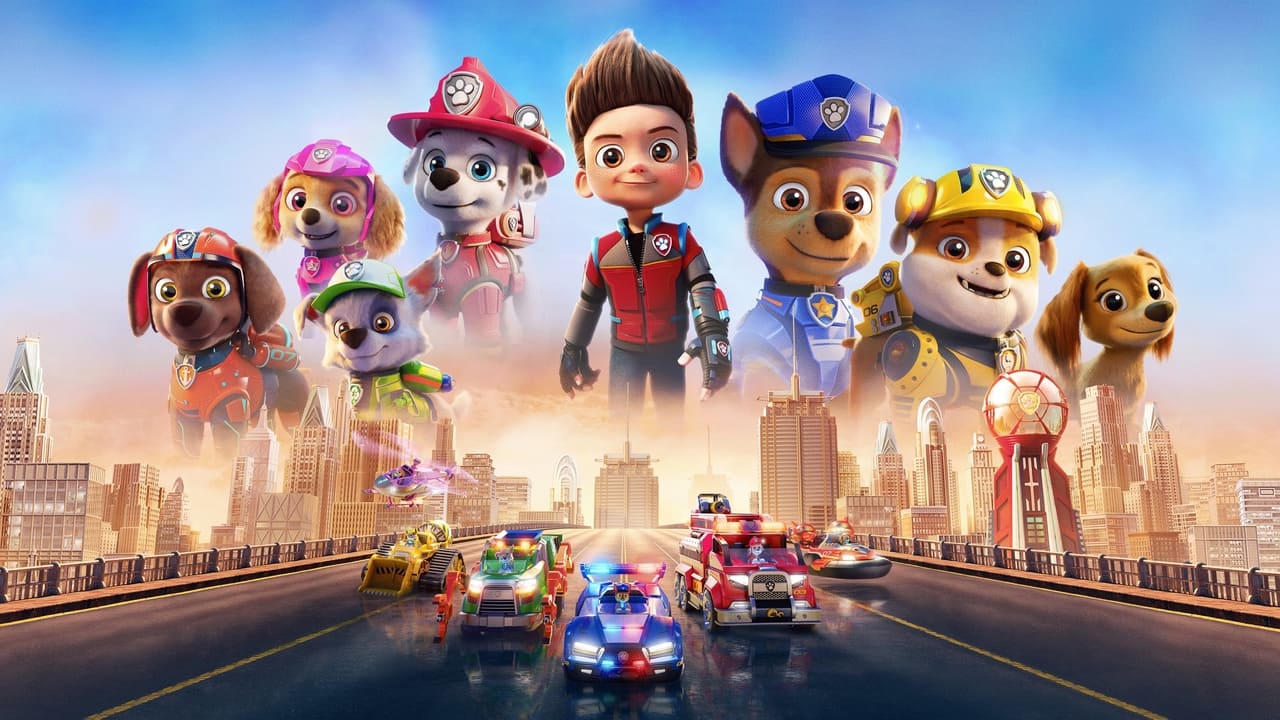
Coming out in 2021, a year where we were all still squinting at the sun and wondering if the movie theater was a safe place to be, this film was a fascinating case study in the modern "hybrid" release. It hit Paramount+ and theaters simultaneously, serving as a bright, loud beacon for parents who were desperate for eighty-six minutes of peace. What’s shocking, though, is that it actually rewards your attention.
The Puppy MCU Gets a Budget
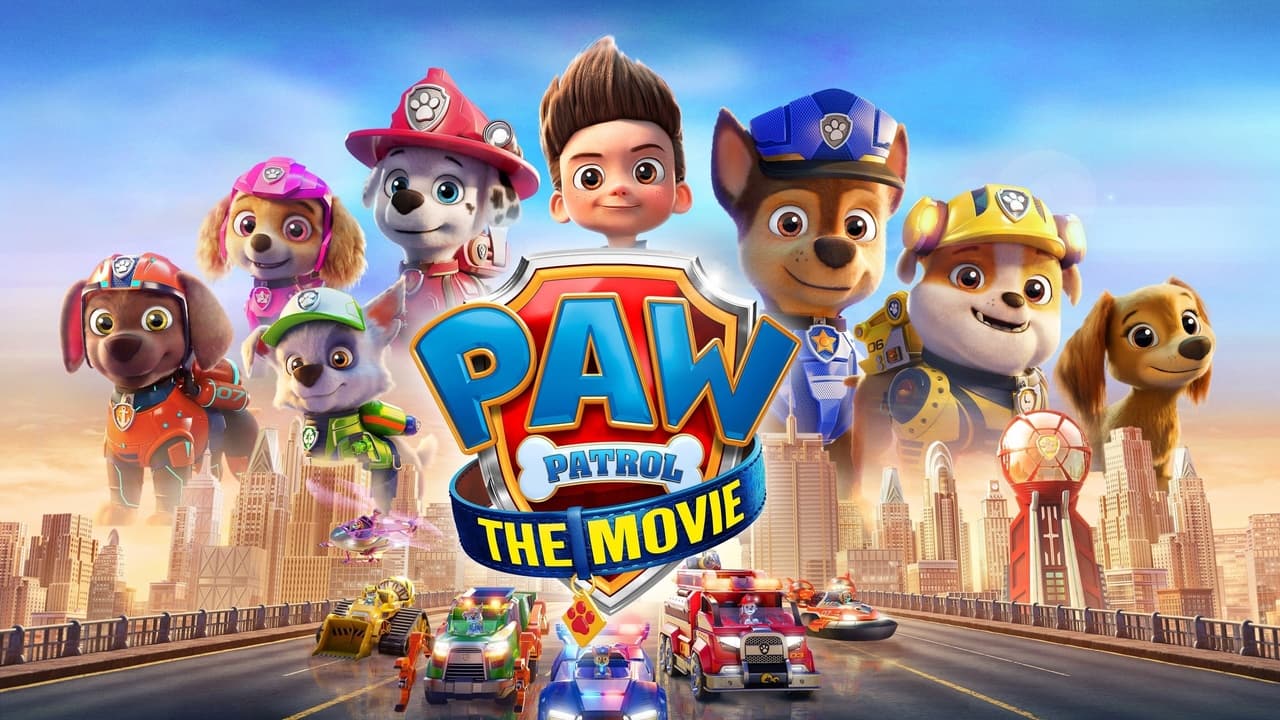
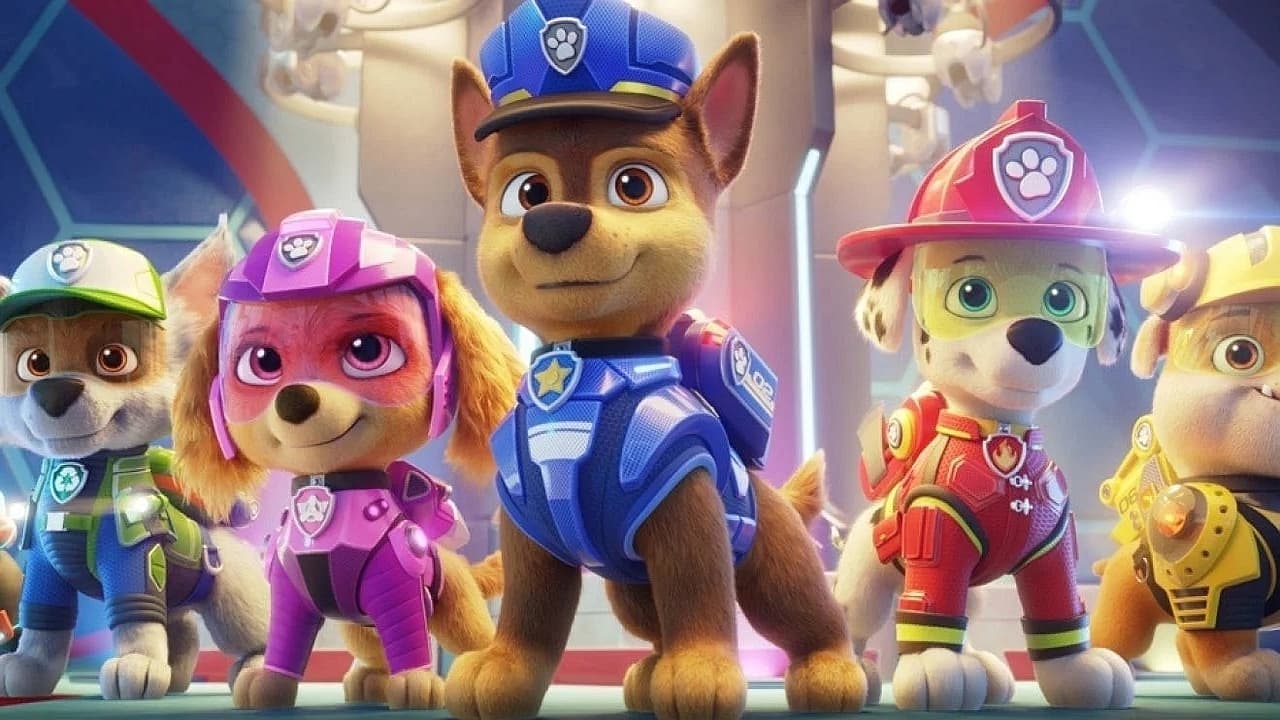
The jump from the small screen to the theatrical world is immediately apparent in the physics of the thing. The TV show has a charming, if somewhat flat, aesthetic. The movie, however, looks like it was buffed with a high-end car wax and then polished by a team of people who really, really care about how light reflects off a Dalmatian’s fur. The textures are rich, the water effects are genuinely impressive, and the scale of "Adventure City" feels like a kid-friendly version of Blade Runner’s Los Angeles, minus the existential dread and neon-lit sadness.
The transition from the sleepy Adventure Bay to the bustling Adventure City provides the narrative engine. Our villain, the ego-maniacal Mayor Humdinger (voiced with delightful, mustache-twirling camp by Ron Pardo), has moved into the big city and started implementing hair-brained urban planning projects, like a subway system that goes into a loop-de-loop. It’s a perfect satire of "prestige" architecture and political vanity, though I suspect the four-year-olds in the front row were mostly there for the gadgets.
And oh, the gadgets. This is where the franchise’s "Franchise Dominance" shows its teeth. Every pup gets a vehicle upgrade that would make James Bond’s Q-branch look like a neighborhood lemonade stand. When Chase’s police cruiser transforms into a high-speed interceptor, the animation team leans into the "Adventure" genre tropes with a kinetic energy that feels like a junior-varsity Fast & Furious flick.
Trauma, Tunnels, and Toy Aisles
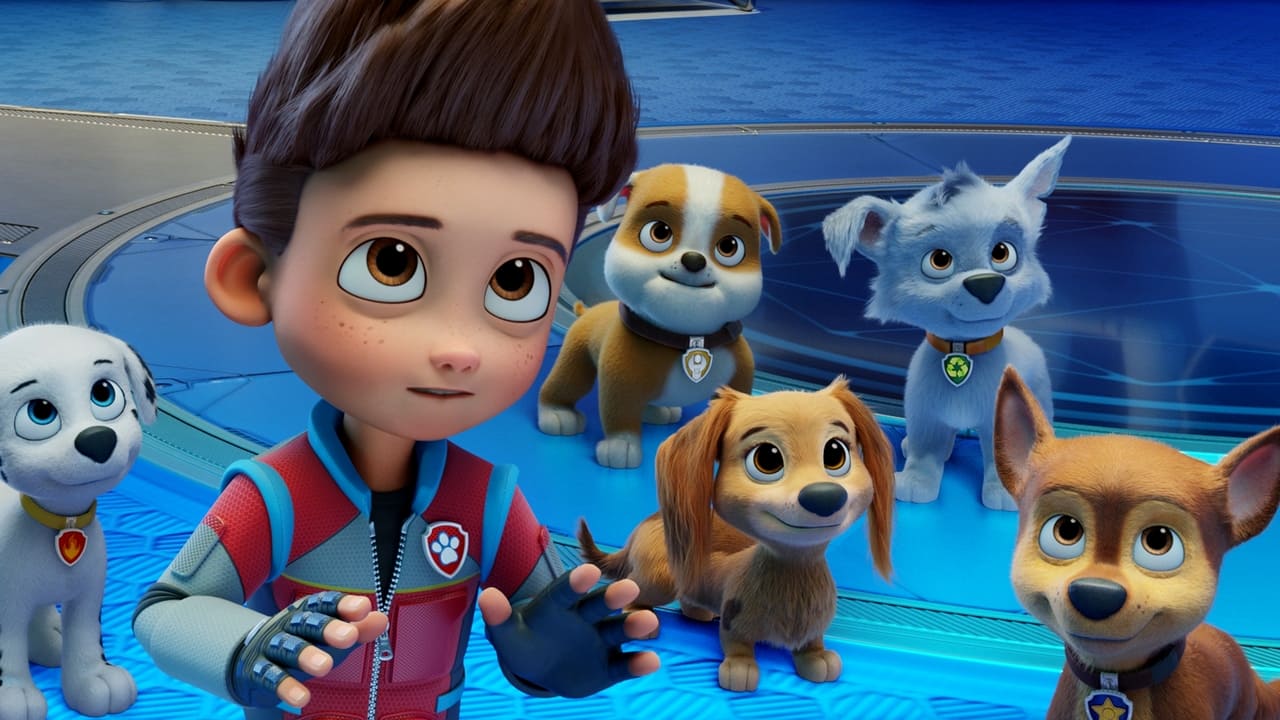
The biggest surprise for me was the emotional core. Most preschool-to-movie adaptations are content to stay surface-level, but director Cal Brunker and the writing team decided to give Chase, the German Shepherd police pup, a genuine arc. We learn that Chase was abandoned in Adventure City as a puppy, and returning to the metropolis triggers what can only be described as canine PTSD.
Iain Armitage (taking over the voice role for the film) does a great job conveying Chase’s anxiety. Seeing a cartoon dog freeze up on a bridge because he’s paralyzed by the weight of his own expectations is unexpectedly heavy for a movie that also features a cat-powered cloud-catching machine. It’s a smart move; it gives the film a narrative stakes that the show lacks. It’s no longer just "can they stop the mayor?" it’s "can this puppy learn to believe in himself again?" It’s a classic adventure trope—the hero’s internal journey mirroring the external peril—and it works better than it has any right to.
The film also introduces Liberty, a street-smart dachshund voiced by Marsai Martin, who brings a much-needed "local" perspective to the team. She’s the standout addition, providing the bridge between the high-tech outsiders and the city they’re trying to save.
Stuff You Didn't Notice
One of the more interesting "Contemporary Cinema" wrinkles is the voice cast. While the show usually relies on professional voice actors, the movie went for the "star-power" strategy common in the 2020s. Along with Armitage, we get Tyler Perry as a truck driver, Jimmy Kimmel as a news anchor, and even Kim Kardashian as a pampered poodle. It’s a weird, multi-generational marketing flex that signals just how much of a cultural behemoth PAW Patrol has become. It’s not just for kids anymore; it’s a brand that demands a seat at the table with the big studios.
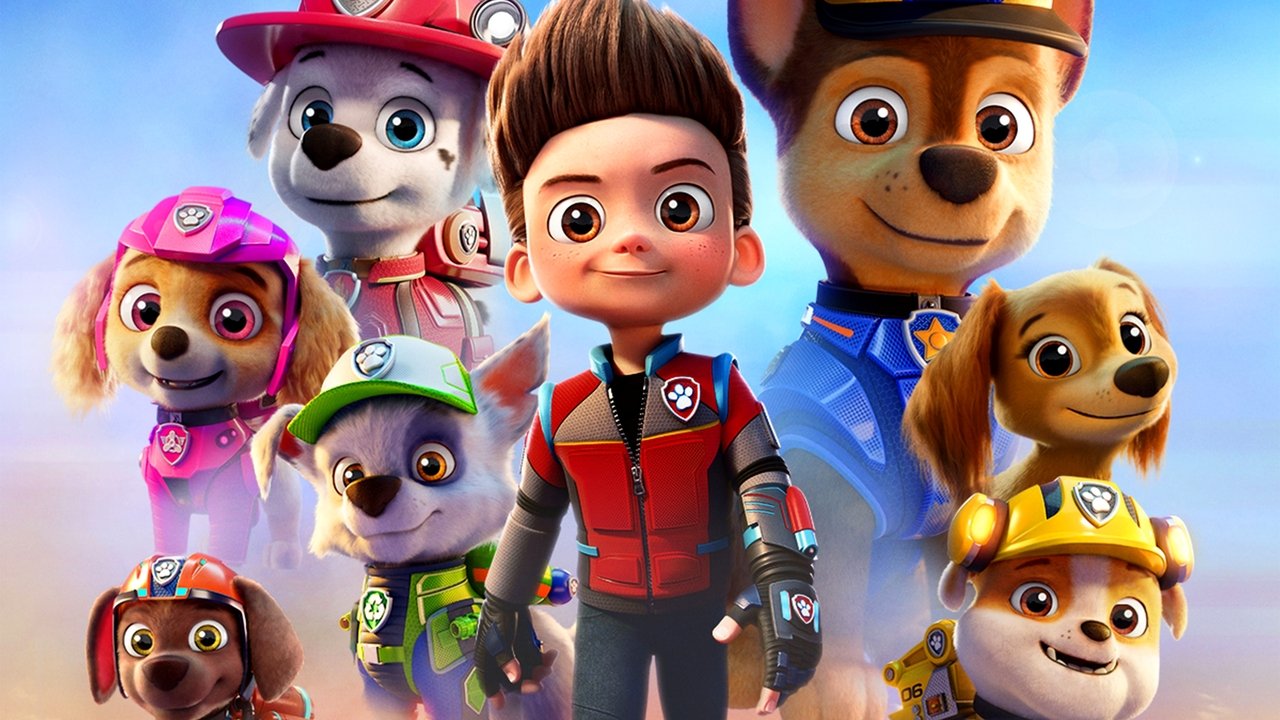
Behind the scenes, the production was a massive undertaking for Spin Master Entertainment, transitioning from a toy company to a legitimate film producer. The film’s budget was a relatively modest $26 million, but it pulled in over $140 million at the box office. In the context of the pandemic, those are superhero numbers. It proved that "kid-IP" is one of the few things that can still reliably drag people into a theater, even when they could watch the same thing on their couch for the price of a streaming subscription.
The film also manages to sneak in some subtle commentary on the "Franchise Saturation" of our current era. There’s a scene where the pups marvel at their new, expensive headquarters, and a character asks where they get the money for all of this. The answer? "Officially licensed PAW Patrol merchandise. This stuff sells like hotcakes!" It’s a rare moment of self-aware snark that bridges the gap between the cynical adult viewer and the earnest child.
PAW Patrol: The Movie is a rare example of a franchise extension that actually tries. It respects its audience enough to provide high-quality animation, a coherent emotional journey, and a sense of adventure that feels earned rather than manufactured. It’s a toy commercial, sure, but it’s a toy commercial with a soul and some really great action sequences. If you’re a parent, you’ve seen worse; if you’re a cinema fan, you’ll find a surprising amount of craft to admire in this pup-filled metropolis.
Final Verdict: While it won’t replace Toy Story in the pantheon of animated greats, it successfully bridges the gap between preschool simplicity and big-screen spectacle. It’s colorful, surprisingly moving, and features a villain who is essentially a cautionary tale about what happens when you let a man with a top hat run a city. It's a solid win for the "Contemporary" era of family films.
Keep Exploring...
-
Ballerina
2016
-
Finding Dory
2016
-
Kung Fu Panda 3
2016
-
Moana
2016
-
Zootopia
2016
-
Despicable Me 3
2017
-
Smurfs: The Lost Village
2017
-
Ralph Breaks the Internet
2018
-
Frozen II
2019
-
The Secret Life of Pets 2
2019
-
Toy Story 4
2019
-
The Croods: A New Age
2020
-

Minions: The Rise of Gru
2022
-
Puss in Boots: The Last Wish
2022
-
The Bad Guys
2022
-
Migration
2023
-
The Super Mario Bros. Movie
2023
-
Inside Out 2
2024
-
Kung Fu Panda 4
2024
-
Moana 2
2024